Cultivating Resilience: Expert-Recommended Selections for the Mountain West Garden
Gardening in the Mountain West is a study in contrasts. With high-altitude sun, unpredictable frost dates, and wide fluctuations in seasonal moisture, the northern landscape demands a unique set of skills and an even more selective palette of plant material. For many, the challenge lies in balancing aesthetic ambition with the harsh reality of a short, intense growing season.
Amy Grisak, a distinguished writer and seasoned gardener based in Montana, has spent years navigating the trials and triumphs of the northern climate. In her pursuit of a landscape that thrives rather than merely survives, she has curated a list of four standout performers. These selections—ranging from the high-energy blooms of the ‘Giddy Pink’ coneflower to the architectural splendor of the ‘Amber Jubilee’ ninebark—offer both visual impact and the structural durability required for the challenging Mountain West environment.
The Core Challenge: Understanding the Mountain West Environment
The Mountain West region—spanning from the high plains to the peaks of the Rockies—is defined by its "extreme" climate. Gardeners here must contend with low humidity, desiccating winds, and the ever-present threat of late-spring or early-autumn frosts.
Traditional garden advice often fails in these zones, where temperatures can swing 40 degrees in a single day. The success of a garden here is rarely accidental; it is the result of choosing plants that possess natural "grit"—the ability to withstand sub-zero winters while flourishing during a condensed, high-UV summer.
The Four Pillars of the Northern Landscape
Grisak’s recommendations are not merely ornamental; they are functional choices for the resilient gardener. Each selection has been vetted against the rigors of the climate, proving that high-altitude gardening does not require a sacrifice of beauty.
1. ‘Giddy Pink’ Coneflower: The Pollinator Powerhouse
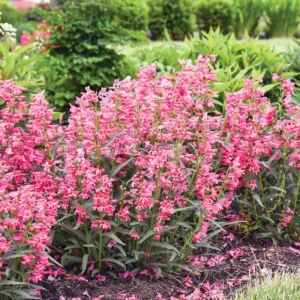
The Echinacea genus is a staple of American gardens, but ‘Giddy Pink’ elevates the category. Known for its vibrant, double-petaled flowers, this cultivar provides a structural "wow" factor that is hard to ignore.
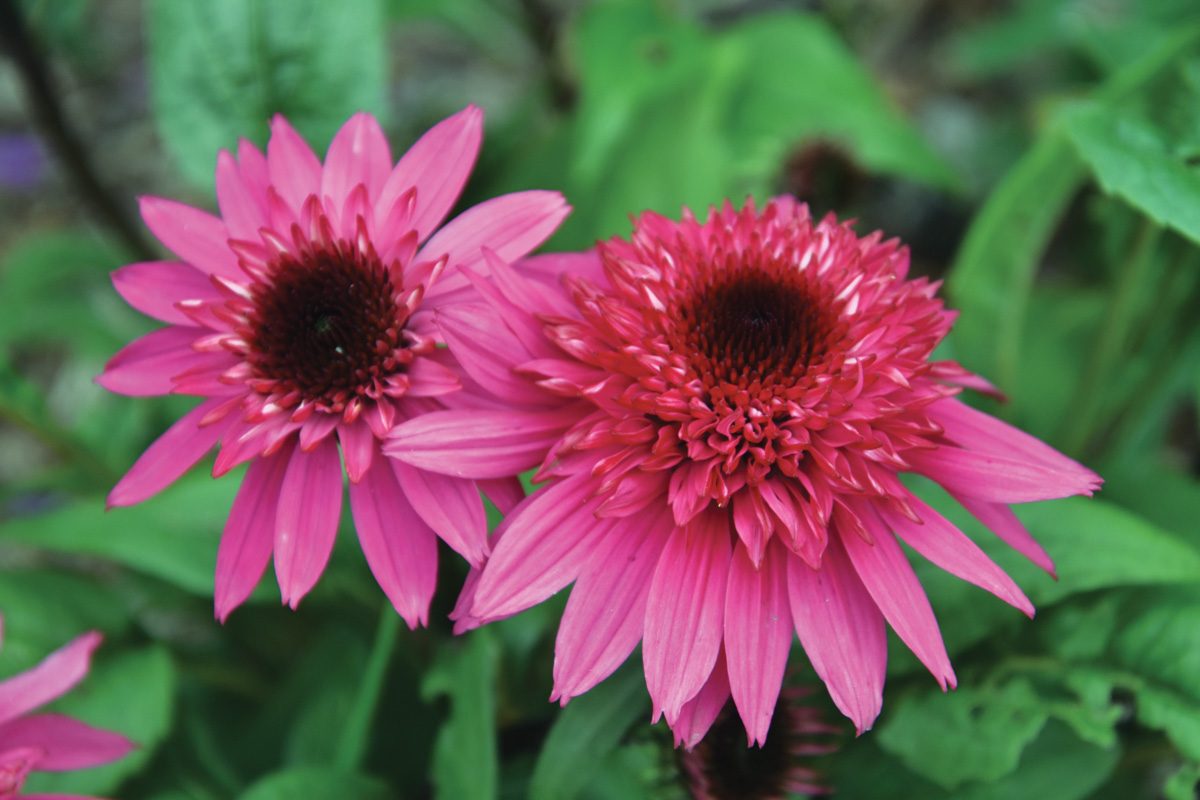
- Growth Habit: It maintains a tidy, mounding form, making it an excellent candidate for front-to-mid-border placement. Spacing the plants 20 to 24 inches apart allows for optimal airflow while creating a dense, colorful display.
- Seasonal Maintenance: The secret to a long season is diligent deadheading. By cutting spent blooms back to the next set of leaves, gardeners can encourage a continuous "butterfly buffet" through the summer.
- The Winter Shift: As autumn deepens, the strategy changes. Leaving the late August blooms intact is a vital step for wildlife conservation. These seed heads provide essential nutrition for goldfinches and chickadees as they prepare for the lean winter months.
2. ‘Freya’ Clustered Bellflower: Early Season Elegance
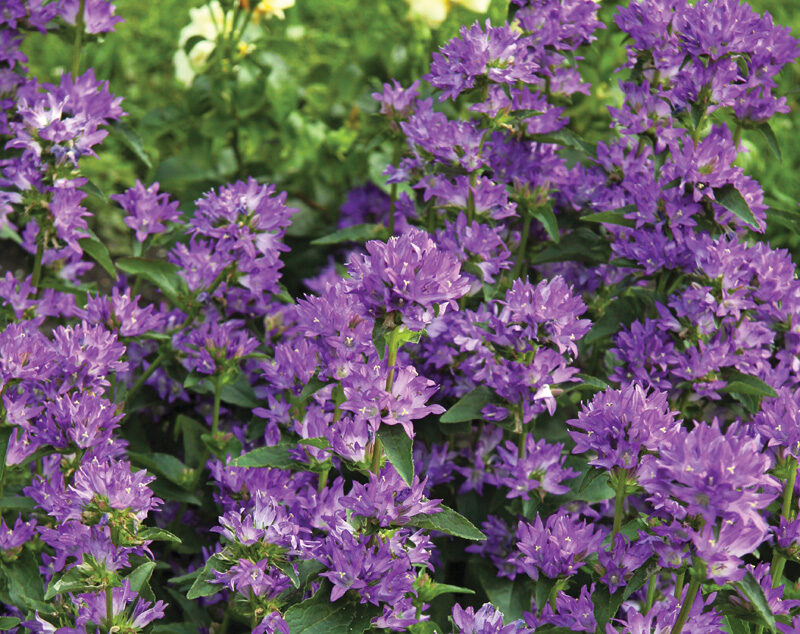
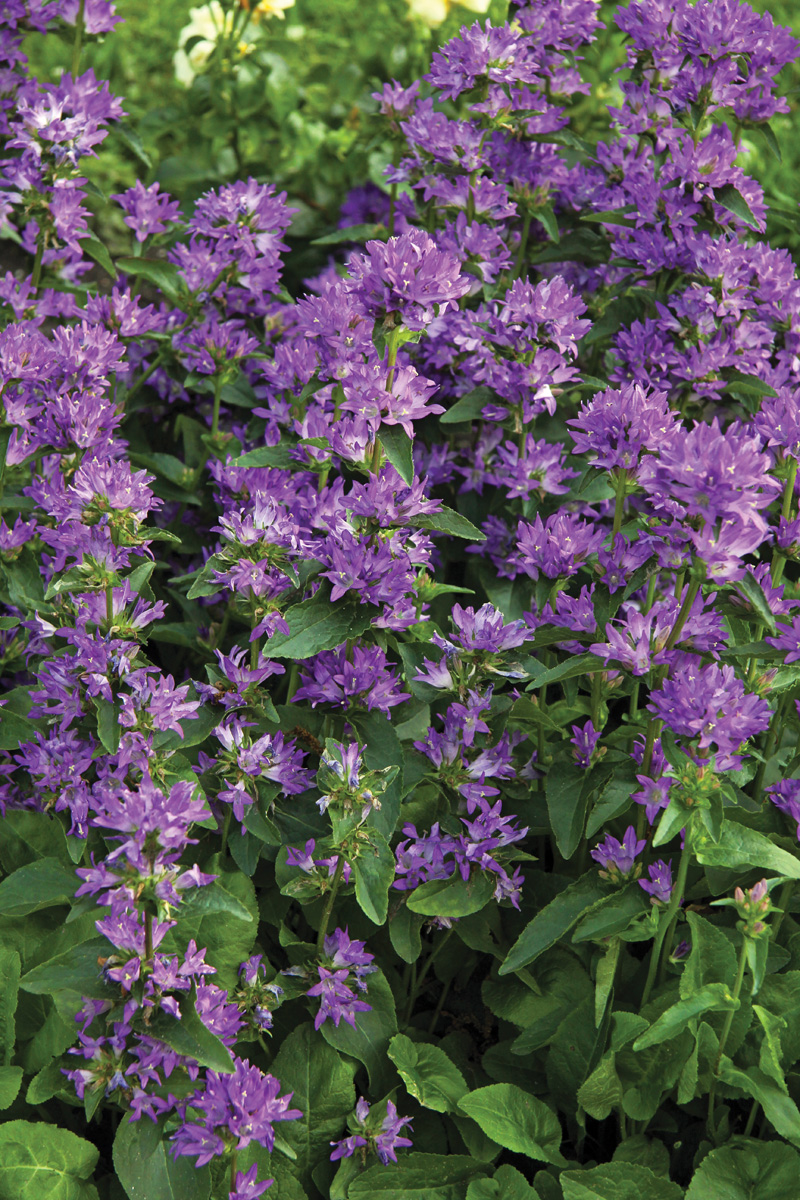
When the spring garden needs a lift, Campanula glomerata ‘Freya’ delivers. While many bellflowers struggle in the harsh western sun, ‘Freya’ offers a robust, upright habit that requires no staking—a significant advantage in wind-prone areas.
- Floral Performance: Star-shaped, intense violet-blue blossoms congregate at the top third of the stem, creating a striking vertical element.
- Strategic Placement: While these plants are sun-tolerant, planting them in partial shade can mitigate the intensity of the midsummer heat, extending their bloom cycle.
- Deer Resistance: In regions where ungulate pressure is a constant concern, ‘Freya’ stands out as a deer-resistant alternative to other soft-stemmed perennials. Its habit of forming dense basal foliage helps suppress weeds, making it a low-maintenance, high-reward choice.
3. ‘Amy Jo’ Itoh Peony: The Gold Standard for Durability
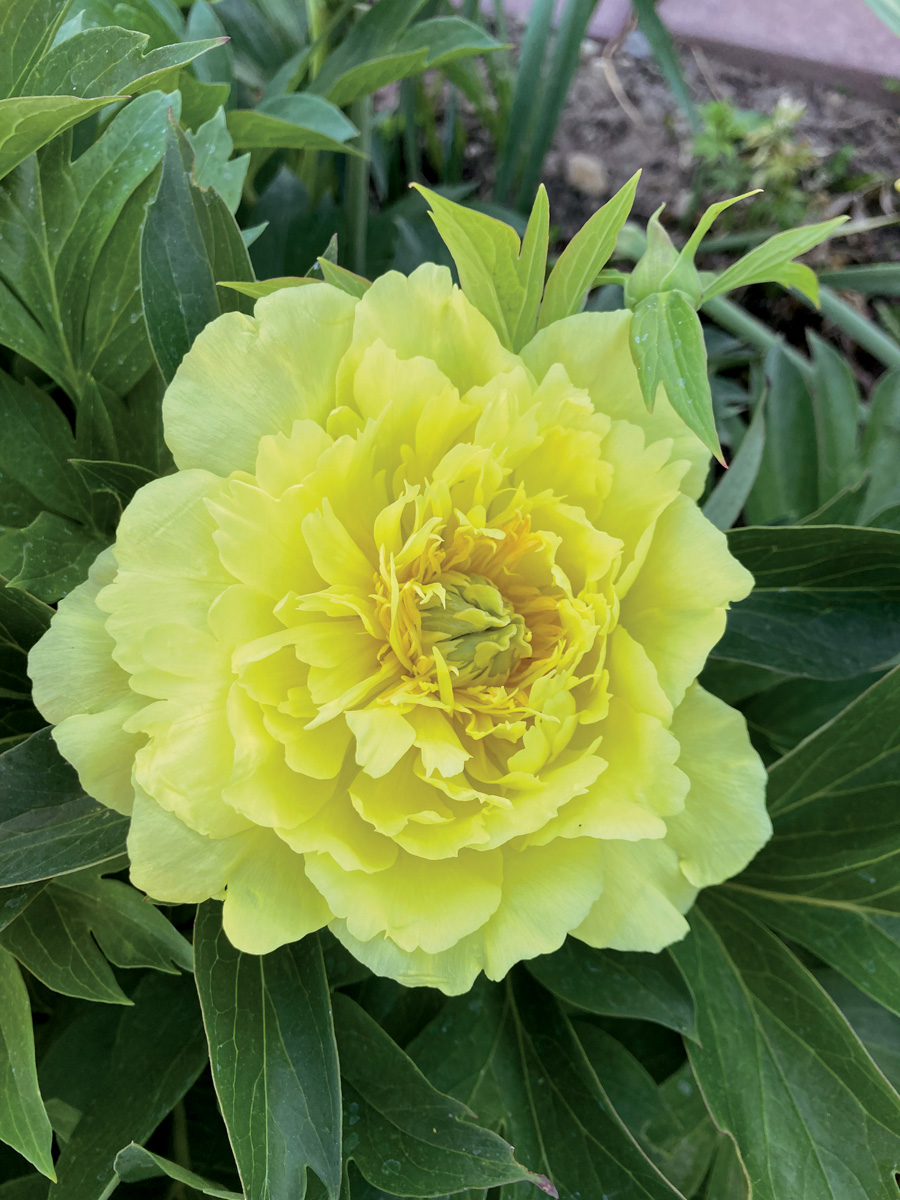
Perhaps the most impressive specimen in Grisak’s collection is the ‘Amy Jo’ Itoh peony. Named for the intersectional hybrid group—a cross between herbaceous and tree peonies—this plant represents the pinnacle of cold-hardy breeding.
- Historical Resilience: Having thrived for over 15 years in a front garden, the ‘Amy Jo’ has survived everything from blistering 90°F heat to sub-zero winter blasts and severe drought.
- The Itoh Advantage: Unlike traditional herbaceous peonies that often require heavy support to keep their heads off the ground, Itoh peonies are famously sturdy. The ‘Amy Jo’ produces hand-sized, vibrant yellow blooms that appear in early June with clockwork reliability.
- Aesthetic Distinction: The foliage is lush and deep green throughout the season, and the availability of warm yellow and apricot hues provides a color palette rarely seen in standard perennial peonies.
4. ‘Amber Jubilee’ Ninebark: The Four-Season Performer
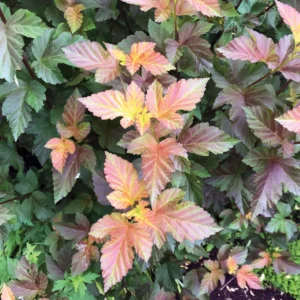
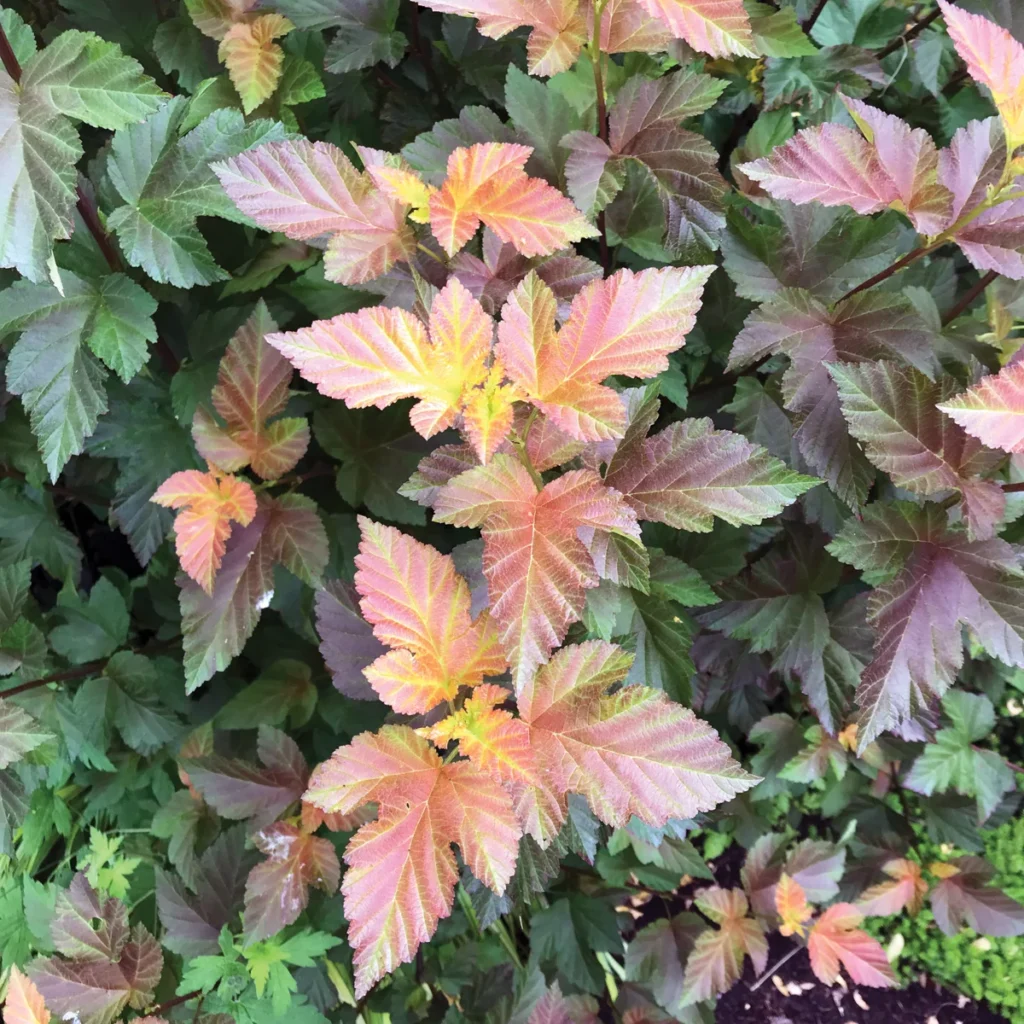
Developed in Manitoba, Canada, the ‘Amber Jubilee’ ninebark (Physocarpus opulifolius) is effectively the "all-terrain vehicle" of the shrub world. Its breeding background ensures it is practically impervious to the cold.
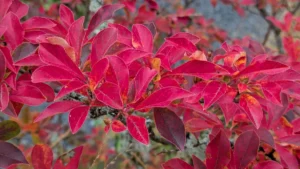
- Foliage Evolution: The plant is a chameleon. In spring, the new growth emerges in brilliant shades of orange and yellow. By summer, it settles into a rich green, only to transition into a deep, dramatic purple and red as the nights cool in autumn.
- Architectural Winter Interest: Once the leaves drop, the plant reveals its true skeleton—reddish, exfoliating bark that adds significant textural interest to a snow-covered landscape.
- Utility: It is exceptionally versatile, serving well as a hedge, a specimen plant, or a mass planting. It is even noted for its tolerance to clay-heavy, damp soils and its ability to thrive in the presence of black walnut trees, which produce juglone, a chemical that inhibits the growth of many other plants.
Chronology of the Northern Gardening Season
To maximize these plants, one must follow the rhythm of the Mountain West:
- Late Spring (May–June): This is the time for ‘Freya’ bellflowers to initiate their display. It is also the moment when the ‘Amy Jo’ peony begins its spectacular bloom. Gardeners should monitor moisture levels, as late spring is often the transition from snowmelt to the dry season.
- Midsummer (July–August): As the heat rises, the ‘Giddy Pink’ coneflower takes center stage. Maintenance during this time focuses on deadheading to prevent the plant from putting energy into seed production, thereby fueling more flowers.
- Autumn (September–October): The focus shifts to foliage color. The ‘Amber Jubilee’ ninebark hits its peak intensity. This is also the time to stop deadheading and allow seed heads to form on the coneflowers.
- Winter (November–April): The garden enters dormancy. The structural integrity of the ninebark and the remaining seed heads of the coneflower provide the primary aesthetic appeal, while the hardy crowns of the perennials rest under a blanket of snow.
Implications for Future Gardeners
The shift toward selecting plants like the ‘Amy Jo’ Itoh peony or ‘Amber Jubilee’ ninebark signals a broader trend in horticulture: the movement toward "resilience-first" gardening. As climate patterns become more volatile, the reliance on high-maintenance, fragile species is waning.
By integrating these four selections, gardeners in the Mountain West can create a landscape that:
- Supports Local Ecosystems: By providing seed heads for birds and nectar for pollinators.
- Reduces Labor: By selecting cultivars that do not require staking, frequent division, or excessive pest control.
- Ensures Longevity: By prioritizing plants with documented cold hardiness and drought tolerance.
Expert Insight: Practical Tools for the Job
For the serious enthusiast looking to implement these plantings, the right equipment is essential. Tools such as the A.M. Leonard Deluxe Soil Knife—featuring a serrated edge for tough roots and depth markings for precise planting—are highly recommended for the rocky or compacted soils often found in high-elevation regions.
Ultimately, the Mountain West garden is not a place for the timid. It is a space where, with the right plant selection and a respect for the region’s intense natural cycles, one can create a sanctuary that celebrates the beauty of the rugged, high-altitude landscape. As Amy Grisak demonstrates, the reward for this thoughtful approach is a garden that stands the test of time, season after season.