THE HARVEST OF REALITY: REDEFINING SELF-SUFFICIENCY IN RURAL VERMONT
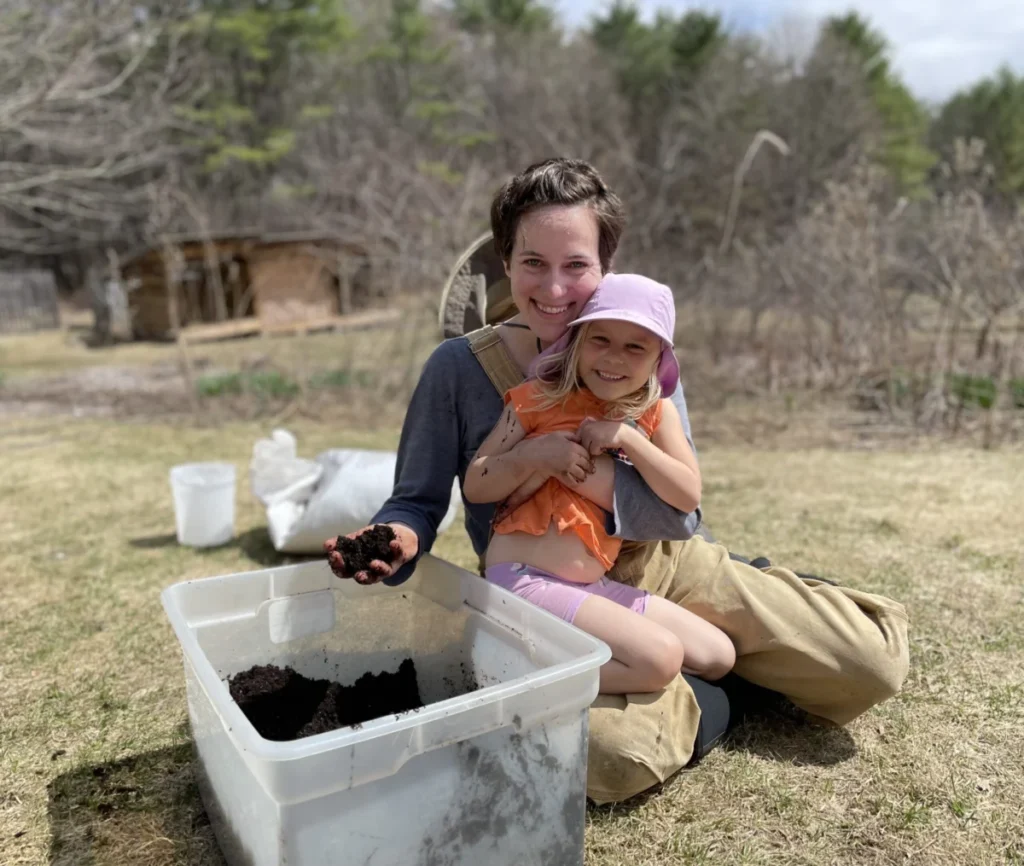
MONTPELIER, VT — When the "back-to-the-land" movement surged in the mid-2010s, it was fueled by a digital-age romanticism: the image of the urban professional-turned-homesteader, trading spreadsheets for seed packets and subway commutes for forest trails. Among the most prominent voices in this movement were Nate and Elizabeth Willard (known to their global audience as the "Frugalwoods"), who in May 2016 swapped their metropolitan lifestyle for a 66-acre homestead in rural Vermont.
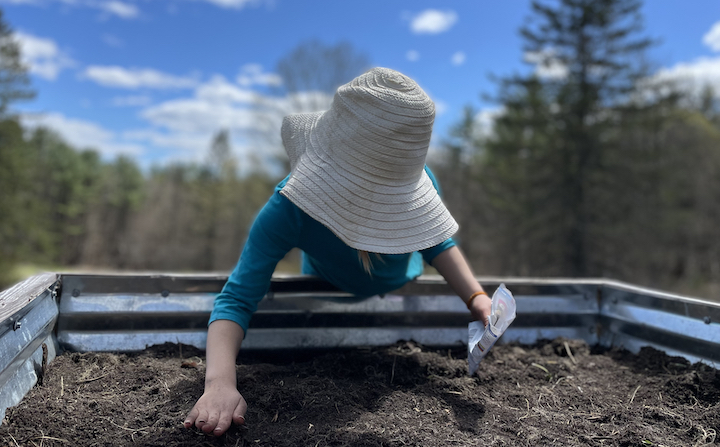
Seven years later, the narrative has shifted from one of total agrarian conquest to a more nuanced study of human limits, environmental variables, and the pursuit of a balanced life. In a candid retrospective marking their seventh anniversary on the land, the Willards have debunked one of the most pervasive myths of the modern homesteading dream: the feasibility of total food self-sufficiency.
Main Facts: The Disparity Between Dream and Soil
The central premise of the Willards’ move was a "gargantuan assumption" that they would grow, raise, and preserve 100% of their own food. This vision included not only a vast array of fruits and vegetables but also the potential for meat chickens, pigs, goats, and a dairy cow for artisanal butter and cheese.
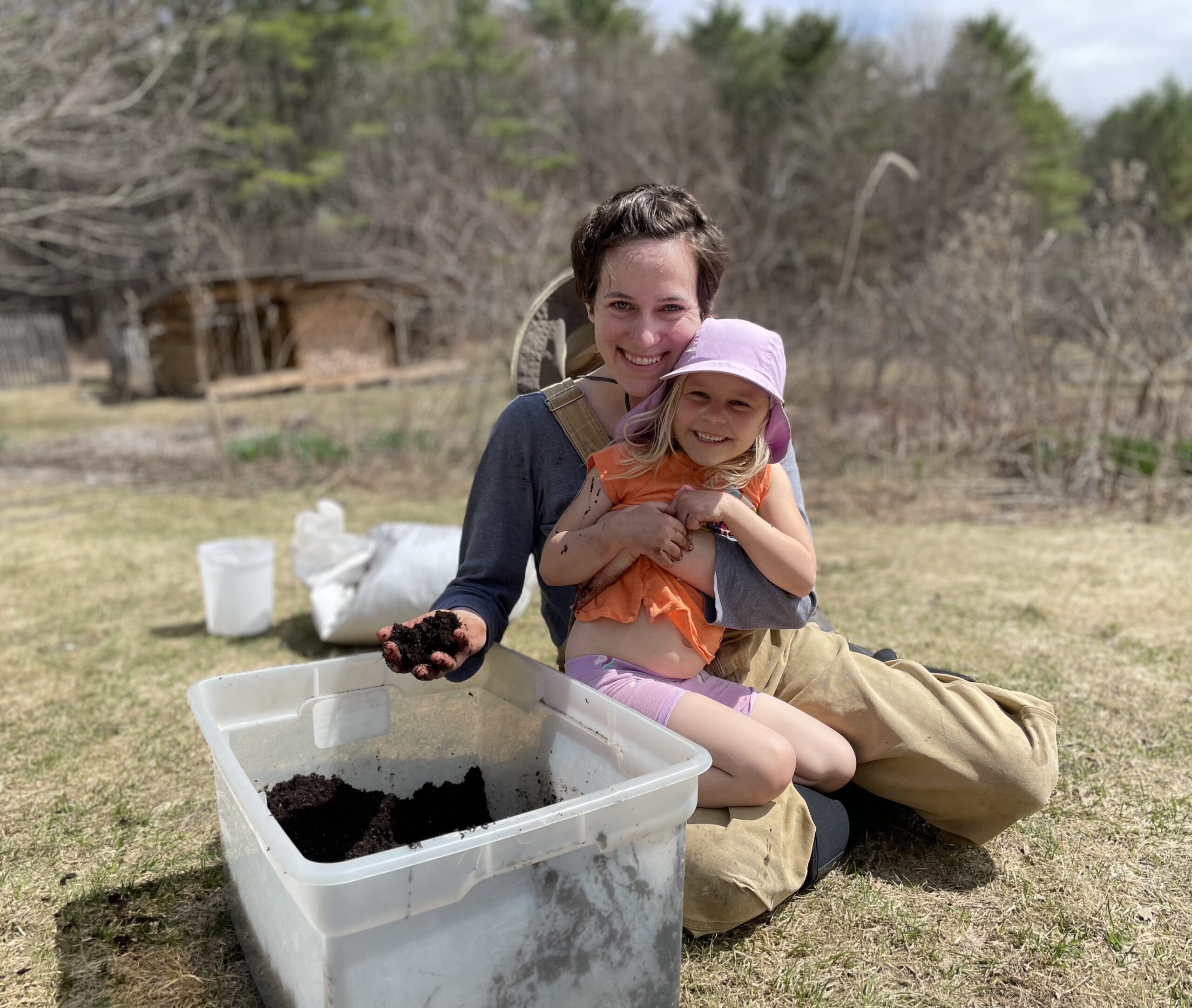
However, the reality of the Vermont climate and the sheer physics of manual labor have led to a significant paradigm shift. The primary findings of their seven-year experiment reveal that total self-sufficiency is not merely a hobby, but an "all-consuming, full-time job" that often conflicts with the very reasons many flee the city: the desire for time, freedom, and a reprieve from high-pressure environments.
Today, the Willard homestead operates on a model of "balanced gardening." They have moved away from the guilt-driven pursuit of the "perfect homesteader" archetype, choosing instead to integrate small-scale cultivation with a reliance on the local agricultural economy. This transition highlights a broader truth in the rural revival movement: the most sustainable homestead is often one that acknowledges its limitations.

Chronology: From Idealism to the "Kale Apocalypse"
The evolution of the Willard homestead can be traced through three distinct phases:
Phase I: The Arrival and Infrastructure Surge (2016–2017)
Upon moving to their 66-acre property in May 2016, the couple focused on staggering infrastructure projects. They established a "big" vegetable garden, installed cattle panels for vertical growth, and began the slow process of planting perennial fruit trees and bushes. During this period, the optimism of the "modern-day sustainable paradise" was at its peak, driven by the novelty of the landscape and the drive to escape the "city rat race."

Phase II: The 2018 Turning Point
The romanticism of the project met a logistical wall in the summer of 2018, an event now referred to as the "Kale and Chard Apocalypse." In an attempt to maximize yield, the couple planted and nurtured 80 kale and chard plants. The resulting harvest was so massive it required a literal baby pool for rinsing.
The process of harvesting, blanching, de-stemming, and freezing took days of grueling labor while managing young children. Despite the Herculean effort, a significant portion of the preserved greens eventually spoiled before they could be consumed. This served as a definitive lesson in the "diminishing returns" of subsistence farming for those not doing it out of absolute necessity.

Phase III: Pragmatism and Acceptance (2019–2023)
Over the last four years, the homestead has entered a period of "maintenance and moderation." The Willards have transitioned from annual-heavy gardening to a mix of perennials and high-yield, low-stress annuals. They have consciously rejected the "societal expectations" of the homesteading community, choosing to spend their summers enjoying the local community—lakes, live music, and hiking—rather than being "chained" to the garden.
Supporting Data: The Logistical Bottlenecks of the Land
The Willards’ experience provides a data-driven look at why total self-sufficiency is elusive for the modern family. Several key variables consistently disrupted the path to a closed-loop food system:

- The Labor-Time Ratio: The "hidden cost" of homegrown food is the time required for preservation. Canning, pickling, and freezing are time-bound activities; when a crop ripens, it demands immediate attention, regardless of the family’s schedule.
- The "Clever Varmint Patrol" (CVP): Despite fencing and netting, local wildlife (varmints and wild turkeys) frequently decimated high-value crops like plums, cherries, and blueberries. The cost of building predator-proof enclosures for every crop often exceeds the market value of the produce itself.
- The Perennial Lag: Perennial crops (apples, blueberries, etc.) require years of "sunk costs" in labor and soil management before producing a single edible fruit. Apple trees, for instance, typically require a six-year lead time.
- Climatic Volatility: Success in the Vermont growing season is at the mercy of unpredictable frosts (early, late, and "too cold"), which can destroy a year’s worth of perennial blossoms in a single night.
Expert Perspective: The "Lifestyle Homestead" vs. Subsistence Farming
While the Frugalwoods’ account is personal, it reflects a broader sociological trend analyzed by rural economists. Experts in agricultural extension services often distinguish between "subsistence farming" and "lifestyle homesteading."
The former is a survival strategy characterized by high risk and total labor immersion. The latter—which the Willards have now embraced—is a form of "productive leisure." According to rural sociology frameworks, the attempt to force a lifestyle homestead into a subsistence model often leads to burnout and the "transplanting of office-based anxiety" onto the natural world.

The Willards’ decision to purchase meat and supplemental produce from neighboring farmers is seen by experts as a more resilient economic model. By supporting full-time local farmers, homesteaders contribute to a "regional food web" that is more stable than an isolated, individual family unit trying to do everything themselves.
Implications: The New Ruralism
The Willard’s seven-year journey has significant implications for the thousands of people who continue to migrate to rural areas in search of a "simpler life."

1. The Rejection of "Productivity Culture"
The most profound implication is the realization that the "productivity trap" of the corporate world can easily infect the homestead. The drive to be a "perfect" producer of food can become as stressful as meeting a corporate deadline. The Willards’ move toward "acceptance" suggests that true rural freedom comes from the ability to say "no" to the garden.
2. The Importance of Community Interdependence
The myth of the "rugged individualist" homesteader is being replaced by the "interdependent neighbor." The Willards now view their local farmers not as a sign of their own failure to produce, but as essential partners in a rural ecosystem. This strengthens local economies and fosters social cohesion in sparsely populated areas.

3. Redefining Success
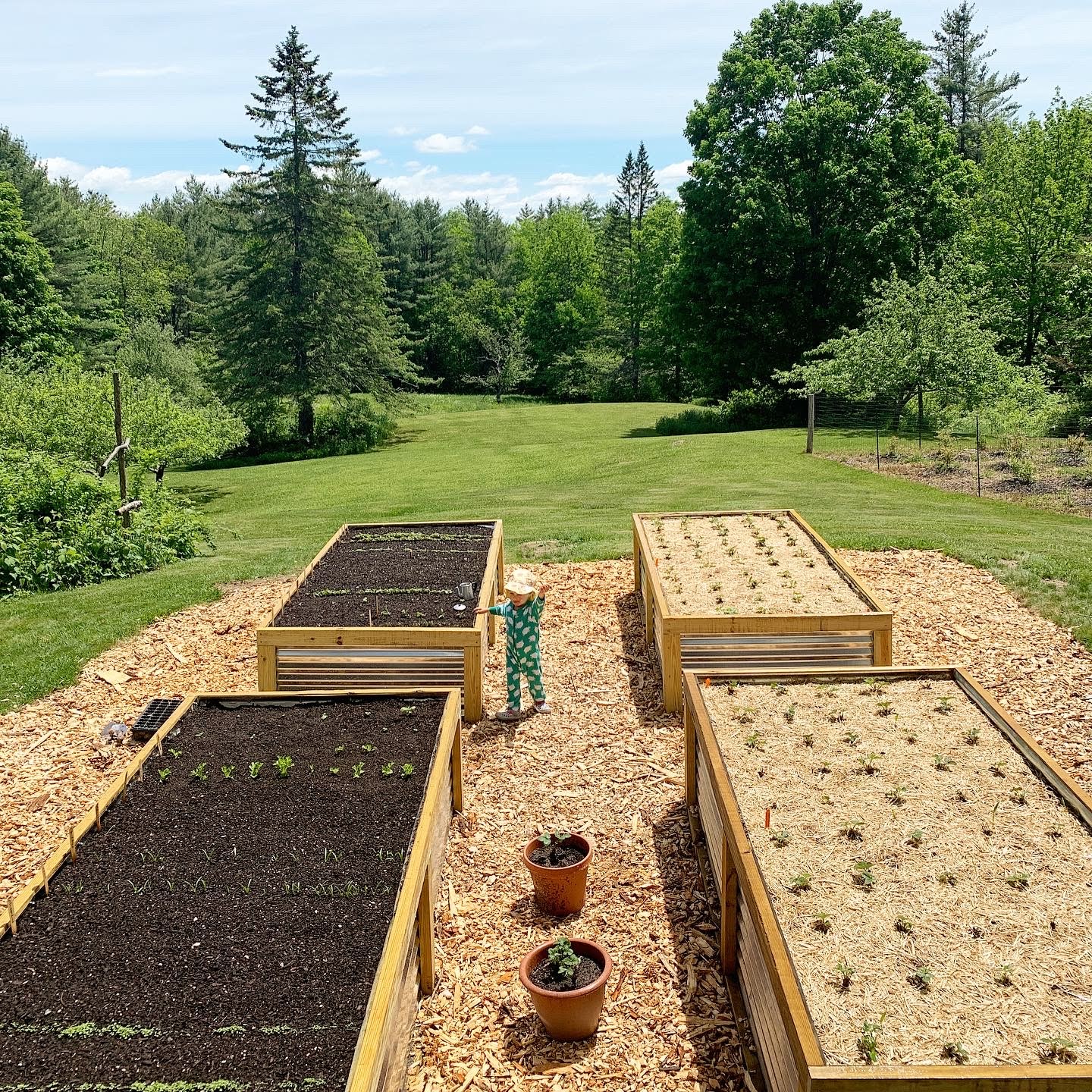
Success on the 2023 Willard homestead is no longer measured in quarts of canned chard, but in the quality of time spent with family and the ability to enjoy the land without resentment. Their current gardening footprint—four raised beds for herbs and strawberries and a modest "big garden" for annuals—serves as an educational tool for their children rather than a survival necessity.
As the Willards enter their eighth year in the Vermont woods, their message to the "homestead-curious" is one of caution and encouragement: The land offers peace, but only if you refuse to let it become another taskmaster. The dream of the 19th-century larder may be beautiful, but in the 21st century, balance is the most valuable crop one can grow.
Sidebar: The 2023 Willard Garden Inventory
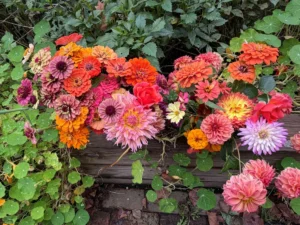
- Raised Beds: Proximity to the house allows for "kitchen snipping" of strawberries, kale, lettuce, spinach, and a variety of herbs (cilantro, dill, basil, chives, oregano, and mint).
- The "Big Garden": A fenced area utilizing cattle panels for vertical growth of tomatoes, beans, squash, snap peas, cucumbers, and peppers. This area includes dedicated rows for the children to manage independently.
- Perennial Food Forest: Ongoing management of apple trees, plum trees, pear trees, cherry trees, blueberries, raspberries, elderberries, and asparagus.
- Current Preservation Strategy: A "moderation first" approach focusing on high-reward items like apple sauce, dried apples, frozen berries, and limited quantities of tomato sauce and pickles.