The Art of Renewal: When and How to Rejuvenate Your Shrubs
In the world of professional horticulture, few things are as heartbreaking as receiving an email from a well-meaning gardener who has misdiagnosed a struggling plant. Recently, I received such an inquiry: a gardener had two shrubs of the same species and cultivar, planted on opposite sides of the same property. While one flourished, the other languished. The gardener’s proposed solution was a drastic "hard cutback"—a total reset—convinced that the blade of a saw would cure what was ailing the plant.
This common scenario highlights a fundamental misunderstanding in residential landscape management. While renewal pruning is a powerful horticultural tool, "it looks sick" is never a valid justification for radical surgery. Before picking up your loppers, understanding the physiological cause of a plant’s decline is the essential first step. Not every shrub responds well to an extreme makeover, especially if the underlying issue is a pest infestation, soil pathogen, or improper siting.
The Physiology of Rejuvenation: Understanding the Mechanics
Renewal pruning—often called rejuvenation pruning—is the process of stimulating new, vigorous growth by removing old, unproductive wood. It is best applied to established, multi-stemmed, woody plants that possess the biological capacity to push out new buds from dormant nodes or the root system after a significant reduction in biomass.
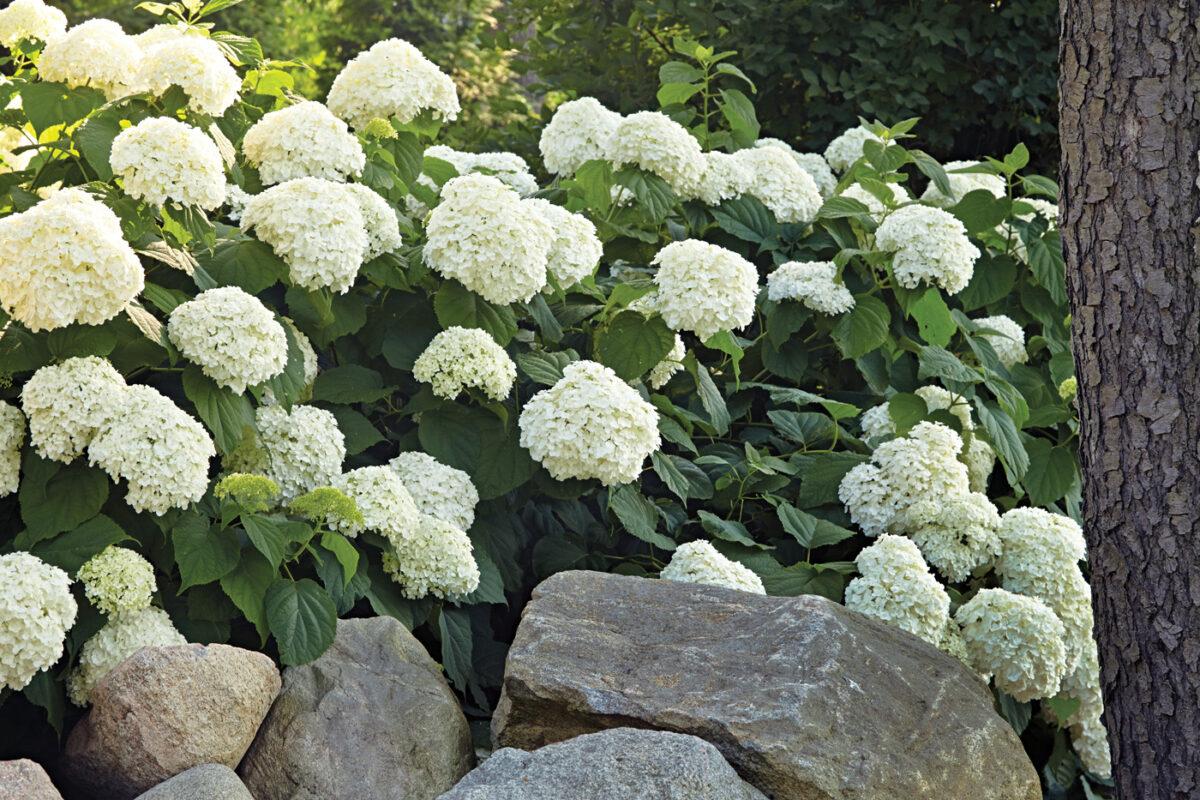
The goal is twofold: to revitalize the aesthetic appeal of a shrub or to control its size in a restricted space. The timing of this procedure is critical. In the temperate climates of the Northern Hemisphere, this work is typically reserved for late winter. During dormancy, the plant has sequestered maximum energy reserves in its roots, which it will rapidly mobilize to support the explosion of new, healthy foliage in the coming spring.
Chronology of Maintenance: When to Step In
To determine if a plant is a candidate for renewal, gardeners should perform a diagnostic assessment. If you are struggling to decide if a shrub requires a total reset, ask yourself these three questions:
- Is the plant truly established? Young, newly transplanted shrubs lack the root-to-shoot ratio necessary to survive a total decapitation.
- What is the root cause? If the plant is struggling due to poor drainage, insufficient sunlight, or chronic disease, pruning will only provide a temporary "sugar high" of growth before the plant inevitably declines again.
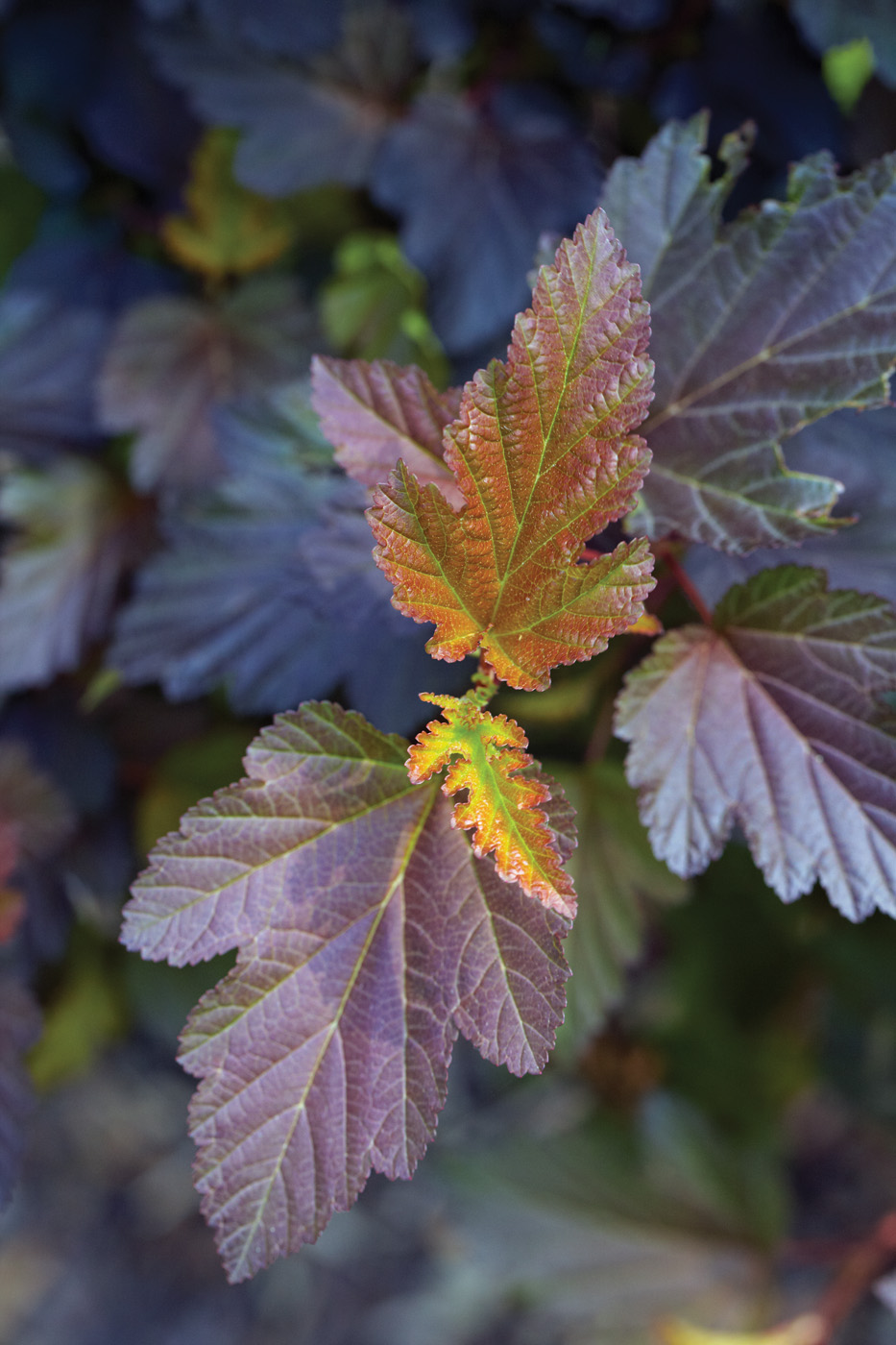
- Is the species genetically capable of dormant-bud activation? Plants like Yews (Taxus spp.) or Ninebark (Physocarpus spp.) thrive on hard pruning, whereas most conifers, once cut back into bare, old wood, will simply refuse to regrow.
Regular Maintenance vs. Corrective Measures
Renewal pruning generally falls into two distinct categories: proactive management and reactive correction.
Renewal as Regular Maintenance
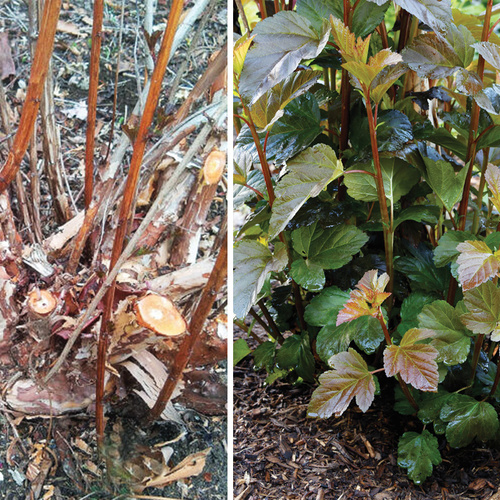
For the small-space gardener, aggressive pruning can be a transformative management strategy. By cutting back vigorous, suckering shrubs every one to three years, you essentially treat the plant as a "reset" for the following season. This is common practice for plants like the Smokebush (Cotinus spp.), which is often cut back to the ground in late winter to encourage the development of massive, intensely colored foliage that would otherwise be lost to the plant’s natural, rangy, and upright growth habit. While this practice sacrifices flowering, the trade-off—a dense, colorful shrub closer to eye level—is often preferred in high-traffic garden beds.
Renewal as a Corrective Measure
Sometimes, a shrub becomes "long in the tooth"—sparse, leggy, and hollowed out at the center. This is particularly common in formal hedges that have been sheared incorrectly for years. A hedge that is sheared with vertical sides often fails to receive adequate sunlight at the base, leading to the dreaded "empty shell" appearance. By applying a corrective renewal method, you can encourage light penetration to the interior, stimulating dormant buds that have been waiting for the right environmental cues.
The Three Pillars of Rejuvenation Techniques
Depending on the severity of the decline, gardeners can utilize three distinct approaches, ranging from the dramatic to the subtle.
1. The Top Chop (The Aggressive Approach)
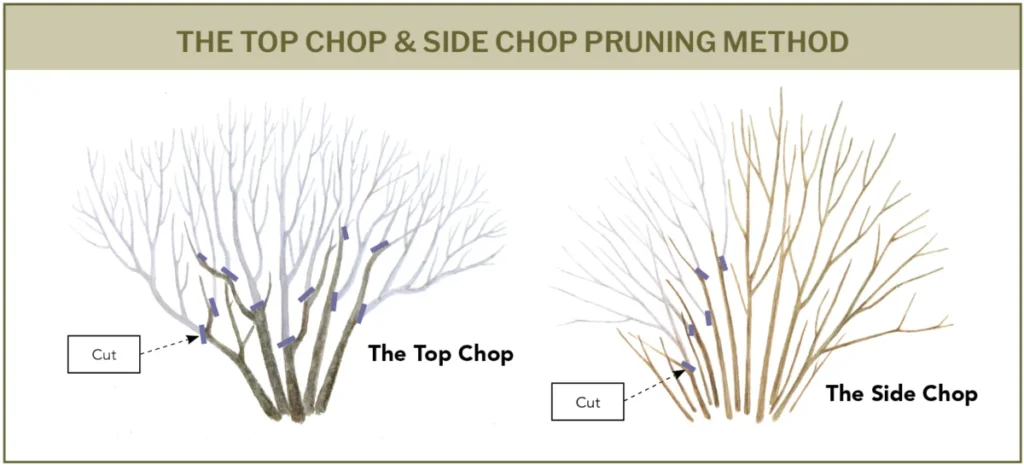
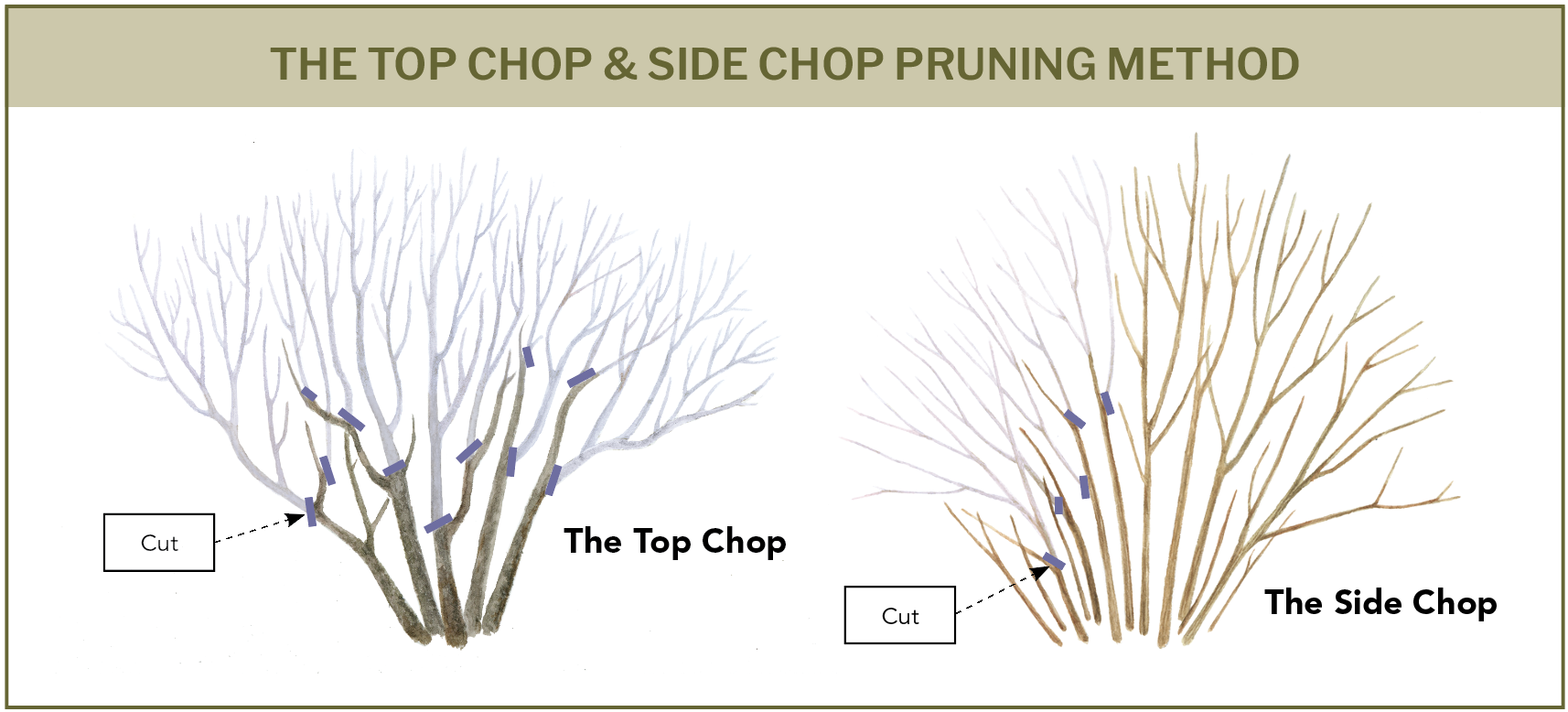
The "Top Chop" is not for the faint of heart. It involves removing a significant portion of the shrub’s upper structure to expose the bare center to direct sunlight. This is a "heart-stopping" maneuver, but for robust, healthy plants, it is highly effective. The sudden influx of light triggers dormant buds along the interior branches, leading to a much fuller, more balanced architecture within two to three growing seasons.
2. The Side Chop (The Controlled Reset)
If the goal is to fix a screen or a prominent specimen without destroying its visual function for a season, the "Side Chop" is the superior choice. Rather than removing the top, you focus on one side of the plant. By removing the outer branches on a single side, you stimulate growth on that flank. A year or two later, you repeat the process on the opposite side. This "staggered" approach ensures the plant maintains enough photosynthetic foliage to fuel its recovery, while allowing the gardener to gradually reshape the plant’s footprint.
3. The Selective Snip (The Gradual Rejuvenation)
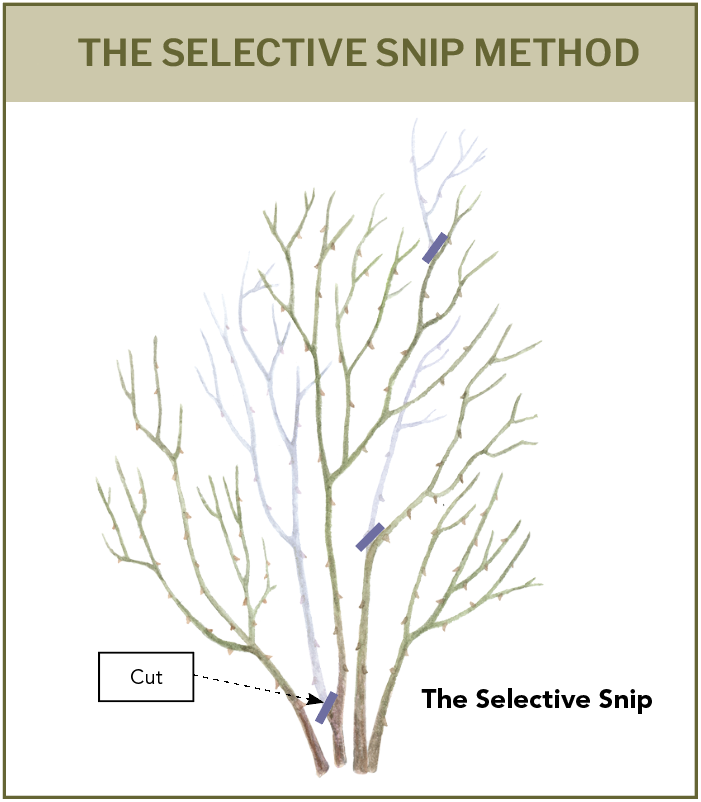
For those who prefer a less traumatic transition, the "Selective Snip" method is ideal. This involves putting away the hedge shears and picking up hand pruners. You systematically remove one-third of the oldest, largest, or most unproductive branches, cutting them all the way back to their point of origin. By "poking holes" in the foliage canopy, you allow light into the center without completely denuding the plant. Over a period of three to four years, you can replace the entire structure of an old, tired shrub with fresh, new growth.
Supporting Data and Species Suitability
The efficacy of these methods varies significantly by genus. Based on field observations and horticultural studies, the following plants demonstrate high tolerance for various renewal strategies:
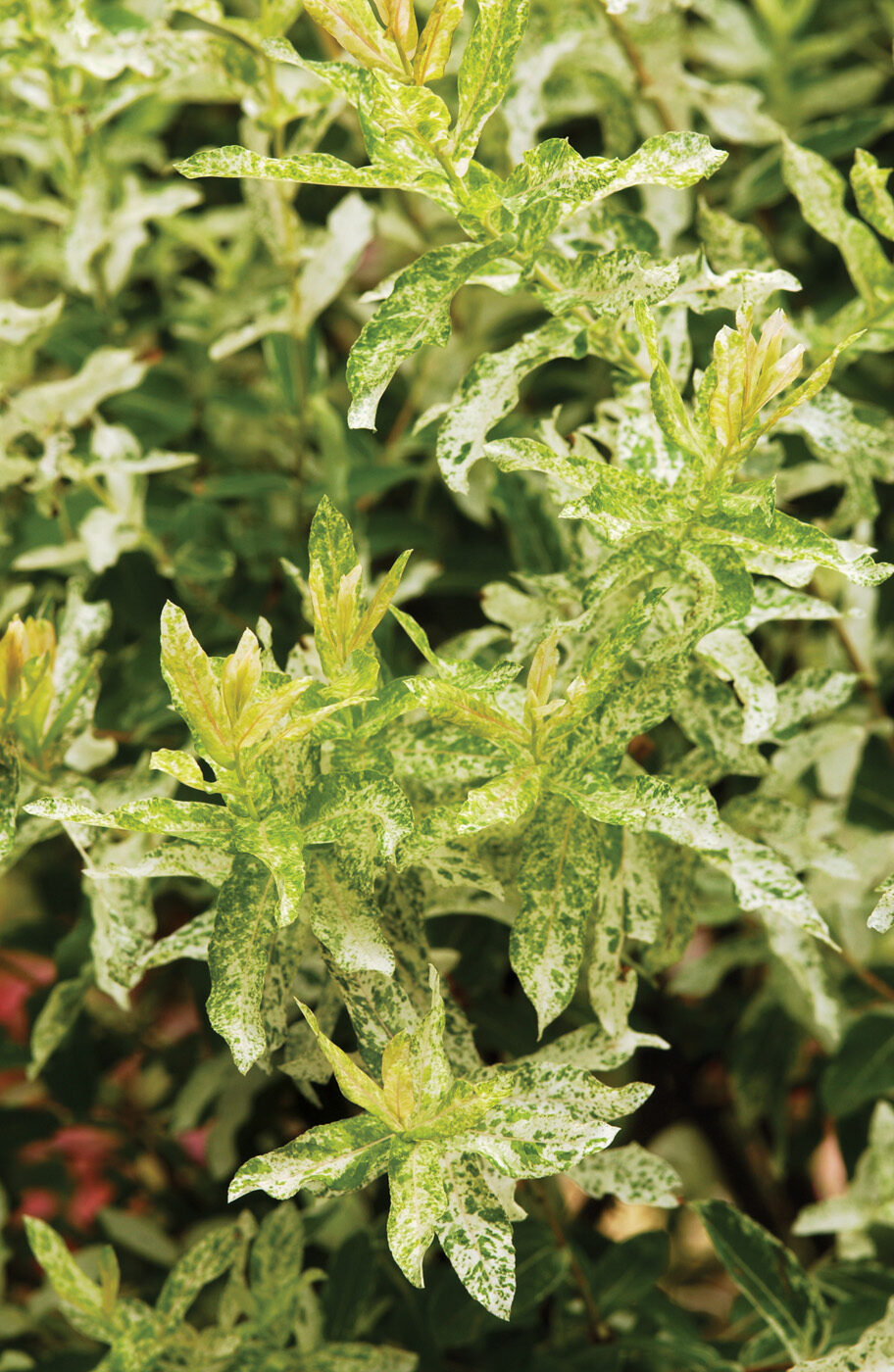
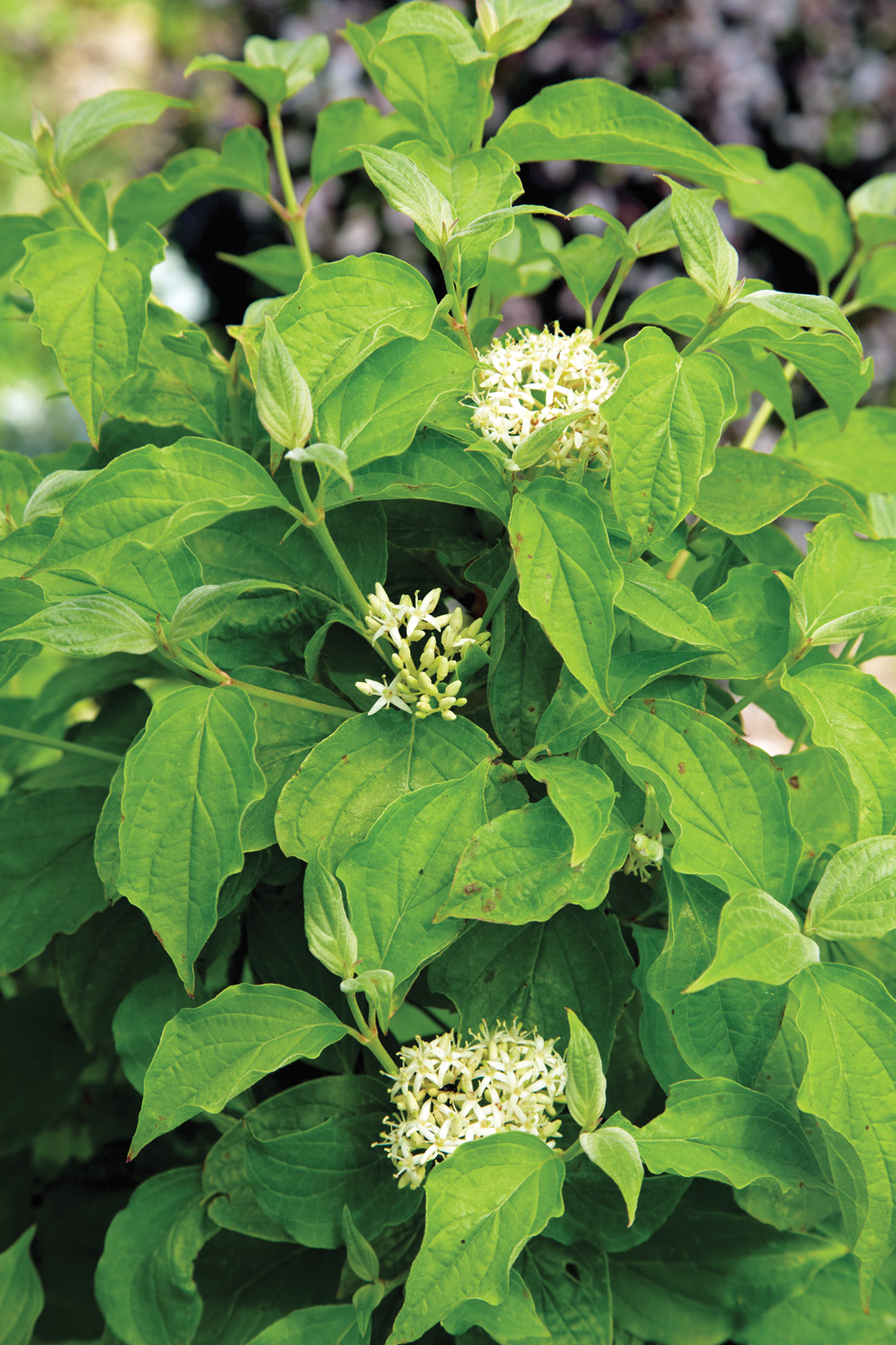
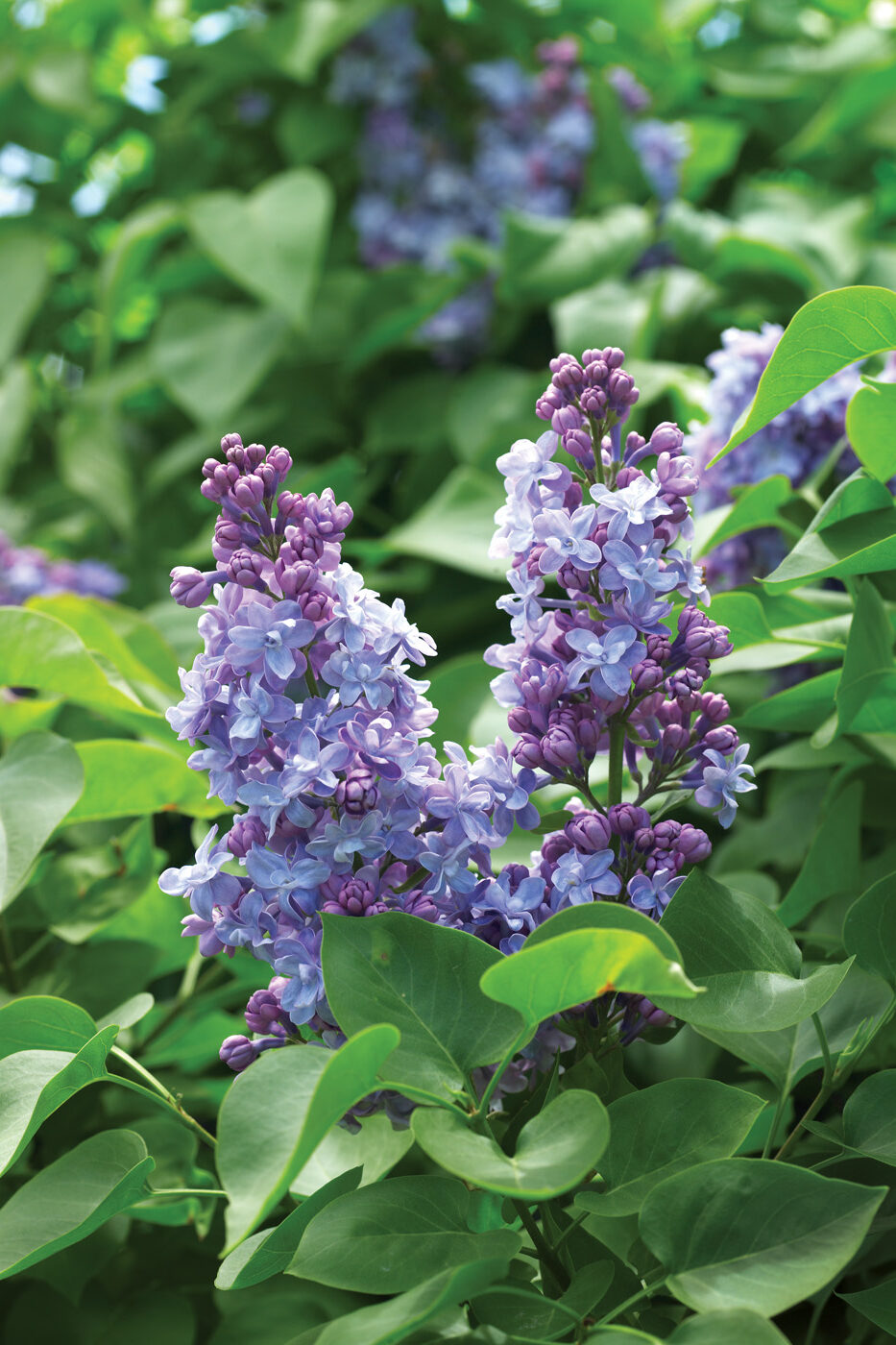
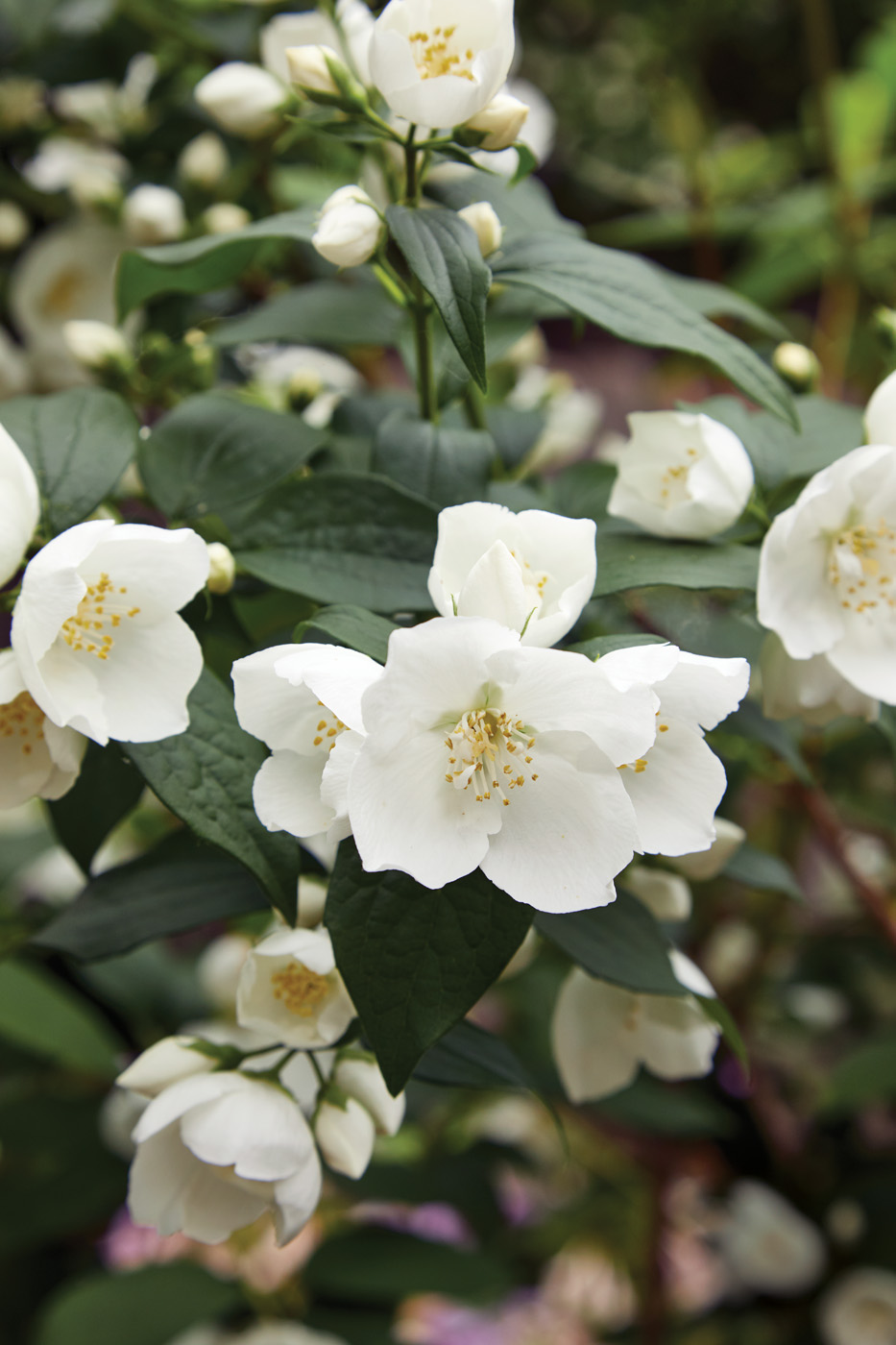
- Vigorous, Suckering Shrubs: Red Osier Dogwood (Cornus sericea), Common Lilac (Syringa vulgaris), and Mock Orange (Philadelphus spp.) are textbook candidates for regular, aggressive renewal.
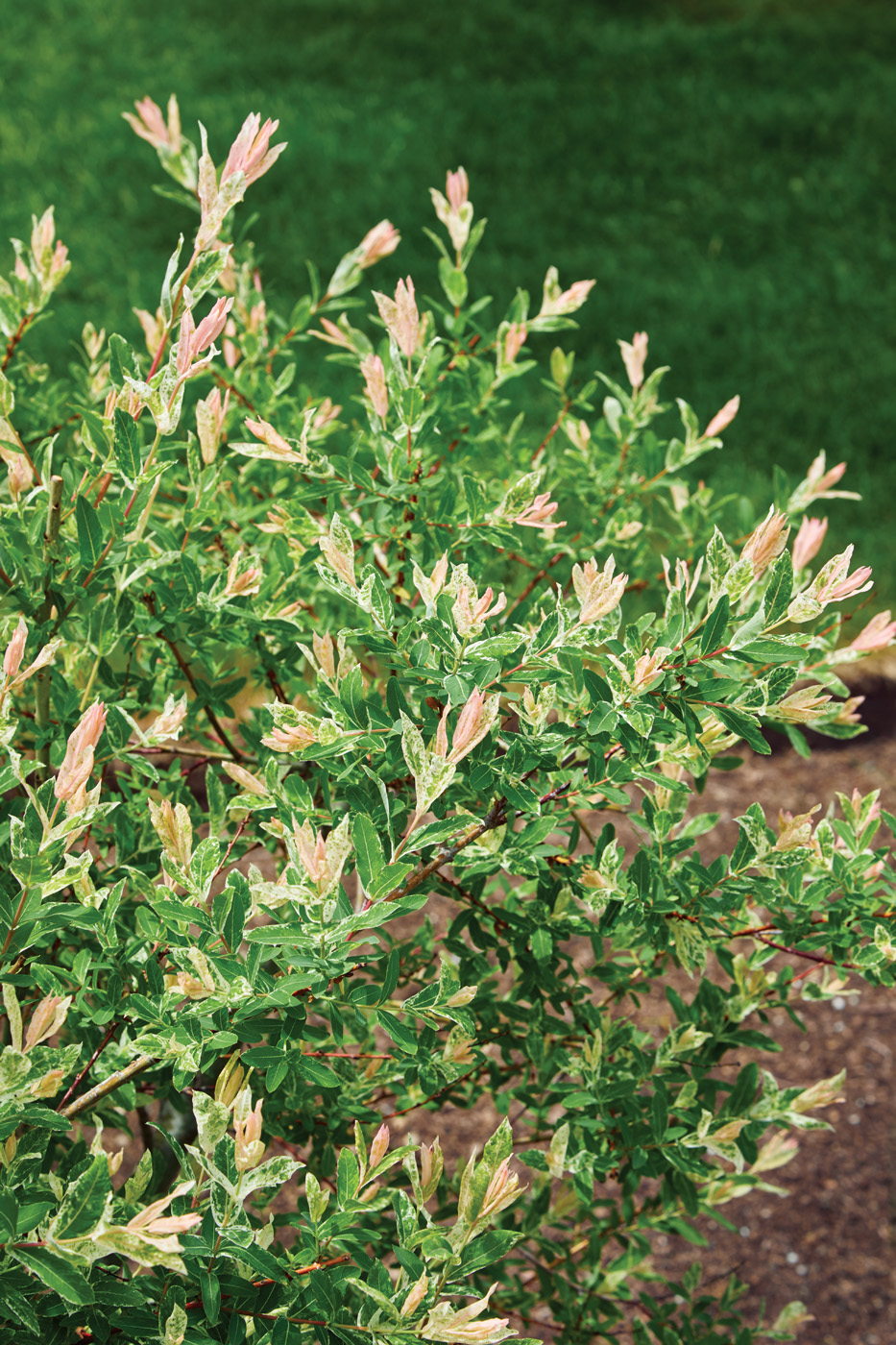
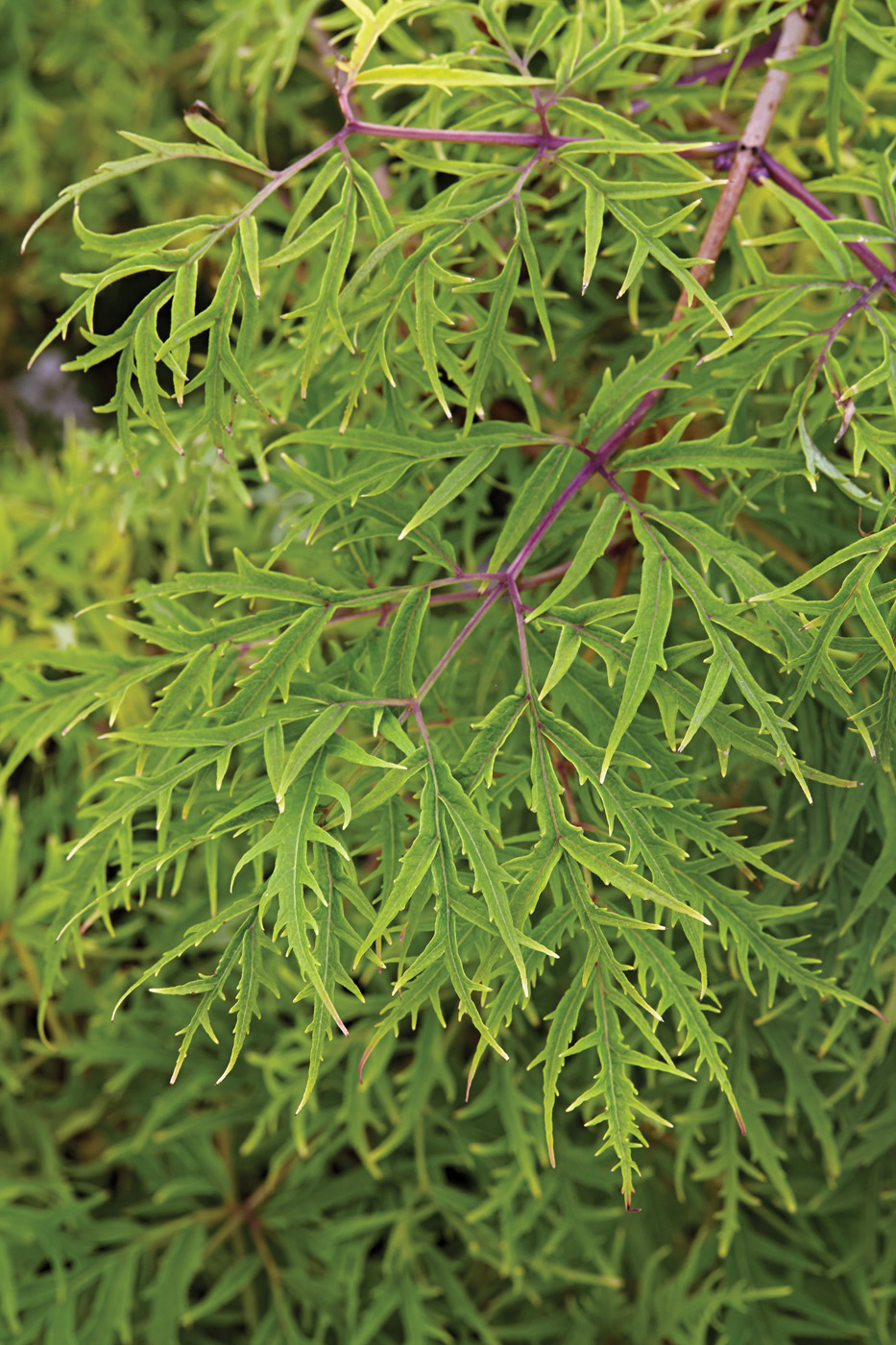
- Form-Dependent Shrubs: Ninebark (Physocarpus), Elderberry (Sambucus), and Willow (Salix spp.) are particularly responsive to the "Top Chop" and "Side Chop" methods due to their inherent structural vigor.
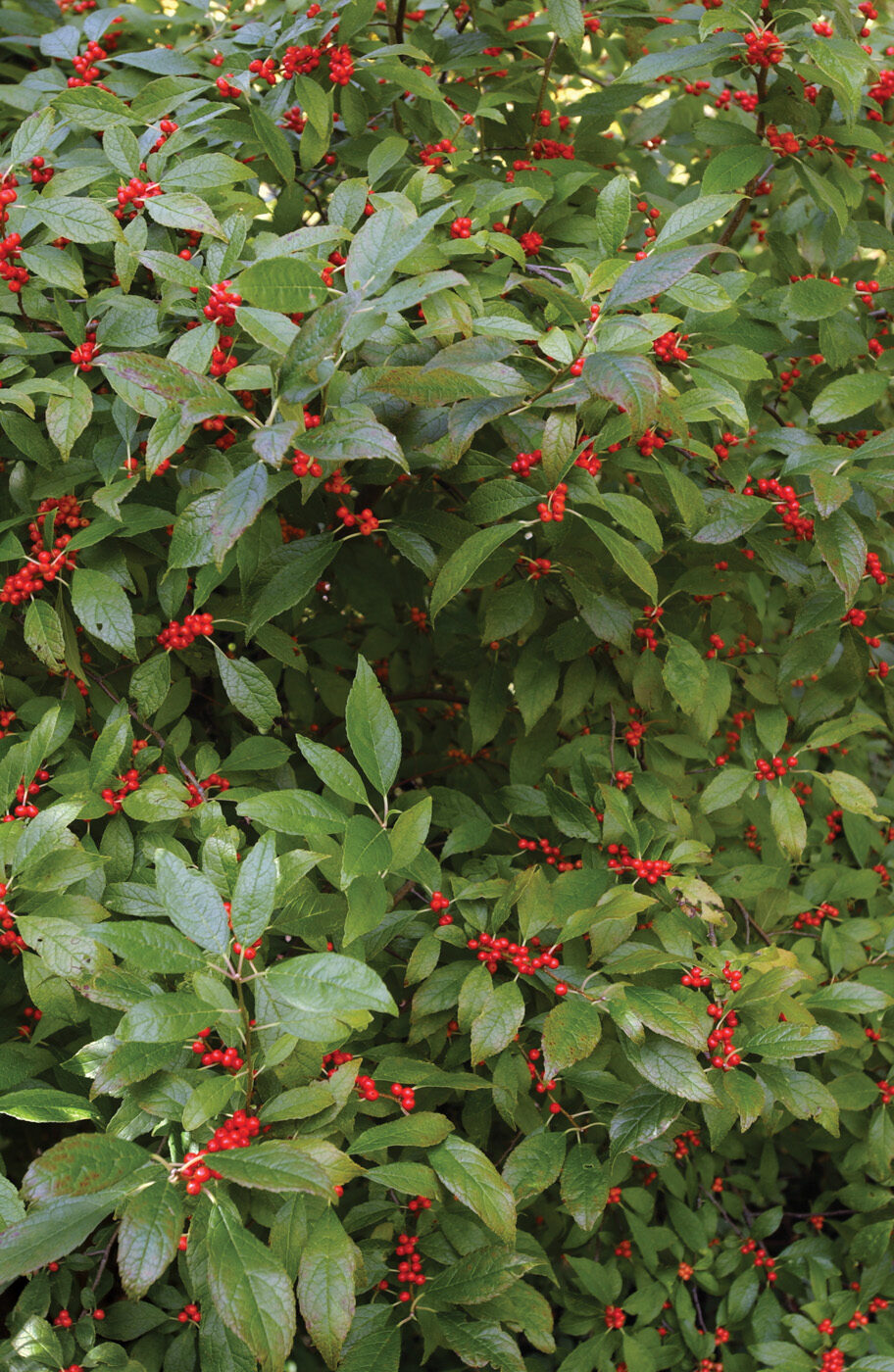
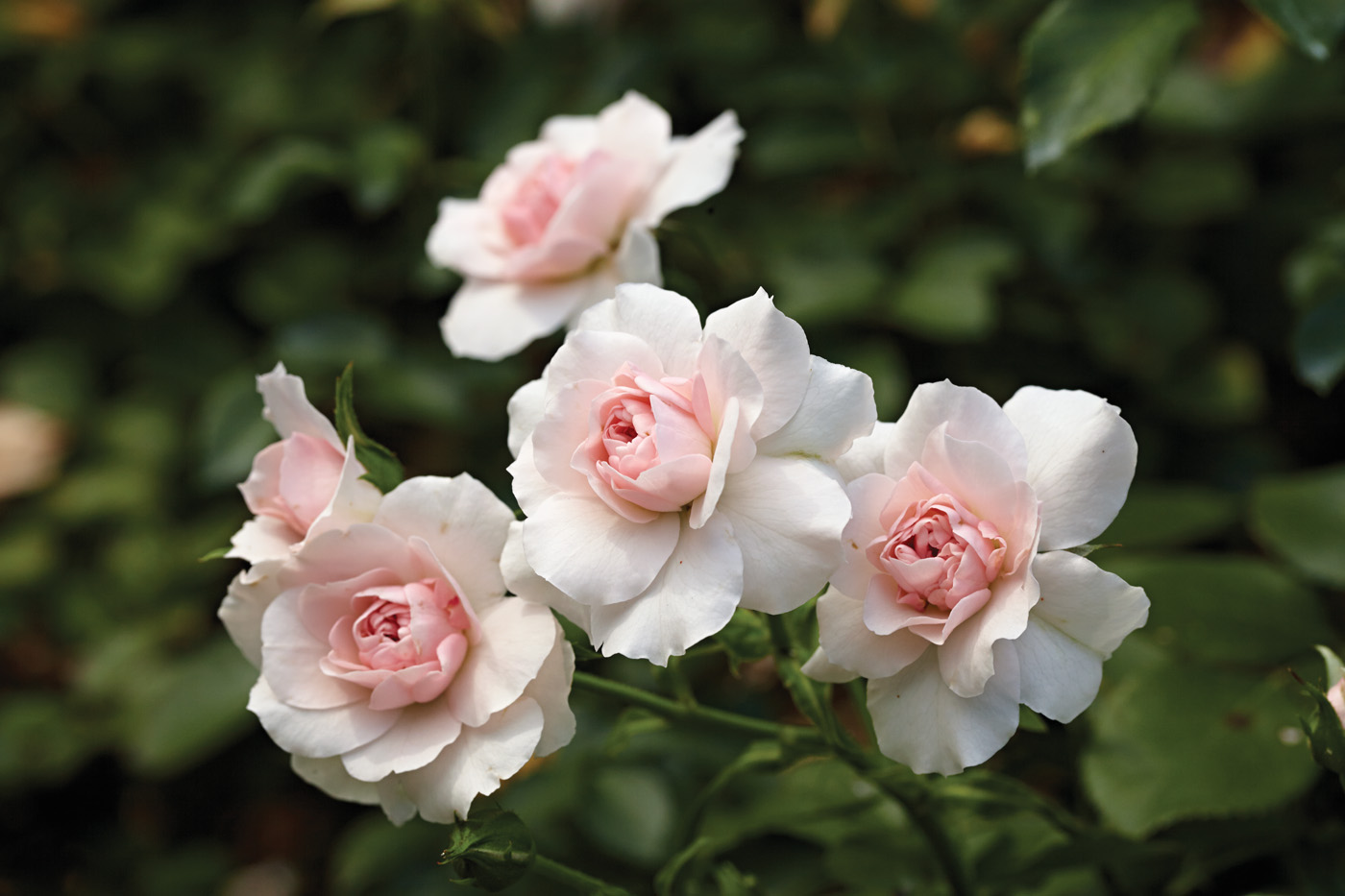
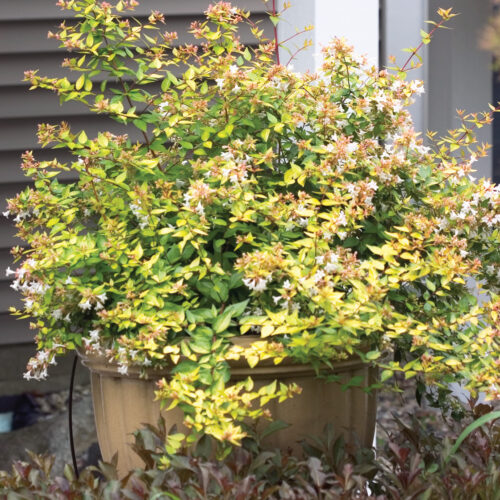
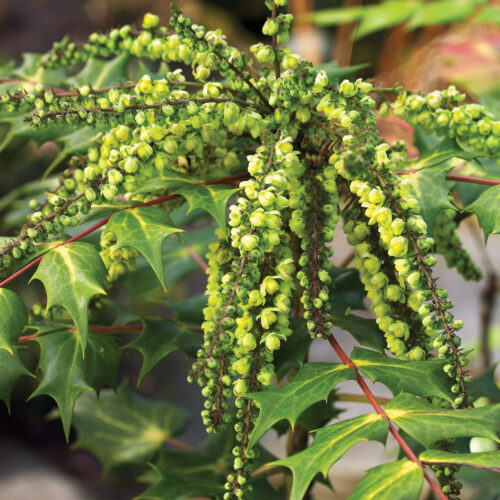
- Gradual Recovery Candidates: Shrub roses, Abelia, Mahonia, and Camellias respond best to the "Selective Snip" method. Because these species often lack the rapid, epicormic sprouting ability of a dogwood, a "total reset" could potentially kill them.
Implications for the Home Garden
The implications of mastering these techniques are profound. A gardener who understands the timing and mechanics of renewal pruning is no longer beholden to the "plant-it-and-forget-it" model of landscape care. You can successfully integrate large-stature plants into smaller garden beds by keeping them in a state of controlled youthfulness.
However, the "off-season" rule remains the most important takeaway. Whether you are performing a dramatic cutback on a lilac or selectively pruning a shrub rose, timing is your most valuable ally. By working when the plant is dormant, you capitalize on the concentrated carbohydrate reserves stored in the root system. This energy is the "fuel" that powers the recovery. If you prune too early in the fall or too late in the spring, you risk stimulating soft growth that may be damaged by frost or by exhausting the plant’s energy reserves before it has a chance to harden off.
Professional Recommendations
As we look toward the future of sustainable landscape maintenance, the tools of the trade are evolving. For those tackling large-scale renewal, battery-operated equipment—such as the Stihl GTA 26 wood cutter—has revolutionized the ease with which one can make precise, clean cuts on woody stems. Similarly, long-reach telescoping pruners, such as those manufactured by ARS, allow for the "Selective Snip" method to be performed on taller shrubs without the need for dangerous ladder work.
Ultimately, the choice to rejuvenate a plant is a commitment to its long-term health. It is an acknowledgment that plants are not static objects, but dynamic living systems that require guidance and care. Before you make that first cut, take a moment to look at the structure, assess the health of the root system, and verify the species’ specific requirements. With the right technique and the proper timing, even the most neglected shrub can be brought back to life, becoming the centerpiece of your garden once again.
Paul Cappiello, Ph.D., is the executive director at Yew Dell Botanical Gardens in Crestwood, Kentucky. For more expert advice on maintaining your landscape, consider subscribing to Fine Gardening Magazine or visiting their educational resources online.