The Vicious Cycle: Unpacking the Profound Impact of Weight Stigma and Discrimination
[Note: This article discusses the critical and often challenging issue of weight bias and discrimination, which may be a sensitive topic for some readers.]
Main Facts: The Hidden Epidemic of Weight Bias
Weight bias and discrimination represent a pervasive and troubling societal issue, often overlooked despite its profound impact on millions globally. Far from being a mere social discomfort, weight stigma actively contributes to a destructive feedback loop, trapping individuals in a "vicious cycle" of stress, unhealthy coping mechanisms, and worsening health outcomes. Emerging research paints a stark picture: experiencing discrimination based on weight significantly increases an individual’s likelihood of becoming obese and drastically reduces their chances of shedding excess weight. Moreover, the insidious effects of weight stigma extend beyond physical health, contributing to mental health challenges, chronic inflammation, and even a shortened lifespan, independent of actual body weight.
This article delves into the mechanisms through which weight stigma operates, examines the scientific evidence debunking the myth that shaming motivates weight loss, scrutinizes the role of healthcare professionals in perpetuating or alleviating this cycle, and ultimately, seeks to illuminate the lived experience of those navigating a world often hostile to their body size.
Chronology: Tracing the Cycle of Stigma and Its Consequences
The journey from experiencing weight bias to its detrimental health consequences is a complex, multi-faceted one, often beginning with subtle societal cues and escalating into overt discrimination.
The Vicious Cycle of Weight Stigma
Stress, Diet, and Discrimination
While dramatic caloric restriction through total fasting has been shown to significantly elevate levels of the stress hormone cortisol, simple dieting alone does not typically induce such a physiological stress response. The real catalyst, however, is the pervasive experience of weight stigma. Discrimination, in its myriad forms, acts as a chronic stressor, triggering a cascade of biological and behavioral responses that contribute to weight gain and hinder weight loss efforts.
A longitudinal study tracking thousands of individuals over four years revealed a disturbing correlation: those who reported experiencing discriminatory behaviors were more than twice as likely to become obese. For individuals already struggling with obesity, the impact was even more pronounced, with discrimination tripling the odds of remaining obese compared to those of similar weight who did not face such bias. This suggests that stigma is not merely a consequence of obesity but a significant contributing factor to its onset and persistence.
This connection can manifest in two primary ways, both deeply rooted in psychological and physiological responses to stress. On one side of the energy balance equation, stress-induced eating often leads individuals to seek comfort in food, particularly high-calorie, processed options, as a coping mechanism for emotional distress, anxiety, and the psychological burden of discrimination. On the other side, stigma can lead to exercise avoidance.
The Double Burden: Physical and Psychological Toll
The impact of weight stigma extends far beyond the realm of diet and exercise. Individuals who frequently encounter weight-based discrimination report a heightened prevalence of depression, a mental health challenge often exacerbated by feelings of shame, isolation, and hopelessness. Beyond the psychological, the body also bears the brunt of this chronic stress. Research indicates that those subjected to more frequent weight discrimination exhibit higher levels of systemic inflammation and oxidative stress – biological markers associated with numerous chronic diseases and accelerated aging. These physiological responses are independent of an individual’s weight, underscoring that the experience of discrimination itself is a direct threat to health.
Perhaps most alarmingly, studies involving nearly 20,000 participants have linked greater daily discrimination to a roughly 50% increase in mortality risk. The conclusion is stark: weight discrimination may, quite literally, shorten life expectancy. This evidence unequivocally challenges any notion that weight stigma could be a benign or even beneficial motivator for health improvement.
The ‘Too Fat to Exercise’ Barrier
The fear of judgment and embarrassment is a potent deterrent to physical activity for many individuals with obesity. This "too fat to exercise" fear is not unfounded; it is a deeply ingrained response to documented biases within fitness communities. Studies have revealed strong anti-fat biases among both fitness professionals and regular gym-goers, creating an unwelcoming and often hostile environment in health clubs and fitness centers. This hostile atmosphere translates into real barriers, discouraging individuals from engaging in vital physical activity, further entrenching the cycle of weight gain and contributing to social isolation.
Supporting Data: The Peril of Public Shaming Campaigns
Despite overwhelming evidence highlighting the harm caused by weight stigma, some prominent voices have controversially advocated for its strategic use as a public health tool.

Failed Strategies: The Peril of Public Shaming Campaigns
The "Stigmatization Lite" Argument
A notable proponent of this controversial approach was the President Emeritus of the prestigious Hastings Center, who famously argued for a "stigmatization lite" – a nuanced application of social pressure intended to encourage weight loss without resorting to "outright discrimination." His rationale posited that social pressures could serve as a powerful counterforce to the billions spent annually by the food and beverage industries on persuasive advertising. Drawing parallels to the anti-tobacco movement, he recalled his personal battle with addiction, stating, "The force of being shamed and beat upon socially was as persuasive for me to stop smoking as the threats to my health." He suggested that public health campaigns could similarly transform what was once considered a "bad habit" (smoking) into "reprehensible behavior," implying a similar approach could be effective for obesity.
Lessons from Tobacco: A Misguided Analogy?
The analogy between smoking and obesity, however, is fundamentally flawed. Smoking is a singular, volitional behavior. While quitting is challenging, the choice to smoke or not smoke is largely within an individual’s control. Obesity, in contrast, is a complex condition influenced by a myriad of factors including genetics, metabolism, socio-economic status, environmental exposures, and psychological well-being. It is not simply a "bad habit" to be shamed out of. Stigmatizing a behavior like smoking is vastly different from stigmatizing a body size or a medical condition, which can be deeply dehumanizing and counterproductive.
Case Study: Georgia’s "Strong4Life" Campaign
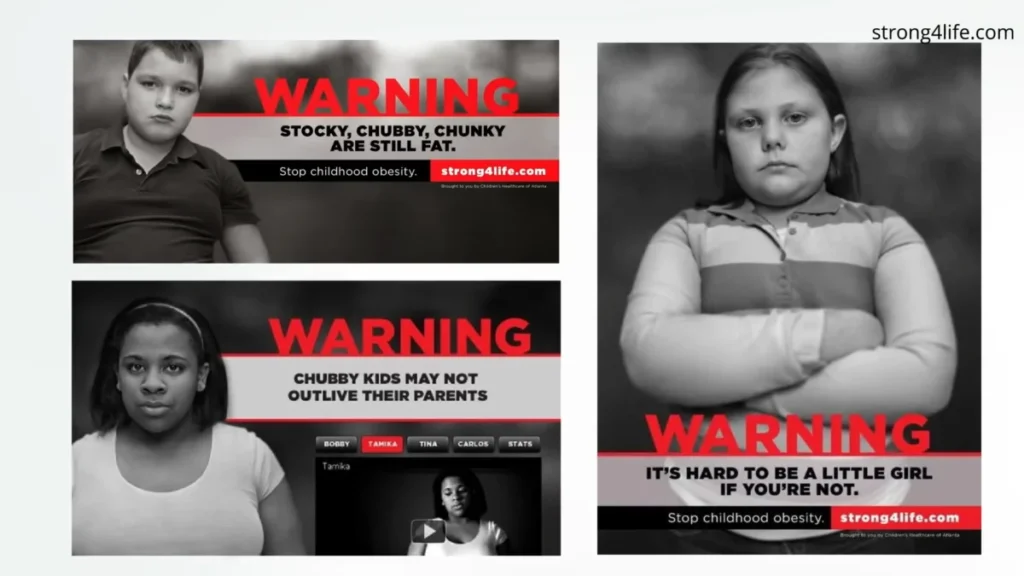
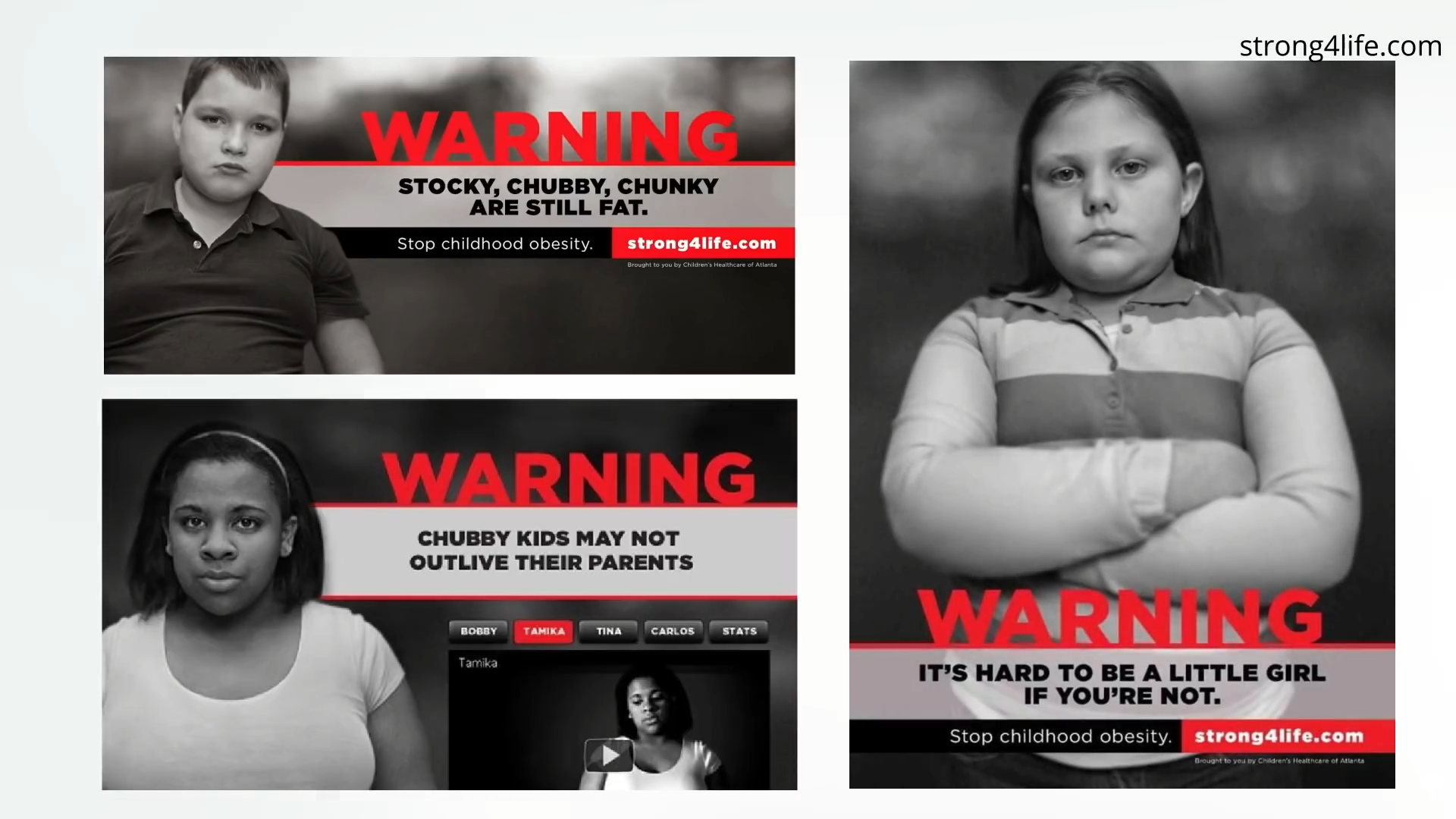
When such shaming campaigns have been attempted, they have consistently been met with fierce resistance and criticism, often proving to be ethically questionable and ineffective. A prominent example is Georgia’s "Strong4Life" campaign, which garnered national attention for its billboards featuring morose-looking obese children accompanied by captions such as "Warning: Chubby kids may not outlive their parents" or "It’s hard to be a little girl if you’re not." These ads, visually striking and emotionally charged, were defended by their sponsors as a necessary "breakthrough" against denial in a state grappling with alarmingly high childhood obesity rates.
Counterproductive Outcomes: The Scientific Evidence
However, the efficacy of such aggressive tactics hinges entirely on whether they achieve their stated goal. Scientific evidence strongly suggests they do not. Yale researchers conducted a revealing study where normal-weight and overweight women watched either neutral material (like insurance commercials) or stigmatizing clips depicting clumsy, lazy, or loud stereotypes being teased about their weight. Following the videos, participants were offered snacks like M&M’s, jelly beans, and chips.
The results were unequivocal: normal-weight women consumed roughly the same amount of snacks regardless of the video content. Overweight women, however, tripled their calorie intake after watching the stigmatizing scenes. This direct empirical challenge to the "tough love" approach led the researchers to conclude that "pressure to lose weight in the form of weight stigma will have a positive, motivating effect on overweight individuals" is a fallacy. In fact, it "could make matters worse." Further research supports this, showing that being labeled "too fat" during childhood significantly increases the risk of becoming obese later in life, compared to children of the same weight who were never given that label.
Official Responses: The Healthcare Paradox
The medical community faces a delicate balance: addressing the health risks associated with obesity while avoiding the pitfalls of stigmatization. However, the reality reveals a paradox where essential communication is often lacking.
The Role of Healthcare Professionals
The Communication Gap: Reluctance to Address Weight
Just as veterinarians have been observed to be hesitant in informing pet owners about their animals’ obesity, a significant communication gap exists within human healthcare. Fewer than a quarter of parents of overweight children report ever being told about their child’s weight status by pediatricians. While one might assume parental awareness would be high, Gallup surveys have highlighted that parents are "notoriously poor judges of their children’s weight." Similarly, despite soaring obesity rates across the population, the percentage of adults who identify themselves as overweight has remained largely stagnant over decades. Gallup famously concluded that this creates "a picture of mass delusion in the United States about its rising weight."
Patient’s Right to Know vs. Physician’s Hesitation
This reluctance to discuss weight, while sometimes well-intentioned to avoid offense, denies patients crucial information. Patients have a fundamental right to be informed about their health status, including their weight. Studies demonstrate the power of this communication: individuals informed by their doctor that they are overweight are approximately four times more likely to attempt weight loss and about twice as likely to succeed. This underscores the critical role healthcare providers play not in shaming, but in empowering patients with accurate information and support.
The Physician’s Own Bias
Adding another layer of complexity, physician bias also plays a role. Analogous to how smoking physicians are less likely to challenge their smoking patients, overweight physicians are observed to be less inclined to initiate conversations about weight loss or even to formally document obesity in patient charts. Ironically, despite this, overweight patients often report greater trust in diet advice received from overweight doctors than from those of normal weight. This highlights the complex interplay of perceived empathy, shared experience, and professional responsibility.
The Need for Effective, Empathetic Guidance
The challenge for primary care physicians, however, lies in providing specific, actionable advice. Fewer than half of surveyed physicians reported offering concrete guidance beyond vague suggestions like "watch what they eat," which is largely unhelpful. Many physicians express a willingness to dedicate more time to weight management if their efforts were "reimbursed appropriately," pointing to systemic issues in healthcare funding.
Ultimately, the consensus among experts is clear: "If shaming reduced obesity, there would be no fat people." The solution lies not in blame, but in comprehensive, empathetic, and evidence-based strategies that empower patients and support their health journey without resorting to harmful stigma. Offering incentives for physicians to engage in non-judgmental, constructive weight management discussions, rather than perpetuating victim-blaming, could be a step in the right direction.
Implications: The Unseen Burden of Living with Obesity
To truly grasp the profound implications of weight stigma and the deep-seated suffering it inflicts, one must attempt to understand the lived experience of those in larger bodies. A groundbreaking study offers a chilling insight that ought to foster profound empathy within the medical community and society at large.
The Unseen Burden: A Glimpse into Living with Obesity
The Unimaginable Choice: Wealth vs. Normal Weight
Researchers interviewed 47 men and women who had achieved significant weight loss, shedding an average of 126 pounds and maintaining it. These individuals possessed unique insights, having personally navigated the challenges of morbid obesity before experiencing life at a normal weight. They were posed a striking hypothetical: "If someone offered you a couple of million dollars if you stayed morbidly obese forever, would you have chosen the money? Or would you have chosen to be normal weight no matter what?"
The options presented were:
- "I would have chosen no money and being normal weight. It would have taken me one second to decide."
- "I probably would have chosen being normal weight. But the possibility of having that much money would make me think about the choice."
- "I wanted to be normal weight, but I could really use the money. If I could be a multimillionaire, I think I could live with being morbidly obese."
The results were astonishing. Out of 47 participants, 46 unequivocally chose option 1, stating they would forgo millions of dollars for the chance to be normal weight, making the decision instantly. Only one individual paused to consider the financial incentive, but ultimately, no one chose option 3. Every single participant would rather be of normal weight than be a multimillionaire and remain morbidly obese. This speaks volumes about the immense burden and pervasive suffering associated with living in an obese body in today’s society.
Obesity Compared to Other Disabilities: A Stark Revelation
If that finding was surprising, the subsequent inquiry was even more jaw-dropping. Typically, when individuals are asked to choose between living with their current disability or switching to a different one, there is a strong preference for their existing condition. This "safety in familiarity" principle means people generally prefer the known challenges of their own disability over the uncertainty of another. For example, while many sighted individuals might prefer to be deaf than blind, blind individuals overwhelmingly choose to remain blind, having adapted to their reality.
However, the exact opposite occurred when these 47 formerly obese individuals were asked to compare obesity to other severe disabilities. Every single one of them stated they would rather be deaf, dyslexic, diabetic, or suffer from very bad acne or heart disease for the rest of their lives than return to being obese. A staggering more than 90% would prefer to have a leg amputated, and similarly, approximately 9 out of 10 would choose legal blindness over obesity.
Obesity appears to be a unique form of handicap where nearly everyone who has experienced it wishes to switch, regardless of the severity of the alternative. This is a profound testament to the unparalleled psychological and social torment inflicted by weight stigma.
The Cry for Empathy
The reason for this striking preference is perhaps best encapsulated by a poignant quote from one participant in the study: "When you’re blind, people want to help you. No one wants to help you when you’re fat." This powerful statement lays bare the fundamental issue at the heart of weight stigma: a pervasive lack of empathy and understanding. Unlike other visible disabilities that often elicit compassion and support, obesity frequently triggers judgment, blame, and social isolation, leaving individuals feeling unsupported and profoundly alone in their struggles.
This series of findings should serve as a wake-up call, urging a radical shift in how society, and especially the medical community, perceives and addresses obesity. It is not merely a physical condition but a complex intersection of biology, environment, and social experience, made infinitely more challenging by an unrelenting tide of stigma.
Conclusion: A Call for Compassion and Change
The evidence is clear and compelling: weight stigma is not only ineffective as a motivational tool but actively harmful, creating a vicious cycle that undermines health, well-being, and longevity. The "stigmatization lite" approach, inspired by anti-tobacco campaigns, fundamentally misunderstands the complexities of obesity and has been shown to be counterproductive, driving individuals towards unhealthy coping mechanisms rather than sustainable change.
Healthcare professionals, while crucial in providing guidance, must overcome their own biases and systemic barriers to engage in empathetic, effective communication. Patients deserve to be informed about their health status in a supportive environment, not one that perpetuates shame.
Most critically, the profound personal testimonies from those who have lived with obesity illuminate an unseen burden of suffering that dwarfs even the prospect of immense wealth or severe physical disabilities. The overwhelming preference for blindness or amputation over obesity speaks to a societal failure to provide empathy and support for individuals in larger bodies.
It is time to dismantle the harmful narrative of blame and judgment surrounding weight. Moving forward requires a collective shift towards compassion, understanding, and evidence-based interventions that address the root causes of obesity without resorting to dehumanizing stigma. Only then can we hope to break the vicious cycle and foster a healthier, more equitable future for all.