The Cost of Expectations: Inside the $250 Million Apple Intelligence Settlement
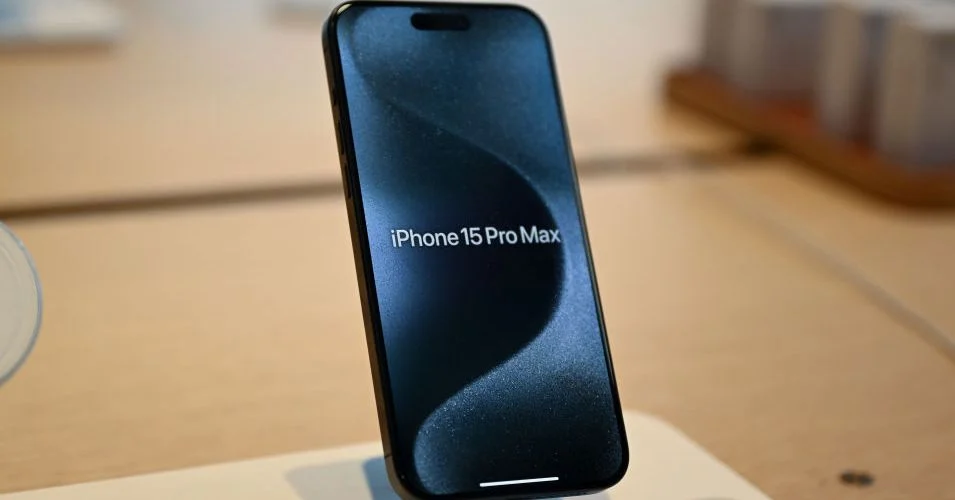
In the high-stakes world of consumer electronics, marketing is often the thin line between a product launch and a cultural phenomenon. However, for Apple, that line recently blurred into legal territory. Following a class-action lawsuit that accused the tech giant of inflating the capabilities of its "Apple Intelligence" suite—specifically the long-delayed overhaul of its Siri voice assistant—Apple agreed to a $250 million settlement in May. While the revamped AI features have finally arrived for users via the iOS 27 update, the settlement serves as a significant reminder that for the world’s most valuable company, empty promises come with a heavy price tag.
For millions of iPhone 15 and 16 owners, this settlement offers a rare opportunity for financial recourse. With claims now open for eligible users, the tech community is closely watching how this payout will affect consumer trust and the future of AI marketing in mobile devices.
The Chronology of a Failed Promise
The controversy stems from the aggressive marketing campaigns that accompanied the launch of the iPhone 15 and 16 series. As Apple sought to capitalize on the generative AI boom, it heavily promoted "Apple Intelligence"—a transformative suite of features designed to make Siri an intuitive, proactive personal assistant.
The Marketing Blitz
Throughout 2024, Apple’s advertisements positioned the iPhone 15 and 16 as the first "AI-native" smartphones. Consumers were led to believe that the integration of advanced machine learning models would be available at launch or shortly thereafter. This promise was a primary driver for many who upgraded their devices, expecting a radical shift in how they interacted with their phones.
The Delay and Public Outcry
As the months passed following the release of these handsets, the promised Siri overhaul remained conspicuously absent. Users found themselves holding expensive, top-tier hardware that lacked the marquee software features they had paid for. The frustration grew as Apple remained vague about specific release timelines, leading to a wave of online backlash and, eventually, the class-action litigation that forced the company’s hand.
The Resolution
By May, the litigation had gained enough momentum to reach a settlement. Apple, while denying any formal admission of wrongdoing, agreed to pay $250 million to resolve claims that it had misled consumers regarding the timeline and functionality of its AI features.
Supporting Data: Who Is Eligible and How to Claim
The settlement is not a universal payout for all Apple users; it is strictly limited to a specific demographic of consumers who purchased their devices during the window where the marketing was at its peak.
Eligibility Criteria
To qualify for a portion of the $250 million settlement, you must meet the following criteria:
- Location: You must be a resident of the United States.
- Purchase Window: You must have purchased your device between June 10, 2024, and March 29, 2025.
- Device Models: The settlement specifically covers certain iPhone 15 and iPhone 16 models purchased directly from Apple or authorized retailers.
If you qualify, you may receive up to $95 per device. While $95 might seem modest compared to the premium price of an iPhone, it is a significant acknowledgment of the "diminished value" experienced by early adopters who were essentially beta-testing hardware for features that didn’t exist.
Filing Your Claim
The process has been streamlined through the dedicated portal: smartphoneaisettlement.com.
- Preparation: Before heading to the site, locate your iPhone’s serial number. You can find this by navigating to Settings > General > About.
- The Process: Click the "File A Claim" button. You do not need a Claim ID or PIN to begin. You will be asked to affirm that you expected specific Siri functionality that was not delivered at the time of purchase.
- Payment Methods: Claimants can opt for digital payments via PayPal, Venmo, or direct bank transfer, or request a traditional paper check.
- Multi-Device Claims: If you own multiple eligible devices, you must complete the filing process separately for each phone.
Deadline: All claims must be submitted no later than December 21. Failure to meet this deadline will result in a forfeiture of your share of the settlement.
Official Responses and the Corporate Stance
Apple’s official stance has remained consistent: a firm denial of any intentional deception. In a statement released in May, the company characterized the settlement not as an admission of fault, but as a strategic business decision.
"We resolved this matter to stay focused on doing what we do best: delivering the most innovative products and services to our users," the statement read.
Legal analysts suggest that for a company with Apple’s cash reserves, $250 million is a manageable cost to clear the legal docket and move forward. By settling, Apple avoids the uncertainty of a jury trial, the discovery process that would have forced them to turn over internal communications about the Siri development timeline, and the reputational damage that a high-profile court defeat would entail.
Conversely, the plaintiffs’ counsel argued that the settlement is a "necessary correction" in a market where tech companies have become increasingly comfortable with "vaporware" marketing—advertising features that are currently in development as if they are ready for prime time.
The Broader Implications: AI, Marketing, and Consumer Trust
The Apple Intelligence settlement is a bellwether for the broader tech industry. As every major player—from Google and Samsung to Microsoft—races to integrate AI into every facet of the user experience, the pressure to make bold claims has never been higher.
The "Feature-First" Marketing Trap
The fundamental issue at the heart of this case is the shift from hardware-centric marketing to software-centric promises. In the past, when you bought an iPhone, you were buying a camera, a screen, and a processor. Today, you are buying a promise of future utility. When that utility is delayed, the product’s value proposition effectively collapses.
The Regulatory Landscape
This case may prompt regulators, such as the FTC, to look more closely at how AI features are marketed. If a company advertises a "smarter" phone, what is the legal threshold for that intelligence? The Apple settlement establishes a precedent: if you sell a phone based on the promise of an AI feature, that feature must be functional, or you may be liable for the resulting dissatisfaction.
The Impact on Consumer Loyalty
Apple has long enjoyed perhaps the highest brand loyalty in the consumer electronics sector. However, this settlement suggests that even the most loyal "Apple cultists" have limits. By charging premium prices for "AI-ready" hardware, Apple invited a level of scrutiny that they were perhaps not prepared to handle. If the company fails to deliver on future promises, they risk eroding the very foundation of their brand: trust.
Moving Forward
With the rollout of iOS 27, the Siri overhaul is finally here. For many, it functions as advertised, offering a more conversational and context-aware experience. Yet, the bitterness of the initial delay remains for many early adopters.
The $250 million payout is a milestone, but the true cost to Apple may be the heightened expectation of the public. Consumers are now more informed and more willing to hold tech giants accountable. The next time a major tech company unveils a "revolutionary" AI tool, they will be doing so under the shadow of this settlement. Marketing teams will have to be more precise, product managers will have to be more transparent, and the industry as a whole will have to reconcile the gap between "coming soon" and "ready today."
For those who felt burned by the initial launch of the iPhone 15 and 16, the opportunity to claim a refund is more than just a financial transaction—it is a signal that the era of blind trust in tech marketing is coming to an end. Whether this leads to more honest advertising or simply more nuanced legal disclaimers remains to be seen. In the meantime, the portal remains open, and the deadline of December 21 looms as a final checkpoint for a chapter of tech history that was, by all accounts, a significant misstep for the Cupertino giant.