The Evolution of Travel: How Away’s Series 3 Defines the Post-Tech Luggage Era
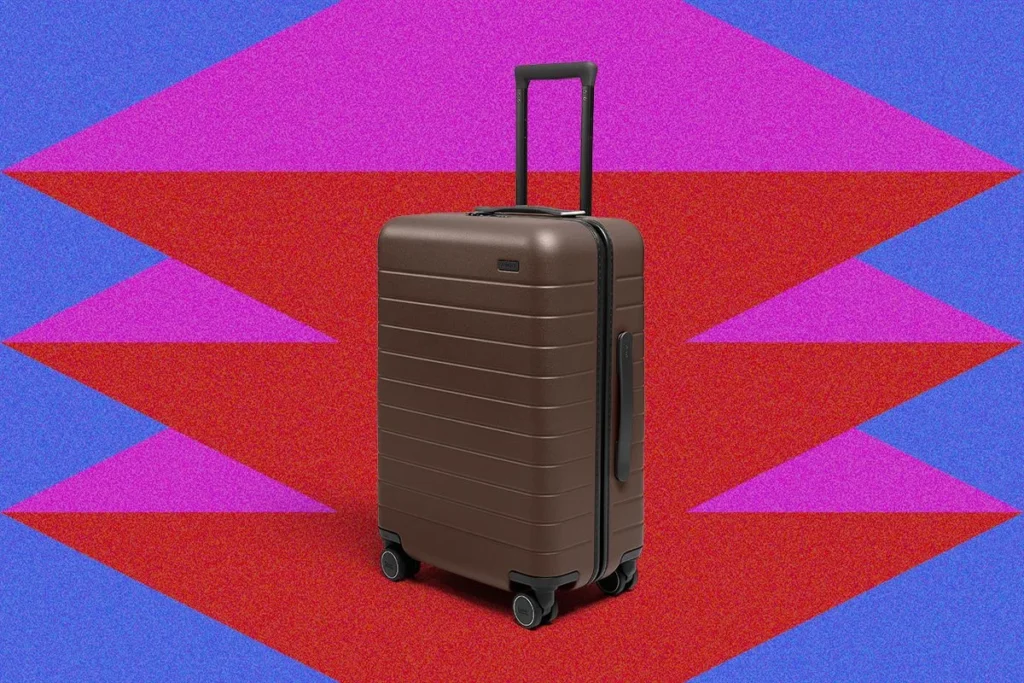
When Away burst onto the scene in 2016, it didn’t just sell suitcases; it sold a vision of the modern, connected traveler. Its signature polycarbonate carry-on, defined by its sleek aesthetics and, most famously, an ejectable power bank, became a cultural touchstone. It was the "smart luggage" pioneer that effectively launched a new product category. Yet, nearly a decade later, the brand is making a bold, calculated pivot. With the launch of the Series 3—its third-generation luggage lineup—Away is signaling that the era of gadgets-in-bags is over, and the era of "invisible tech" has arrived.
Main Facts: The Series 3 Unveiled
The Series 3 represents the most significant refinement of Away’s flagship product to date. While the iconic, minimalist polycarbonate shell remains largely unchanged—a testament to the enduring success of the original design—the interior and mechanics have undergone a top-to-bottom overhaul.
Most notably, the integrated battery, which once defined the brand, is officially a relic of the past. In its place, the Series 3 focuses on mechanical improvements that address long-standing traveler frustrations: wheel performance, handle ergonomics, and structural durability. The new collection, which includes the "Classic" and "Flex" (expandable) lines, is accompanied by a redesigned "Signature Bags" collection, focusing on nylon travel bags that emphasize modularity and accessibility.

A Chronological Journey: From Tech-Forward to User-Centric
To understand the significance of the Series 3, one must look at the trajectory of the brand since its 2016 inception.
- 2016: The original Carry-On debuts. It gains instant viral status due to its direct-to-consumer model, social media-savvy marketing, and the inclusion of an ejectable USB battery pack, which solved the universal "dead phone" anxiety at airport gates.
- 2017–2019: The "smart luggage" category explodes. Competitors scramble to replicate the battery-integrated design. However, as aviation authorities tighten regulations regarding lithium-ion batteries in checked baggage, the industry faces a pivot point.
- 2023: Away quietly phases out the battery-integrated models across its primary lineup, acknowledging that power banks have become ubiquitous and portable enough that they no longer require a dedicated slot in a suitcase.
- 2025/2026: The Series 3 launches. This iteration marks a shift toward traditional, high-end engineering, focusing on what the company calls "invisible tech"—innovations that improve the travel experience without requiring a charging cable.
The Engineering of "Invisible Tech"
Sarah Amidi, Away’s senior vice president of brand, explains that the company spent years listening to customer feedback to identify where "friction" still existed in the travel process. Their research led them away from gimmicks and toward the mechanical bones of the luggage.
Reinventing the Wheel: The WhisperGlide 360
One of the most persistent complaints in the luggage industry involves wheel failure or noise. Away’s solution is the new "WhisperGlide 360" system. By increasing the number of ball bearings and refining the threading, the wheels offer a smoother, near-silent rolling experience. While it may seem like a minor detail, the silence is a deliberate design choice—a response to the "sneak out" factor, where travelers want to navigate transit hubs or quiet residential streets without the clattering of traditional plastic wheels.

The StopLock Brakes System
Borrowing technology from their TopSide line, the Series 3 incorporates an intuitive, switch-activated wheel-locking system. A discreet switch in the trolley handle cavity allows users to lock the wheels instantly. This is a game-changer for commuters on trains or travelers standing on inclines, preventing the "runaway suitcase" phenomenon that plagues airport terminals.
The Infinite Height Trolley
The new telescoping handle offers five times the stopping positions of its predecessor. This isn’t just about height; it’s about personalization. By providing a broader range of locked positions, the bag becomes more comfortable for travelers of varying statures. Furthermore, the handle now includes integrated hooks capable of holding up to 11 pounds—though stress-tested to 40 pounds—allowing travelers to carry a tote, jacket, or meal with one hand.
Supporting Data and Design Philosophy
Away’s development process was so rigorous that the launch of the Series 3 was actually delayed. According to internal reports, the design team refused to move forward until the new components met their exacting standards for longevity.

"We asked, what features solve friction and earn their place?" Amidi says. "We didn’t want to add things just to add things that take away from capacity or add weight, and we couldn’t make polycarbonate any better."
The interior has also been overhauled. The compression system, a hallmark of the Away brand, remains, but the interior covers have been redesigned to open outward. This simple shift provides greater interior volume and significantly easier access to belongings. Additionally, the interior now features a dedicated, secure pouch for Bluetooth trackers—a nod to the fact that modern travelers are now using Airtags and similar devices to monitor their luggage remotely.
The Signature Bags Collection
Alongside the hard-shell luggage, the new "Signature Bags" collection—consisting of totes, weekender bags, backpacks, and duffels—serves as the soft-goods counterpart to the Series 3. The design goal here was to create a more tactile, lighter, and more durable experience.

The hardware, particularly the zippers, has been upgraded to a reverse-coil design for the laptop compartments, which offers superior protection against the elements and theft. The laptop compartment has been moved to the exterior of the bags, a functional update that acknowledges the standard "laptop out" requirement at security checkpoints.
Implications: The New Standard for Modern Travel
The launch of the Series 3 suggests a maturing market. When Away first launched, the concept of "smart" luggage was an attempt to bridge the gap between our analog travel habits and our increasingly digital lives. Today, that bridge has been built—we carry chargers, phones, and watches as daily essentials. We no longer need our suitcases to be our power stations.
By moving away from "smart" tech, Away is actually doubling down on the "premium" aspect of its brand. It is no longer competing with electronics manufacturers; it is competing with legacy luggage brands like Rimowa and Samsonite. By focusing on silence, structural integrity, and ergonomic personalization, Away is betting that the modern traveler is less interested in gadgets and more interested in a product that "just works" for the next ten years.

Conclusion: A Pivot to Longevity
The Series 3 is not a revolutionary break from the past, but an evolutionary step toward perfection. For many, the lack of a battery might feel like a loss of identity for the brand. However, for the frequent flyer, the addition of the StopLock Brakes, the improved WhisperGlide wheels, and the increased customization options represent a more meaningful upgrade than any USB port could offer.
Away has proven that they understand their audience: a generation of travelers who have moved past the initial hype of "smart" accessories and are now looking for durability, utility, and refined design. As Away enters its second decade, it is clear that they are playing a long game—one where the best technology is the kind you don’t have to plug in, but the kind you never have to worry about.