Cultivating Resilience: Designing Beautiful, Drought-Tolerant Landscapes for the Modern West
In the heart of Oakland, California, Skyline Meadow Farm stands as a living laboratory for the future of gardening. In a region increasingly defined by the volatility of climate change—characterized by relentless winds, dense, compacted clay soils, and the persistent specter of drought—this property proves that aesthetic beauty need not be sacrificed for environmental pragmatism. Through a meticulous selection of California natives and Mediterranean-adapted ornamentals, the landscape design team has created a sanctuary that not only thrives in harsh conditions but actively contributes to the local ecosystem by supporting pollinators and safeguarding the region’s vital water table.
The Philosophy of "Right Plant, Right Place"
The central challenge faced by the gardeners at Skyline Meadow Farm is a familiar one to homeowners across the Western United States: how to maintain a lush, visually arresting landscape when water resources are limited and the soil profile is unforgiving. The solution, according to landscape architect Nina Mullen of Mullein Designs, lies in the intentional selection of plants that have evolved to withstand the rigors of the environment.
"We aren’t just planting for color," Mullen explains. "We are engineering a functional ecosystem. Every plant on this property was chosen for its inherent toughness—its ability to handle the searing sun, the coastal winds, and the inevitable dry spells that define our climate."
By prioritizing native species alongside drought-adapted Mediterranean varieties, the farm has moved away from high-maintenance, water-hungry landscapes toward a model of regenerative horticulture. This approach is not merely about survival; it is about creating year-round interest while reducing the burden on municipal water supplies.
A Curated Selection of Resilient Flora
To achieve a garden that remains vibrant throughout the seasons, the design team at Skyline Meadow Farm focused on nine distinct varieties that excel in the specific conditions of the Bay Area.
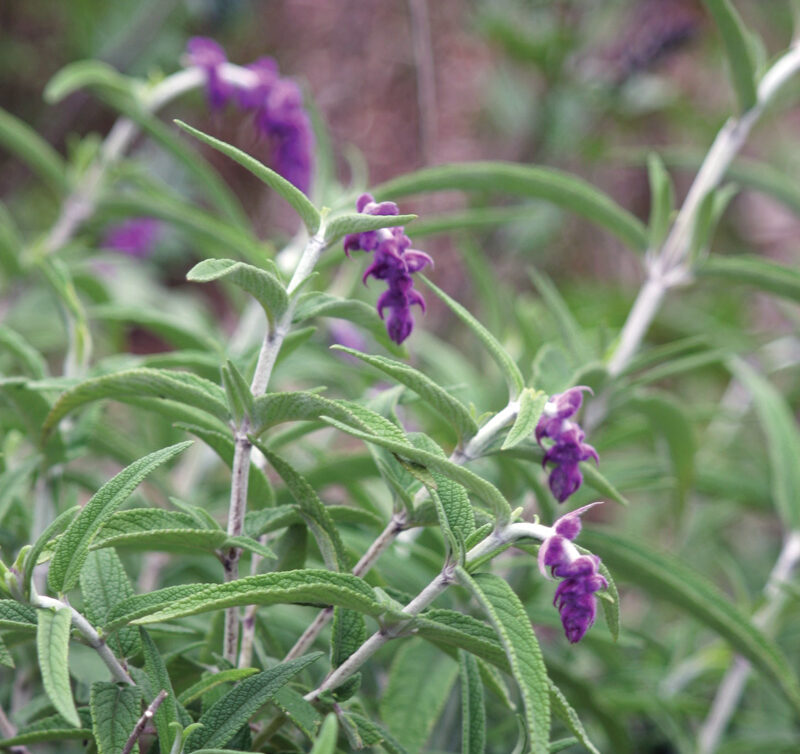
1. ‘Santa Barbara’ Sage (Salvia leucantha cultivar)
This fragrant subshrub is a staple for those seeking a balance between utility and elegance. Prized for its soft, silvery foliage and striking whorls of lavender flowers, the ‘Santa Barbara’ sage offers a relaxed, coastal aesthetic that mimics the wild hillsides of the California coast. Its drought tolerance is matched only by its ability to attract hummingbirds and bees, making it a critical component of the farm’s pollinator strategy.
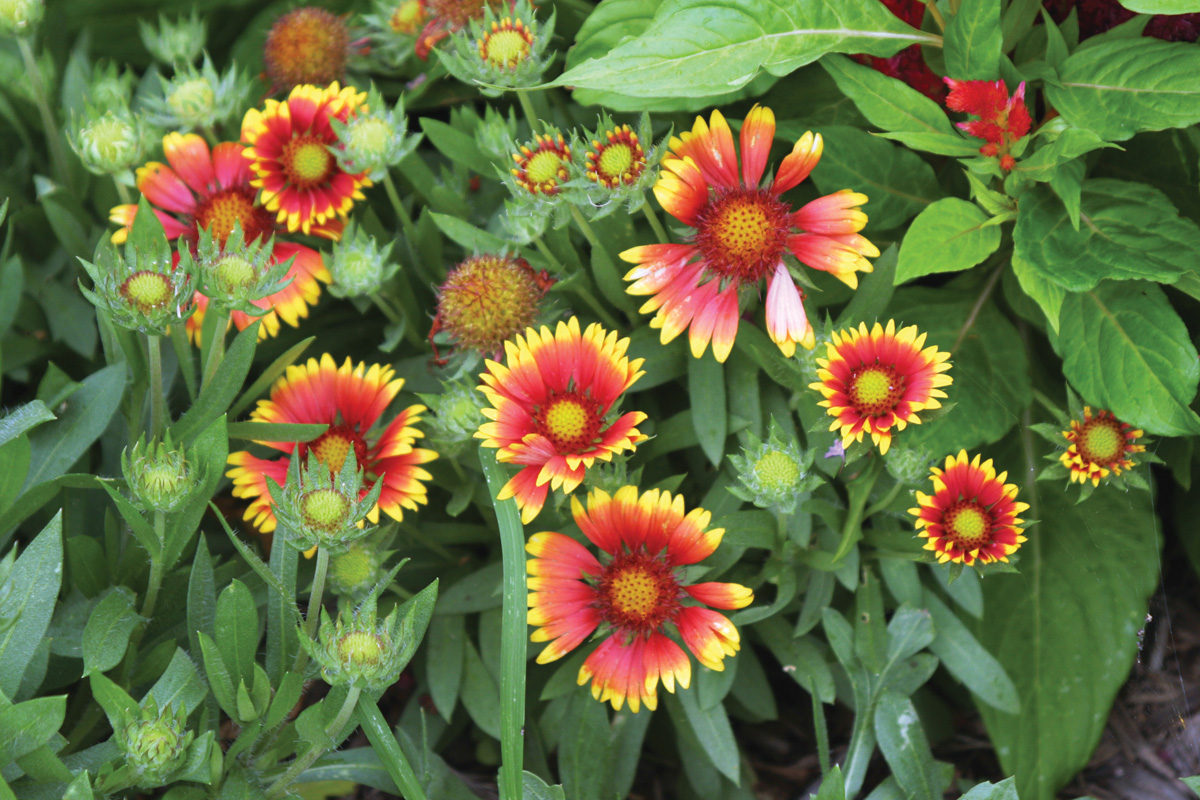
2. Firewheel (Gaillardia pulchella)
For a splash of high-impact color, the firewheel is unmatched. These vibrant annuals—often behaving as short-lived perennials in warmer zones—provide a stunning display of red, orange, and yellow hues. They are exceptionally well-suited for garden beds that receive full, baking sun and require little supplemental water once established.
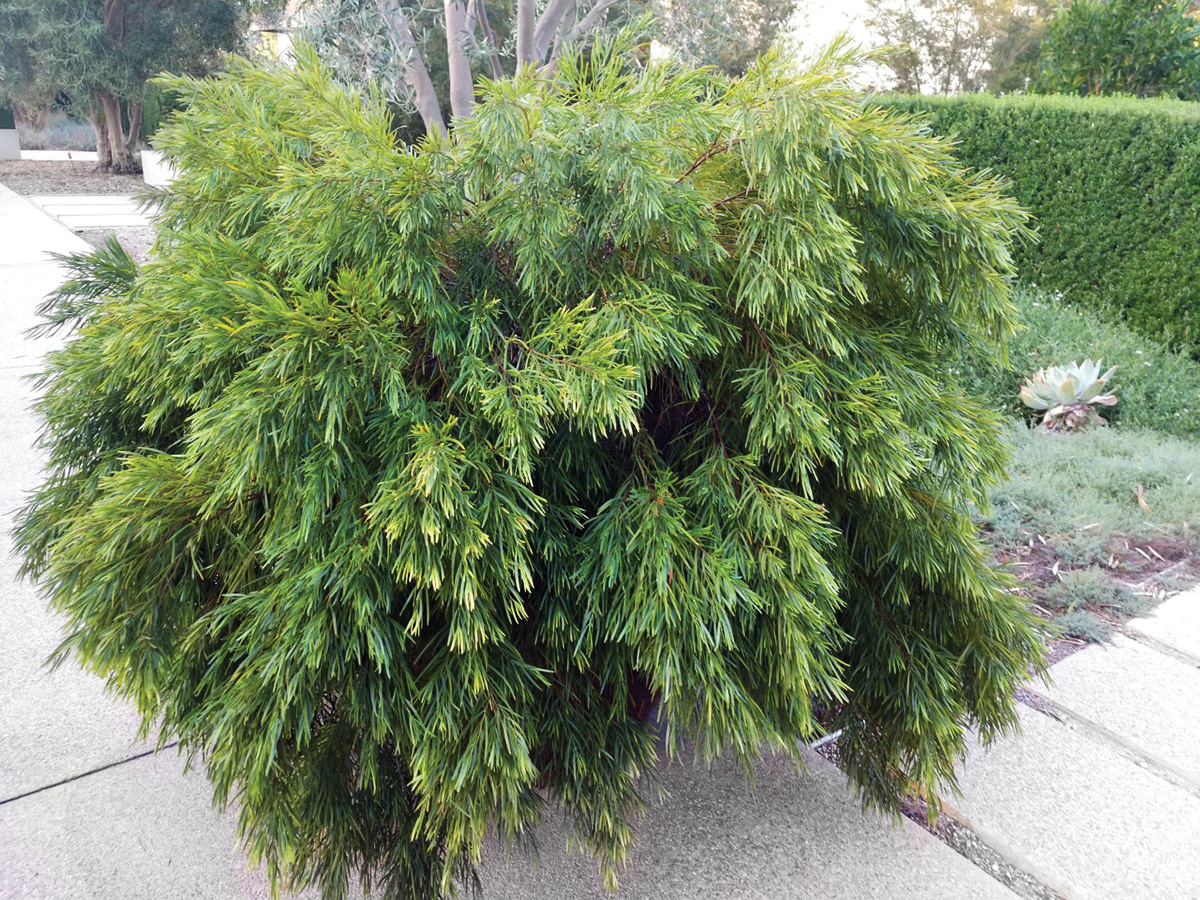
3. ‘Cousin Itt’ Acacia (Acacia cognata)
Perhaps the most visually distinct selection on the property, ‘Cousin Itt’ acacia is a compact, mounding shrub that defies traditional architectural expectations. Its cascading, fine-textured blue-green foliage creates a soft, mop-like mound that provides a necessary textural contrast against more rigid plant forms. It is an ideal choice for softening the edges of retaining walls or navigating steep slopes where erosion control is a factor.
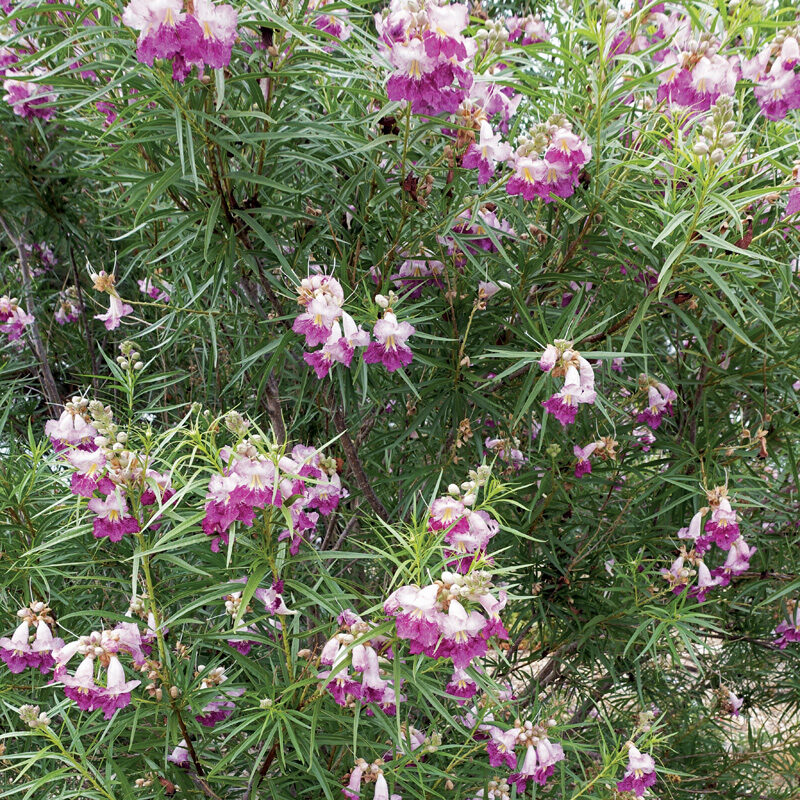
4. Desert Willow (Chilopsis linearis)
Often overlooked, the desert willow is a deciduous small tree that offers some of the most extravagant blooms in a water-wise garden. From late spring through autumn, the tree is adorned with orchid-like flowers in delicate shades of pink, lavender, and white. Beyond its visual appeal, it serves as a reliable food source for hummingbirds, keeping the garden active throughout the growing season.
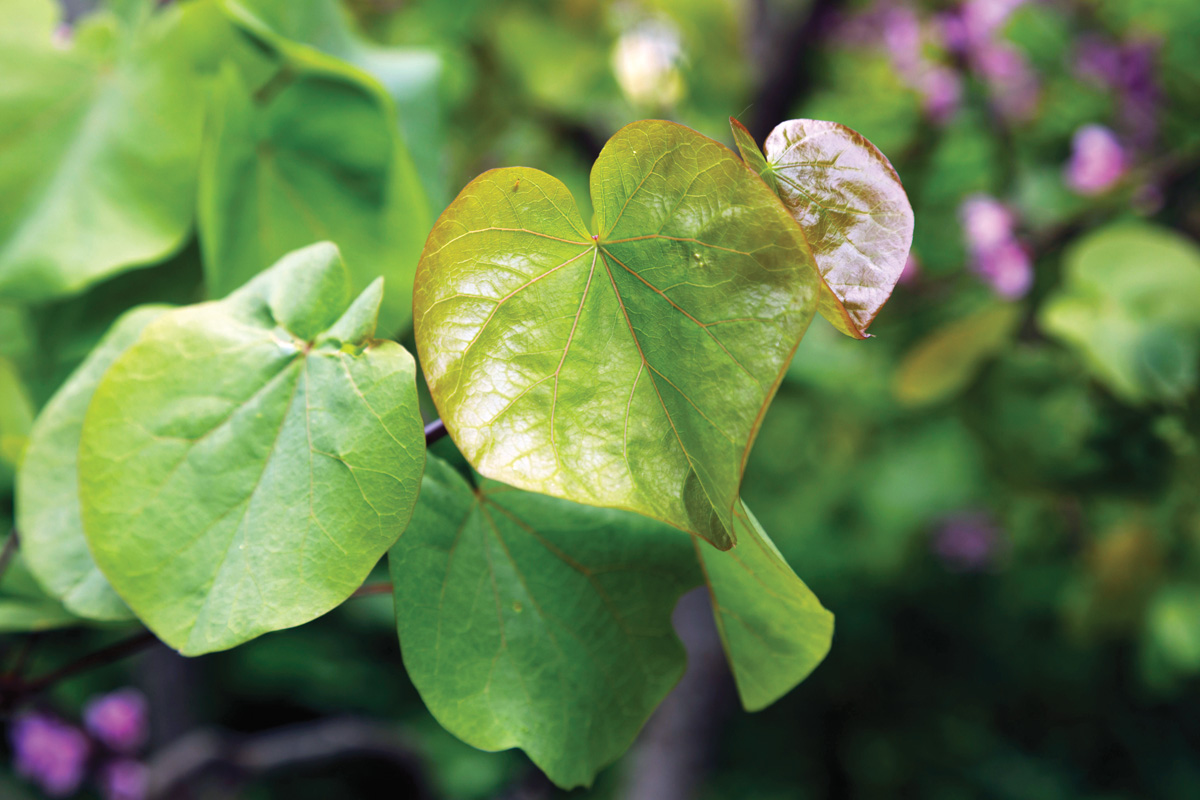
5. Western Redbud (Cercis occidentalis)
A true native powerhouse, the Western redbud is celebrated for its dramatic seasonal shifts. In early spring, magenta blossoms erupt along bare, woody branches before the foliage emerges, signaling the start of the growing season. As the year progresses, the plant produces heart-shaped leaves that turn into rich, autumnal tones. Crucially, this species is highly effective at managing heavy, compacted clay soils that would kill more sensitive woody ornamentals.
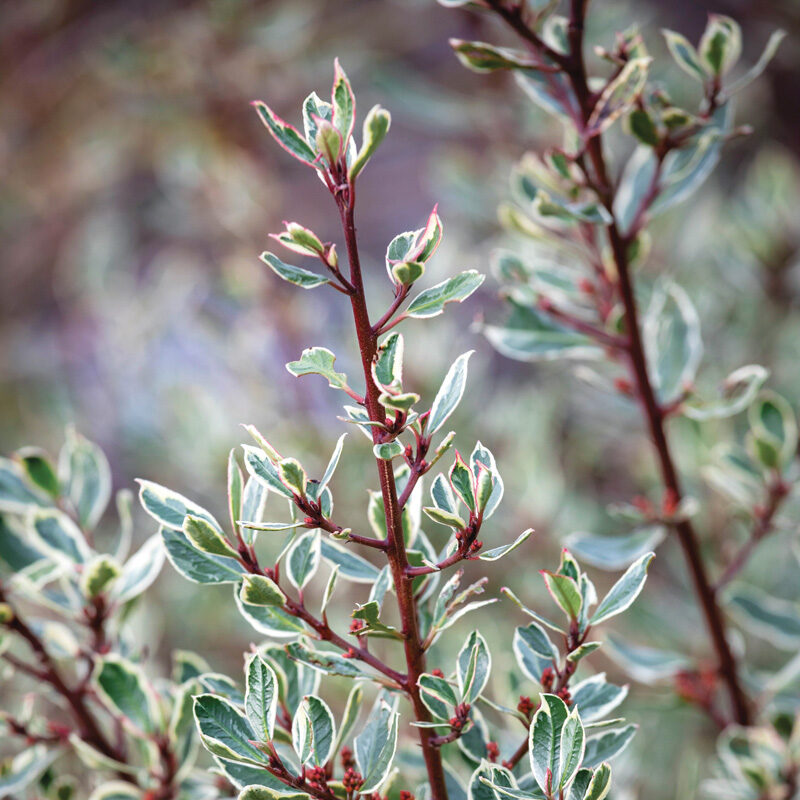
6. Variegated Italian Buckthorn (Rhamnus alaternus ‘Variegata’)
For homeowners in search of privacy, the variegated Italian buckthorn is a top-tier performer. This upright, evergreen shrub is densely branched, making it an excellent candidate for windbreaks and screening. Its foliage, which features a striking contrast of deep green and white, remains lush even during the most severe drought conditions, ensuring year-round privacy without the need for excessive irrigation.
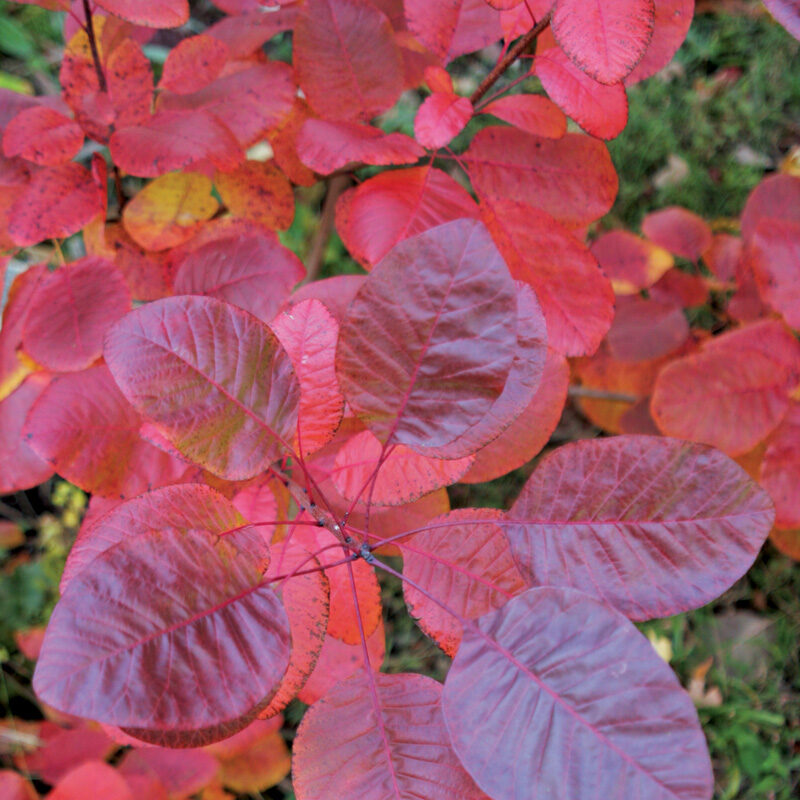
7. ‘Grace’ Smokebush (Cotinus ‘Grace’)
When a focal point is required, the ‘Grace’ smokebush delivers. Known for its large, wine-red leaves and the ethereal, billowing clouds of smoky pink plumes that appear in summer, it provides a high-drama aesthetic. It is a testament to the fact that drought-tolerant plants do not have to look "scrubby" or utilitarian.
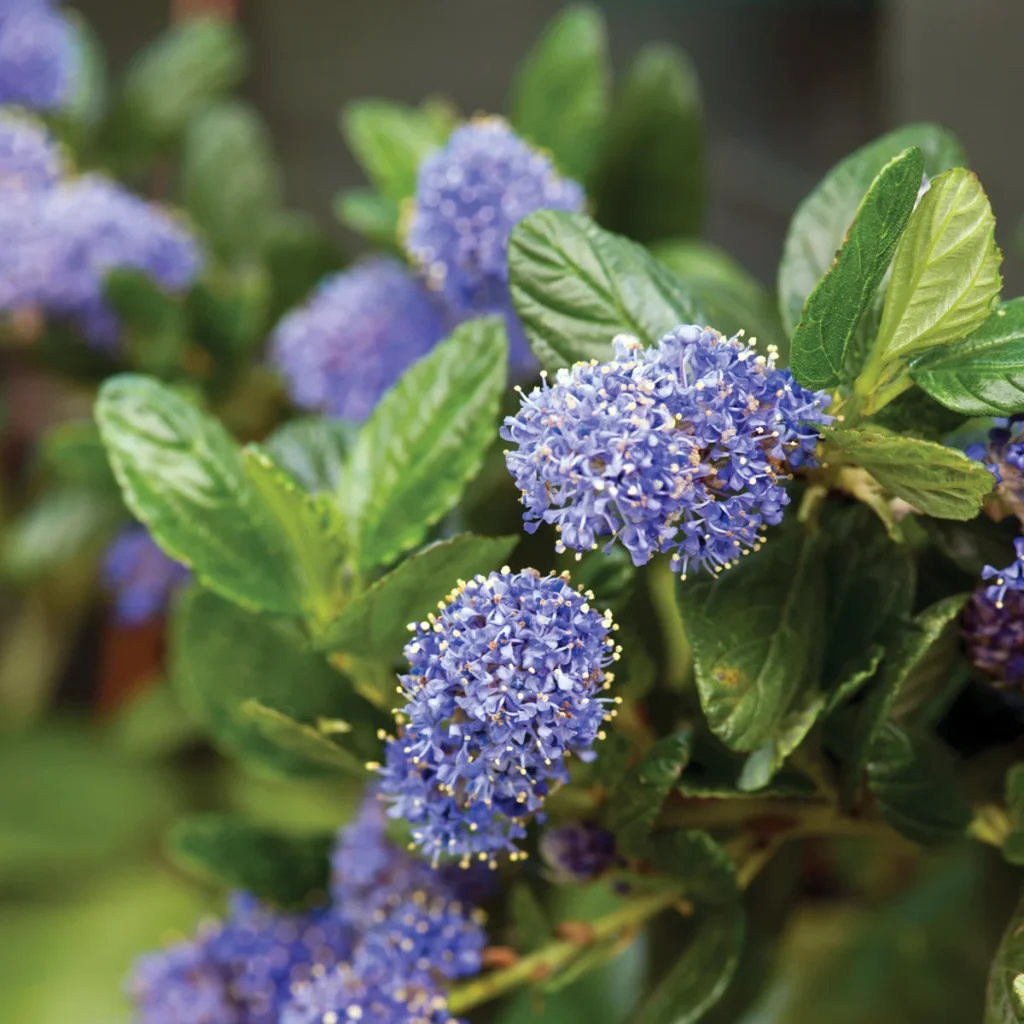
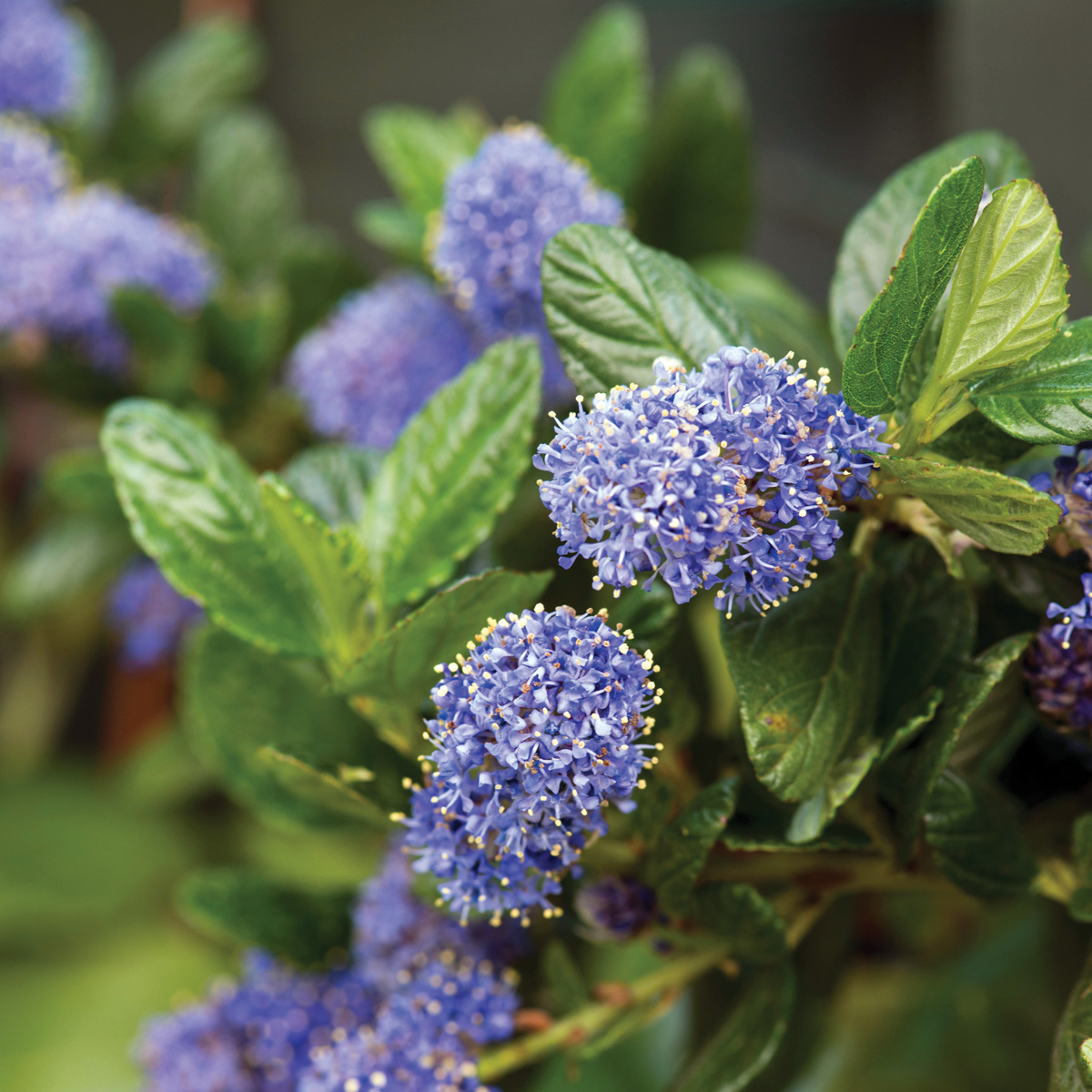
8. ‘Yankee Point’ California Lilac (Ceanothus ‘Yankee Point’)
This fast-growing, spreading ground cover is a workhorse of the landscape. In spring, it is almost completely obscured by deep, powder-blue flowers. Beyond its beauty, it acts as a living mulch, suppressing weeds and stabilizing loose soil on banks or slopes. It is a preferred nectar source for native pollinators and thrives on minimal water.
9. ‘Marina’ Strawberry Tree (Arbutus ‘Marina’)
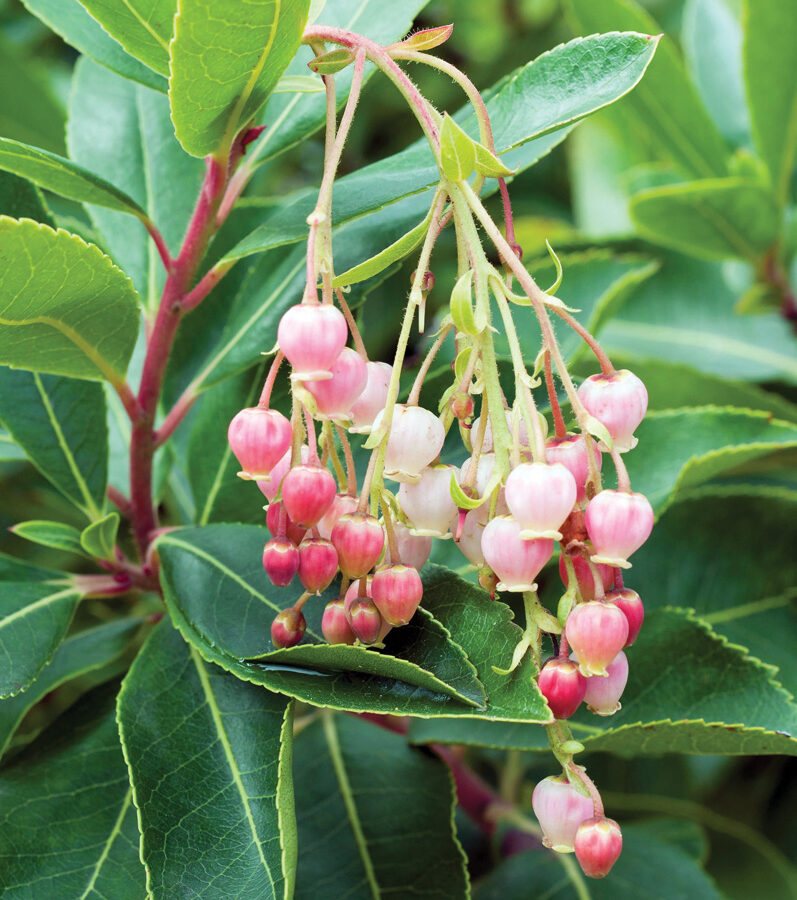
The ‘Marina’ strawberry tree is a standout specimen plant, offering a multi-season display. With its beautiful, cinnamon-red peeling bark, clusters of delicate, urn-shaped pink flowers, and unique red fruit, it provides interest every month of the year. It is a versatile choice, working just as well as a standalone focal point as it does when planted in a grouping to form a larger screen.
Chronology of Landscape Transformation
The transformation of Skyline Meadow Farm did not happen overnight. It was the result of a multi-year effort to pivot from traditional ornamental gardening to a resilient design framework.
- Year 1: Soil Remediation and Mapping. The initial phase focused on understanding the site’s unique microclimates. The team identified zones of high wind, deep shade, and intense heat. Soil testing revealed heavy clay content, leading to the decision to focus on plants that could handle anaerobic conditions or could be helped by raised beds.
- Year 2: Strategic Removal and Hardscaping. Water-thirsty lawns and non-native ornamentals were systematically removed. The team focused on installing proper drainage and hardscape elements—such as retaining walls—to manage runoff and prevent erosion.
- Year 3: Phased Planting. Using a "hydro-zoning" approach, the team installed the plants mentioned above, grouping them by water needs. During this phase, drip irrigation was used only for establishment; once the roots were deep, the irrigation was gradually tapered off.
- Year 4-Present: Ecosystem Maturation. The garden has now reached a state of relative autonomy. The plants provide their own shade, reduce evaporation from the soil, and have created a habitat that supports a robust population of beneficial insects and birds.
Supporting Data: Why This Matters
The shift toward drought-tolerant landscaping is not merely a trend; it is an economic and ecological imperative. According to data from local water districts, residential outdoor water use accounts for nearly 50% of total household water consumption in California. By transitioning to a native-heavy, climate-adapted garden, homeowners can reduce their outdoor water demand by 60% to 80% compared to a traditional lawn-based landscape.
Furthermore, the impact on biodiversity is measurable. A 2023 study by regional environmental agencies noted that properties incorporating at least 70% native plant cover hosted three times the number of native bee species as properties featuring non-native, sterile ornamental plants. Skyline Meadow Farm serves as a model for how urban land can contribute to the "pollinator highway," providing essential corridors for species that are currently threatened by habitat loss.
Official Responses and Perspectives
Nina Mullen, when asked about the common misconceptions surrounding drought-tolerant gardening, is quick to correct the notion that "drought-tolerant" means "ugly."
"There is this lingering idea that a water-wise garden must look like a gravel parking lot with a cactus," Mullen says. "That is simply outdated. We are working with a palette of textures, colors, and forms that are every bit as sophisticated as the high-water gardens of the past. The difference is that these plants don’t collapse when the water is turned off. They are survivors, and they are beautiful because they are adapted to their home."
Local conservationists have also lauded the project. By focusing on plants like the Western redbud and California lilac, the farm is helping to preserve the genetic heritage of the region, ensuring that local flora remains a part of the urban landscape rather than being pushed out by invasive species.
Implications for the Future of Gardening
The lessons from Skyline Meadow Farm have profound implications for urban planners, landscape architects, and individual homeowners. As the climate continues to shift, the definition of a "beautiful garden" must evolve. The reliance on water-intensive greenery is becoming increasingly untenable, both from a cost perspective and a resource-management perspective.
The success of this project suggests that we are entering a new era of "functional beauty." In this paradigm, a plant’s value is assessed not just by the size or duration of its bloom, but by its resilience, its ability to support local wildlife, and its impact on the soil. As more homeowners begin to view their gardens as part of a larger, interconnected environment, the cumulative impact of these small-scale decisions will be significant.

For those looking to replicate the success of the Skyline Meadow Farm, the path forward is clear: start with the soil, select species that are native to the local climate, and prioritize plants that offer multiple functions—such as shade, screening, and nectar production. In doing so, we can transform our personal outdoor spaces into resilient, thriving ecosystems that stand the test of time, wind, and drought.