The Evolution of a Craft: Inside the Pinch of Yum Food Photography Workshop Extravaganza
In the digital age, food has become a visual language. From the meticulously curated feeds of Instagram to the high-gloss aesthetic of professional culinary blogs, the ability to translate flavor into pixels is a modern-day superpower. At the forefront of this movement is Pinch of Yum, a platform that has evolved from a simple hobby blog into a pedagogical hub for aspiring creators. Recently, the organization reached a major milestone, celebrating a series of “workshop extravaganzas” that signal a shift in how food photography is taught, experienced, and shared.
The Genesis of an Obsession
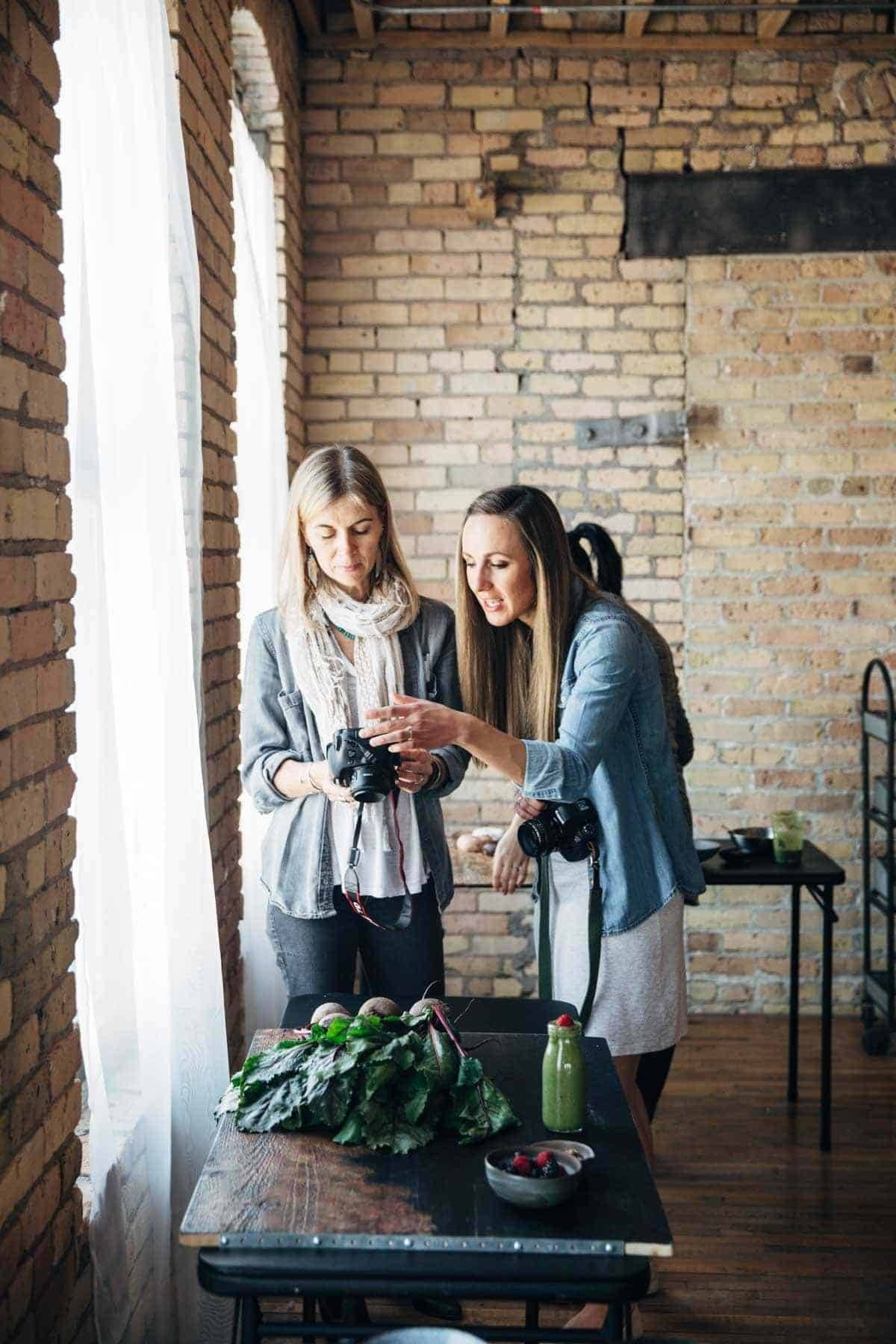
The journey toward these workshops was not an overnight success but a slow, intentional evolution. For the team at Pinch of Yum, the fascination with teaching others how to capture the perfect light and texture began in 2014. After attending several industry workshops and guest-teaching for various organizations, the realization dawned: there was a significant, underserved community of bloggers and hobbyists desperate for hands-on, collaborative learning environments.
The mission was clear: create a space where food lovers—the kind of people who stand on chairs in restaurants to get the perfect overhead shot—could gather, share equipment, and refine their craft. The transition from a consumer of workshops to an architect of them marked a pivotal chapter in the brand’s history.
A Chronology of Growth: From Intimate Studios to Industrial Hubs
The history of these workshops is a study in scaling. The early days, beginning in September 2015, were characterized by a sense of "cozy intimacy." The initial sessions were held in a small, rented studio. While the space was lauded for its aesthetic appeal and charm, its physical limitations were obvious. The organizers quickly realized that to facilitate the kind of hands-on learning they envisioned, they required a more robust infrastructure.
Following two subsequent workshops in November and December of 2015, the team took a bold leap forward. In January, they secured a permanent, dedicated studio space in the heart of Minneapolis, Minnesota. This move represented more than just a change of address; it was a commitment to professionalizing the craft of food photography.
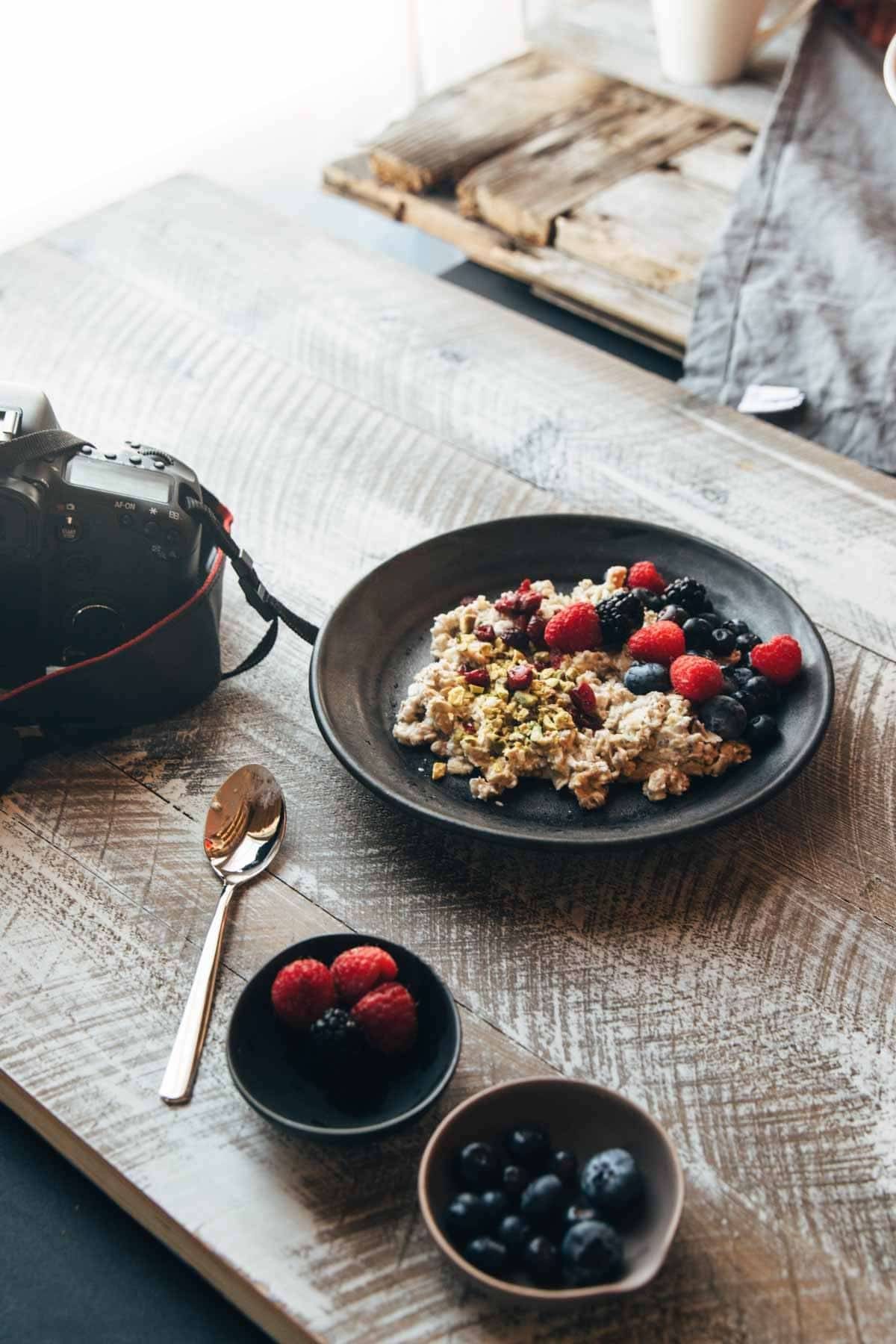
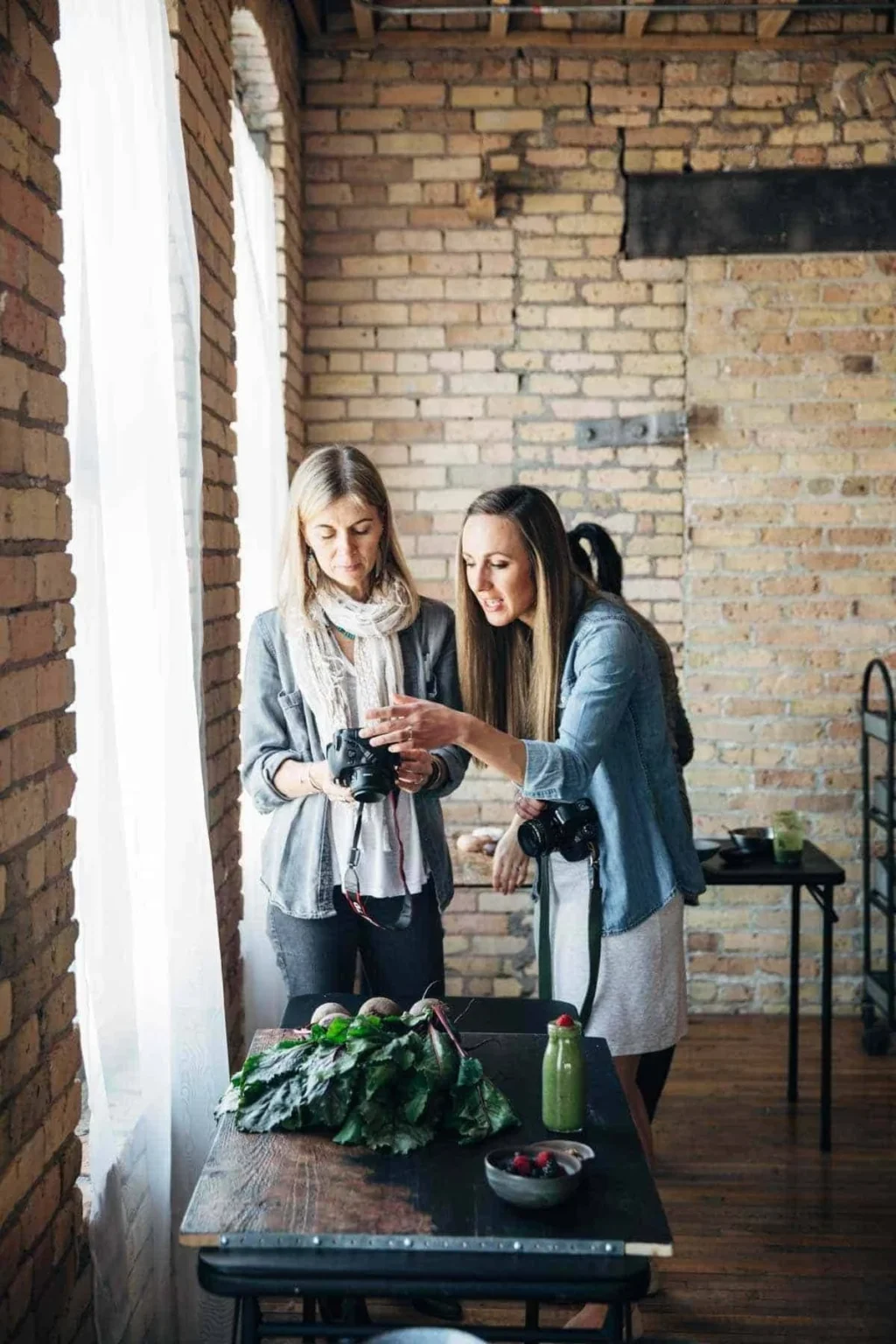
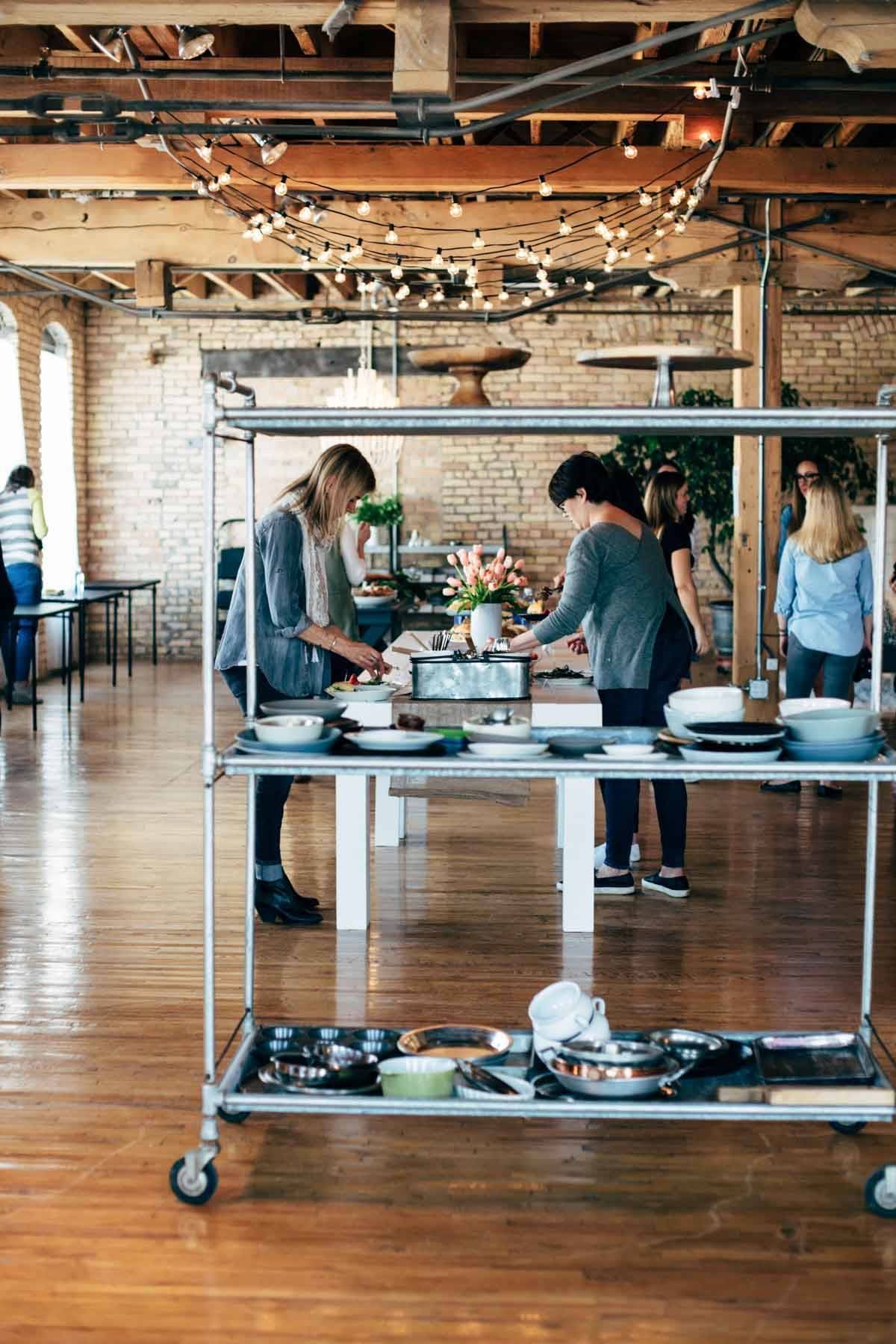
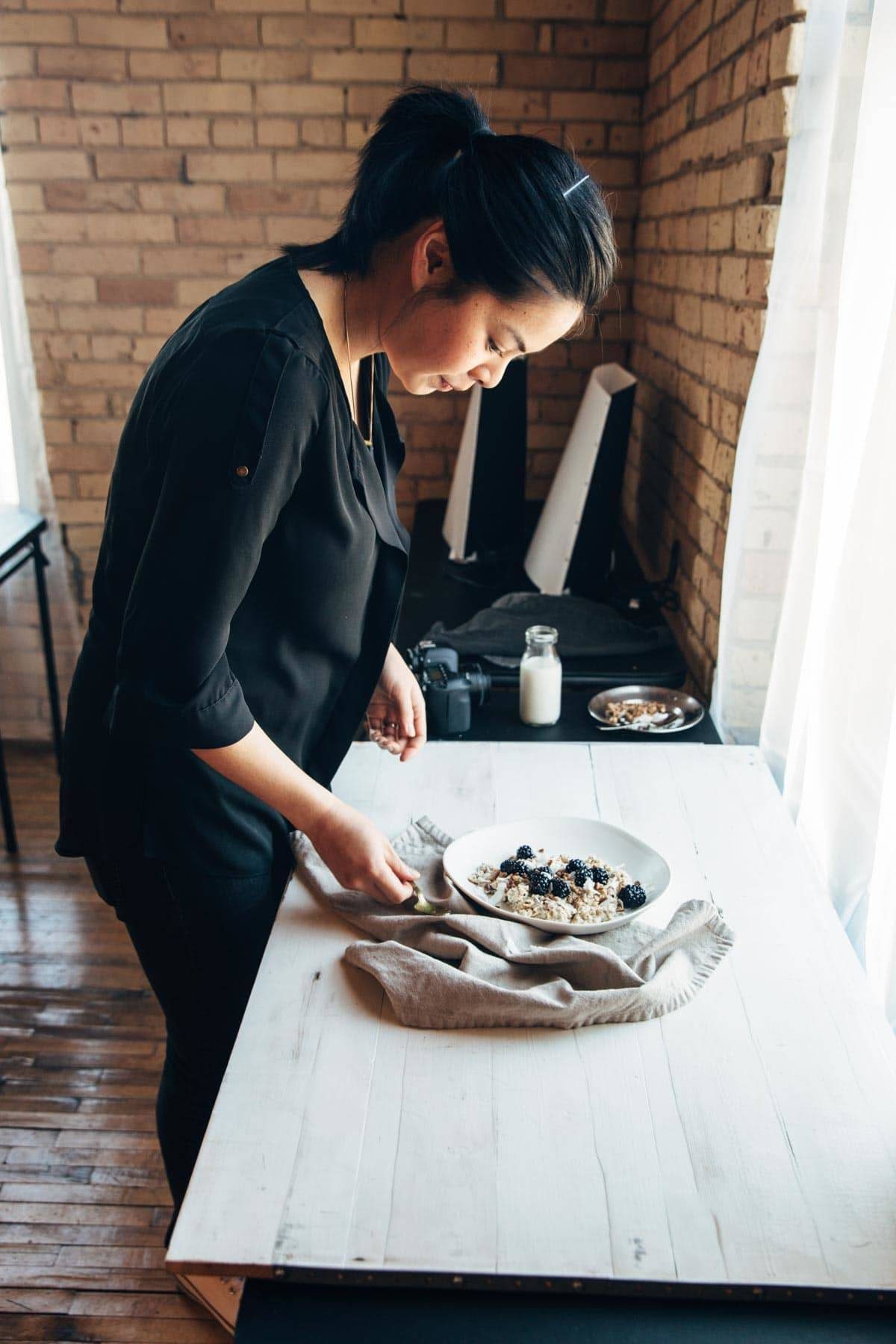
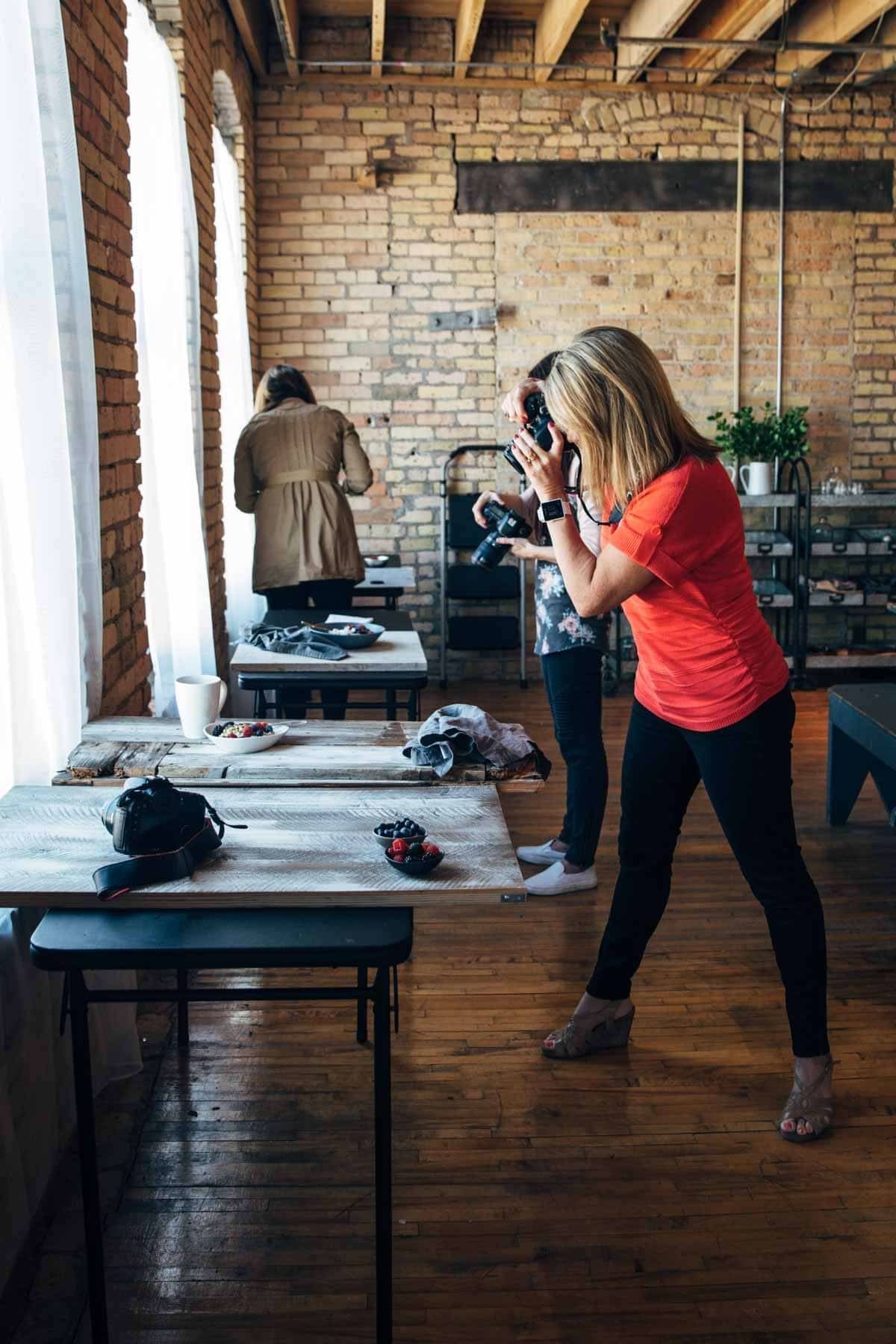
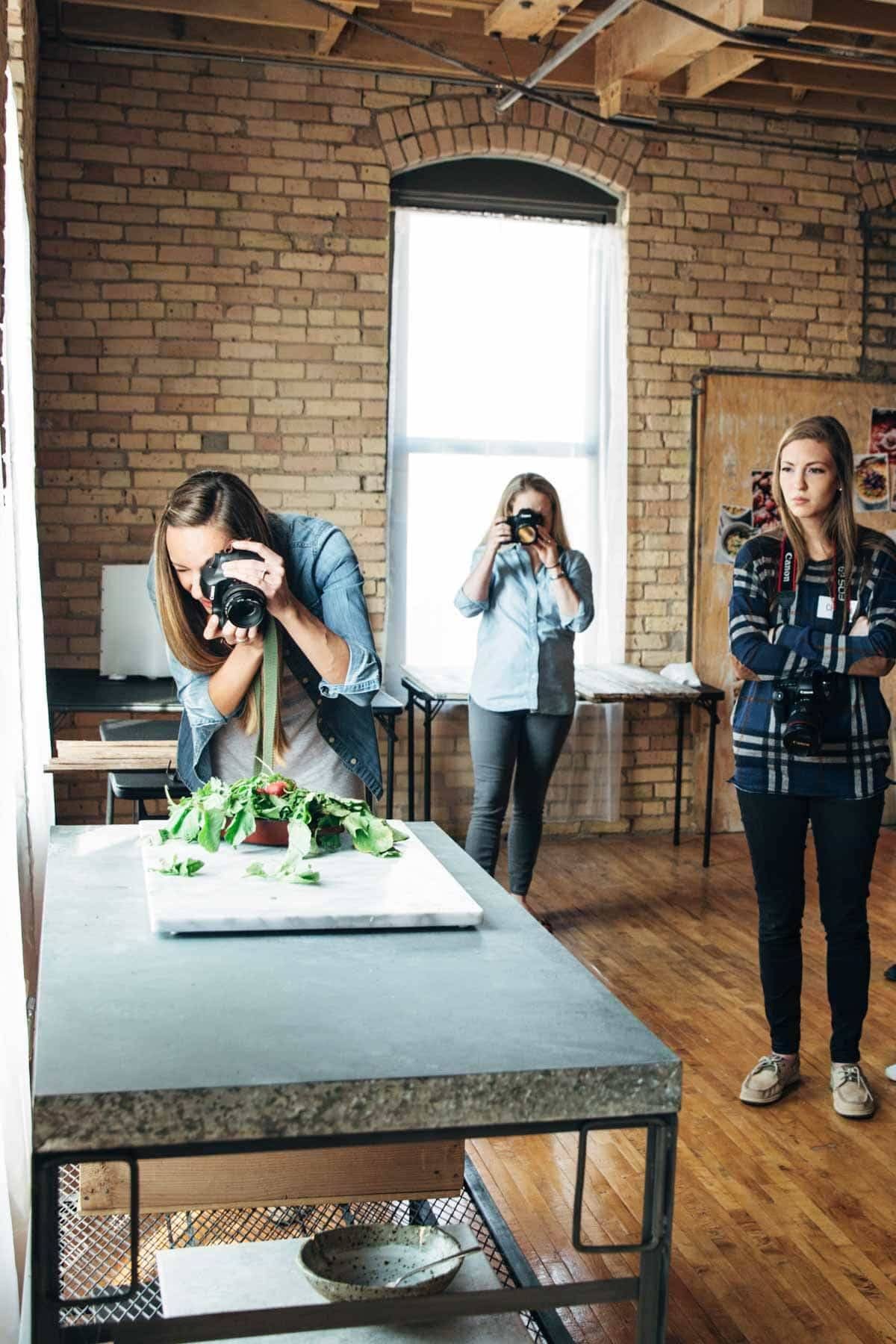
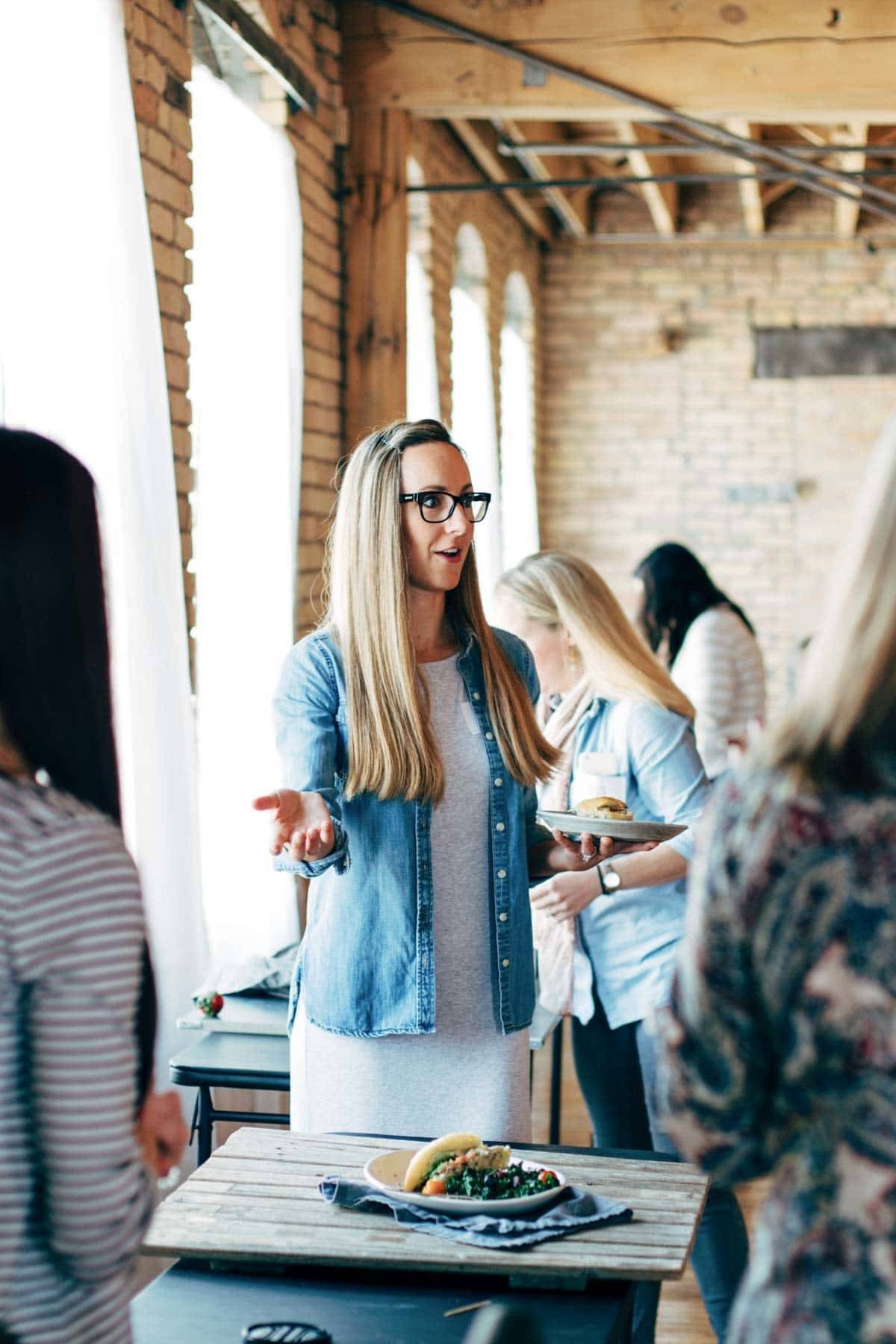
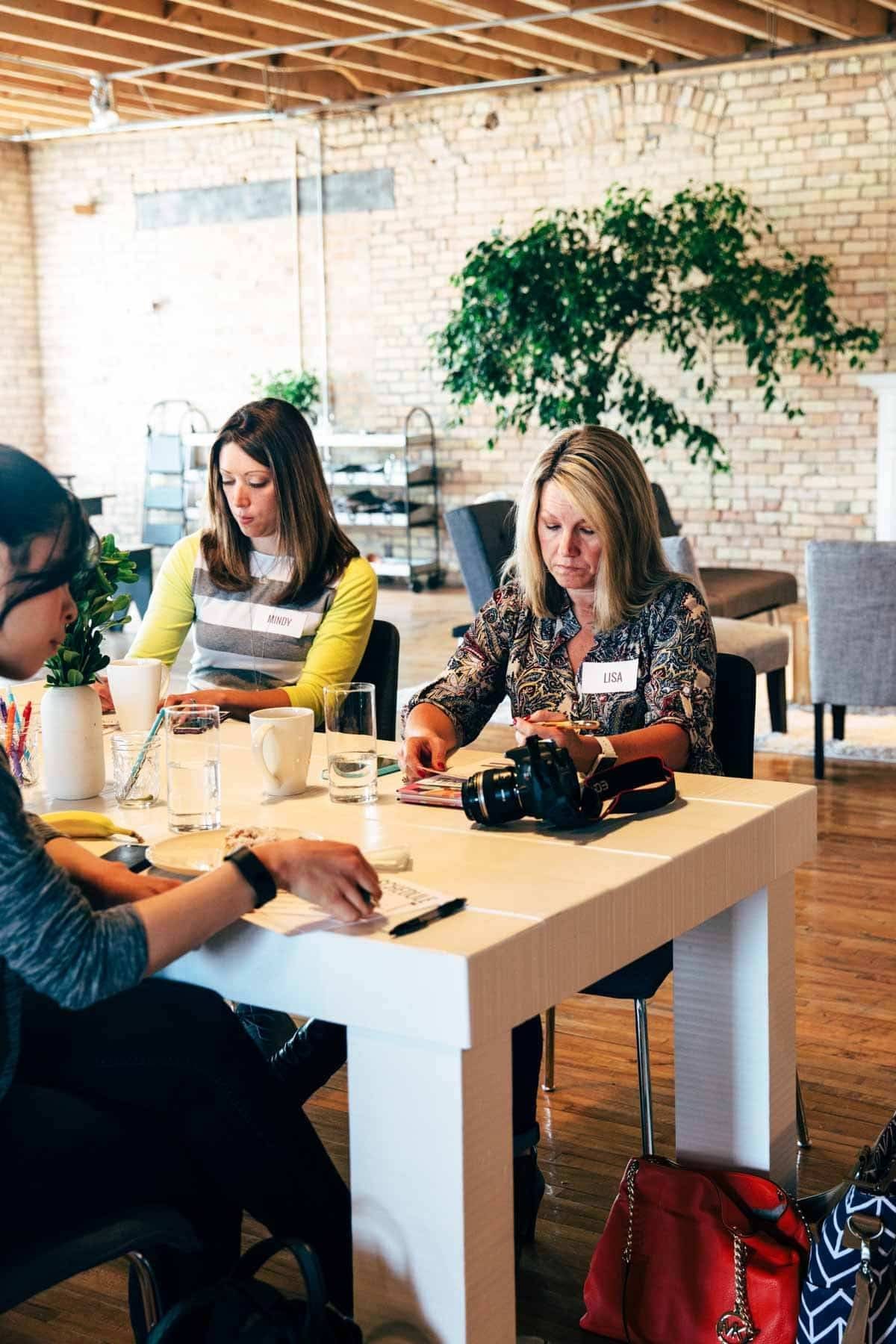
The new facility, described as "raw, rustic-industrial," provided an expansive canvas for creativity. The most significant feature of the new space was its natural light—a vital asset for food photography. With 12 expansive windows providing consistent, high-quality illumination, the studio allowed attendees to move away from theoretical learning and into deep-dive practical application. By the close of March and April, the studio had already hosted four major workshops, welcoming over 60 attendees from across the United States and Canada.
The Pedagogical Framework: Why In-Person Matters
In an era where online courses and YouTube tutorials are ubiquitous, one might ask why students are traveling thousands of miles for in-person workshops. The answer lies in the tactile nature of food styling.
The Art of Styling and Composition
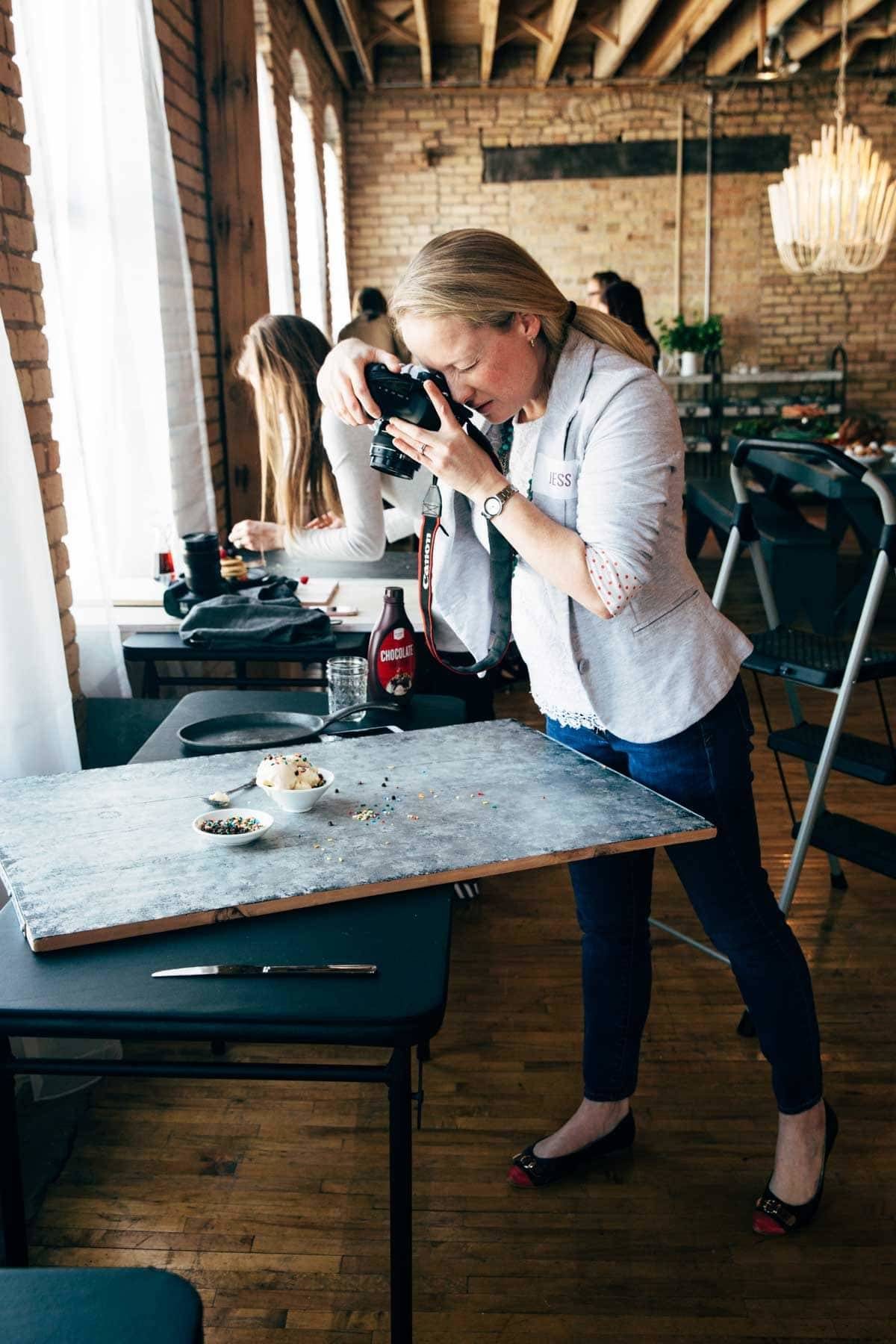
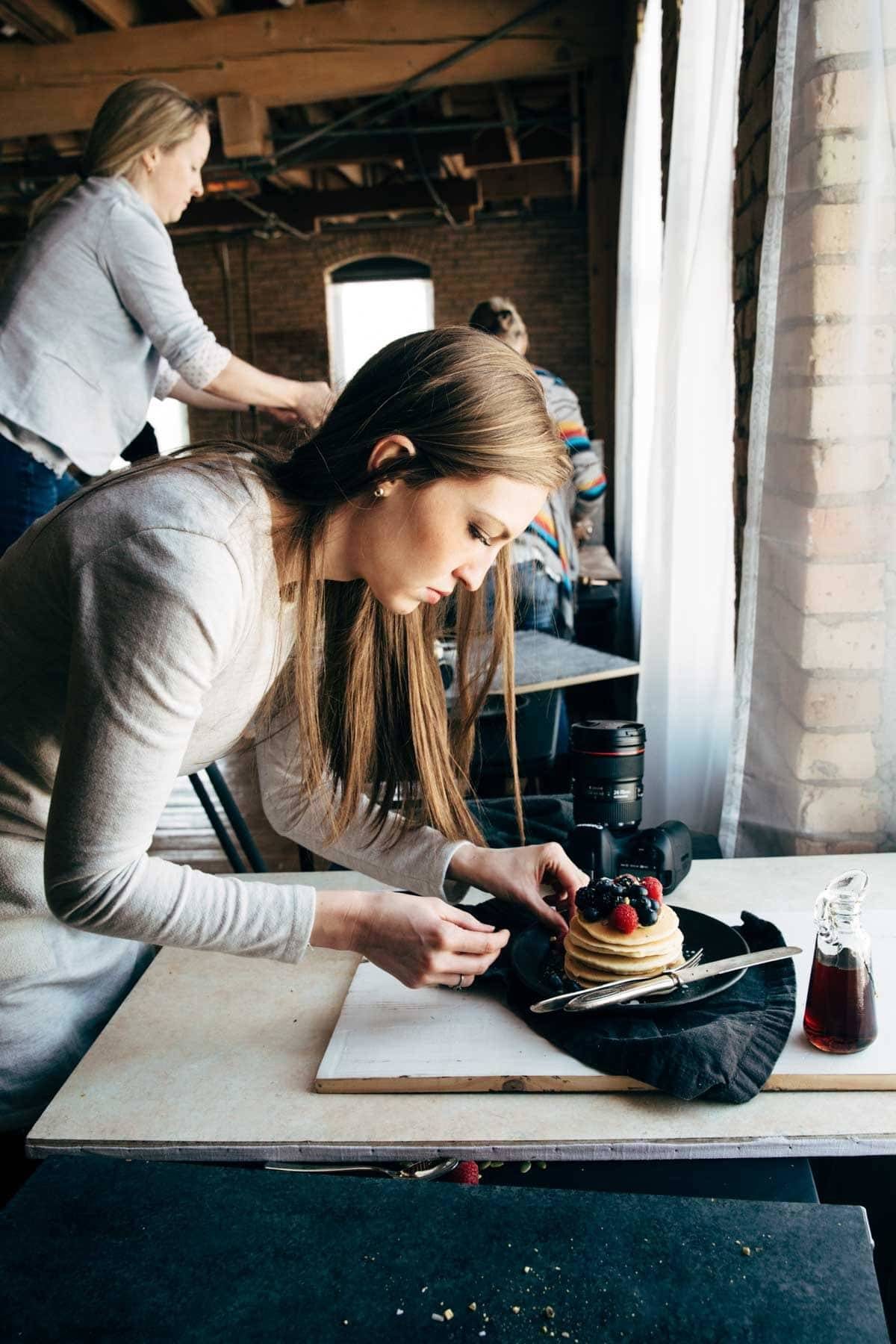
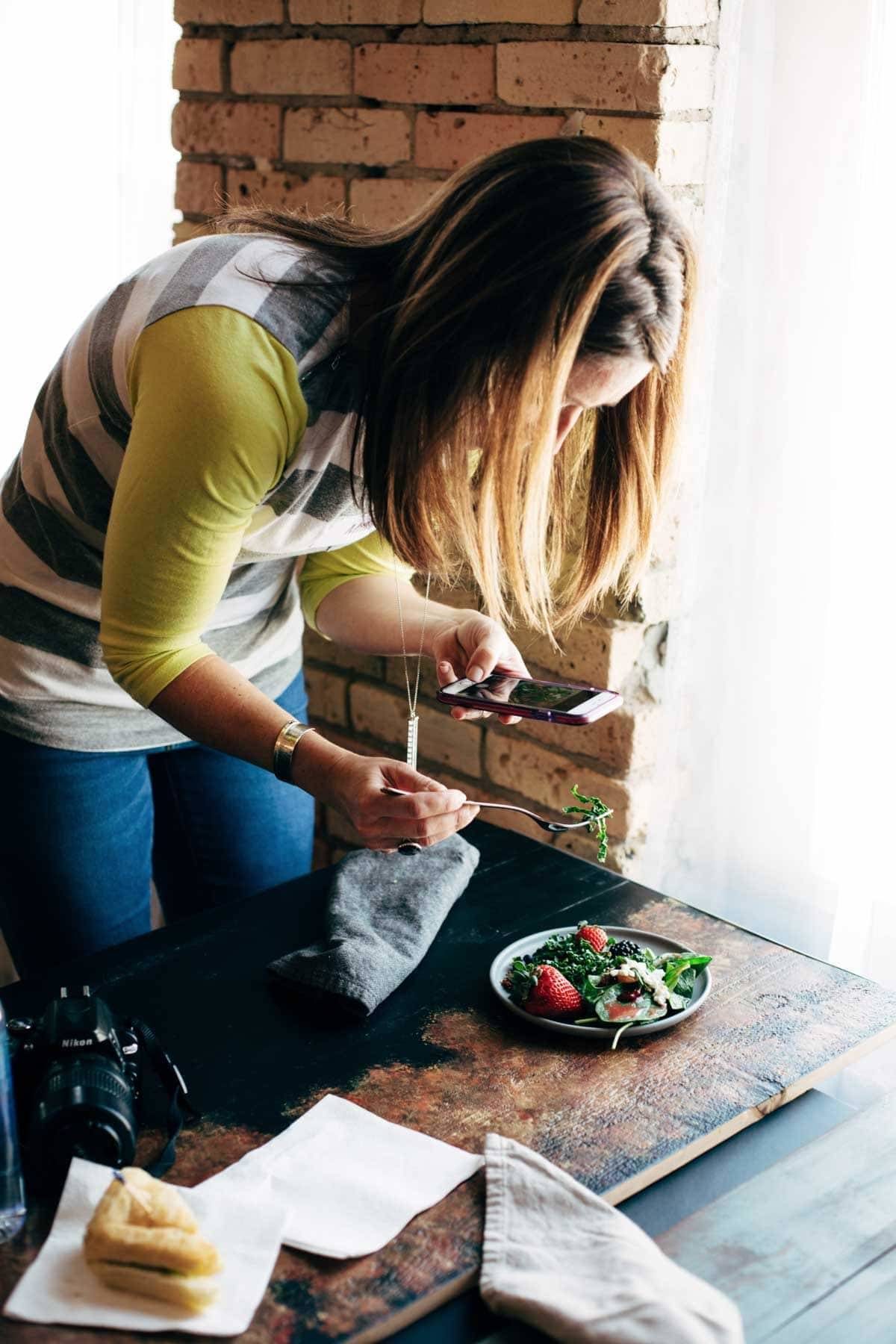
The workshops focus on the "choreography" of food. Attendees are taught how to manipulate light, select props, and style dishes so that the image conveys not just the ingredients, but the experience of the meal. This is a collaborative process; at the workshops, participants learn from each other’s unique perspectives and stylistic choices.

The Community Element
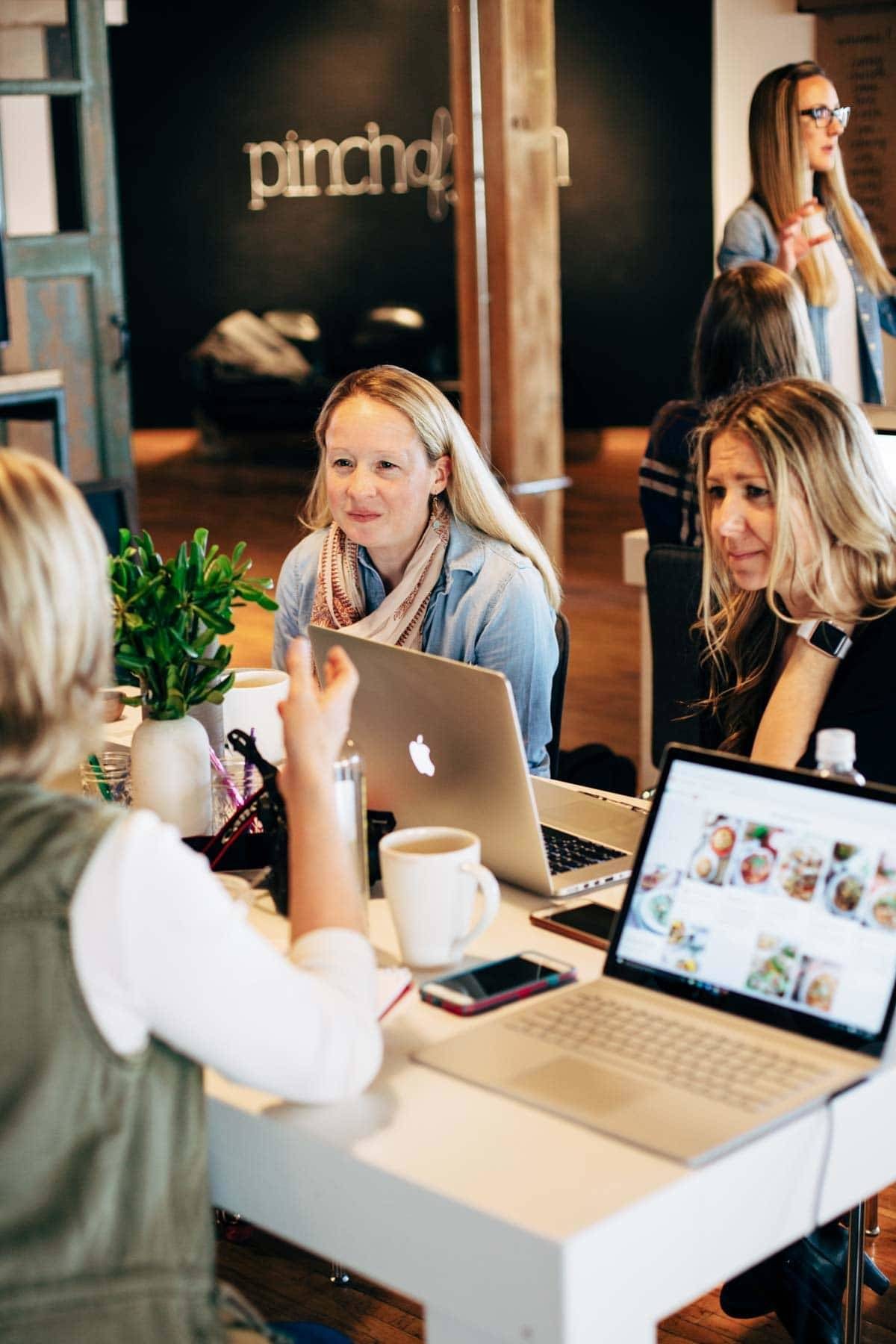
Beyond the technical skills, the workshops serve as a networking hub. The attendees are often like-minded individuals—bloggers, culinary enthusiasts, and aspiring professional photographers—who share a niche passion. The camaraderie built during these sessions is a cornerstone of the experience. It is a place where "the chosen people"—those who don’t mind their friends rearranging a table before a meal—can feel right at home.
Culinary Partnerships and Sustainability
A unique hallmark of the Pinch of Yum workshops is the integration of food culture directly into the curriculum. The workshops are not just about taking pictures of food; they are about engaging with high-quality ingredients provided by strategic partners.
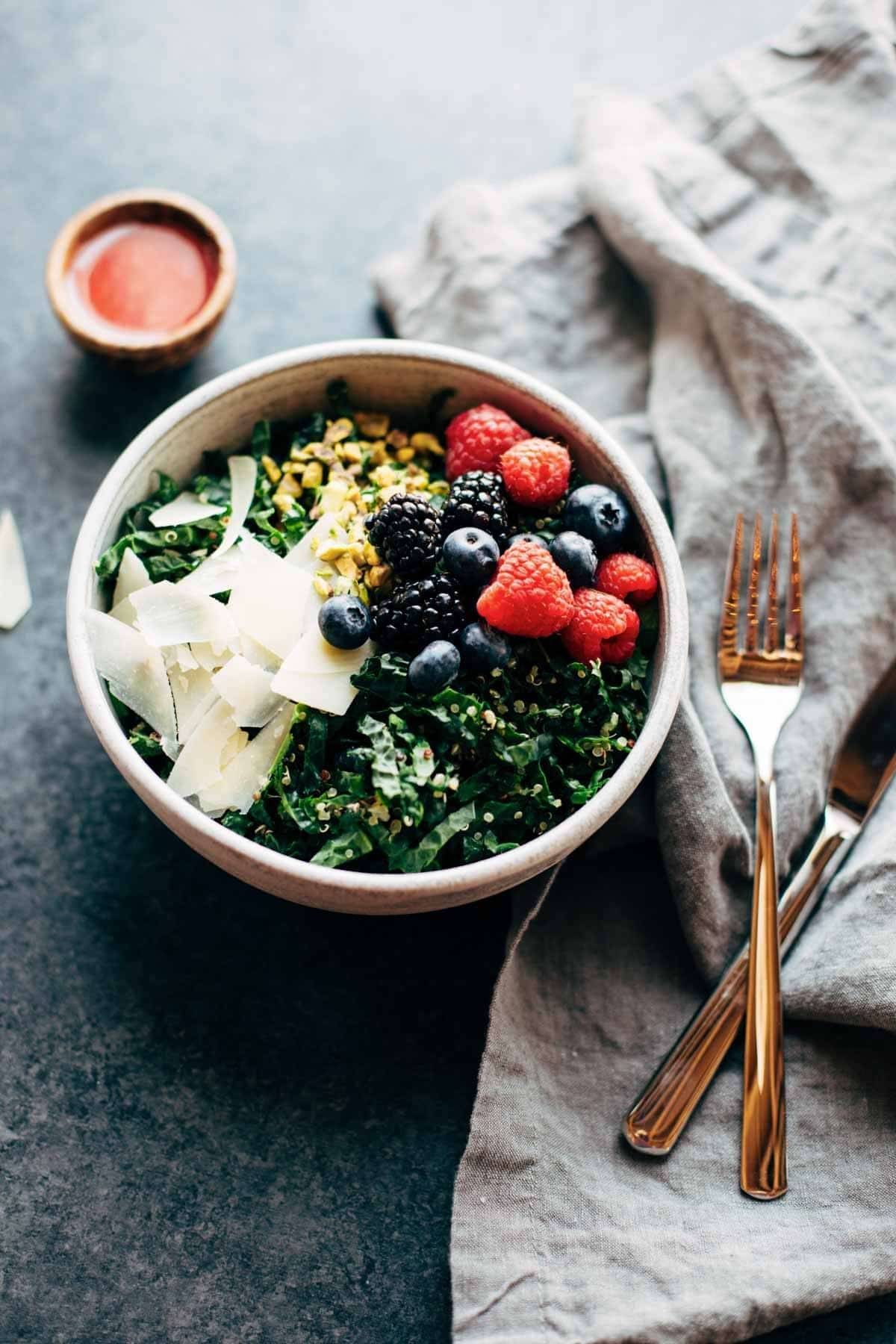
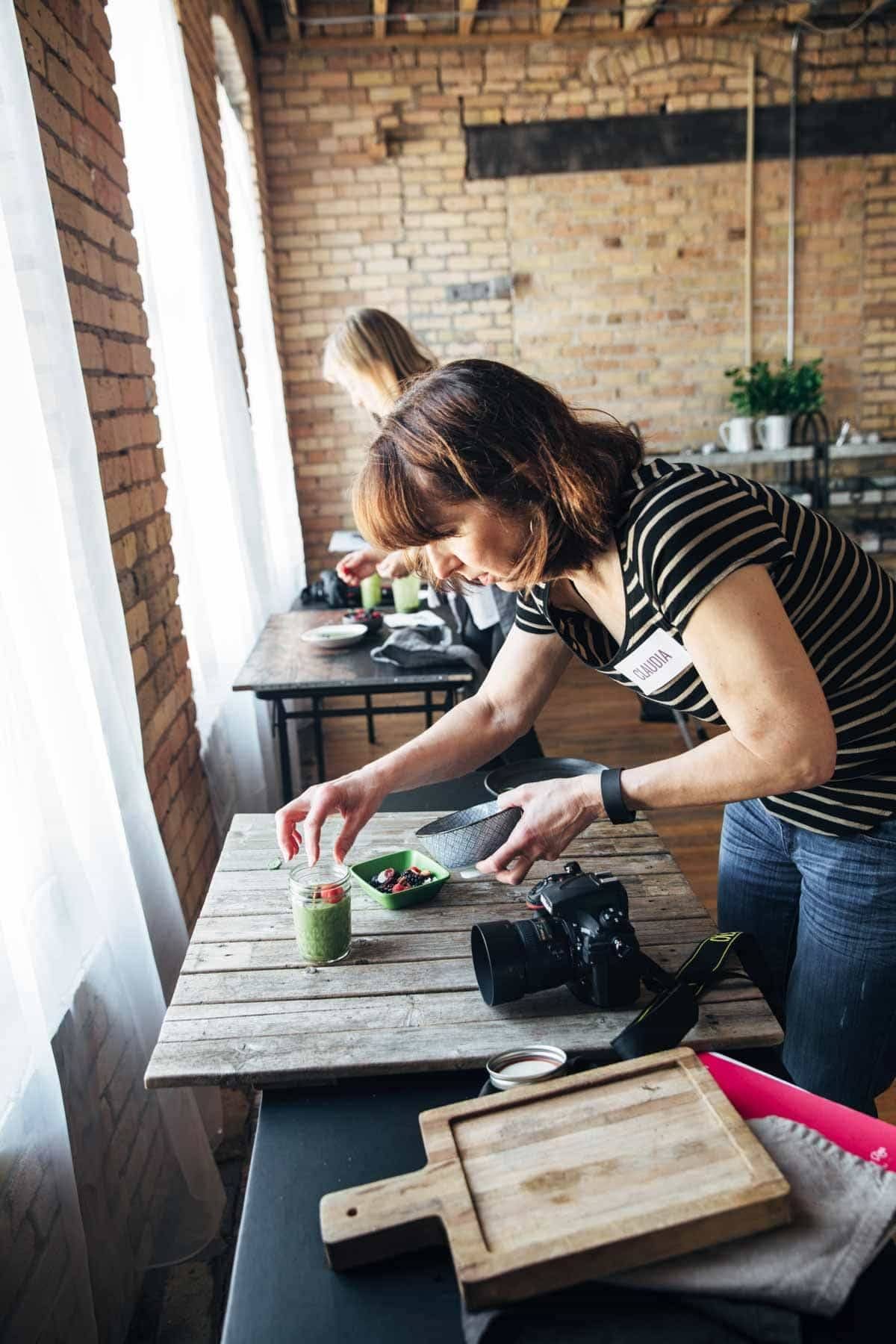
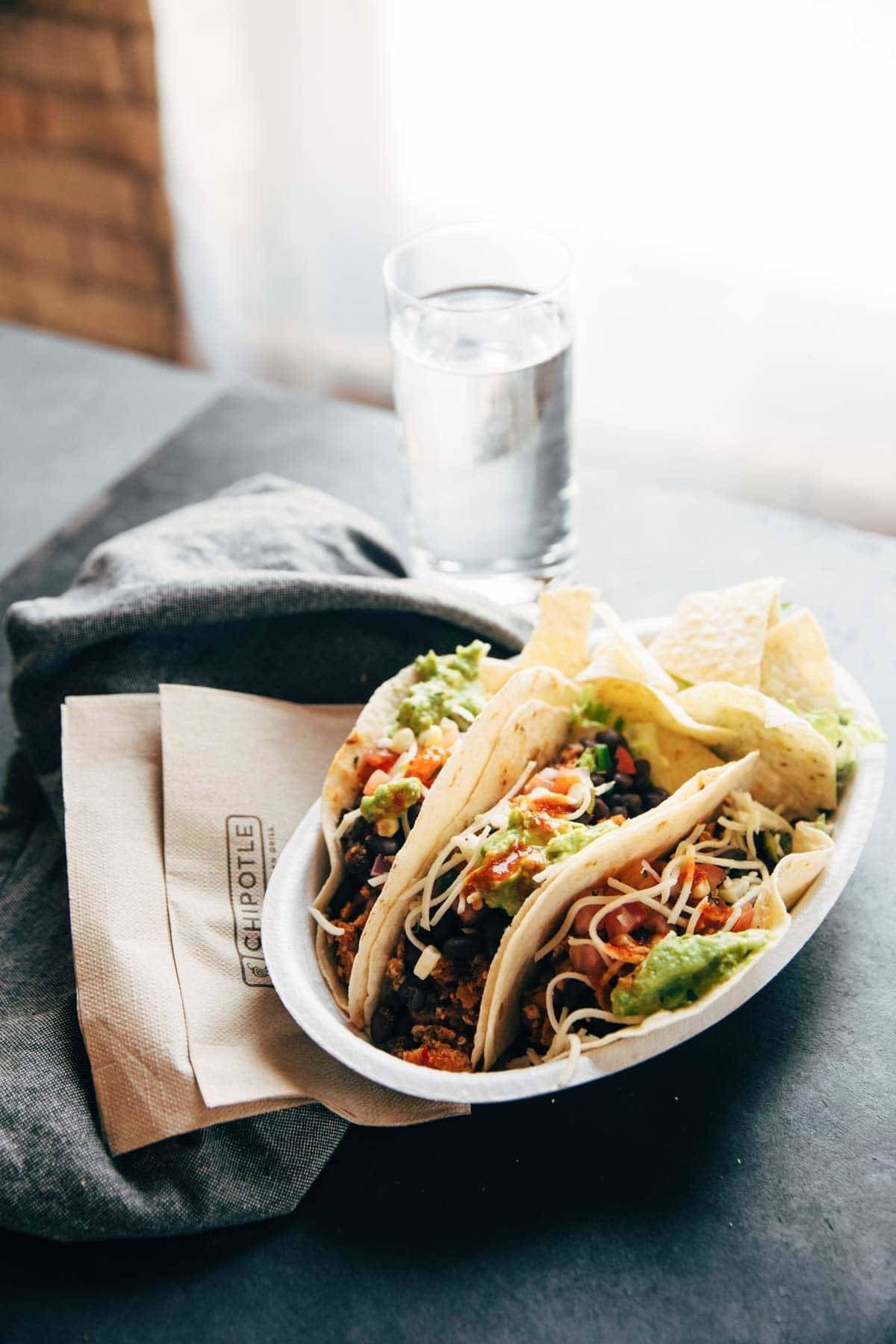
Sponsors have played a crucial role in the event’s success. From "build-your-own" burrito bowl lunches provided by Chipotle to Seven Sundays muesli styling bars, the sessions offer a holistic experience. Attendees are given the opportunity to photograph fresh, vibrant ingredients, such as smoothie bowls from Whole Sum Kitchen, and enjoy curated treats like champagne cupcakes from The Copper Hen. This integration ensures that the photography is not staged with plastic props, but with real, delicious food that inspires the photographer’s creative process.
Implications for the Industry
The success of the Minneapolis-based workshops has broad implications for the digital creator economy. It suggests that while the internet has democratized information, it has also increased the hunger for physical, community-driven education.
The Rise of the "Creator Space"
The move to a permanent studio suggests that successful digital brands are increasingly looking to establish a "physical footprint." By owning their space, these creators can offer a premium, curated experience that a virtual course simply cannot replicate. It also positions the city of Minneapolis as a growing destination for creative professionals.
Professionalization of Hobbyists
Many of the attendees at these workshops are not necessarily looking for a career change, but rather a mastery of their hobby. This reflects a broader trend: the "prosumer" movement, where individuals invest in high-end equipment and professional-grade training to elevate their personal content. The workshops validate this desire for excellence, providing the tools and confidence for bloggers to transform their websites into professional portfolios.
Looking Ahead: The Future of the Workshop Model
As the team behind Pinch of Yum looks toward the summer, the focus remains on expansion and refinement. With the success of the initial spring sessions, plans for future dates are already in motion. The organizers are currently using a notification system to manage the high demand for registration, signaling a robust and sustainable model for future growth.
Furthermore, the "Type A" perfectionism mentioned by the organizers suggests that the studio itself is a living project. As the space continues to be optimized for light, workflow, and guest comfort, the quality of the workshops is expected to rise. The upcoming "full reveal" of the studio will likely serve as a masterclass in interior design for creative workspaces, setting a new standard for others in the industry.
Conclusion: More Than Just a Snapshot
The Pinch of Yum workshop series has successfully bridged the gap between the digital and the physical. By creating a space that honors the technical rigor of photography while fostering a warm, community-driven environment, they have tapped into the very heart of the modern food movement.
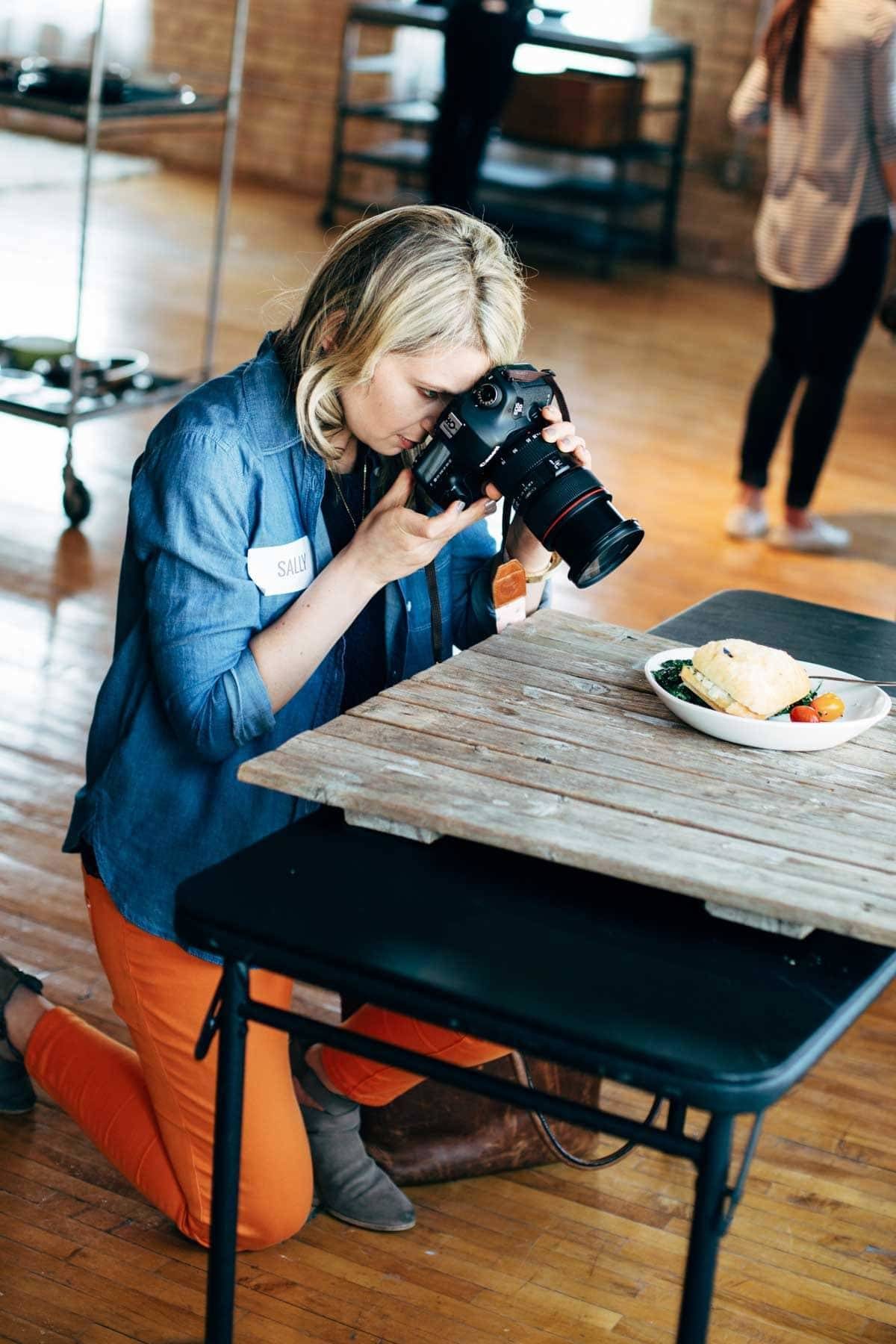
For the attendees who leave Minneapolis with hundreds of photos and new techniques, the experience is transformative. They return to their own kitchens and studios with a heightened eye for detail and a renewed appreciation for the art of the visual narrative. In the end, it is not just about the final image on the screen—it is about the journey of the shutter, the quality of the light, and the shared passion for capturing the beauty of a well-prepared meal. As the series continues to evolve, it remains a vital touchstone for anyone looking to turn their love for food into a stunning, visual story.