Embracing the Waning Light: A Masterclass in Late-Season Garden Design in West Grove, Pennsylvania
As the autumn equinox passes and the first whispers of frost begin to settle over the Mid-Atlantic, many gardeners resign themselves to the "brown-down" of the landscape. However, for Rhonda, a dedicated horticulturist in West Grove, Pennsylvania (USDA Hardiness Zone 7a), the end of the season is not a period of mourning, but a sophisticated transition. Her garden serves as a masterclass in how to curate a space that remains vibrant, lush, and virtually maintenance-free, even as the calendar turns toward winter.
The Philosophy of Abundance: Managing the Landscape
At the core of Rhonda’s gardening success is a shift in perspective regarding maintenance. Rather than fighting the relentless encroachment of nature, she has embraced a strategy of high-density planting. By selecting vigorous, shade-loving perennials that form dense colonies, she has essentially eliminated the need for weeding.
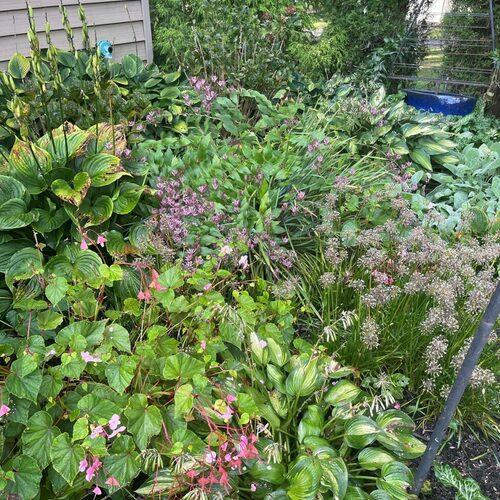
"I’ve been trying to make my gardens more manageable by allowing some plants to take over," Rhonda notes. "The beds with the anemones and hardy begonias don’t have any weeds because there simply isn’t any room left for them to grow."
This approach—often referred to in professional horticulture as "layering" or "plant community design"—mimics natural ecosystems. By choosing plants that thrive in specific ecological niches, such as the dappled shade of a woodland edge, she has created a self-regulating landscape that requires minimal human intervention, proving that the most beautiful gardens are often those that work with, rather than against, the natural habits of their inhabitants.
A Botanical Chronology: The Late-Season Bloomers
Rhonda’s garden provides a compelling look at the specific species that define a transition-season landscape. While the peak of summer is dominated by sun-loving annuals, her garden shifts its focus to the subtle, cool-toned elegance of late-season specialists.
The Hardy Begonia (Begonia grandis)
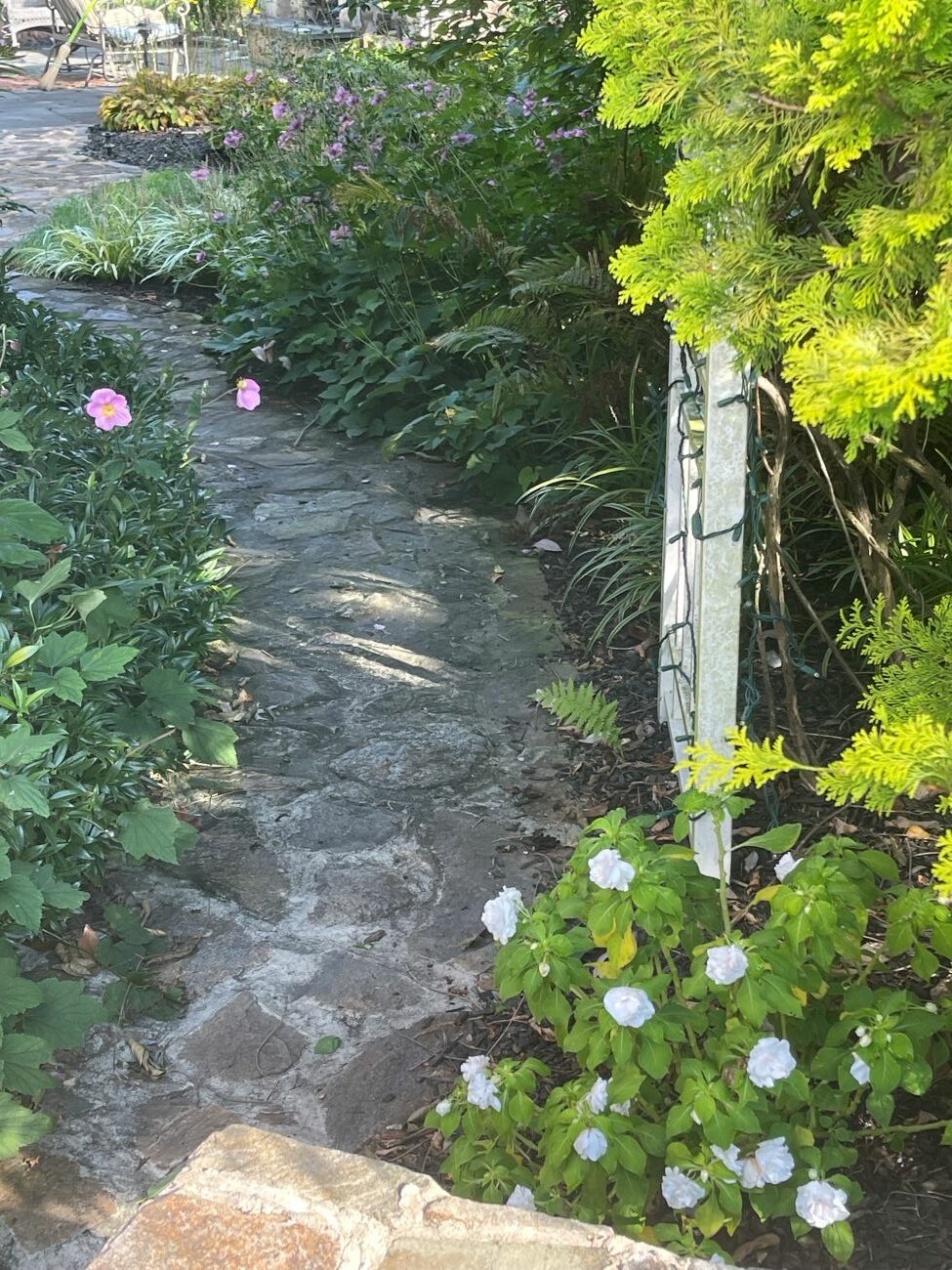
The star of Rhonda’s collection is undoubtedly Begonia grandis. Hardy in Zones 6 through 9, these plants offer a delicate, pink-flowered beauty that defies the common association of begonias with fragile summer pots. In the landscape, they provide a graceful, arching habit that softens the edges of stone pathways and pairs perfectly with the bold, architectural foliage of hostas.
Japanese Anemones (Anemone hybrids)
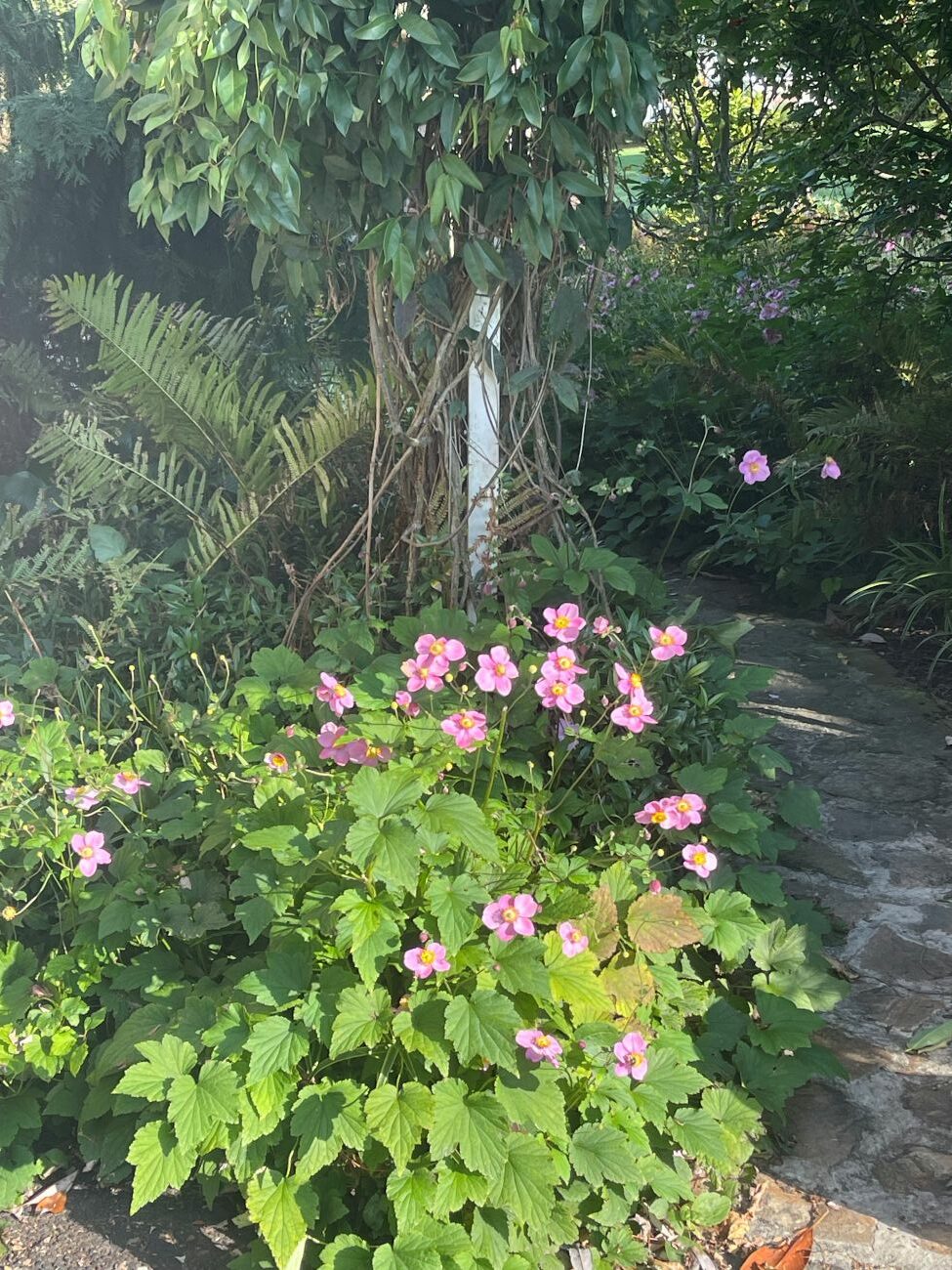
Perhaps no plant signals the arrival of autumn more effectively than the Japanese anemone. In Rhonda’s garden, these perennials create a sea of pink that elevates the shaded borders. They are the backbone of her late-season display, offering a refined, elegant texture that contrasts beautifully with the rugged, weathered stone of her garden paths.
The Surprise of Colchicums
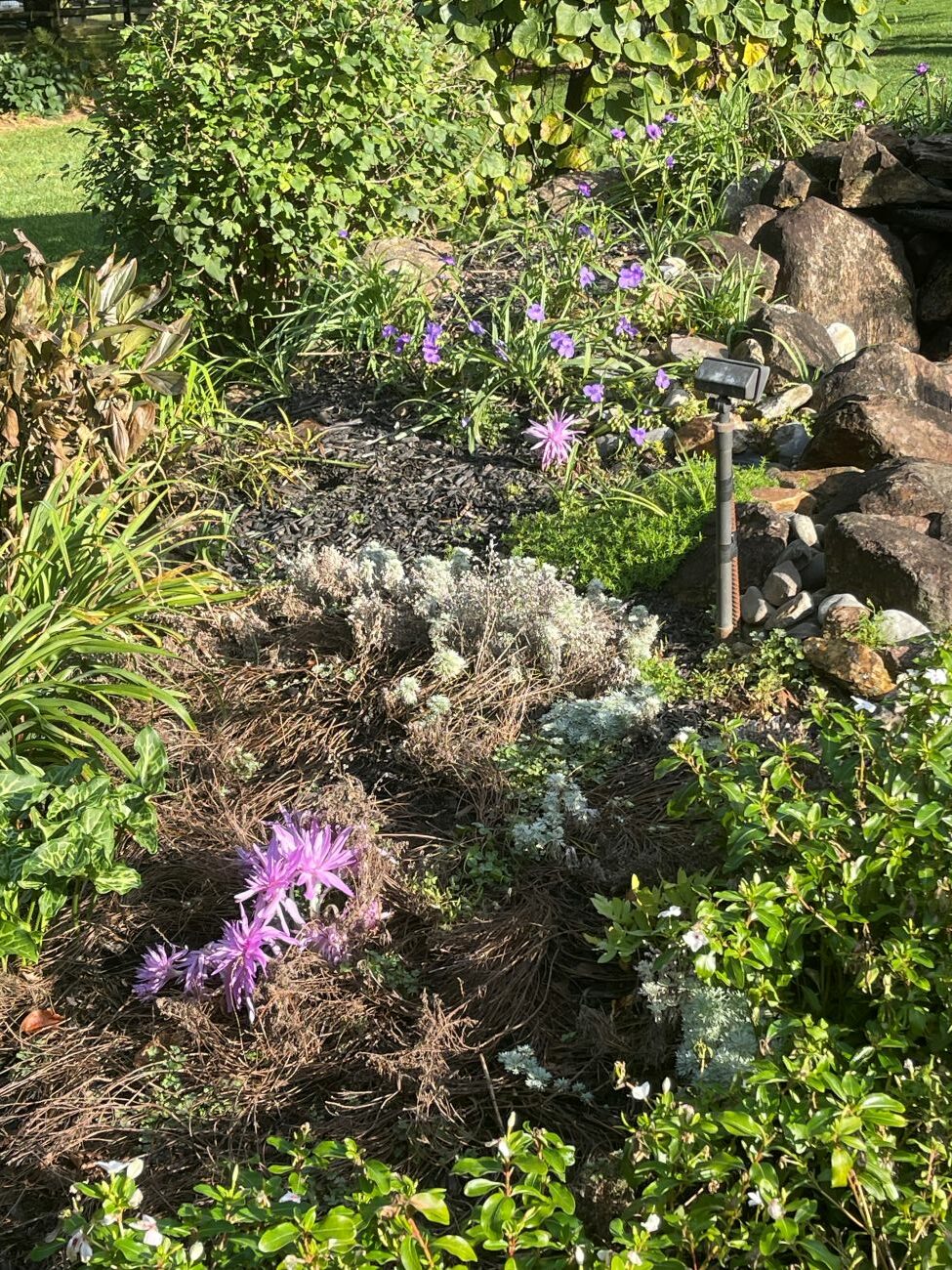
Often confused with autumn crocuses, Colchicum cultivars are a botanical marvel. As Rhonda points out, their lifecycle is a unique quirk of nature: they emerge, bloom, and disappear, leaving behind their foliage only in the spring. Seeing their lavender-pink petals appear amidst the late-season debris of the garden is a "welcome surprise" that provides a splash of color when almost everything else is preparing for dormancy.
Supporting Data: Understanding Zone 7a Gardening
To replicate Rhonda’s success in West Grove, it is essential to understand the climatic parameters of Zone 7a. With average minimum winter temperatures ranging from 0°F to 5°F, gardeners in this region face a distinct set of challenges and opportunities.
- Soil Moisture Management: Because many of the plants featured—such as Tricyrtis (toad lilies) and Hosta—thrive in moisture-retentive, organic-rich soil, maintaining a consistent mulch layer is vital.
- Light Conditions: The garden relies on the filtered light provided by mature trees. This "dense shade" environment is critical for preventing the scorching of broad-leaf perennials during the humid Pennsylvania summers.
- Hardiness Profiles:
- Begonia grandis (Zones 6–9): Fully hardy in 7a, provided they are sited in well-drained soil to prevent winter rot.
- Tricyrtis (Zones 4–9): Perfectly suited for the region, offering late-season interest that thrives as the humidity wanes.
- Colchicum (Zones 4–8): Extremely resilient, requiring little care once established in the bulb-friendly soils of the Mid-Atlantic.
Implications for Future Garden Design: The "New Nature"
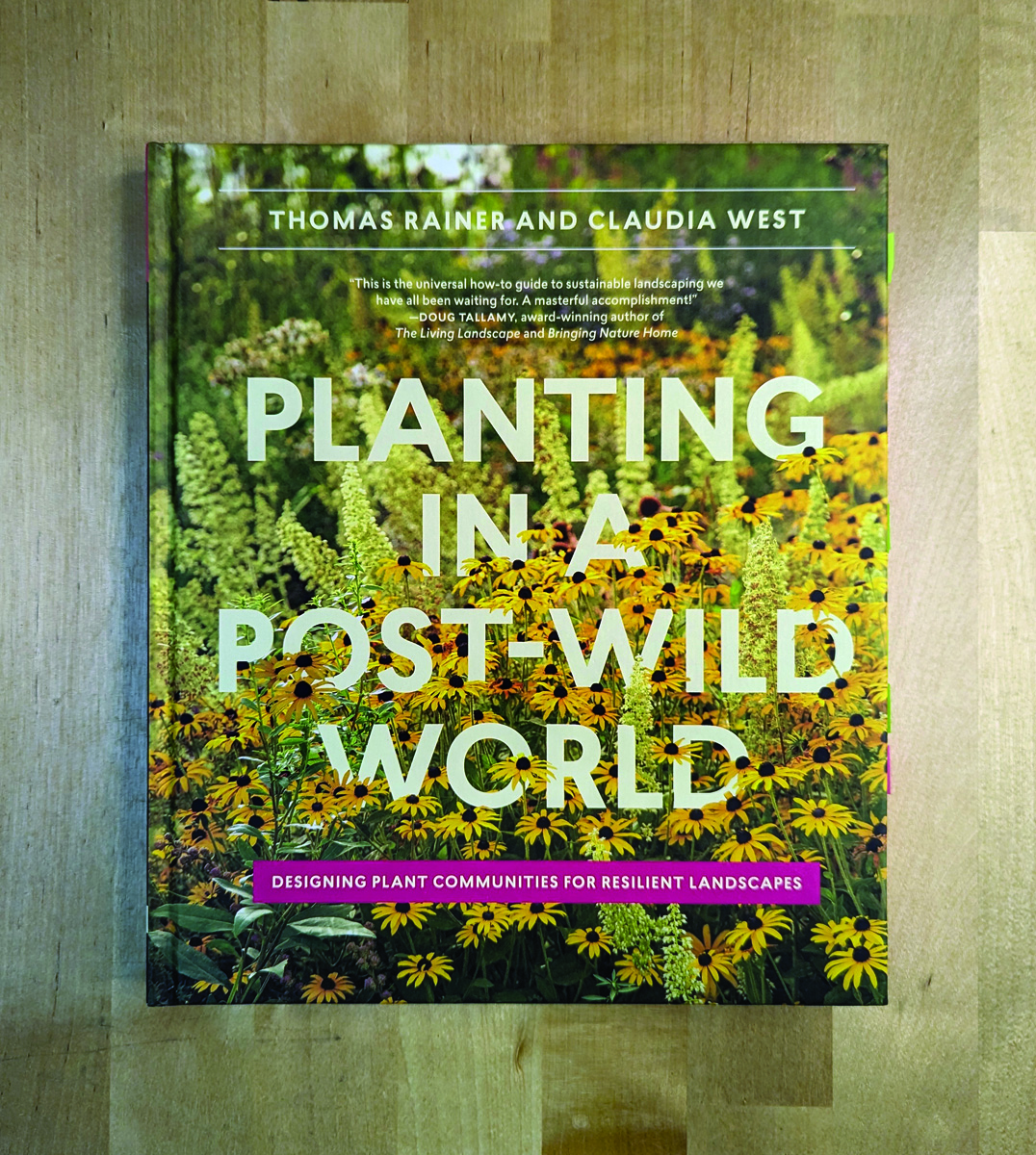
Rhonda’s garden acts as a microcosm of a larger movement in horticulture: the integration of wild-style planting into residential landscapes. As discussed in Planting in a Post-Wild World by Thomas Rainer and Claudia West, the goal for modern gardeners is to create resilient, self-sustaining plant communities.
By choosing species that crowd out weeds and provide year-round interest, Rhonda is moving away from the "high-maintenance, high-input" model of gardening that relies on pesticides, synthetic fertilizers, and constant weeding. Instead, she is cultivating a "hybrid of both the wild and the cultivated." This methodology not only reduces the carbon footprint of the garden but also provides a more robust habitat for local pollinators, who often find themselves starving in the late-season landscape.
Professional Insight: Curating Your Own Late-Season Haven
For those looking to transition their own gardens toward this aesthetic, the following takeaways from Rhonda’s garden are essential:
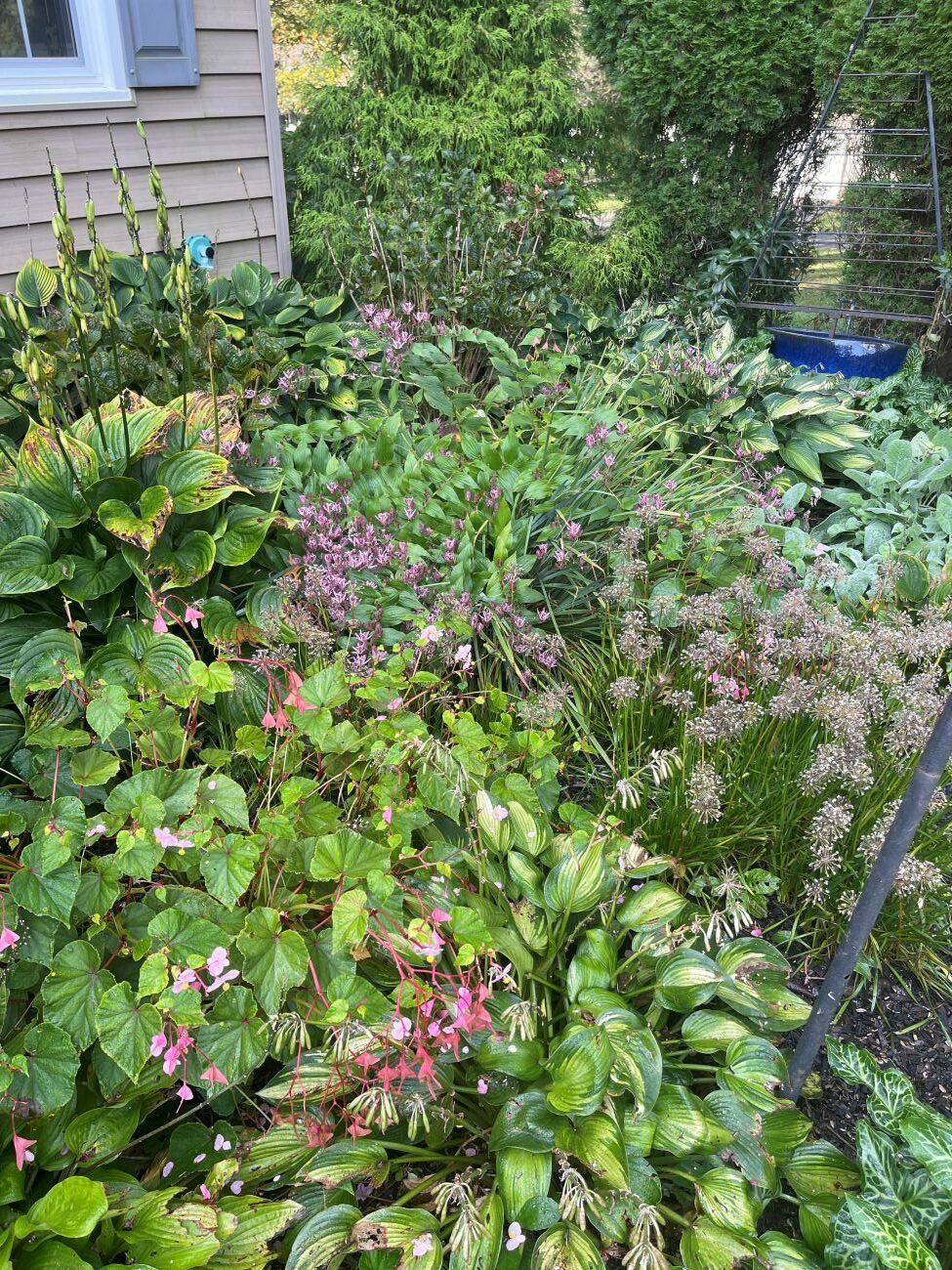
- Prioritize Textural Contrast: The combination of the broad, rounded leaves of Hosta against the airy, delicate blooms of Anemone creates visual tension that keeps the eye moving.
- Utilize Hardscaping: The use of a winding natural stone path does more than provide a walkway; it creates a structural frame that prevents the "overcrowding" from feeling like a mess. It anchors the garden, allowing the plants to spill over the edges with intentionality.
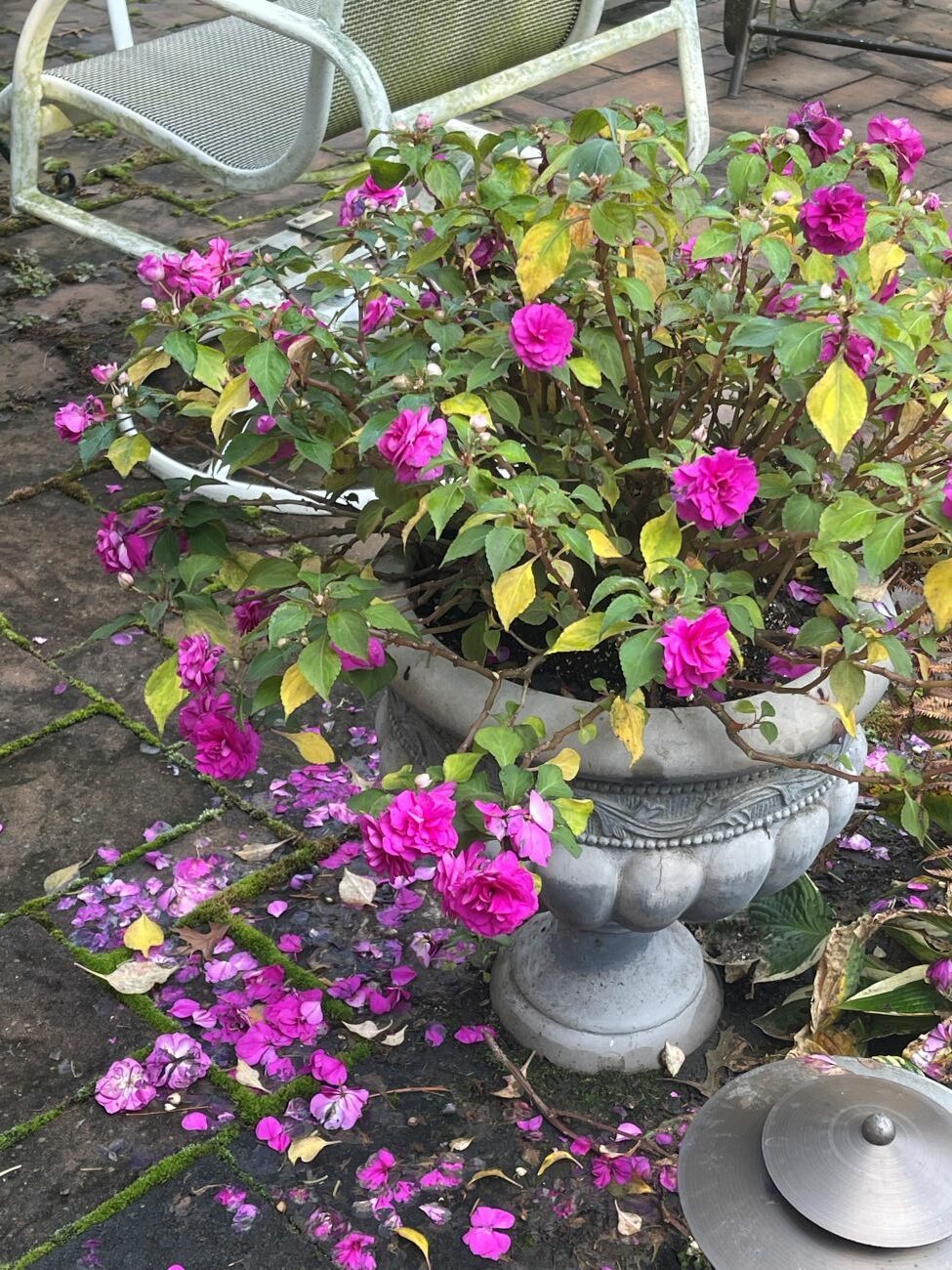
- Incorporate Containers for Focal Points: While the garden beds are naturalistic, the use of a magenta-filled, weathered urn on the brick patio provides a formal focal point. This demonstrates that you can have a "wild" border while maintaining a "contained" outdoor living space.
Conclusion: Redefining Autumnal Beauty
The common assumption in American gardening is that autumn must be defined by the "fall palette"—oranges, deep reds, and muddy yellows. Rhonda’s garden challenges this cultural hegemony by proving that pinks, magentas, and soft lavenders are equally, if not more, striking as the sun sits lower in the sky.
Her success in West Grove serves as an invitation to all gardeners. Whether you are in Zone 7a or elsewhere, the lesson is clear: gardening is a process of curation and patience. By choosing the right plants for your specific shade conditions and allowing them to establish a community, you can create a space that offers beauty even as it winds down.
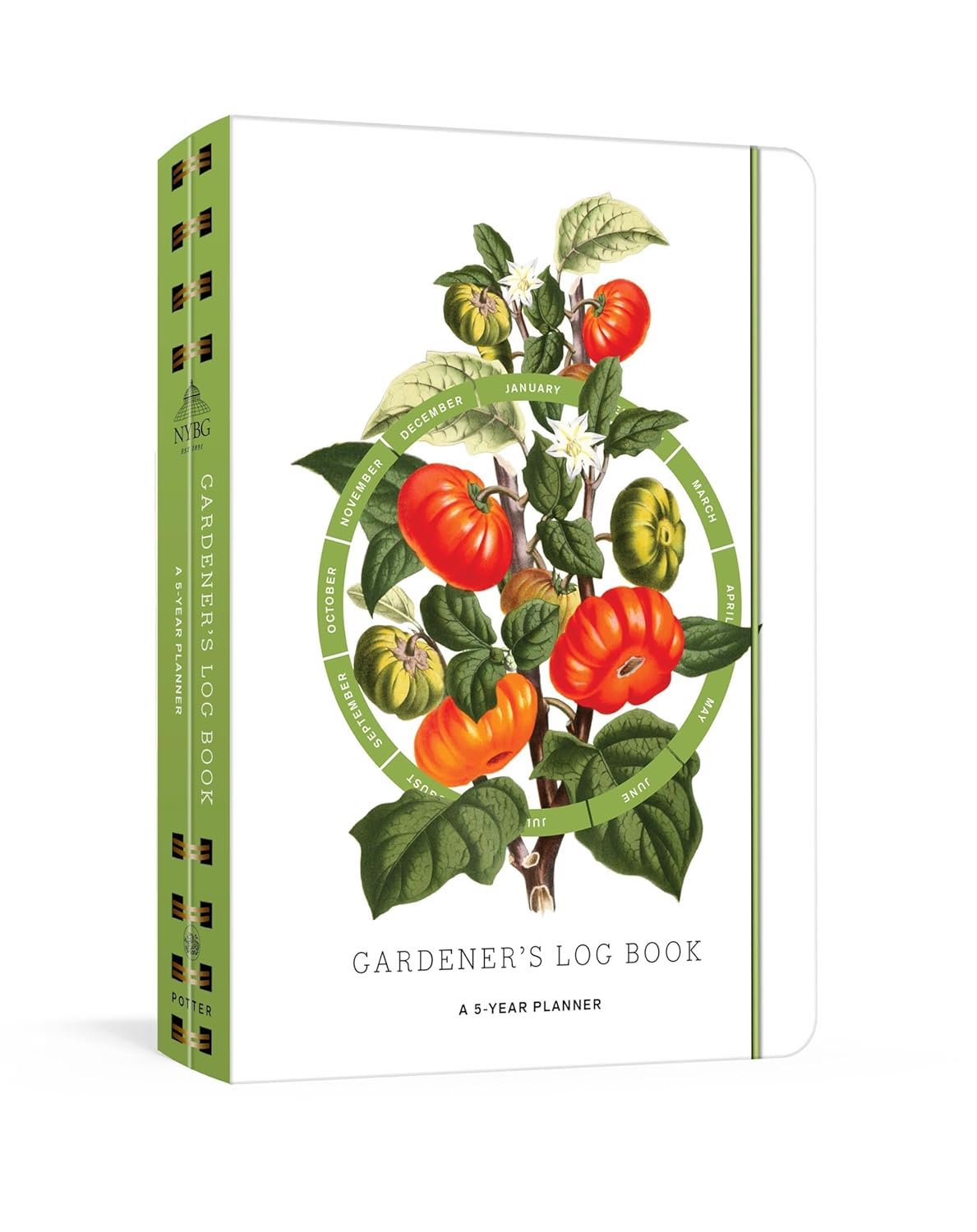
As the season comes to a close, remember that the "waning" garden is not empty. It is simply resting, preparing to offer another year of surprises. For those inspired by Rhonda’s journey, we invite you to document your own progress. Utilizing tools like the Gardener’s Log Book can help you track these subtle seasonal shifts, ensuring that you can replicate your successes and learn from the natural rhythms of your unique microclimate.
How to Contribute to the Community
We want to see the evolution of your garden. Whether it is a thriving perennial border or a small collection of containers on a patio, your experience is invaluable to the GPOD (Garden Photo of the Day) community.
- Submission Process: Please utilize the official Garden Photo of the Day Submission Form to share your images.
- Best Practices for Submissions: When sending your photos (5–10 images), please include a brief description of the plants, your location, and any lessons you’ve learned. We are particularly interested in stories of "successes you are proud of" and "failures you learned from."
- Stay Informed: For those who wish to keep up with the latest in sustainable planting techniques and seasonal design inspiration, ensure you are subscribed to the GPOD email list.
Gardening is a communal act. By sharing our spaces, we not only document the beauty of the world around us but also contribute to the collective knowledge of what it means to be a steward of the land. We look forward to seeing the view from your garden gate.