The Ultimate Freezer Staple: Elevating Your Meal Prep with Nutrient-Dense Veggie Rice
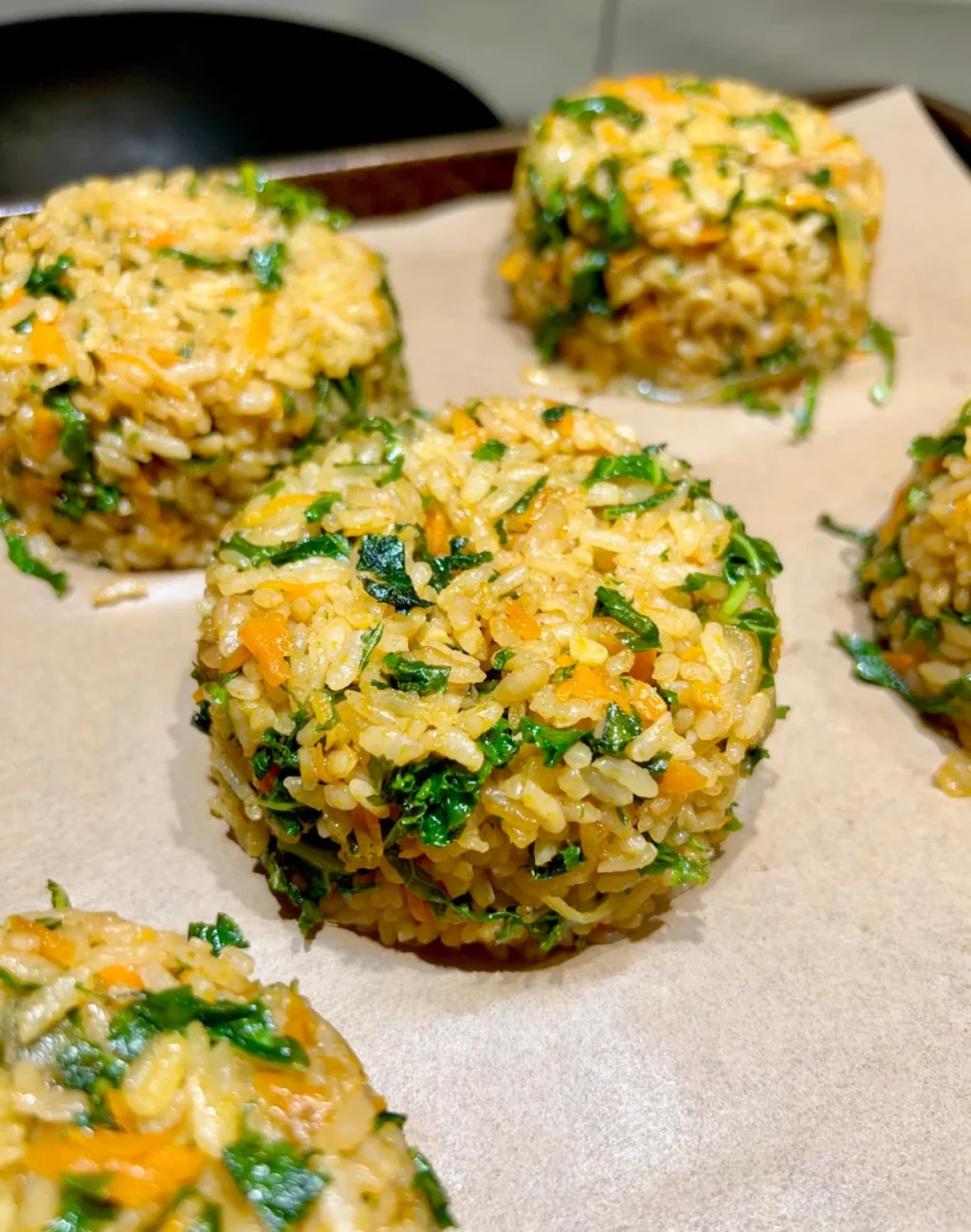
In the fast-paced world of modern nutrition, the greatest barrier to maintaining a healthy diet is often not a lack of willpower, but a lack of time. When the workday ends and exhaustion sets in, the convenience of processed takeout often wins out over the intention of a home-cooked meal. Enter the "Veggie Rice" concept—a strategic culinary solution designed to bridge the gap between busy schedules and nutritional excellence. By focusing on freezer-friendly preparation, this dish offers a versatile, nutrient-packed side that ensures you are never more than a few minutes away from a balanced dinner.
Main Facts: The Concept of Proactive Nutrition
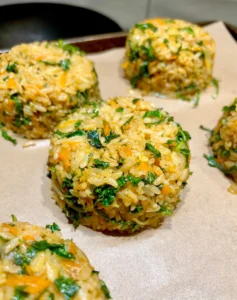
The Veggie Rice recipe, developed as a core component for systematic meal planning, is engineered for longevity and health. Unlike standard white rice, which provides little beyond simple carbohydrates, this iteration integrates fiber-rich vegetables directly into the starch. By utilizing kale, carrots, and onions, the dish transforms a typically caloric-dense side into a micronutrient powerhouse.
Each batch is designed to yield seven generous servings, making it an ideal candidate for weekly meal prep. With a calorie count of approximately 287 per serving, it serves as a balanced foundation for any protein-heavy main course. The nutritional profile—consisting of 45.4g of carbohydrates, 4.9g of protein, and 9.6g of healthy fats—highlights a conscious effort to keep the glycemic index manageable while maximizing the vegetable-to-grain ratio.
Chronology: From Pantry Staples to Freezer Storage
The preparation process for this dish is structured to optimize kitchen efficiency, requiring approximately 55 minutes of total time, split between 15 minutes of prep and 40 minutes of active and passive cooking.
- Preparation (0–15 Minutes): The process begins with the careful dicing of onions and carrots, ensuring uniformity for even cooking. The kale is stemmed and chopped into manageable ribbons, which wilt perfectly into the rice during the steaming process.
- The Cooking Phase (15–40 Minutes): The vegetables are sautéed to unlock their natural sugars—particularly the carrots and onions—before being incorporated into the rice. This step is critical; by building flavor in the base, the final dish requires less added salt or fat, maintaining its status as a healthy staple.
- Cooling and Portioning (40–55 Minutes): Once the rice is fluffy and the vegetables are tender, the mixture must be allowed to cool before portioning. This is a vital step in food safety and texture maintenance; packing hot rice into containers can lead to condensation, which compromises the texture upon reheating.
- Storage: Once cooled, the seven portions are sealed in airtight containers. Because the dish is specifically designed to be freezer-friendly, it retains its integrity for weeks, providing a ready-made solution for last-minute meal assembly.
Supporting Data: Understanding the Nutritional Landscape
The value of this recipe lies in its transparency. By calculating the exact macro-nutritional breakdown, home cooks can integrate this side dish into specific dietary protocols—whether they are tracking macros for athletic performance or simply managing caloric intake for weight maintenance.
| Nutrient | Amount per Serving |
|---|---|
| Calories | 287 kcal |
| Carbohydrates | 45.4 g |
| Protein | 4.9 g |
| Fat | 9.6 g |
| Fiber | 2.3 g |
The inclusion of 2.3g of fiber per serving is a notable benefit, as many white rice preparations are entirely devoid of this essential nutrient. Fiber plays a critical role in satiety, helping to prevent the blood sugar spikes often associated with refined grains. Furthermore, the use of kale introduces Vitamin K, Vitamin C, and antioxidants, while the carrots contribute essential beta-carotene, making this far more than a "filler" food.
Professional Perspectives on Meal Prep
Nutritionists and culinary experts have long championed the "freezer-friendly" approach to meal prep. By removing the decision-making process from the dinner hour, individuals are statistically more likely to adhere to their dietary goals.
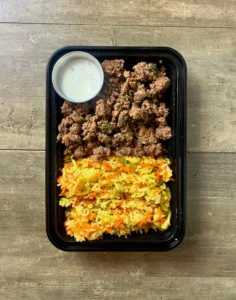
"The psychological burden of cooking every night is the primary reason people abandon healthy eating habits," says one nutrition strategist. "Having a pre-portioned, nutrient-dense base like Veggie Rice in the freezer acts as a safety net. It allows you to quickly add a lean protein, like grilled chicken or tofu, to complete a meal in under five minutes."
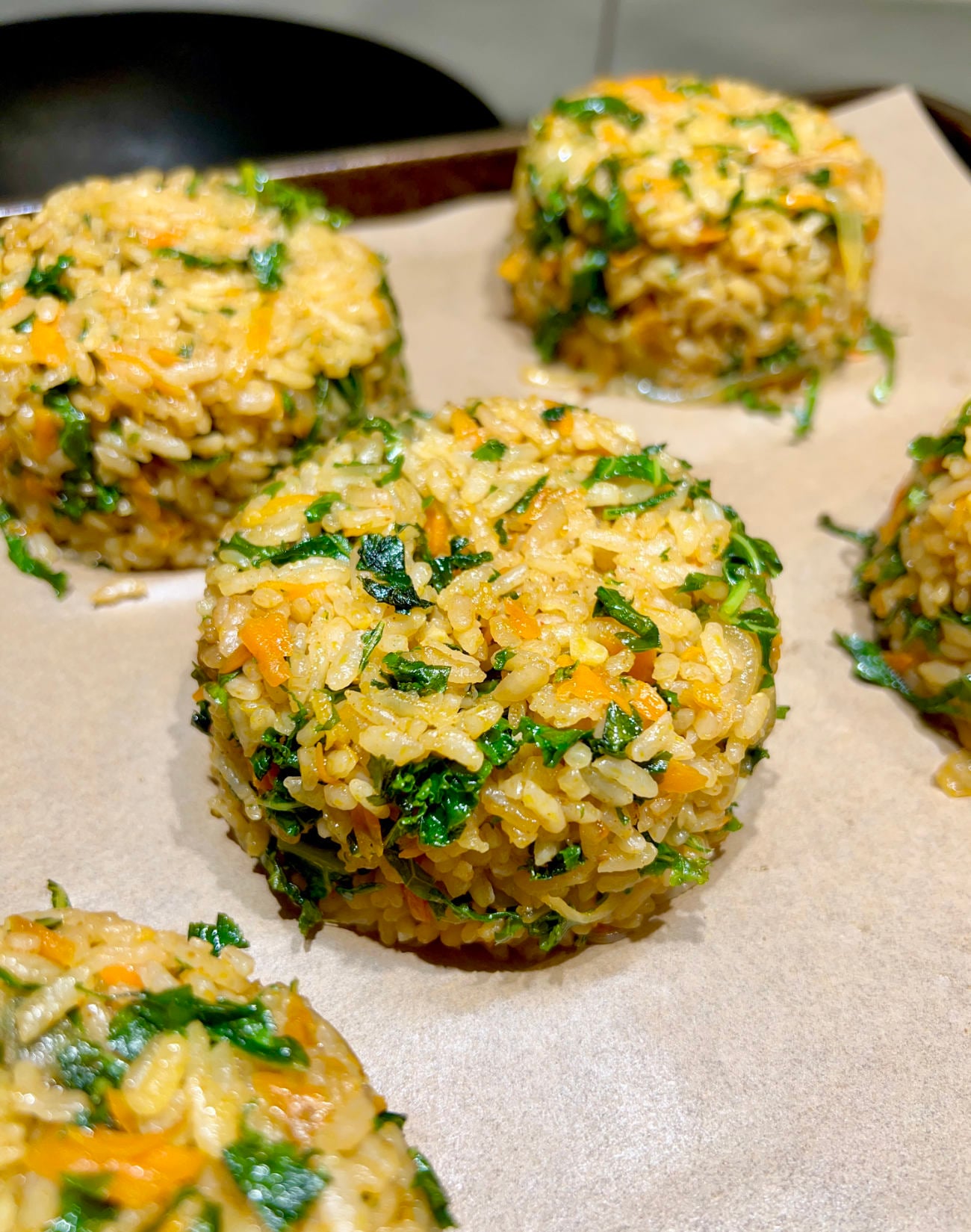
From a culinary standpoint, the challenge with freezing rice is moisture control. This recipe mitigates the risk of mushy rice by balancing the hydration levels during the initial cook. By ensuring the vegetables provide enough moisture without overwhelming the grains, the result is a texture that remains consistent after a thaw-and-reheat cycle.
Implications: The Long-Term Benefits of Strategic Planning
Adopting this style of meal preparation has implications that extend far beyond the kitchen.
Financial Sustainability
Reducing food waste is a hallmark of efficient meal prep. By utilizing vegetables that are often overlooked or discarded, such as the stems of kale or the ends of onions, this recipe aligns with modern sustainability efforts. Furthermore, buying ingredients in bulk to create seven portions at once drastically reduces the cost per meal compared to ordering delivery or purchasing pre-packaged frozen sides.
Dietary Consistency
Consistency is the most important factor in any health journey. When a refrigerator or freezer is stocked with healthy options, the "temptation gap"—the time between feeling hungry and having food ready—is effectively closed. If the Veggie Rice is already prepared, the path of least resistance is to eat a healthy meal rather than reaching for calorie-dense, low-nutrient snacks.
Versatility in Application
While the recipe is titled "Veggie Rice," its applications are limited only by the cook’s creativity. It serves as an excellent base for:
- Stir-fry bowls: Simply toss with soy sauce, ginger, and your protein of choice.
- Stuffed Peppers: Use as a filling for bell peppers, adding black beans for extra protein.
- Breakfast Bowls: Top with a soft-boiled egg and a dash of hot sauce for a savory start to the day.
Concluding Thoughts
The Veggie Rice recipe is a testament to the idea that healthy eating does not need to be complicated or time-consuming. By leveraging the principles of meal prep and focusing on nutrient-dense, shelf-stable ingredients, home cooks can reclaim their time and their health.
As you embark on incorporating this into your routine, remember that the "Servings" field in your meal tracking app is the key to maintaining accuracy. If you choose to deviate from the seven-serving standard, ensure you recalculate the nutritional intake based on the adjusted ingredient ratios. Whether you are a busy professional, a student, or a parent managing a household, this recipe provides a scalable, reliable, and delicious solution to the perpetual question: "What’s for dinner?"
By standardizing your sides, you create the space to focus on the elements of your life that truly matter, knowing that your nutrition is handled, measured, and ready to go whenever you are.