The Ultimate Freezer-Friendly Solution: Mastering Broccoli Cheddar Rice for Efficient Meal Prep
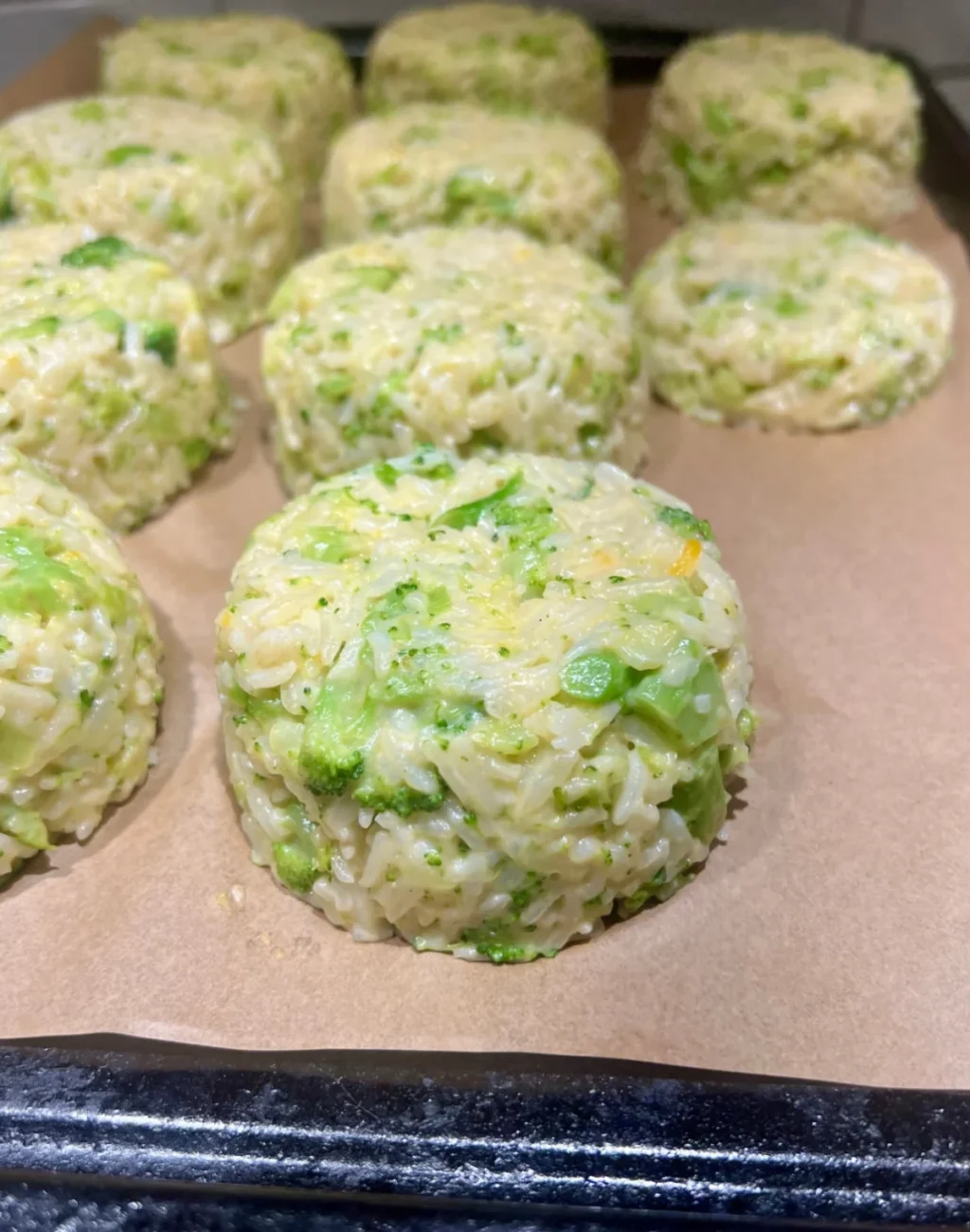
In the modern culinary landscape, where the demand for efficiency often clashes with the desire for wholesome, comforting nutrition, home cooks are constantly seeking solutions that bridge the gap between "fast food" and "home-cooked." Enter the Broccoli Cheddar Rice—a dish that has quietly become a cornerstone for meal prep enthusiasts. Combining the nostalgic, creamy textures of classic comfort food with the structural integrity required for long-term freezer storage, this recipe serves as a masterclass in culinary planning.
Main Facts: The Intersection of Convenience and Nutrition
At its core, Broccoli Cheddar Rice is designed to solve the "what’s for dinner" dilemma that plagues busy households. By preparing this dish in bulk, you create a reservoir of high-quality, pre-portioned sides that require nothing more than a few minutes in the microwave to return to their original, velvety state.
The beauty of this dish lies in its balance. With approximately 282 calories per serving, it offers a satiating profile without overwhelming the daily caloric intake. The macronutrient breakdown—roughly 37.8g of carbohydrates, 10.3g of protein, and 10g of fat—makes it an exceptionally versatile side dish. Whether you are pairing it with grilled chicken, a seared steak, or enjoying it as a meat-free, vegetarian-friendly base, it provides the energy density required for a active lifestyle.
Furthermore, its status as a gluten-free option broadens its accessibility, catering to those with dietary sensitivities without sacrificing the richness of a traditional cheese-based sauce.
A Chronological Guide to Preparation
To achieve the perfect, freezer-ready consistency, the preparation process must be approached with precision. This 55-minute endeavor is broken down into three distinct phases: preparation, cooking, and assembly.
Phase 1: The Foundation (0–25 Minutes)
The initial prep time is dedicated to mise en place. This involves cleaning and floretting the broccoli to ensure uniform size, which is critical for consistent cooking. During this window, you should also measure your rice and prepare your aromatics. The key to a successful freezer-ready dish is to slightly undercook the rice—the process of freezing and subsequent reheating acts as a secondary cooking phase. If the rice is fully soft before it hits the freezer, it will turn to mush upon reheating.
Phase 2: The Culinary Execution (25–55 Minutes)
The cooking phase involves a two-pronged approach: steaming the broccoli to retain its vibrant color and essential nutrients, and crafting the cheese sauce. A professional-grade cheese sauce is built on a roux—a mixture of fat and flour—which acts as the thickening agent. By whisking in high-quality cheddar and allowing it to emulsify slowly, you create a stable sauce that will not "break" or separate when subjected to the harsh temperatures of the freezer.
Phase 3: Assembly and Preservation
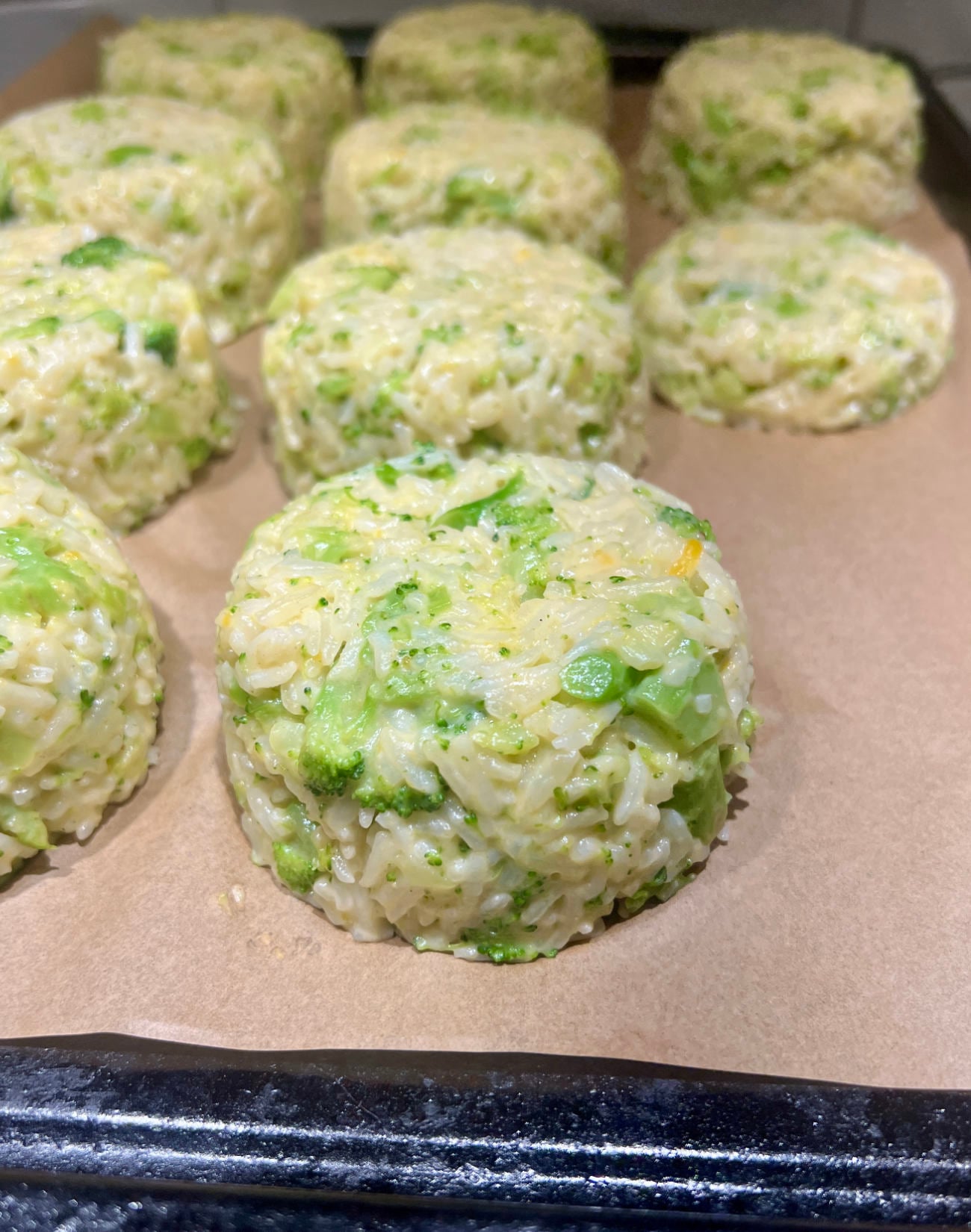
Once the rice, broccoli, and cheese sauce are integrated, the mixture should be spread onto a sheet pan. This is a vital, often overlooked step. By spreading the mixture thin, you allow for rapid cooling. Rapid cooling prevents the growth of bacteria and ensures that the texture remains consistent throughout the entire portion. Once cool, it is portioned into airtight, freezer-safe containers.
Supporting Data: Why This Method Works
The science of freezing prepared meals is rooted in moisture management and starch retrogradation. When rice is cooked and then cooled, the starch molecules reorganize, making them more resistant to the breakdown that typically occurs during reheating.
By incorporating a rich, fat-heavy cheese sauce, you provide a protective barrier around the rice grains. This "coating" helps mitigate the formation of ice crystals—the primary culprit behind freezer burn and degradation of quality. When you microwave the portioned serving, the fat in the cheese sauce melts, essentially "re-lubricating" the rice and restoring the creamy mouthfeel that defines the dish.
The nutritional profile, as estimated, is based on a standard 9.5-serving yield. It is important for consumers to note that this is a baseline. Modifications to the cheese-to-rice ratio or the inclusion of additional fiber-rich vegetables will naturally shift these numbers.
Official Perspectives on Meal Prep Efficiency
Industry experts in nutrition and culinary arts suggest that the rise of "batch cooking" is a direct response to the rising costs of pre-packaged convenience foods. "The Broccoli Cheddar Rice model is the gold standard for home meal prep," says one nutrition consultant. "It encourages the use of whole foods—fresh broccoli, real cheese, and grains—while eliminating the reliance on the high sodium and preservative content found in commercially processed frozen meals."
The financial implications are also significant. By purchasing ingredients in bulk and preparing them during a Sunday afternoon window, households can reduce their per-serving cost by nearly 60% compared to purchasing individual, store-bought frozen side dishes.
Implications for the Modern Diet
The long-term implication of incorporating such dishes into a weekly routine is a more stable blood sugar response and improved dietary adherence. When a healthy, delicious, and "ready-to-go" option is available in the freezer, the temptation to opt for high-calorie, low-nutrient takeout decreases significantly.
Moreover, the versatility of this dish allows for "component cooking." You might make a large batch of the base and vary your protein sources throughout the week. This reduces "flavor fatigue"—a common reason why people abandon meal prep plans after only a few days.
As we look toward the future of home dining, the emphasis remains on the "low effort, high reward" paradigm. The Broccoli Cheddar Rice is not just a recipe; it is a strategy. By reclaiming time in the kitchen and prioritizing the quality of our freezer inventory, we can successfully navigate the complexities of modern living without sacrificing the comfort of a home-cooked meal.
Quick Tips for Success:
- The Container Matters: Always use glass or high-quality BPA-free plastic containers. Leave a small amount of headspace to allow for expansion during the freezing process.
- Reheating Technique: If possible, reheat in 60-second intervals, stirring in between. This ensures that the heat is distributed evenly throughout the cheese sauce, preventing hot spots and cold centers.
- Flavor Boosting: Consider adding a pinch of smoked paprika or red pepper flakes to the cheese sauce for an elevated, professional flavor profile that holds up exceptionally well even after weeks in the freezer.