A Critical Intersection: Genetic Evidence Links Nara Organics and ByHeart Infant Botulism Outbreaks

By the Food Safety Magazine Editorial Team
The U.S. food safety landscape has been significantly altered following the conclusion of a harrowing multistate infant botulism outbreak linked to Nara Organics Whole Milk Organic Powdered Infant Formula. While the outbreak, which saw four infants hospitalized across California, Pennsylvania, and Washington, has officially ended, the implications of the investigation are only beginning to unfold.
New whole genome sequencing (WGS) evidence, coupled with critical findings regarding supply chain transparency, has confirmed that the 2026 Nara Organics outbreak and the devastating 2025 ByHeart infant formula outbreak share a common, dangerous origin. This revelation has sent shockwaves through the infant nutrition industry, forcing regulators and manufacturers to confront the reality that Clostridium botulinum—a pathogen long dismissed as a minimal risk in dry formula manufacturing—must now be viewed as a significant, foreseeable hazard.
The Chronology of the 2026 Nara Organics Outbreak
The Nara Organics outbreak began in the spring of 2026, with illness onset dates recorded between April and May. As health officials across three states identified cases of infant botulism—a rare but potentially fatal paralytic illness caused by a nerve toxin produced by C. botulinum—the investigation into the common denominator began.
All four affected infants were hospitalized due to the severity of their symptoms. Fortunately, no deaths were reported during this specific event. The investigation proceeded with urgency, with the last case identified on July 3, 2026. Since that date, no new illnesses have been linked to the product. While the immediate public health crisis has subsided, the forensic work conducted by the U.S. Food and Drug Administration (FDA) has provided a definitive, if disturbing, link to the past.
WGS: The Smoking Gun of Microbial Forensics
The core of the investigation relied on high-resolution WGS analysis, a gold-standard tool in modern foodborne illness surveillance. Scientists compared C. botulinum isolates recovered from the Nara-affected infants against a library of samples collected during the 2025 ByHeart outbreak, which resulted in 48 illnesses across 17 states.
The genetic match was unmistakable. A C. botulinum isolate taken from a patient in the Nara outbreak was found to be genetically indistinguishable from:
- A clinical isolate from an infant involved in the 2025 ByHeart outbreak.
- A sample of the powdered infant formula base used by ByHeart.
- Four distinct samples collected from unopened cans of ByHeart formula.
This genetic evidence serves as the “smoking gun” that bridges the two events. The FDA concluded that the common denominator was not just a brand or a facility, but an ingredient: organic powdered whole milk sourced from the same supplier and processed by the same entity. Specifically, the implicated lots of both Nara Organics and ByHeart formula utilized milk supplied by Organic West Milk (OWM) and spray-dried by Dairy Farmers of America (DFA).
The Traceability Gap and Supply Chain Omissions
Perhaps the most contentious aspect of the investigation is the revelation of a significant traceability failure. During the initial 2025 investigation into the ByHeart formula, the FDA conducted a "traceforward" effort to determine if other manufacturers were using the same contaminated milk powder.
At that time, Organic West Milk (OWM) provided the FDA with a customer list that was, according to subsequent disclosures, incomplete. OWM failed to disclose that it had supplied milk to the manufacturers of Nara Organics. It was not until the Nara investigation was already underway in June 2026 that the company updated its disclosures, admitting that the prior information provided to federal regulators was inaccurate.
This gap in transparency highlights a critical vulnerability in the infant formula supply chain. If regulators are provided with incomplete data, the ability to initiate rapid, targeted recalls is fundamentally compromised, potentially leaving thousands of infants exposed to contaminated products.
The Mystery of the Contamination Point
Despite the definitive genetic link, the FDA’s investigation remains ongoing regarding the exact point of contamination. The agency has stated that there is currently insufficient evidence to pinpoint whether the C. botulinum entered the product during the initial milk collection phase or during the spray-drying process at the DFA facility.
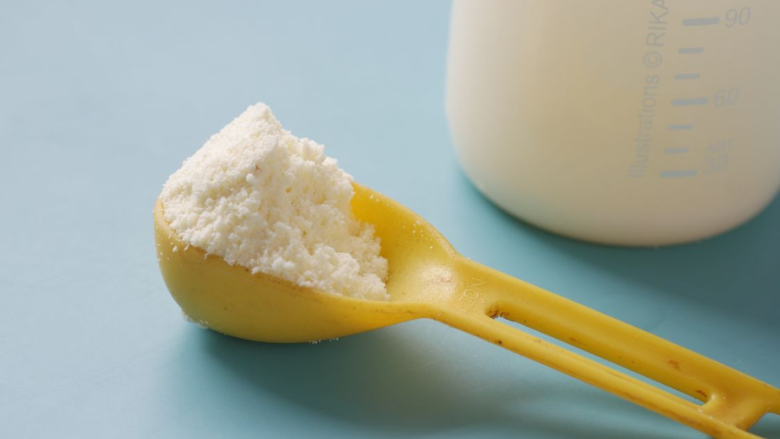
Spray-drying is a high-heat process generally expected to kill vegetative bacteria; however, C. botulinum is a spore-forming bacterium. Spores are notoriously resilient, capable of surviving high temperatures and harsh environmental conditions. The inability to distinguish between contamination at the farm level versus the processing plant highlights the complexity of ensuring the safety of powdered dairy ingredients.
For now, the root cause analysis continues. The FDA is scrutinizing sanitation protocols, equipment maintenance, and environmental monitoring programs at both OWM and DFA to determine how such a resilient pathogen infiltrated the production chain of two separate brands.
Implications for the Infant Formula Industry
The back-to-back nature of these outbreaks has dismantled the long-standing industry assumption that Clostridium botulinum is not a "hazard reasonably likely to occur" (HRLOC) in the production of powdered infant formula. Historically, manufacturers focused primarily on Cronobacter and Salmonella as the primary microbial threats in dry dairy powders. These two outbreaks have forced a paradigm shift.
1. Reassessing Preventive Controls
Food safety experts are now calling for a mandatory update to Hazard Analysis and Risk-Based Preventive Controls (HARPC) plans across the industry. If C. botulinum is now considered a foreseeable hazard, manufacturers must implement targeted preventive controls, such as enhanced spore-testing protocols for raw milk ingredients and stricter environmental monitoring for anaerobic bacteria within processing plants.
2. International Standards and Codex Alimentarius
The concern is not limited to the United States. In July 2026, the Food and Agriculture Organization of the United Nations (FAO) and the World Health Organization (WHO) Expert Meetings on Microbiological Risk Assessment (JEMRA) recommended significant updates to the Codex Alimentarius guidance. Specifically, they proposed that the Code of Hygienic Practice for Powdered Formula for Infants and Young Children be updated to account for emerging microbiological hazards, including Clostridia and B. cereus.
The international community is signaling that the era of treating powdered infant formula as a "low-risk" dry product is over. The global regulatory framework is moving toward a more stringent, science-based approach that acknowledges the persistence of spore-forming pathogens.
3. Supply Chain Accountability
The Nara/ByHeart investigation serves as a cautionary tale for ingredient sourcing. The traceability gap provided by OWM has prompted calls for more rigorous federal oversight regarding ingredient supplier verification. Under the Food Safety Modernization Act (FSMA), manufacturers are responsible for the safety of their entire supply chain, but these outbreaks demonstrate that when suppliers are less than transparent, the "verify" component of the supplier verification program can fail.
Conclusion: A Path Toward Greater Vigilance
The conclusion of the Nara Organics outbreak is a relief to the families affected, but it is not the end of the story for food safety professionals. The genetic link between these two events provides a roadmap for what went wrong, but it also underscores how much work remains to be done.
As the industry grapples with these findings, the focus must shift from reactive crisis management to proactive risk mitigation. This means investing in more sophisticated pathogen detection, demanding radical transparency from ingredient suppliers, and accepting that in the realm of infant nutrition, "low risk" is a status that must be earned through constant vigilance rather than assumed by legacy industry standards.
The infants of 2025 and 2026 deserve a food safety system that learns from these tragedies. As the FDA continues its root cause investigation, the rest of the industry must take note: the safety of the most vulnerable consumers depends on a fundamental change in how we perceive, test for, and control the most persistent of pathogens.
For those seeking quick answers or guidance on food safety protocols and regulatory updates, Food Safety Magazine offers the "Ask FSM" tool, a smart AI-powered resource designed to help industry professionals navigate the complexities of modern food safety.