A Sanctuary of Serenity: Exploring the Lush Shade Gardens of Wyndmoor
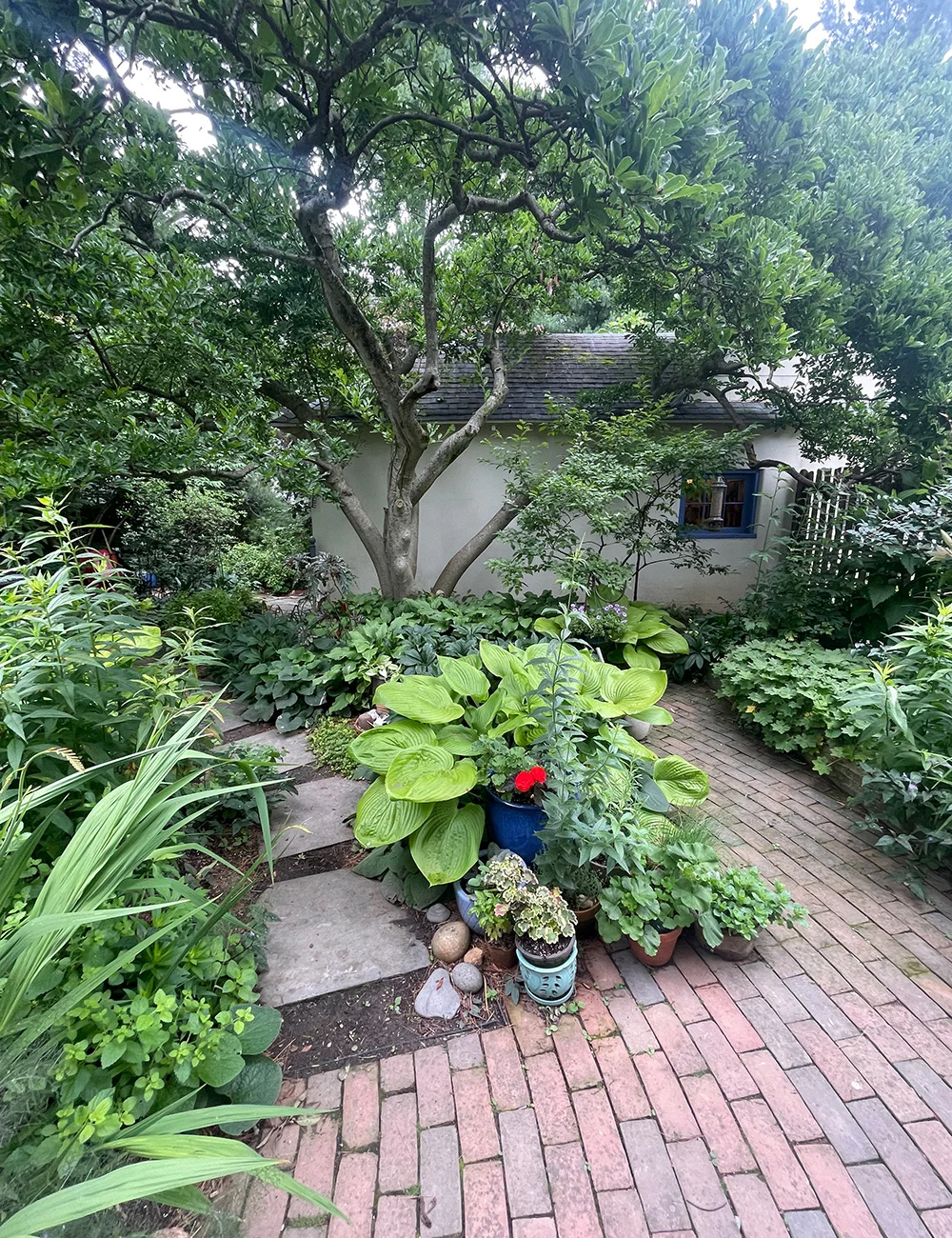
In the heart of Wyndmoor, Pennsylvania, lies a horticultural retreat that defies the sweltering intensity of midsummer. This private oasis, cultivated with a keen eye for color theory and texture, serves as a masterclass in shade gardening. Submitted to the Garden Photo of the Day (GPOD) community by Eric Sternfels, the garden belongs to Lucretia Robbins, a visionary gardener who has transformed a narrow residential plot into a rhythmic, cooling escape.
Through a sophisticated use of ferns, curated containers, and striking blue accents, Robbins has created an environment that feels less like a backyard and more like a carefully composed botanical gallery.
The Architecture of the Garden: A Chronological Evolution
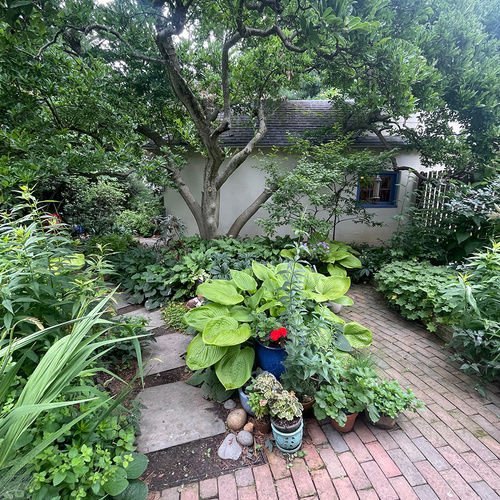
The story of the Robbins garden is one of patient accumulation and artistic vision. Over the years, what began as a standard suburban landscape has evolved into a multi-functional space. The site is characterized by its long, narrow footprint, a layout that presented a unique design challenge: how to maintain a sense of openness while providing privacy and intrigue.
The solution came in the form of a serpentine path crafted from wood mulch, which winds through the property, forcing the visitor to slow down and experience the garden in a linear, deliberate progression. This path serves as the spine of the garden, connecting various "rooms" or vignettes that transition from high-intensity color near the home’s entry to the deep, verdant quietude of the rear shade zones.
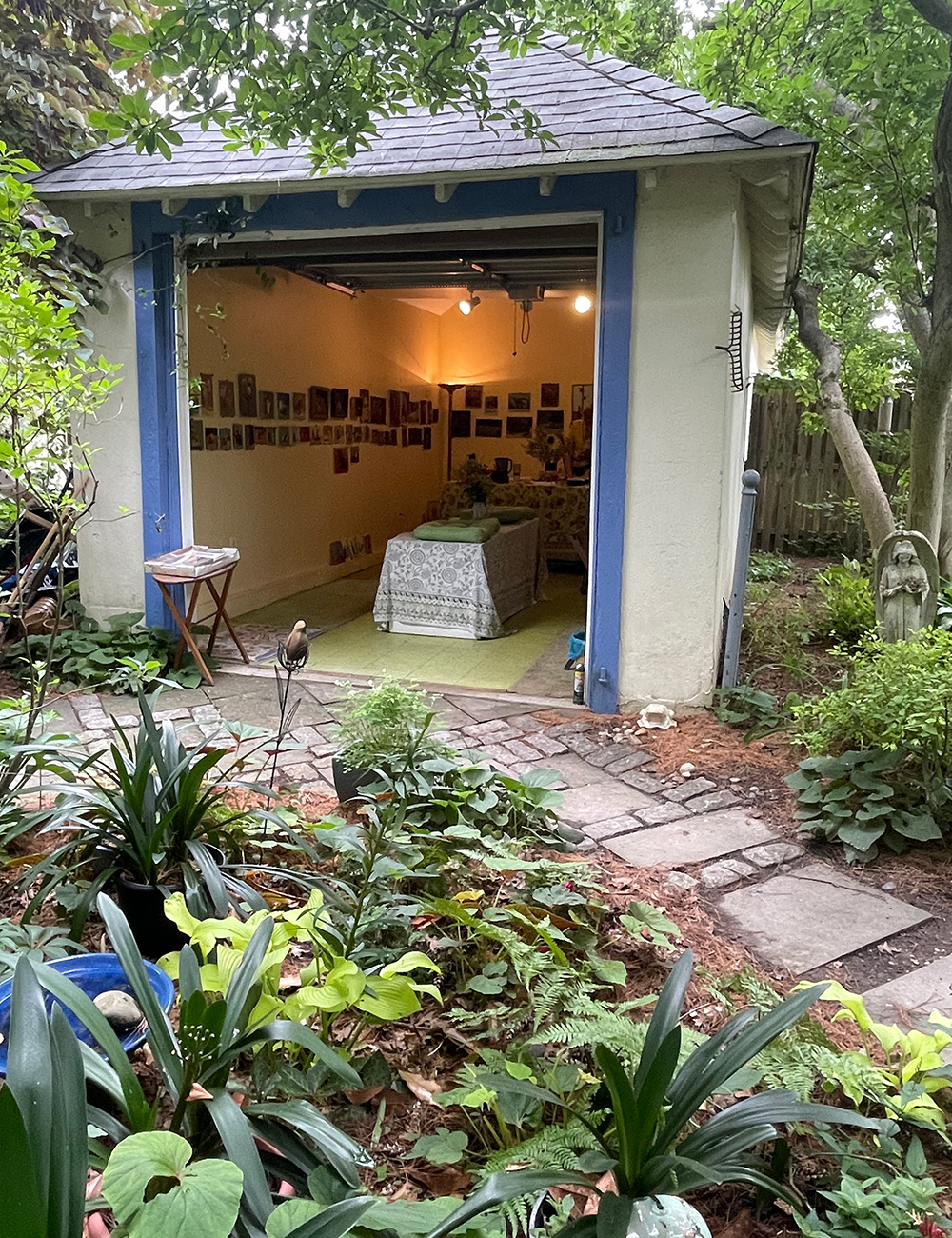
Years ago, the space functioned as a community-centric hub, hosting art-making sessions for local students. Today, the garden has matured into a more contemplative space, with a converted single-car garage now serving as a professional-grade art studio. This studio, which frequently opens its doors to local painters on weekends, acts as a bridge between the natural world and the creative arts, cementing the garden’s role as a cultural cornerstone in the Wyndmoor community.
Design Philosophy: Color, Texture, and Scale
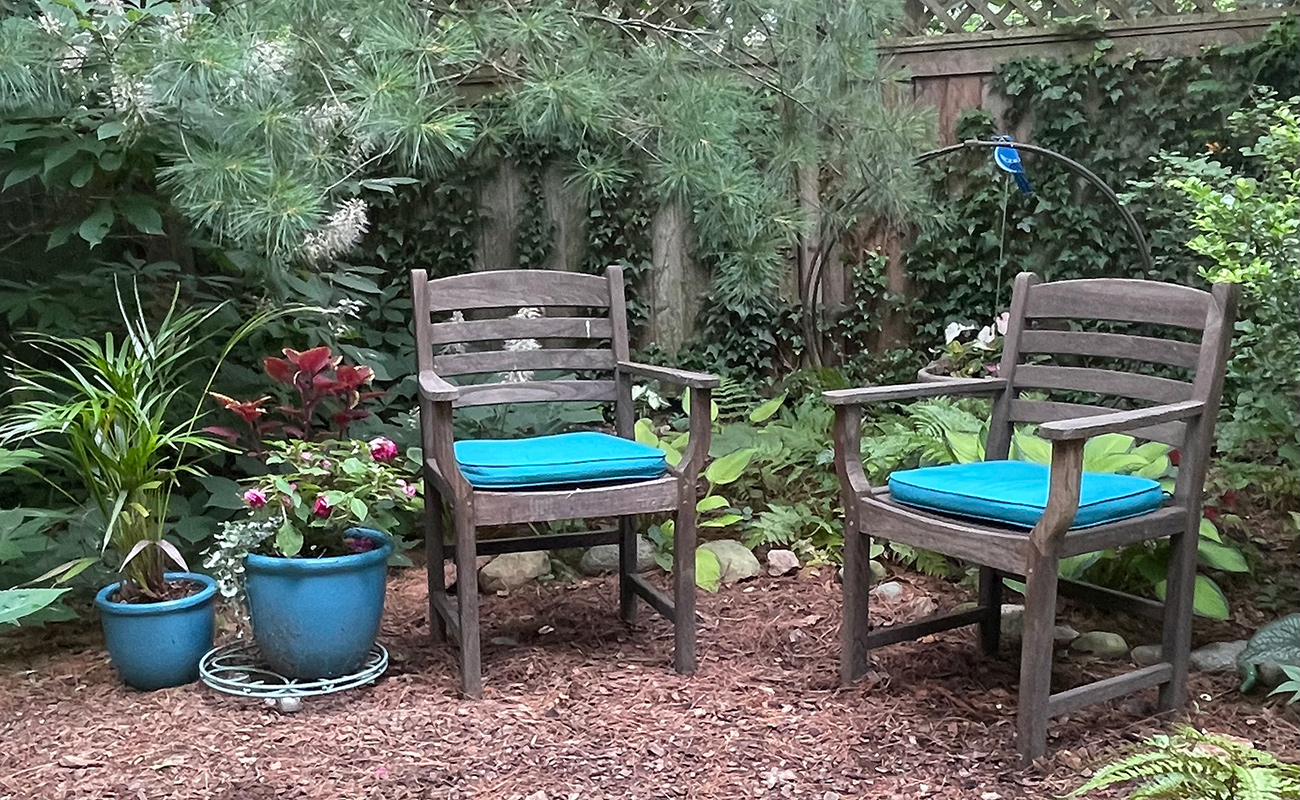
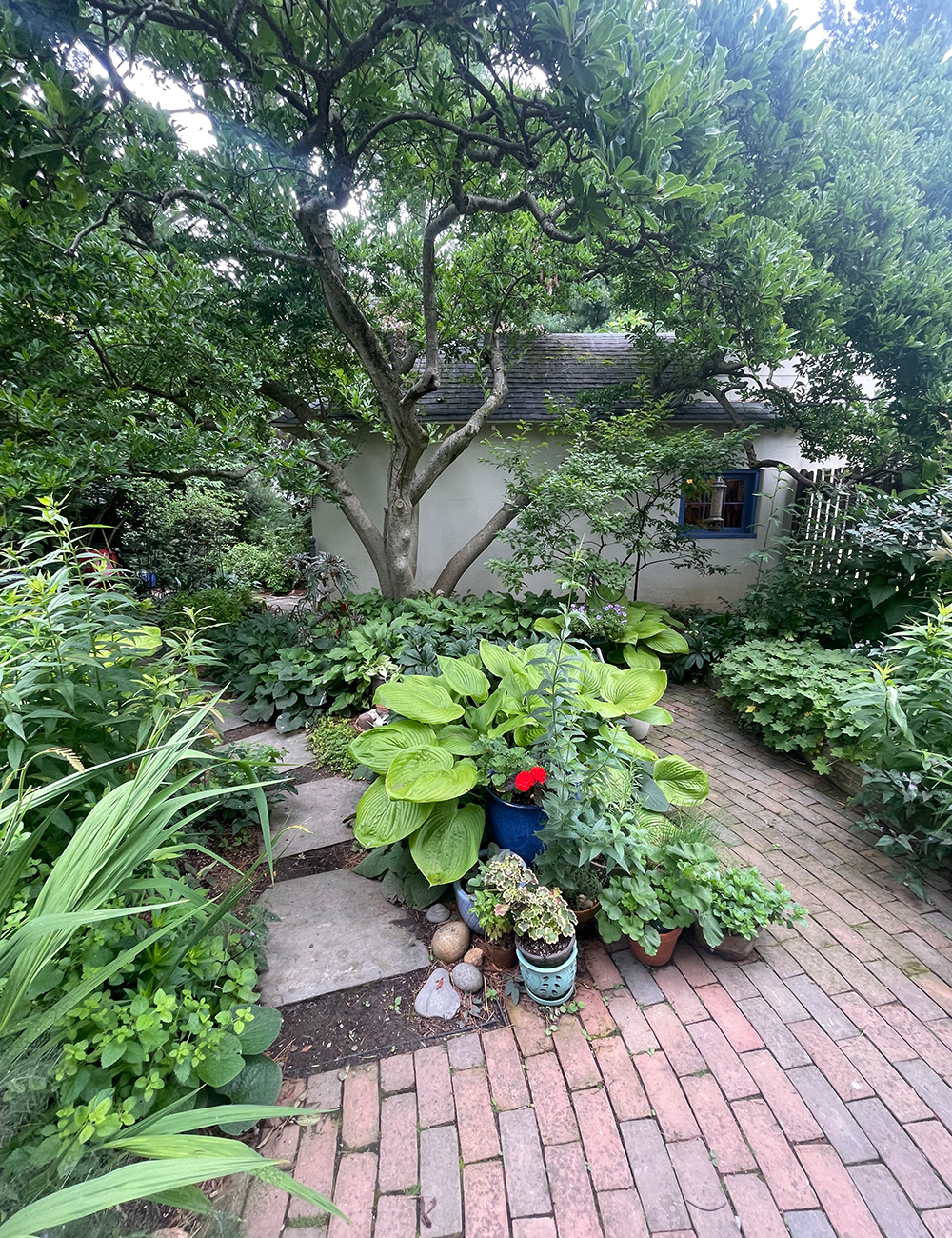
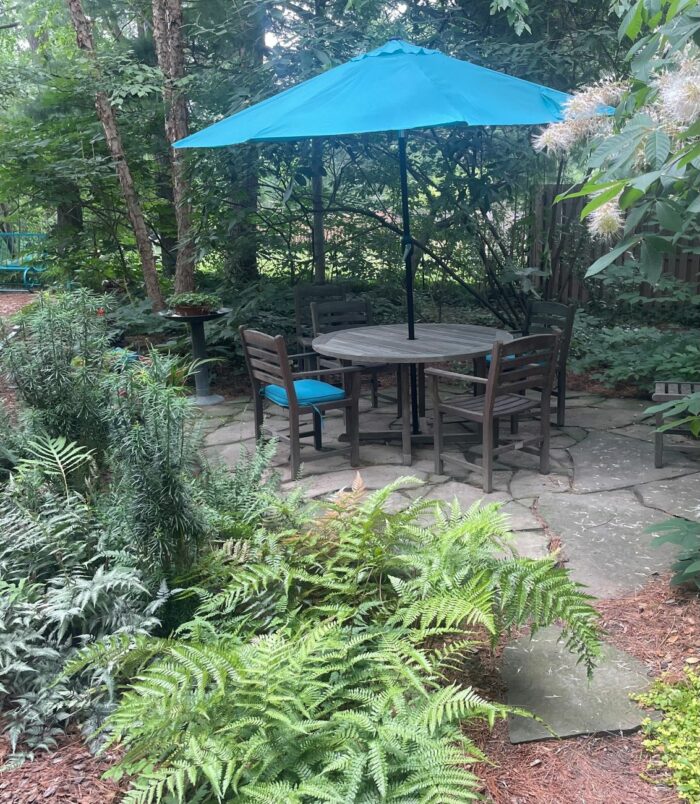
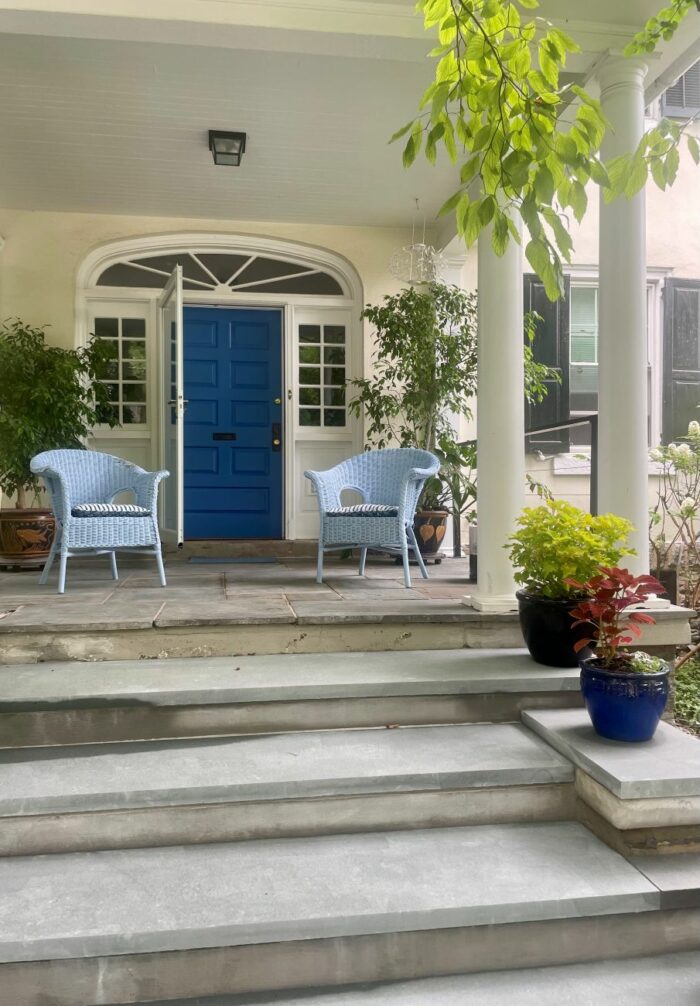
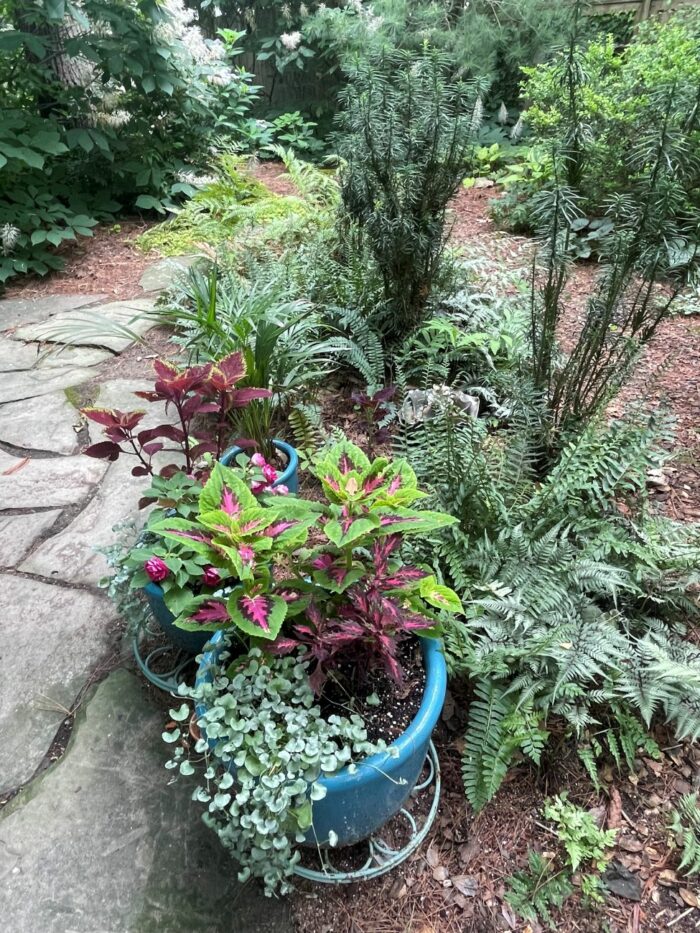
The garden’s aesthetic success is rooted in a disciplined color palette—specifically, the repeated use of cobalt and turquoise. These cool tones, reflected in glazed ceramic pots, chair cushions, and decorative garden stakes, act as a visual anchor against the lush, chaotic greens of the shade-loving flora.
The Power of Foliage
At the core of the garden’s design is a robust selection of ferns, which provide the essential cooling effect. The plant list reads like a catalog of shade-garden staples, each chosen for its unique leaf structure and ability to thrive in Pennsylvania’s climate:
- Sensitive fern (Onoclea sensibilis): Valued for its delicate, arching fronds.
- Japanese painted fern (Athyrium niponicum var. pictum): Providing a metallic, silvery contrast to the darker surrounding foliage.
- Hay-scented fern (Dennstaedtia punctilobula): Adding a soft, fine texture to the mid-level plantings.
- Autumn fern (Dryopteris erythrosora): Introducing a subtle bronze hue that shifts with the season.
These ferns, interspersed with fastigiate yews, create a dense "living wall" that shields intimate seating areas from the broader, busier parts of the garden.
Scale and Contrast
Robbins demonstrates an expert grasp of scale. The gargantuan Hosta ‘Sum and Substance’ acts as a focal point, its massive, chartreuse-to-gold leaves providing a necessary counterweight to the finer textures of annuals like tuberous begonias and geraniums. By placing these plants in containers of varying sizes, the design creates a vertical rhythm that draws the eye upward, making the narrow plot feel significantly more expansive.
Supporting Elements: The Art of Detail
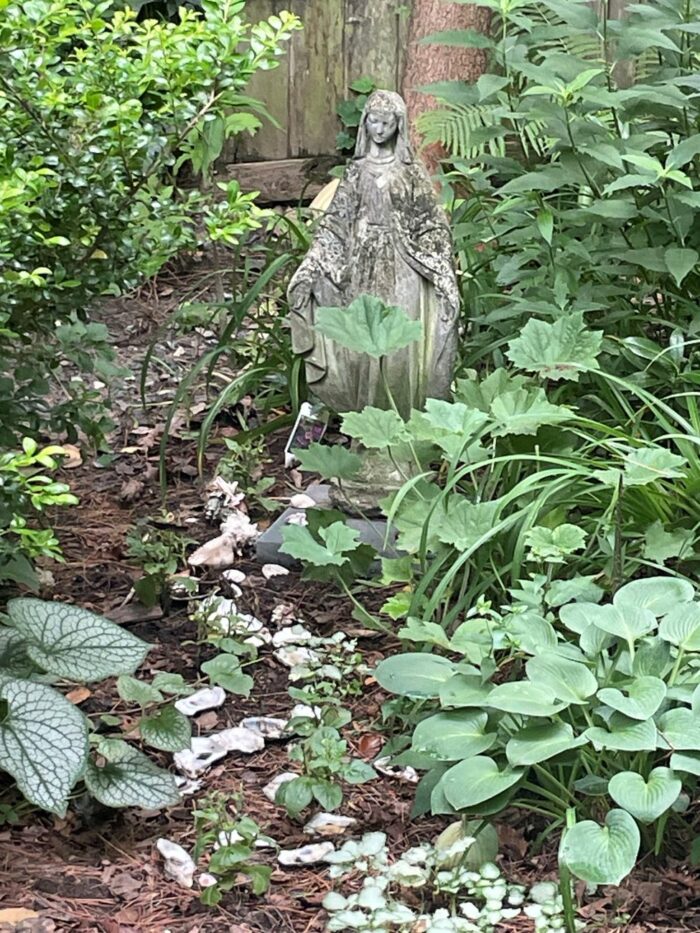
A garden’s personality is often found in its small details, and the Robbins garden is no exception. A whimsical path lined with seashells—sourced not from the coast, but from a local seafood market—leads the visitor toward a serene Madonna sculpture. This choice of materials highlights the importance of using accessible, locally sourced objects to add character to a space.
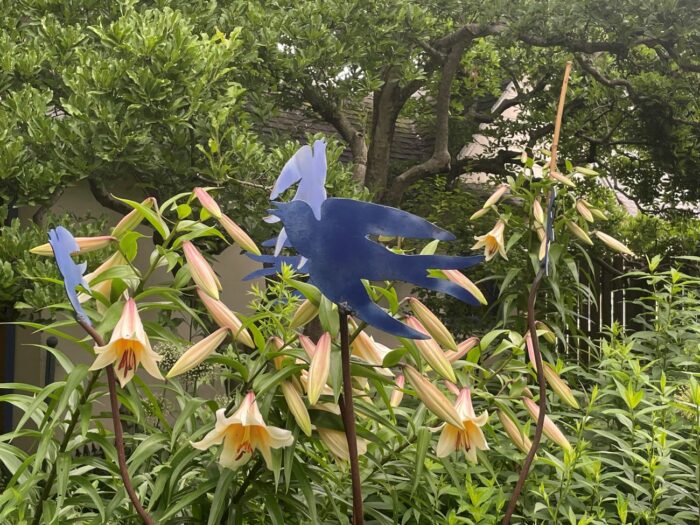
Furthermore, the integration of 4-to-5-foot-tall Madonna trumpet lilies (Lilium candidum) provides a dramatic vertical element. When these lilies bloom, they are punctuated by cobalt blue bird-shaped stakes, a playful touch that echoes the blue theme found throughout the property. This deliberate repetition of color ensures that the eye is never overwhelmed, but rather guided through the garden in a series of logical, pleasing intervals.
The Intersection of Horticulture and Community
The transition of the garage into an art studio is perhaps the most significant implication of this garden’s design. By inviting local artists to exhibit their landscapes within the garden, Robbins has transformed a private hobby into a public good. The current exhibition of small, unframed landscapes creates a dialogue between the art on the walls and the living art in the beds.
This model of "garden-as-gallery" offers a compelling blueprint for other homeowners. It suggests that a well-designed garden can serve as an extension of the home’s interior, acting as a flexible space that can be repurposed for events, workshops, or quiet solitude depending on the owner’s needs.
Expert Perspectives on Garden Maintenance
Maintaining a garden of this complexity in a mid-Atlantic climate requires both labor and the right tools. The use of high-quality equipment is often the difference between a garden that thrives and one that struggles.
Professional gardeners often emphasize the importance of soil health and protection. For example, the use of beneficial insects is a cornerstone of sustainable, low-chemical gardening. Tools like the Niteangel Natural Wooden Insect Hotel are increasingly popular among garden enthusiasts. These structures provide a habitat for pollinators and predatory insects—such as ladybugs and lacewings—which naturally control aphid populations, thereby reducing the need for chemical interventions.
Furthermore, physical comfort and efficiency are paramount for the home gardener. Professional-grade gear, such as the SHOWA Atlas 370B Nitrile Palm Coating Gloves, allows for the dexterity required for fine pruning and delicate potting, while breathable back-of-hand technology ensures comfort during the high-heat days of July. The use of heavy-duty tools like the Razor-Back Potato/Refuse Hook is also essential for the seasonal cleanup and soil aeration necessary to keep deep-rooted perennials like ferns and yews thriving year after year.
Implications for the Future of Residential Gardening
The popularity of gardens like that of Lucretia Robbins reflects a growing trend in landscape architecture: the "reclaiming of the shade." As urban heat islands expand and summers grow increasingly intense, the demand for cooling, shaded outdoor retreats is at an all-time high.
The Robbins garden serves as a blueprint for this transition. It proves that one does not need a sprawling estate to create a lush, biodiversity-rich environment. By prioritizing native ferns, utilizing vertical space, and incorporating "cool" color palettes, homeowners can create their own refuges that are both environmentally responsible and aesthetically transformative.
As we look toward the future, the integration of art, wildlife habitat, and intentional planting will likely become the standard for successful residential landscapes. The Robbins garden is not merely a collection of plants; it is a testament to the idea that a garden is a living, breathing, and ever-changing reflection of its owner’s values—a sanctuary where both the plants and the people who tend them can find shelter from the heat of the world.
How to Contribute to the GPOD
If this exploration of the Wyndmoor garden has inspired you, we invite you to share your own horticultural journey with our community. Whether you have a vast acreage or a small balcony garden, the Garden Photo of the Day (GPOD) is looking for submissions.
Submission Guidelines:
- Format: We accept 5–10 high-resolution photos per submission.
- Content: Please include details about your plant species, your location, and the story behind your design. We are particularly interested in learning about your gardening successes, the failures you have learned from, and your long-term hopes for your space.
- How to Apply: Visit the Garden Photo of the Day Submission Form to upload your images directly.
- Contact: For questions or additional submissions, feel free to reach out via email. We look forward to seeing the unique ways you are cultivating beauty in your corner of the world.
Join our community of thousands of gardeners by signing up for our weekly newsletter to receive fresh inspiration, expert advice, and stunning garden features delivered directly to your inbox. Let’s continue to grow together.