A Silent Crisis Unfolding: 99.99% of Americans Fail to Meet Essential Dietary Guidelines, Facing Profound Health Risks
Washington D.C. – A staggering and deeply concerning report reveals a pervasive nutritional crisis at the heart of the American diet: an almost universal failure to meet critical dietary recommendations for sodium and potassium. With 99.99% of Americans falling short, the nation grapples with a silent epidemic of imbalance, where excessive sodium consumption collides with a severe deficiency in potassium, leading to a cascade of preventable diseases and significantly eroding public health. This dietary disarray, experts warn, accounts for a monumental loss of healthy life years globally, dwarfing the impact of physical inactivity by a factor of twenty.
The Alarming Reality: A Nation Out of Balance
At the core of this crisis lies a dual nutritional failure. The vast majority of adults in the United States consume far too much sodium while simultaneously ingesting alarmingly low levels of potassium. To put the scale of the problem into perspective, fewer than 0.015% of people in the United States—a mere 1 in 6,000 individuals—manage to meet the recommended daily intake for both sodium and potassium. This translates to a near-total noncompliance rate, underscoring a fundamental flaw in modern dietary patterns.
This profound imbalance is not merely a matter of numbers; it’s a direct pathway to chronic illness and premature mortality. While physical inactivity accounts for over 10 million years of healthy life lost worldwide, the impact of unhealthy diets is nearly twenty times greater, shaving hundreds of millions of disability-free years off people’s lives annually. The scale of this dietary burden on global health is immense and largely preventable.
The Deadly Traps of the Modern Diet
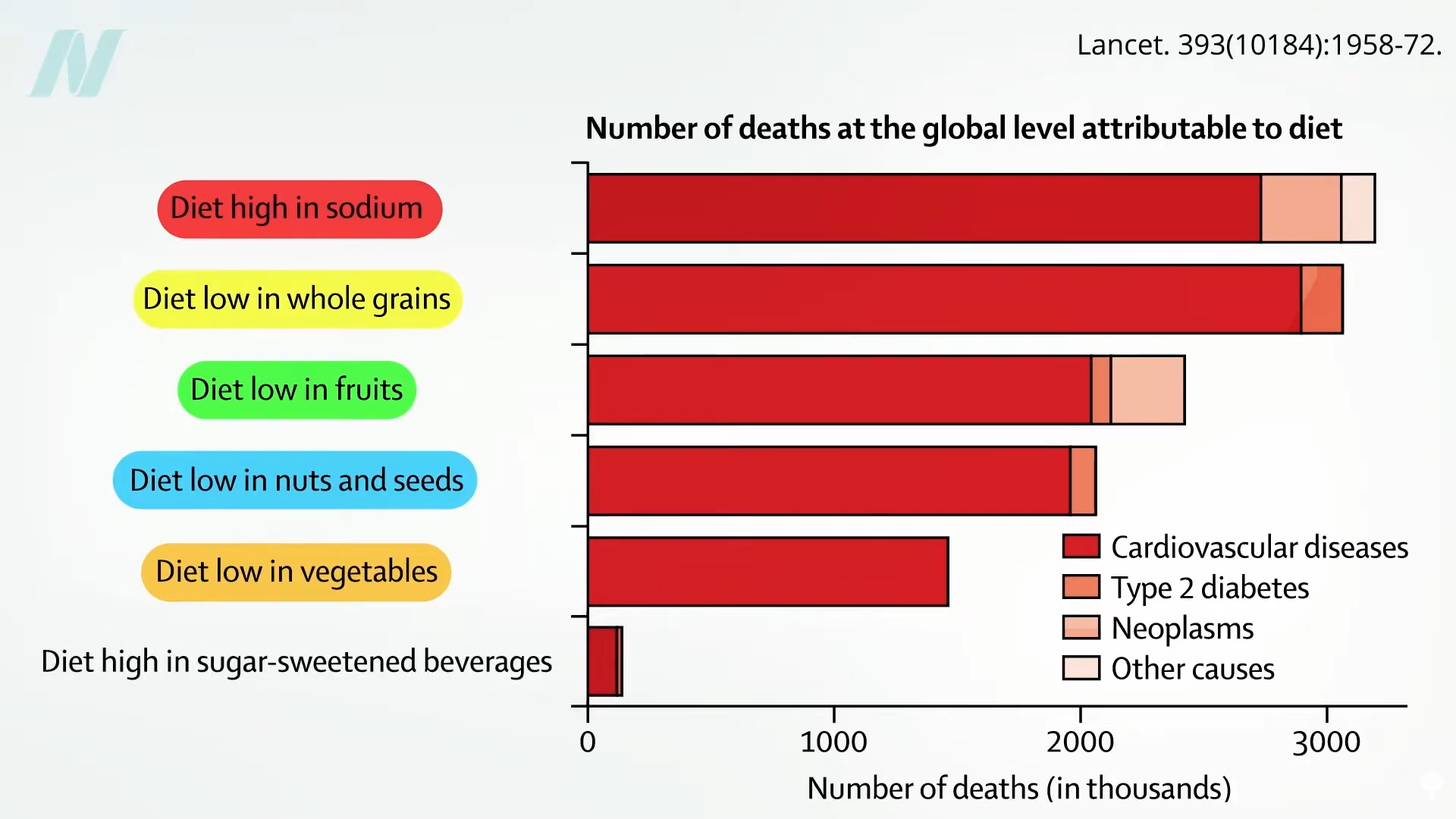
A closer examination of the worst aspects of our diets reveals a clear pattern of deficiency and excess. According to comprehensive research published in prestigious journals like The Lancet, four out of the five deadliest dietary traps involve not eating enough of certain vital foods. These critical omissions include insufficient intake of whole grains, fruits, nuts and seeds, and vegetables – foundational components of a health-promoting diet.
However, amidst these widespread deficiencies, one dietary flaw stands out as the most fatal: excessive sodium intake. This pervasive problem is approximately 15 times deadlier than diets that are too high in sugary beverages like soda, illustrating the profound and often underestimated danger of salt in our daily consumption. The graphic data (as illustrated in research from sources like NutritionFacts.org) clearly delineates the disproportionate impact of high sodium on mortality rates compared to other dietary culprits.
Sodium: The Nation’s Most Fatal Flaw
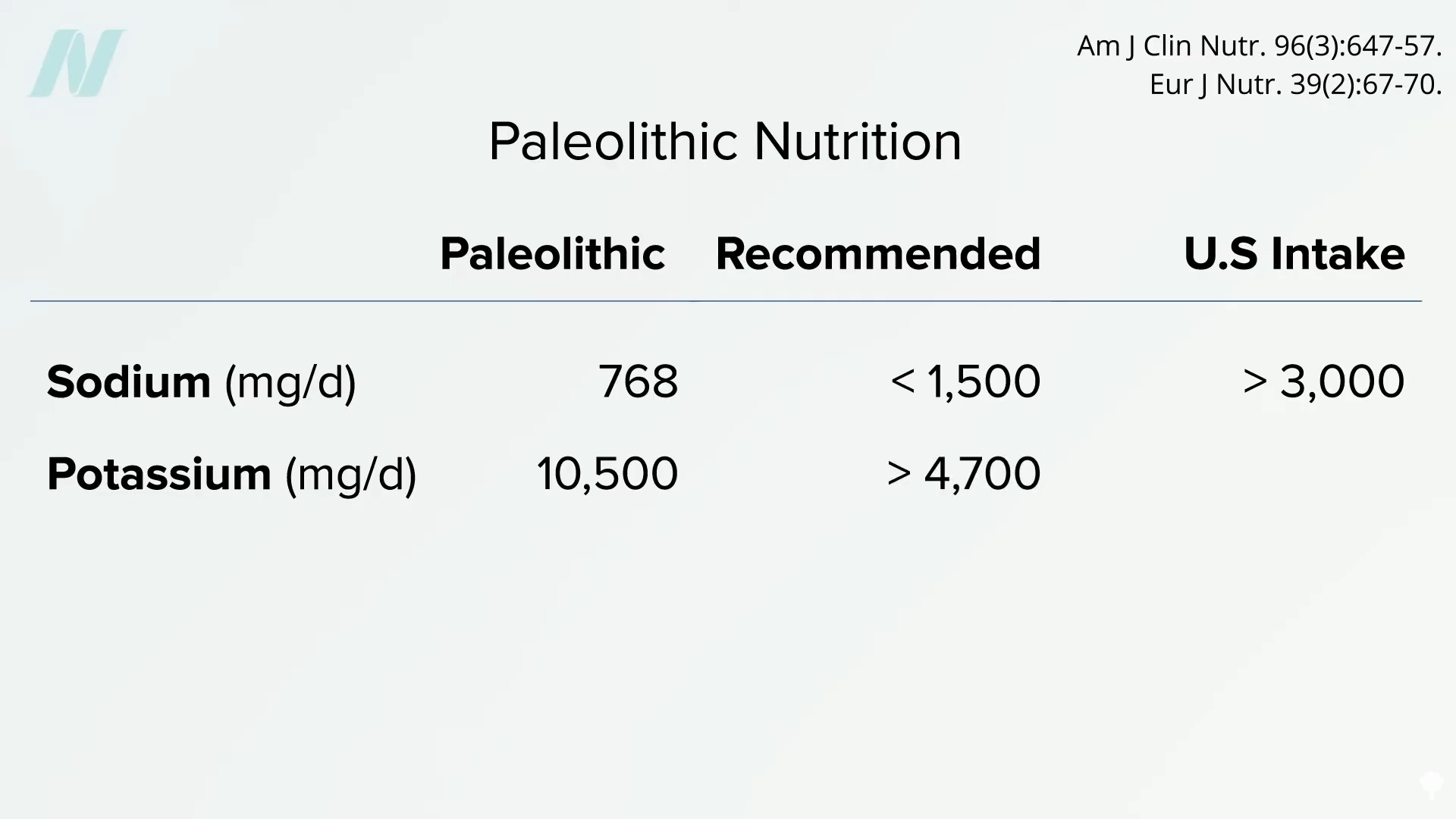
The modern human diet is inundated with sodium, far beyond what our bodies are naturally equipped to handle. Our ancestors, whose diets were largely plant-based and unprocessed, evolved to thrive on approximately 750 mg of sodium per day. Today, the American Heart Association (AHA) recommends an upper limit of 1,500 mg per day for most adults, particularly those with high blood pressure. Yet, the average American consumes more than four times our natural intake, and disturbingly, this trend has only worsened over the last decade. Data from over a decade ago already indicated a whopping 98.8% of Americans exceeding the 1,500 mg upper limit, a figure that is unlikely to have improved significantly.
A Public Health Imperative: Reducing Sodium
The consensus among leading health authorities is unequivocal. As a former commissioner of the U.S. Food and Drug Administration (FDA) once declared, "There remains no single more effective public health action related to nutrition than the reduction of sodium in the diet." This strong statement reflects the overwhelming scientific evidence linking high sodium intake to a litany of severe health issues.
Recognizing the urgency, national and international health organizations have advocated for proactive measures, including warning labels on salt packets and shakers. These proposed labels would carry stark messages such as: "Too much sodium in the diet causes high blood pressure and increases risk of stomach cancer, stroke, heart disease, and kidney disease. Limit your use." Such warnings underscore the direct and causal link between excessive salt and major non-communicable diseases.
Beyond Blood Pressure: The Far-Reaching Harms of Excess Sodium
While high blood pressure (hypertension) is the most widely recognized consequence of excessive sodium intake, the harms extend far beyond cardiovascular health. Extensive research, including over a hundred randomized controlled trials, has unequivocally demonstrated a cause-and-effect relationship: reducing added salt consistently lowers blood pressure, with greater reductions achieved through more stringent salt restriction.
However, sodium’s detrimental effects are more insidious. It is a known contributor to systemic inflammation, a root cause of many chronic diseases. For instance, studies have linked higher sodium intake to increased disease activity in multiple sclerosis (MS), an inflammatory autoimmune nerve condition. Individuals with medium or high sodium intakes have been observed to experience exacerbation rates three to four times higher than those consuming less than a teaspoon of salt per day. Similarly, elevated sodium levels have been found in the tissues of individuals suffering from lupus, another serious inflammatory autoimmune disease, and high sodium levels in the spinal cord of MS patients correlate with disease progression and decreased structural integrity.
Emerging research also suggests that excessive salt intake may inflict damage on the gut microbiome, the complex ecosystem of friendly bacteria residing in our intestines. This disruption of the gut flora can have far-reaching implications for overall health, including immune function and inflammation, potentially contributing to the broader spectrum of sodium-related health issues.
Where Does All This Sodium Come From?
The vast majority of sodium in the modern diet isn’t added from the salt shaker at the table; it’s hidden within processed and ultra-processed foods. From packaged snacks and ready meals to condiments, canned goods, and fast food, sodium serves as a preservative, flavor enhancer, and texturizer. This omnipresence in "crappy foods," as one expert bluntly put it, makes it challenging for consumers to gauge their intake and often means that increased salt intake is merely a marker for an overall unhealthy dietary pattern characterized by a lack of whole, unprocessed foods.
Potassium: The Missing Mineral and Natural Antidote
In stark contrast to the sodium surplus, the American diet suffers from a profound deficiency in potassium, a mineral critical for maintaining healthy blood pressure and overall cardiovascular function. Potassium acts as a natural antagonist to sodium, helping to relax blood vessels and excrete excess sodium from the body, thereby lowering blood pressure.
Our evolutionary heritage paints a clear picture of what a potassium-rich diet looks like. Our ancestors, subsisting on diets rich in plant-based foods, likely consumed upwards of 10,000 mg of potassium per day. The current recommendation for adults is to obtain at least around half that amount. Yet, the reality is grim: less than 2% of U.S. adults consume the recommended daily minimum intake of potassium. This means more than 98% of Americans are living with potassium-deficient diets, a stark departure from our ancestral nutritional blueprint.
The visual representations (like the graphs provided by NutritionFacts.org) vividly illustrate this vast chasm between recommended and actual potassium intake, highlighting how far removed modern dietary habits are from what our bodies require and historically received.
The Alarming Synthesis: A Dual Nutritional Failure
The simultaneous excess of sodium and deficit of potassium creates a perilous synergy, amplifying the risks to public health. The fact that fewer than 0.015% of Americans meet both guidelines underscores a systemic failure that demands immediate attention. This isn’t a niche problem affecting a small segment of the population; it’s a pervasive issue impacting virtually every American, silently contributing to the nation’s leading causes of death and disability.
The implications are profound, extending beyond individual health to national healthcare burdens, productivity losses, and a diminished quality of life for millions. This dual nutritional crisis represents a critical juncture for public health, necessitating a comprehensive reevaluation of dietary habits and food policies.
Seeking Solutions: The Promise of Potassium-Based Salt Substitutes
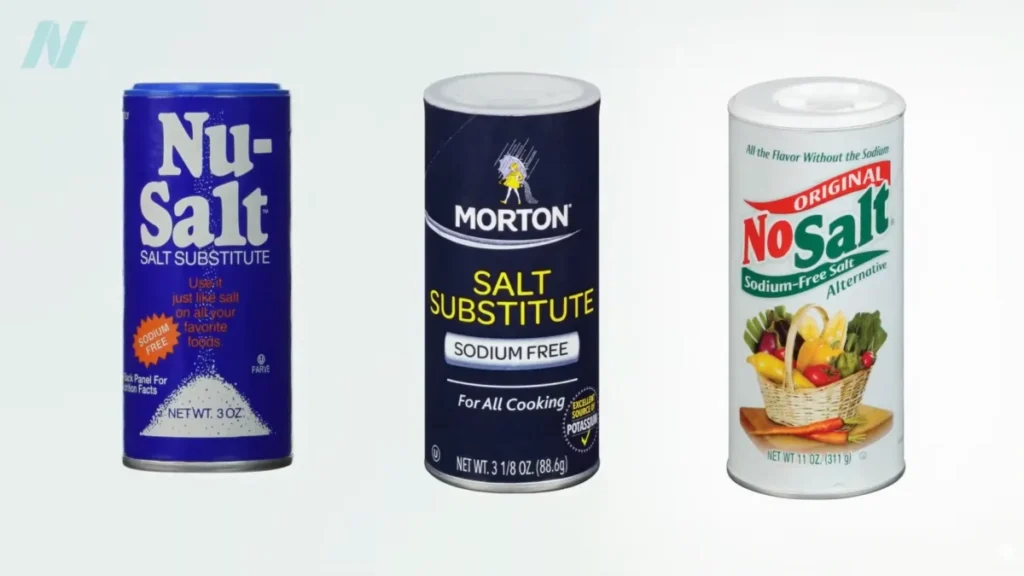
Given the undeniable dangers of excessive sodium and the widespread deficiency of potassium, researchers and health advocates are exploring innovative solutions. One promising avenue lies in the use of potassium-based salt substitutes, such as those made with potassium chloride instead of sodium chloride.
These substitutes offer the tantalizing possibility of maintaining the desired salty taste in food while simultaneously reducing sodium intake and boosting potassium levels. The question remains: are these substitutes truly safe and effective? Do they present a viable strategy for mitigating the national dietary crisis? The scientific community continues to investigate their long-term impact, weighing the benefits against any potential drawbacks. This topic represents a crucial area of ongoing research, with the potential to offer a practical dietary intervention for a broad population struggling with sodium excess and potassium deficiency.
Challenging Misconceptions: The Undeniable Science
Despite the overwhelming scientific evidence, some voices continue to claim that salt isn’t a problem, or that its effects are exaggerated. However, the rigorous research, supported by hundreds of randomized controlled trials and endorsed by leading health organizations worldwide, firmly refutes these assertions. The causal link between high sodium intake and elevated blood pressure, along with its broader inflammatory and systemic effects, is well-established. To ignore this scientific consensus is to disregard a fundamental pillar of modern public health.
Conclusion: A Call to Action for Dietary Reform
The data paints a stark picture: the American diet is fundamentally broken, characterized by a dangerous imbalance of sodium and potassium that undermines the health of nearly every citizen. This crisis is not just a personal failing but a societal challenge, deeply intertwined with our food environment, agricultural practices, and cultural eating habits.
Addressing this silent epidemic requires a multi-pronged approach. On an individual level, it necessitates a conscious shift towards whole, unprocessed foods naturally rich in potassium (fruits, vegetables, legumes, nuts, seeds) and away from ultra-processed items that are hidden sources of sodium. On a systemic level, it demands robust public health campaigns, clear labeling requirements, and policy interventions that encourage food manufacturers to reduce sodium content and prioritize nutrient-dense ingredients.
The journey to better health for the nation hinges on re-establishing a harmonious balance between sodium and potassium – a balance that is not merely recommended, but absolutely essential for a life free from preventable disease and disability. The time for comprehensive dietary reform is now.