The Renaissance of Seneca Lake: A Definitive Guide to the Region’s Premier Wineries
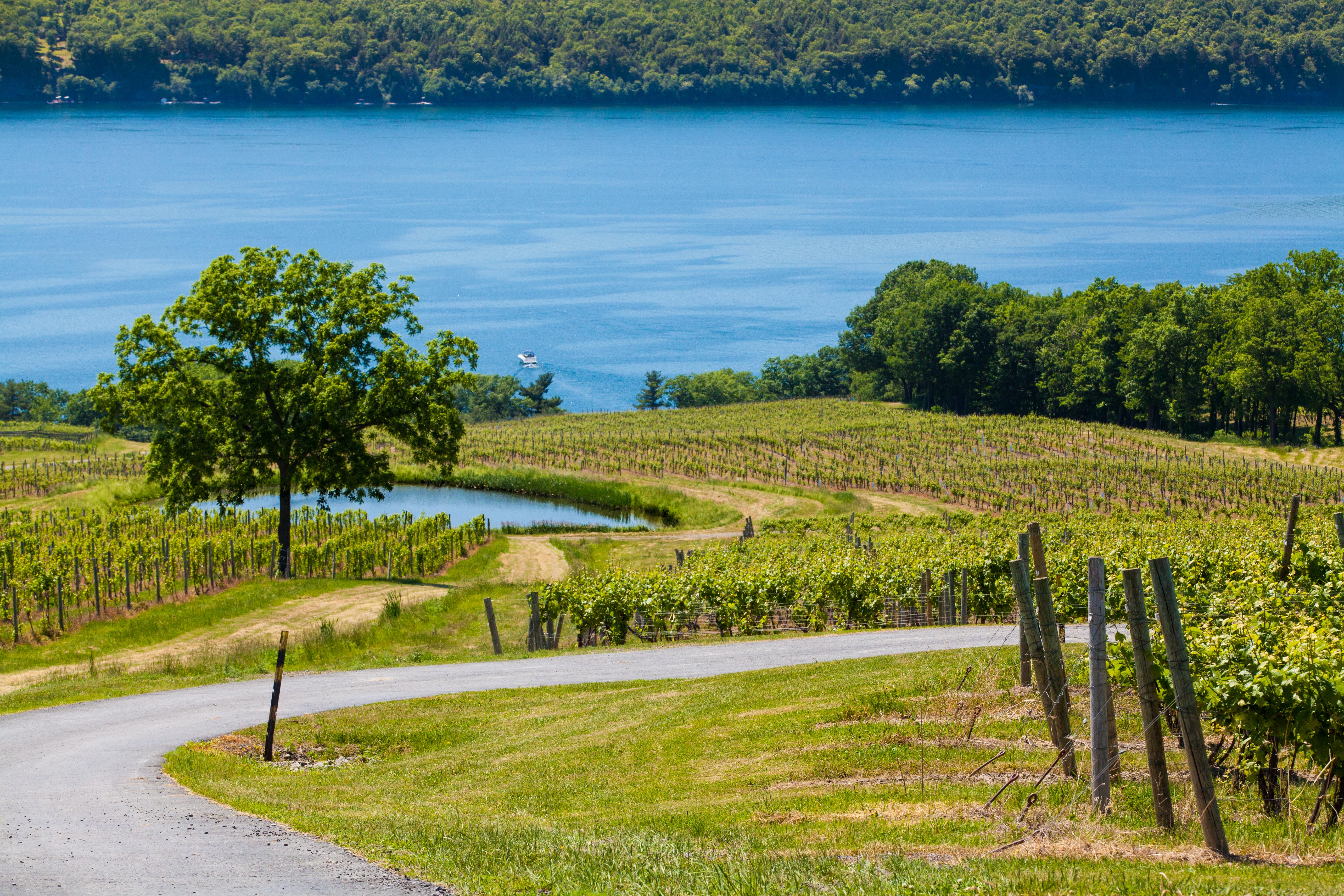
The Finger Lakes region of New York has long been recognized as a premier destination for viticulture, but perhaps nowhere is this reputation more concentrated than along the shores of Seneca Lake. As the deepest and largest of the Finger Lakes, its unique microclimate provides the perfect conditions for cool-climate varietals, most notably Riesling, Cabernet Franc, and Gewürztraminer.
For oenophiles and casual travelers alike, the “Seneca Lake Wine Trail” offers more than just a tasting experience; it represents a historical and cultural tapestry of American winemaking. This guide explores the essential estates that define the current landscape of this prestigious AVA (American Viticultural Area).

Main Facts: The Seneca Lake Advantage
The Seneca Lake AVA, established in 2003, encompasses the sloping hillsides surrounding the lake. The sheer depth of the water—reaching over 600 feet—acts as a thermal regulator, storing heat throughout the summer and releasing it during the cooler autumn months. This "lake effect" delays bud break in the spring, protecting vines from late frosts, and extends the growing season, allowing for the slow, steady ripening essential for developing complex flavor profiles in white wines.

The soil, composed primarily of glacial till, limestone, and shale, offers excellent drainage, forcing vines to dig deep for nutrients. This struggle is precisely what leads to the high-quality, mineral-forward wines that have put the region on the global map.

Chronology: A Legacy of Growth
The history of viticulture in this region is a story of resilience and innovation. While grape growing dates back to the mid-19th century, the modern era of the Seneca Lake wine industry truly gained momentum in the 1970s and 80s, when pioneering families began shifting focus from native Labrusca grapes to high-quality Vitis vinifera.

- The 1970s Foundation: Establishments like Wagner Vineyards helped pave the way, proving that the local terroir could support world-class vinifera.
- The 1980s Expansion: The formalization of the Seneca Lake Wine Trail brought structure and tourism, with early innovators like Anthony Road Wine Company setting the standard for sustainable viticulture.
- The 1990s-2000s Refinement: During this period, estates like Lamoreaux Landing Wine Cellars and Fox Run Vineyards rose to prominence, focusing on architectural beauty and high-end production facilities.
- The Modern Era (2010–Present): The current decade has seen a shift toward boutique, experimental winemaking. Wineries like Boundary Breaks and Red Newt Cellars have gained international acclaim for their single-vineyard Rieslings, solidifying the region’s status as a rival to the Mosel Valley in Germany.
Supporting Data: The Estate Profiles
To navigate the region, it is essential to understand the unique characteristics of its key producers.

The Northern Reach (Geneva & Penn Yan)
- Belhurst Estate Winery (Geneva): Housed in a stunning 1880s stone castle, this site offers a historic atmosphere that blends Victorian charm with modern winemaking.
- Anthony Road Wine Company (Penn Yan): Renowned for their commitment to education and approachable, high-quality wines, their vineyard management is considered a model for the region.
- Fox Run Vineyards (Penn Yan): A cornerstone of the region, Fox Run is celebrated for its commitment to estate-grown fruit and its expansive, educational tasting programs.
- Ventosa Vineyards (Geneva): Offering one of the most breathtaking views of the lake, this facility specializes in Italian-style wines, making it a distinct departure from the German-centric Riesling focus of their neighbors.
- Three Brothers Wineries & Estates (Geneva): A massive destination that houses multiple distinct wineries, a brewery, and a cafe, providing a "one-stop" experience for diverse palates.
- Cane & Vine / CK Cellars / Prejean Winery: These estates serve as vital links in the Penn Yan/Geneva corridor, each offering unique perspectives on the classic Finger Lakes varietals.
The Western & Southern Slopes (Dundee to Watkins Glen)
- Fulkerson Winery (Dundee): A family-run institution that has been farming the same land for generations. They are particularly noted for their wide variety of wines and their support for home winemakers.
- Glenora Wine Cellars (Dundee): As one of the first wineries on the lake, Glenora provides a comprehensive experience, including on-site lodging and a world-class restaurant.
- Hickory Hollow Wine Cellars (Dundee): Known for their intimacy and focus on traditional winemaking methods.
- Toast Winery (Rock Stream): A newer entry that brings a modern, vibrant energy to the southern end of the lake.
- Castel Grisch Winery (Watkins Glen): Located near the iconic Watkins Glen State Park, this winery captures the tourist-friendly spirit of the southern tip of the lake.
The Eastern Shore (Hector & Lodi)
- Boundary Breaks (Lodi): Perhaps the most talked-about producer in the last decade. Their single-vineyard Rieslings have set a new bar for excellence, often comparing favorably to the best in the world.
- Lamoreaux Landing Wine Cellars (Lodi): Famous for its stunning post-and-beam tasting room and its consistent production of elegant, cool-climate Chardonnay and Cabernet Franc.
- Silver Thread Winegarden (Lodi): A small, sustainable estate that focuses on low-intervention winemaking.
- Hazlitt 1852 Vineyards (Hector): An iconic brand that blends serious winemaking with a fun, social atmosphere. Their "Red Cat" remains a staple of the regional cultural identity.
- Wagner Vineyards (Lodi): With a massive estate that includes a brewery and a premier restaurant, Wagner remains a pillar of the Seneca Lake experience.
- J.R. Dill Winery (Burdett): A smaller, boutique producer that has earned a loyal following through its focused, high-quality output.
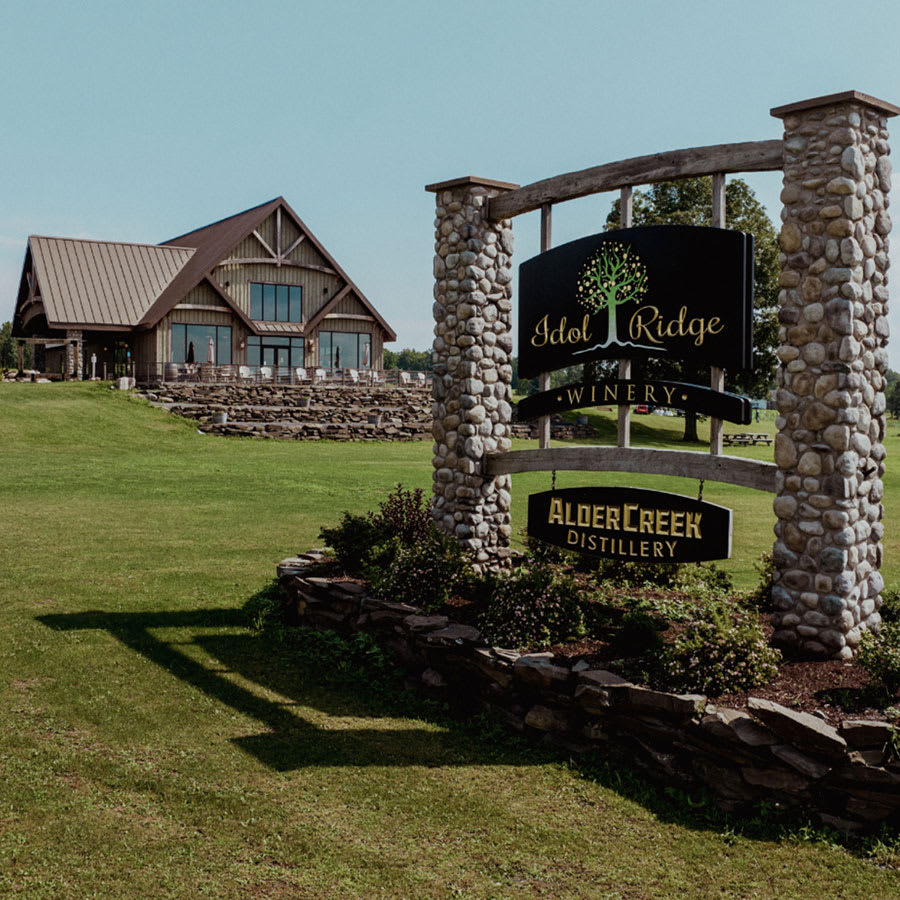
- Idol Ridge Winery (Lodi) & Leidenfrost Vineyards (Hector): These estates highlight the diversity of the eastern shore, with unique architectural styles and specific approaches to terroir.
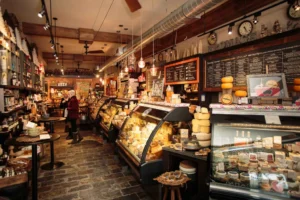
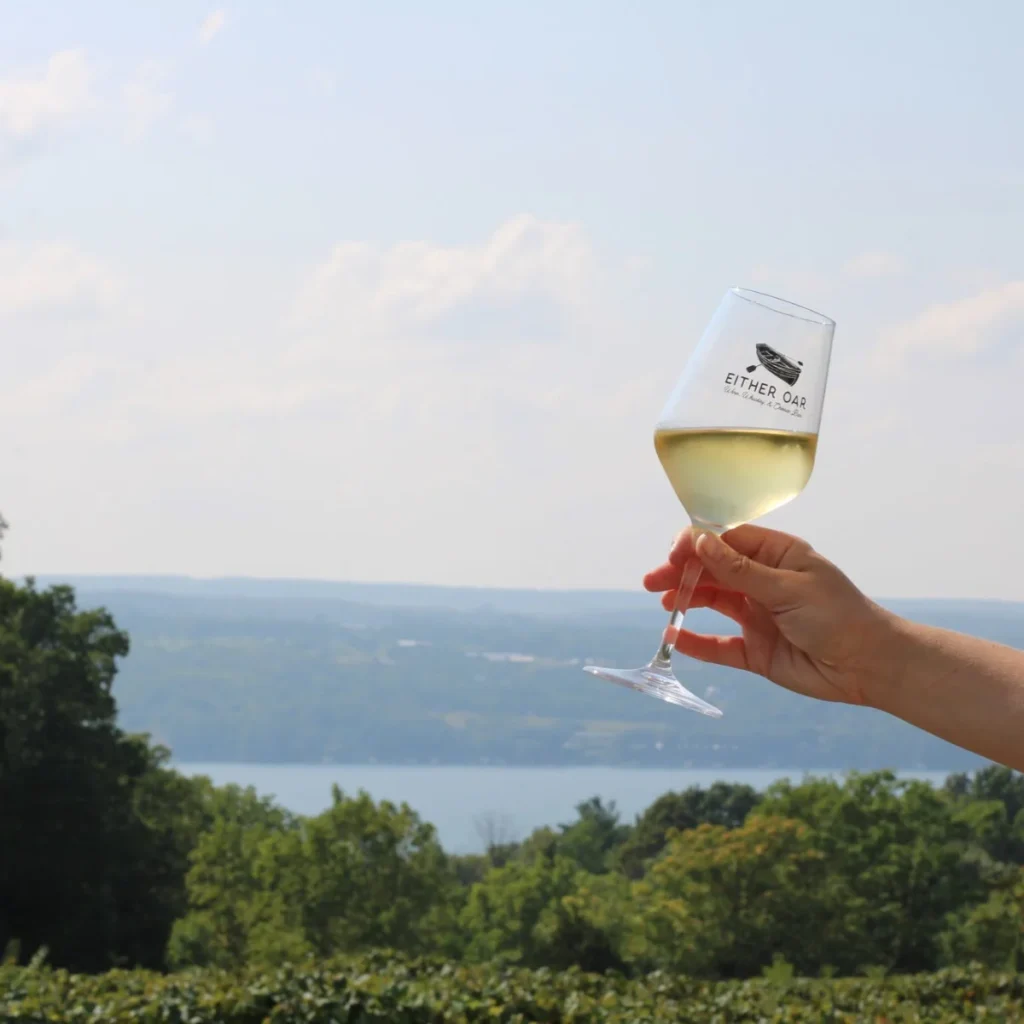
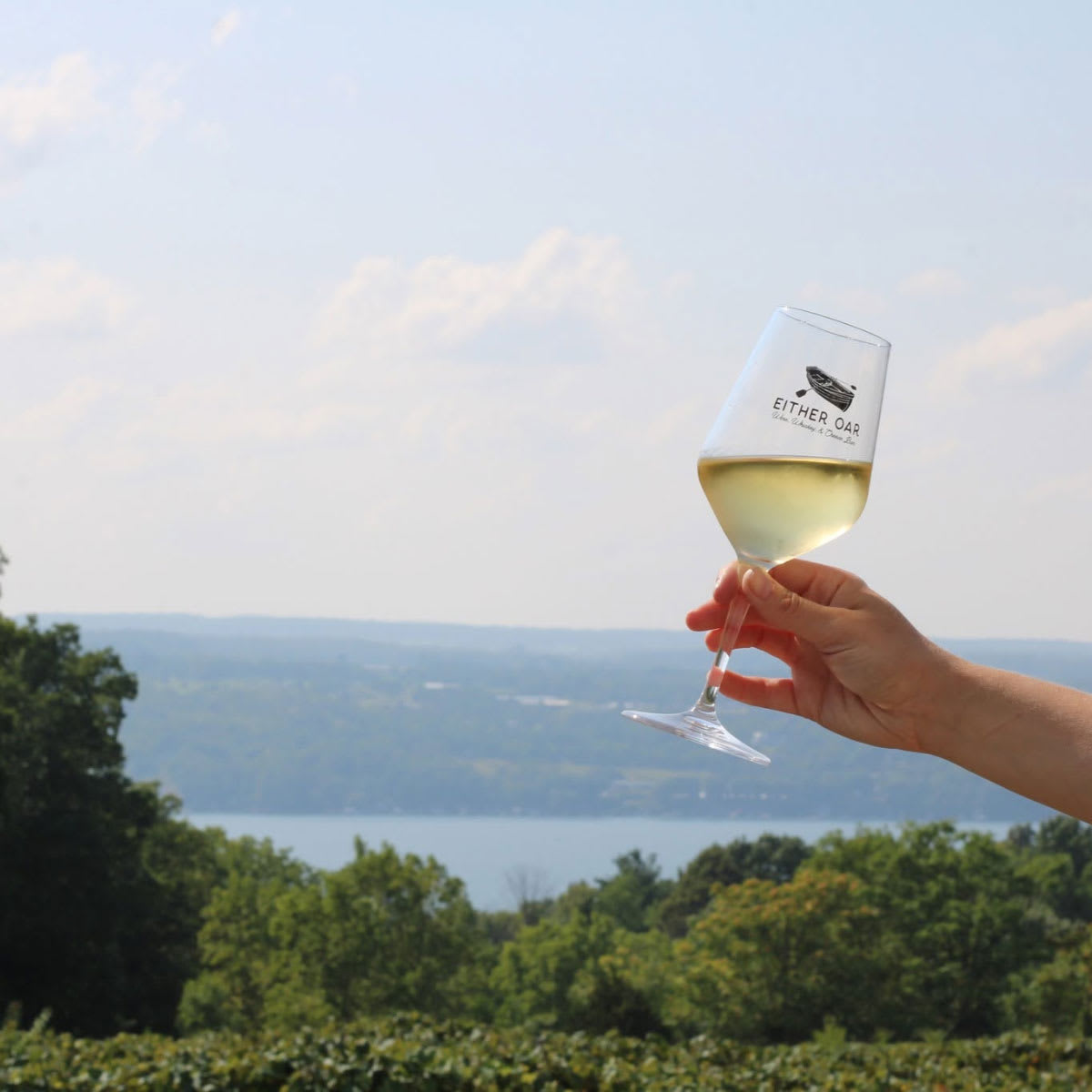
- Either Oar Wine, Whiskey and Cheese Bar (Hector): Representing the modern evolution of the trail, this venue caters to the sophisticated consumer looking for a broader culinary experience.
Official Responses and Industry Outlook
The consensus among vintners in the Seneca Lake region is one of cautious, yet profound, optimism. According to recent statements from the Finger Lakes Wine Alliance, the region has transitioned from a "fledgling" industry to a global competitor.
"The quality of the 2024 and 2025 vintages proves that we have mastered our soil," says one local vineyard manager. "We are no longer trying to copy the Old World; we are defining the Finger Lakes style. The focus now is on sustainability and climate adaptation."

Official industry reports suggest that tourism to the area has increased by 15% annually over the last three years. This growth is being met with increased investment in hospitality infrastructure, as wineries move away from simple tasting bars toward full-service culinary experiences.

Implications: The Future of Seneca Lake
The trajectory for the Seneca Lake wine industry is clear: consolidation of quality and expansion of the "wine country" lifestyle. The implications for the local economy are significant. As the reputation of Seneca Lake wine continues to grow, the region is attracting high-end tourism, which in turn supports local agriculture, craft food producers, and hospitality workers.

However, the industry faces challenges. Climate change requires constant innovation in trellising and grape variety selection. Furthermore, the competition from other burgeoning American wine regions means that Seneca Lake must remain vigilant in its commitment to quality.

For the consumer, the implication is a golden age of wine. Whether you are exploring the historic halls of Belhurst or the cutting-edge vineyards of Boundary Breaks, the experience is one of discovery. The Seneca Lake region is no longer a "hidden gem"—it is a titan of American viticulture, waiting for those who appreciate the nuance of a perfect pour.
As the industry moves toward 2030, expect to see even greater emphasis on organic and biodynamic farming, as the next generation of winemakers takes the reins, determined to preserve the unique beauty of the glacial slopes that make these wines possible. For the visitor, there has never been a better time to traverse the winding roads of Penn Yan, Geneva, and Lodi to experience the true spirit of New York wine.