A Walk Through Time: Revisiting the Archives of Garden Photos of the Day (11–20)
In the world of digital gardening communities, few initiatives have captured the hearts of enthusiasts quite like Fine Gardening’s "Garden Photos of the Day" (GPOD). What began as a humble experiment in 2010—a simple, singular photograph paired with a fleeting thought or caption—has blossomed into a vast, collaborative archive documenting the evolution of horticultural trends, personal design philosophies, and the global diversity of private landscapes.
Following the overwhelming response to our recent retrospective on the inaugural ten entries of GPOD, we have opened the digital vault once more. This installment examines entries 11 through 20, providing a fascinating snapshot of the aesthetic sensibilities that defined the early days of this series. By looking back at these formative posts, we gain not only a sense of nostalgia but also a masterclass in foundational garden design principles that remain as relevant today as they were over a decade ago.
The Evolution of a Digital Horticultural Archive
When GPOD launched in January 2010, the landscape of social media and digital content was vastly different. The series was conceptualized by Michelle Gervais as a way to bridge the gap between professional landscape photography and the intimate, lived-in reality of home gardens.
The primary objective was simple: celebrate the "everyman" gardener. In these early iterations, the format was deliberately sparse. There were no long-form tutorials or complex SEO-driven listicles; instead, there was a raw, immediate connection between the gardener’s vision and the viewer’s inspiration. By revisiting these specific entries, we are essentially performing an archaeological dig into the gardening zeitgeist of the early 21st century.
Chronology of Entries 11–20: A Visual Timeline
To understand the trajectory of these early posts, we must look at each entry as a distinct case study. From the Catskills to California, these photos map a geography of passion.
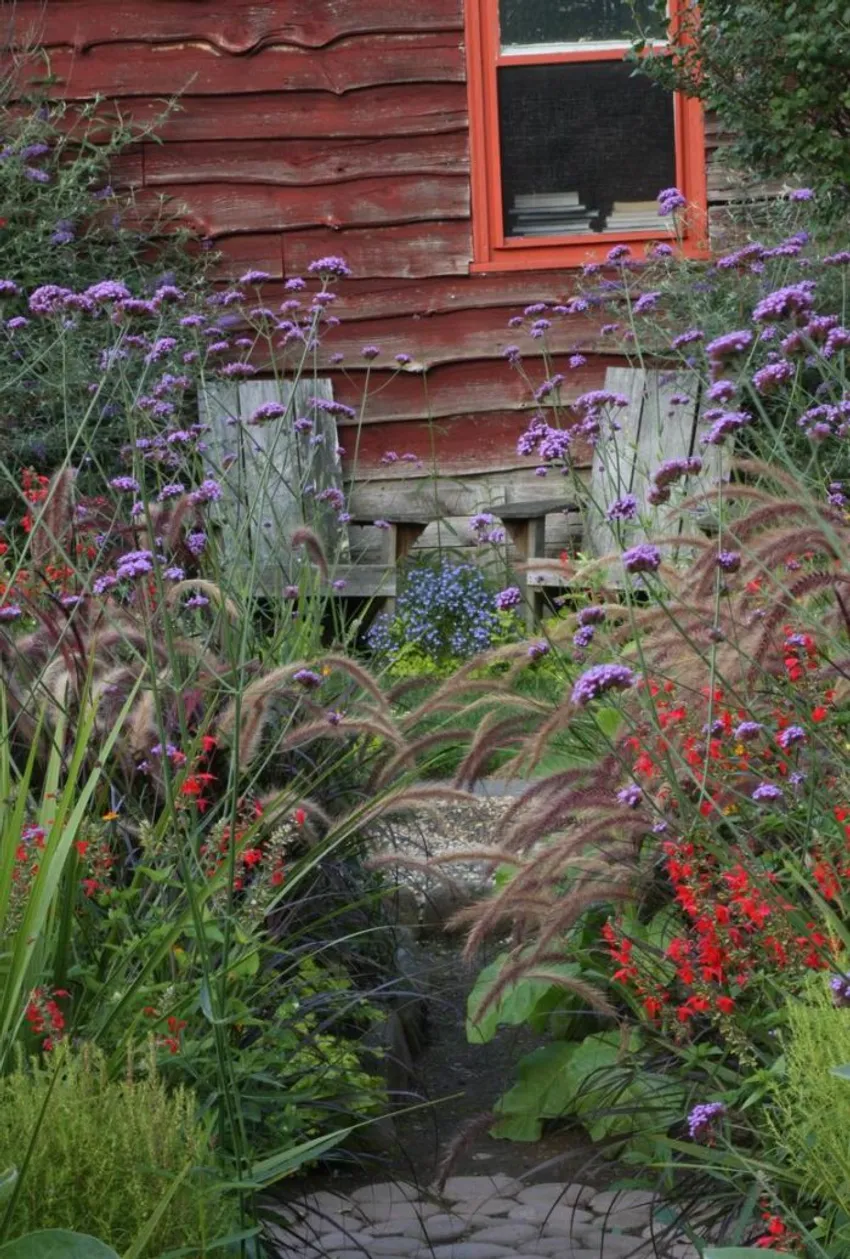
11. Self-Sown Serenity in the Catskills
The journey begins with an ethereal look at Dean Riddle’s garden in Upstate New York. Photographed by Kerry Ann Moore, this entry highlights the beauty of "self-sown" plantings. By allowing fine-textured flora to spill over the edges of a narrow garden path, the design achieves an informal, woodland aesthetic that prioritizes seclusion. It serves as a reminder that the most sophisticated gardens often rely on the collaboration between the gardener and the natural tendencies of the plants themselves.
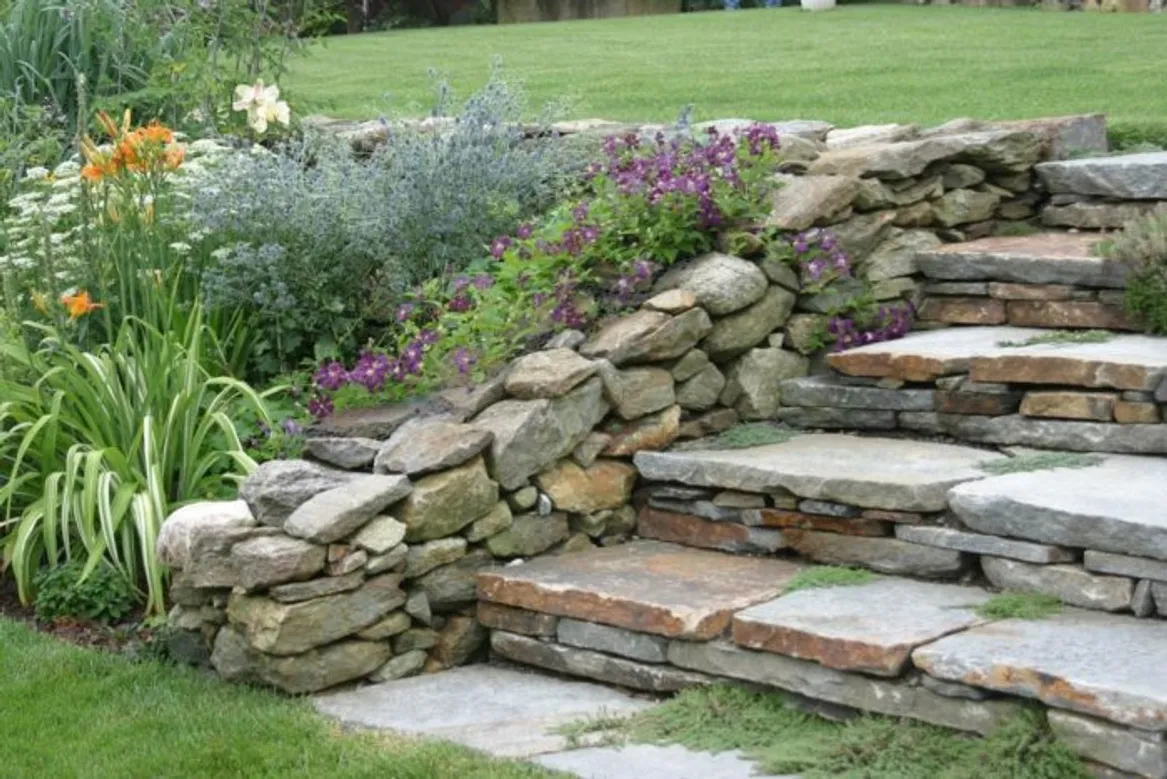
12. The Art of the Rambling Clematis
In South Kent, Connecticut, garden designer Rebecca Batchie challenged the traditional expectation that Clematis requires a rigid trellis. By training the vine to sprawl over chicken wire atop a stone wall, she blurred the lines between the organic border and the structural hardscape. This entry highlights a pivotal lesson in early GPOD history: sometimes the most effective garden supports are the ones that disappear entirely behind the bloom.
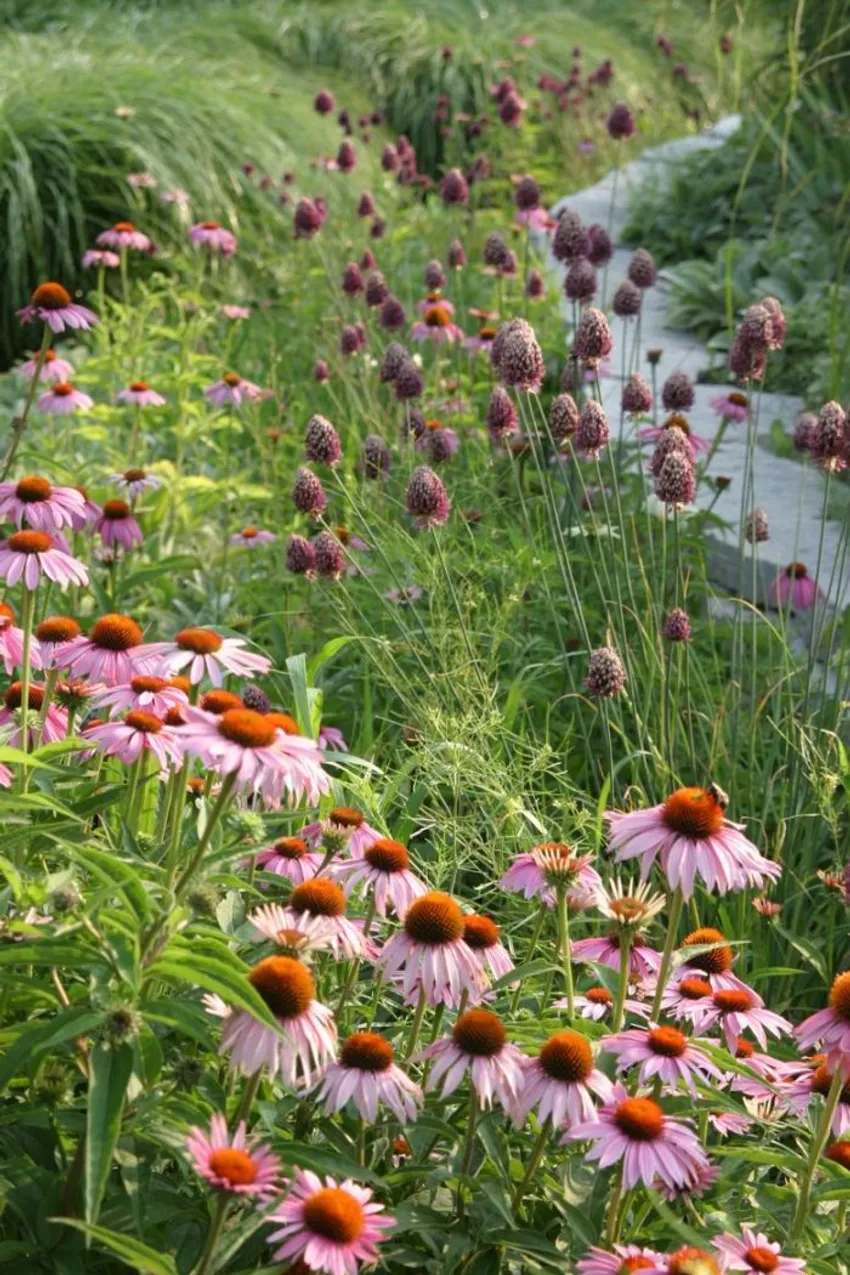
13. Meadow-Style Healing at Michigan State
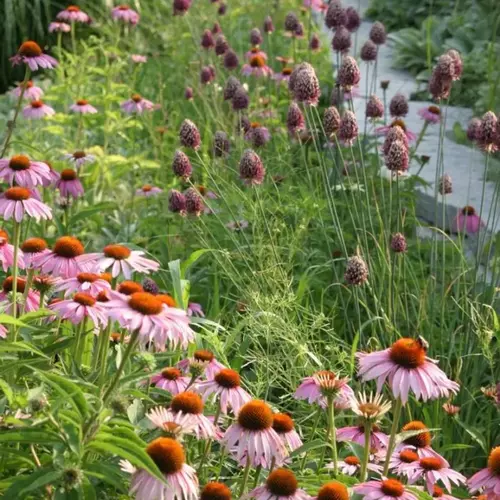
Transitioning from private to institutional spaces, we find the healing garden at Michigan State University’s radiology department. Designed by Janet Gauthier, this space features a vibrant pairing of purple coneflower (Echinacea purpurea) and drumstick allium (Allium sphaerocephalon). The choice of these species reflects a growing interest in meadow-style planting—a trend that emphasizes ecological health and visual movement.
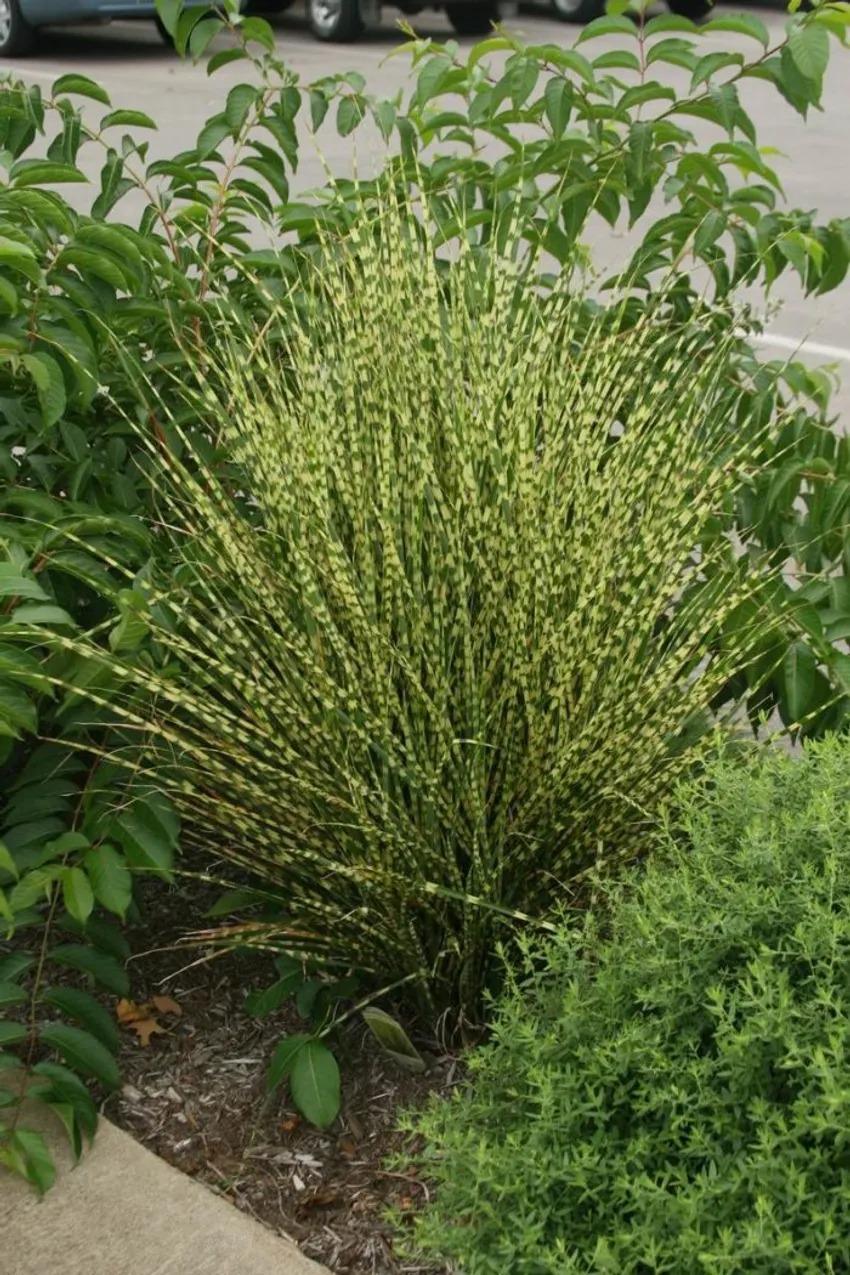
14. Structural Verve: The ‘Gold Bar’ Miscanthus
At the West Tennessee Research and Education Center, the spotlight fell on Miscanthus sinensis ‘Gold Bar’. Developed by Joy Creek Nursery, this compact grass introduced a level of architectural precision to the series. Its heavily banded blades serve as a sculptural element, proving that ornamental grasses are not merely fillers but focal points that can inject "energy" into a landscape without overwhelming neighboring species.
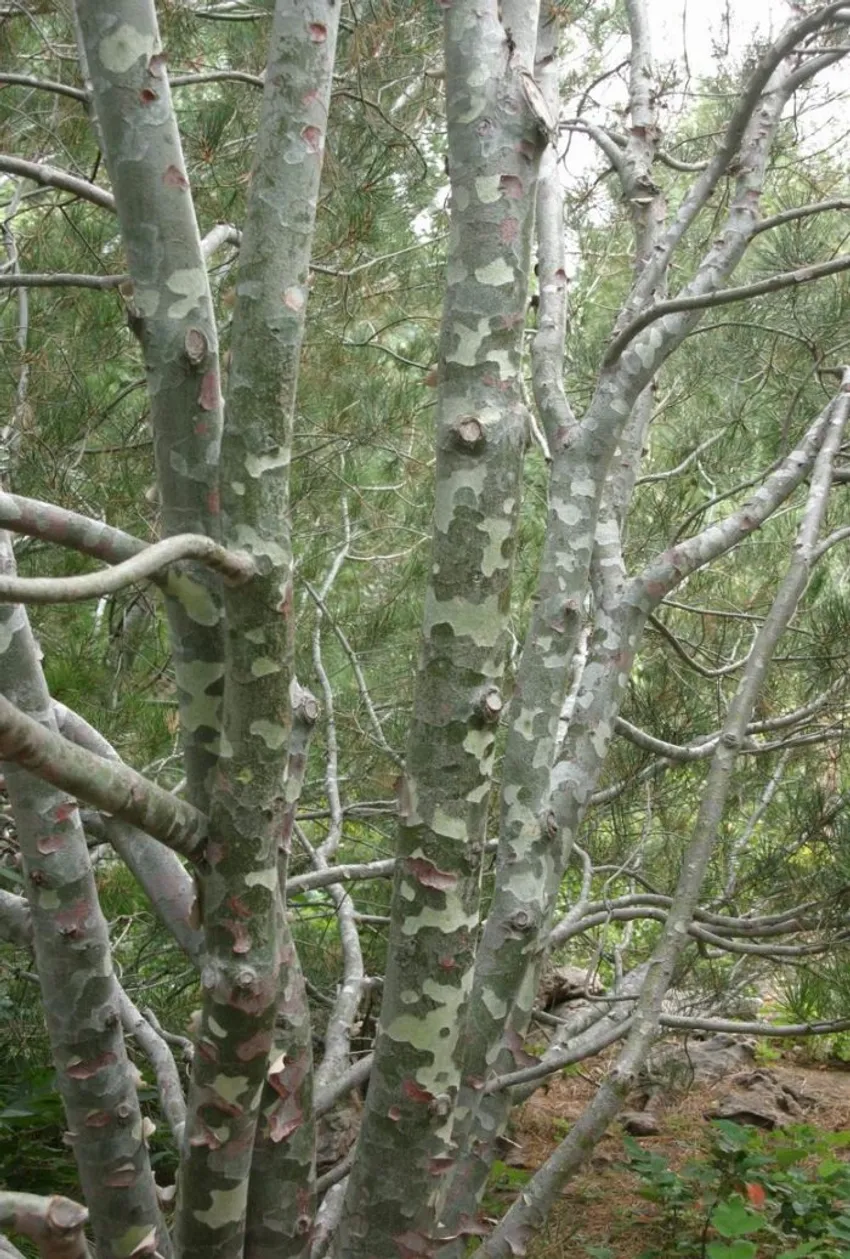
15. Architectural Bark: The Lacebark Pine
The series also took a detour into the realm of trees, specifically the Pinus bungeana (Lacebark pine) at the Denver Botanic Gardens. While many gardeners focus on the transient beauty of flowers, this entry encouraged readers to consider the long-term, structural appeal of tree bark. The mottled, peeling texture of this Chinese native provides year-round interest, challenging the notion that a garden’s appeal must decline with the winter frost.
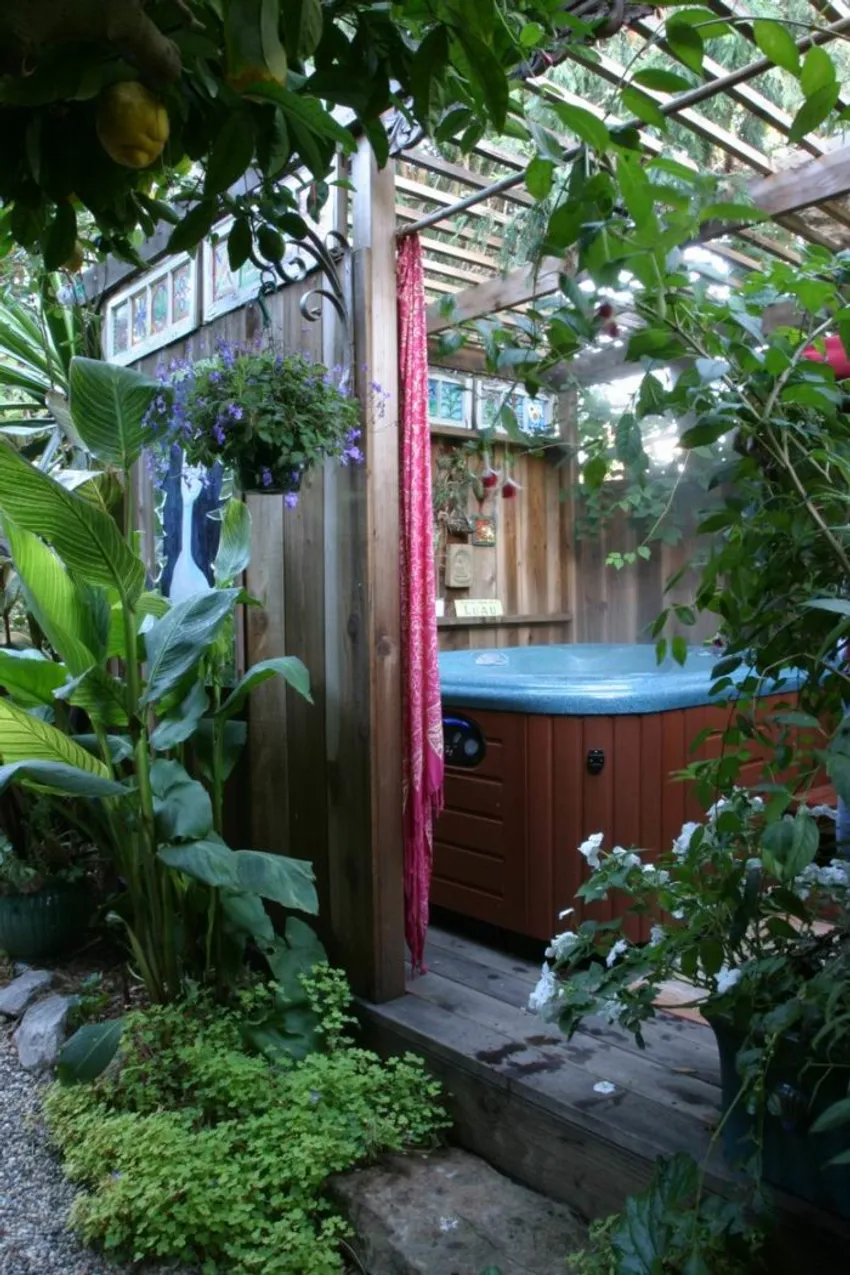
16. The Ultimate Garden Hideaway
Moving to the West Coast, we visited the Oakland, California, garden of Tom Nelson and Randy Bolin. This entry featured a custom-built hot tub structure nestled into a lush, tropical setting. The inclusion of personal travel mementos and an open roof design—allowing for stargazing through climbing vines—showcased how a garden can serve as a sanctuary that is entirely distinct from the home.
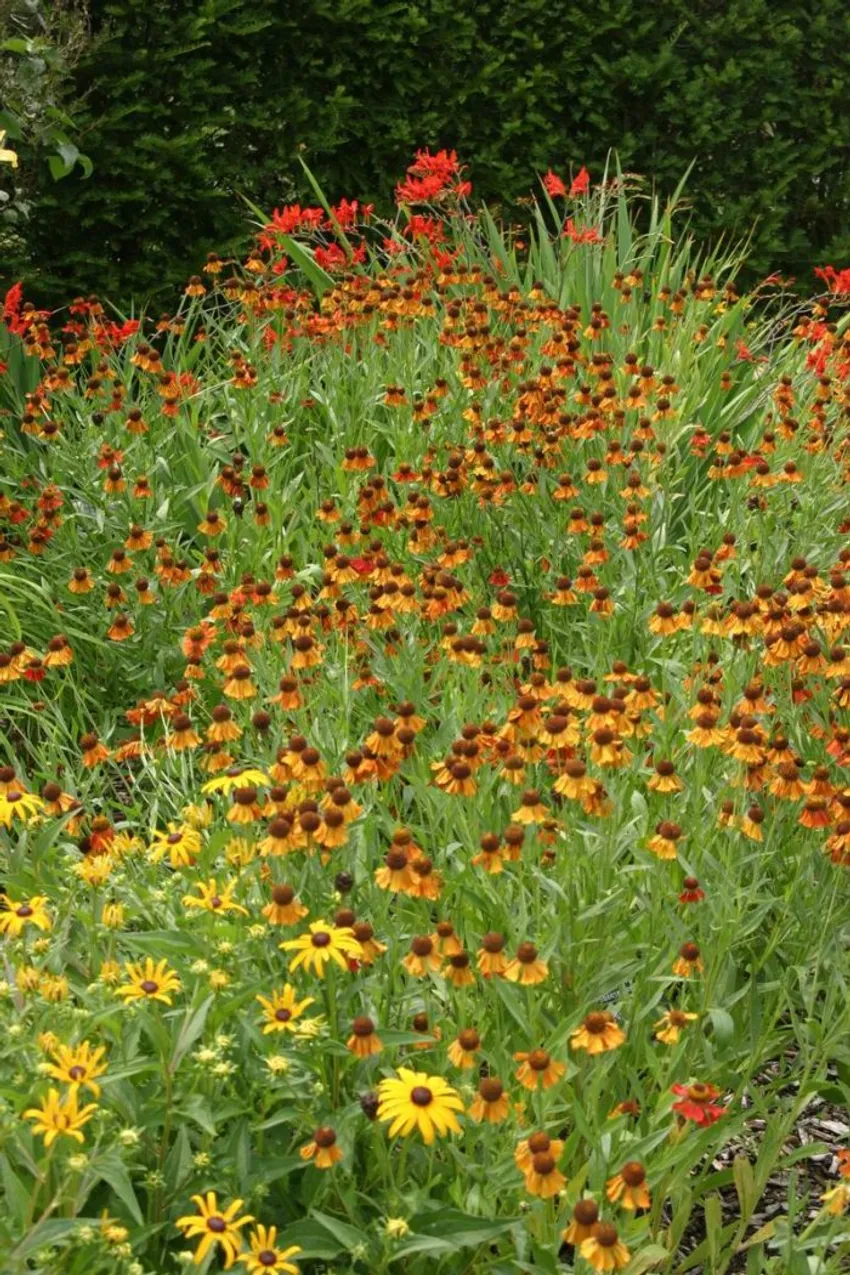
17. The Fiery Palette of Toledo
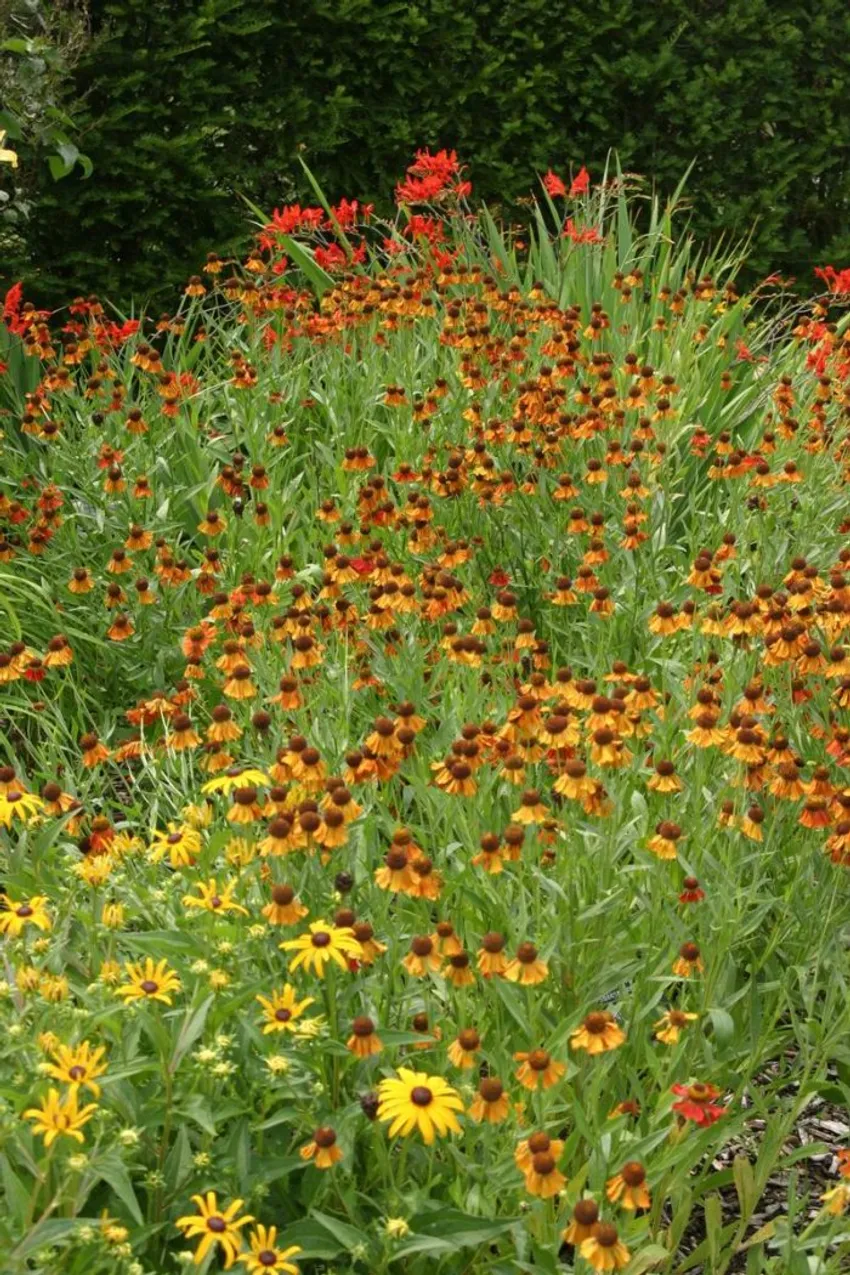
A classic example of color theory in practice, the Toledo Botanical Garden showcased a high-contrast combination of yellow Rudbeckia, orange Helenium, and red Crocosmia ‘Lucifer’. This "hot" border provided a masterclass in selecting plants with complementary color profiles to create a high-impact, late-season display.
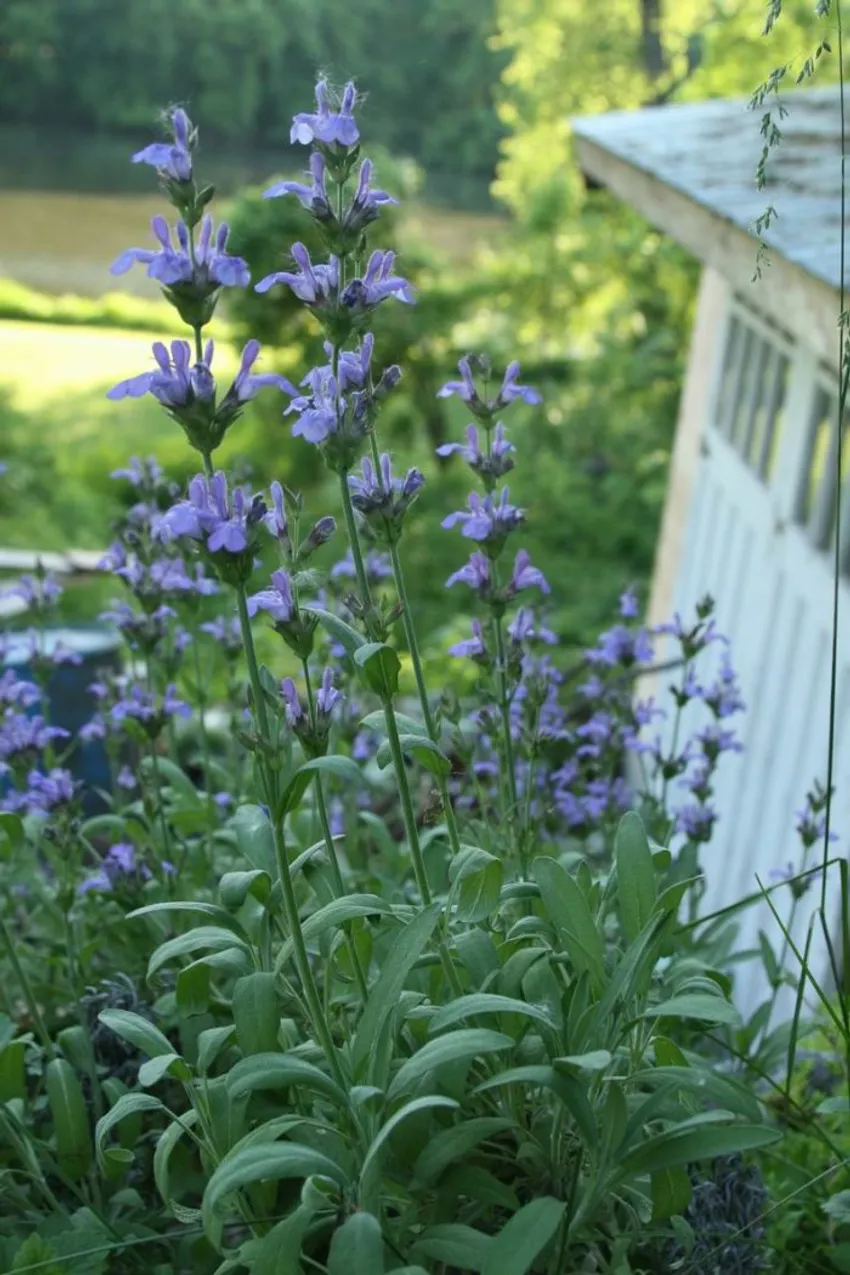
18. Sage in Bloom
In her own New Milford, Connecticut garden, Michelle Gervais highlighted the often-overlooked beauty of common sage (Salvia officinalis). Beyond its culinary utility, the sage’s delicate purple flowers and gray-green foliage provide a sophisticated aesthetic for those with full sun and well-drained soil. It served as a timely reminder to appreciate the multi-functional beauty of common herbs.
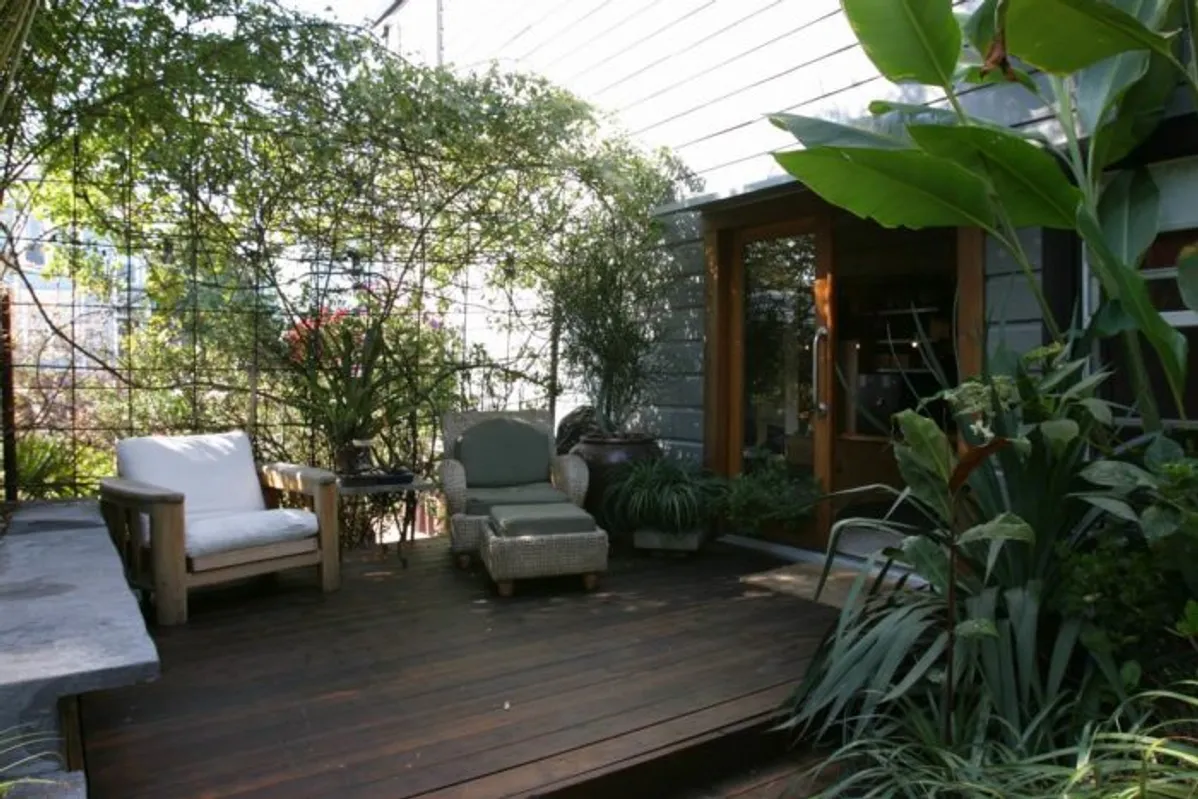
19. Open Boundaries in Oakland
Returning to California, this entry explored the concept of the "visual barrier." Instead of a solid fence, a gardener used an open net of wires and vines. This allows for a sense of privacy while maintaining airflow and light transmission—a critical consideration for shady, enclosed spaces.
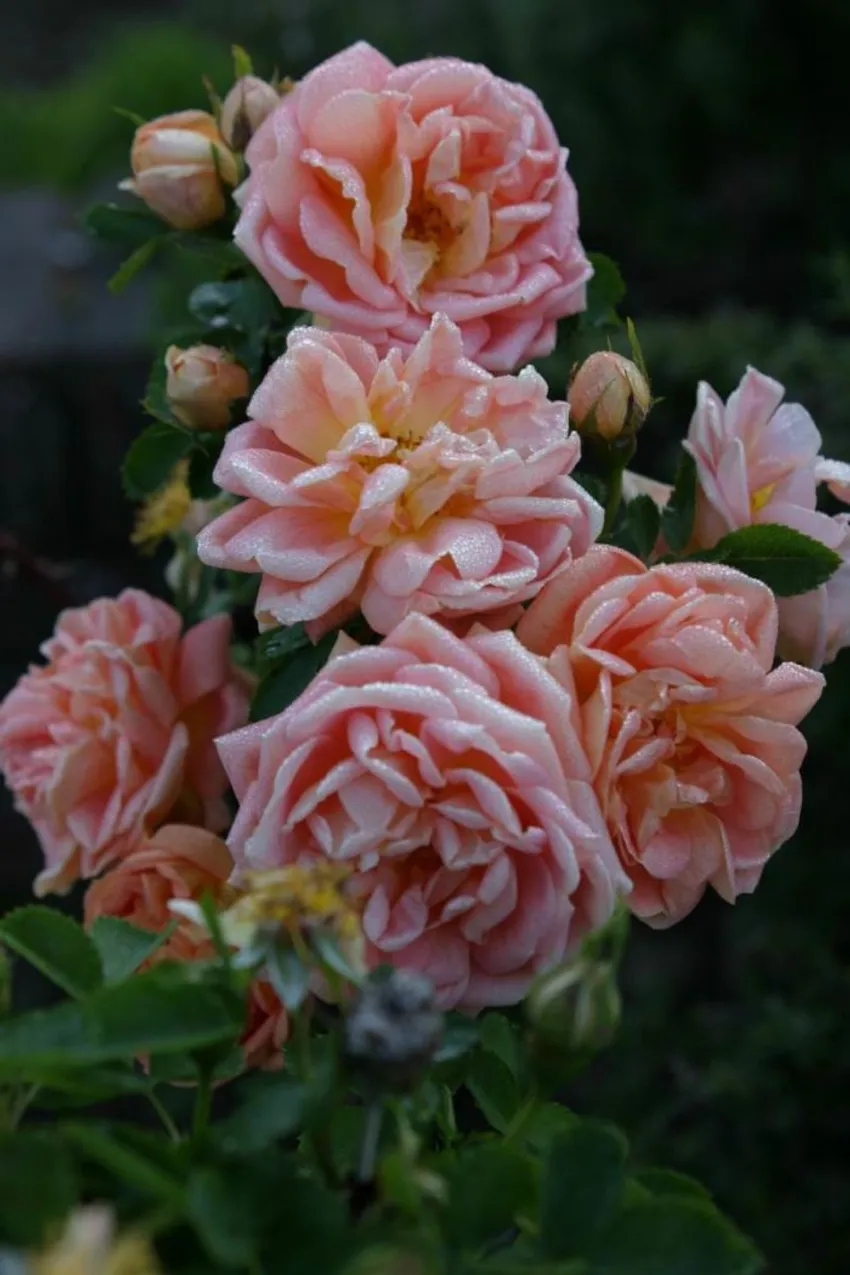
20. The Antique Elegance of the ‘Soleil d’Or’ Rose
The final entry in this set featured the ‘Soleil d’Or’ rose. This antique hybrid from the turn of the 19th century is notoriously prone to blackspot, yet it remains a favorite for its citrusy fragrance and extravagant blooms. It serves as an ode to the "passionate gardener"—one who is willing to provide extra pampering for the sake of unparalleled beauty.
Implications for Modern Gardeners
What can we learn from these early snapshots? Firstly, the fundamental principles of gardening—texture, structure, color, and intent—remain unchanged. However, the application of these principles has evolved.
The early GPOD entries leaned heavily into the "cultivated" aesthetic, even when aiming for a wild look. Today, the gardening community is shifting further toward native-heavy, climate-resilient landscapes. Yet, as we look at the ‘Gold Bar’ miscanthus or the lacebark pine, we see a timeless appreciation for plants that offer multi-seasonal benefits.
These archives suggest that the best gardens are not those that follow the strictest rules, but those that reflect the personality of the gardener. Whether it is a hot tub nook in California or a sage-filled herb patch in Connecticut, the common thread is the human desire to curate a slice of the natural world.
Future Directions: From Antarctica and Beyond
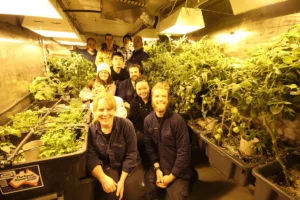
As we move forward, the GPOD series continues to expand its reach. Michelle Gervais, the visionary who founded the project, has suggested digging into the archives for even more exotic submissions—including potential entries from the frozen landscape of Antarctica. This serves as a testament to the fact that gardening is a universal language, capable of flourishing in the most unlikely of conditions.
We invite our readers to continue this journey with us. Whether you are a professional landscaper, a hobbyist with a window box, or a botanical traveler, your story is part of the ongoing narrative of the Garden Photos of the Day.
How to Contribute
We want to see your garden. If you have been inspired by these early archives or are currently working on a project of your own, we encourage you to share your work.
- Submission Form: Please utilize our official Garden Photo of the Day Submission Form.
- Direct Email: Send 5–10 high-quality images to our editorial team. Please include a brief description of the plants featured, your location, your gardening journey, and any lessons learned along the way.
- Stay Connected: Don’t miss a single entry. Sign up for our daily email newsletter to have these moments of inspiration delivered directly to your inbox.
Recommended Reading and Resources
To help you on your own gardening journey, we recommend these curated resources:
- Johnny’s Selected Seeds Connecta® Cultivation Kit: A versatile, ergonomic toolset designed for efficiency in the home garden.
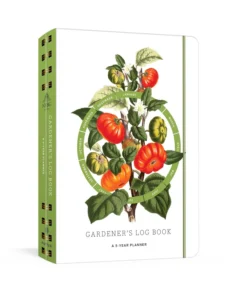
- Gardener’s Log Book from NYBG: A robust, five-year tracking system that allows you to document bloom times, harvest cycles, and soil health—a vital tool for any serious gardener.
- "Planting in a Post-Wild World" by Thomas Rainer and Claudia West: A must-read for those interested in designing resilient, hybrid plant communities that bridge the gap between the wild and the cultivated.
Fine Gardening receives a commission for items purchased through links on this site, including Amazon Associates and other affiliate advertising programs.