Beyond the Perfect Plate: Deconstructing the "Good Mom" Myth in Modern Parenting
In the hyper-connected era of social media, the domestic sphere has become an unlikely battleground for perfectionism. For parents, the simple act of feeding a family—once a mundane daily chore—has been elevated to a moral performance. A recent reflection by the founder of Yummy Toddler Food (YTF) has ignited a broader conversation about the exhausting, often invisible, labor of parental nutrition and the pervasive, underlying anxiety that accompanies the quest to be a "good mom" in the kitchen.
As algorithms and AI-generated content increasingly commodify the parenting industry, the human element of shared experience—the vulnerability of acknowledging that feeding children is difficult—has become more vital than ever.
The Genesis of the "Good Mom" Guilt
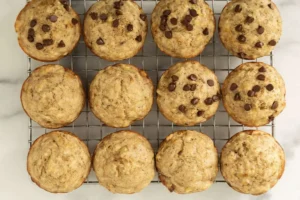
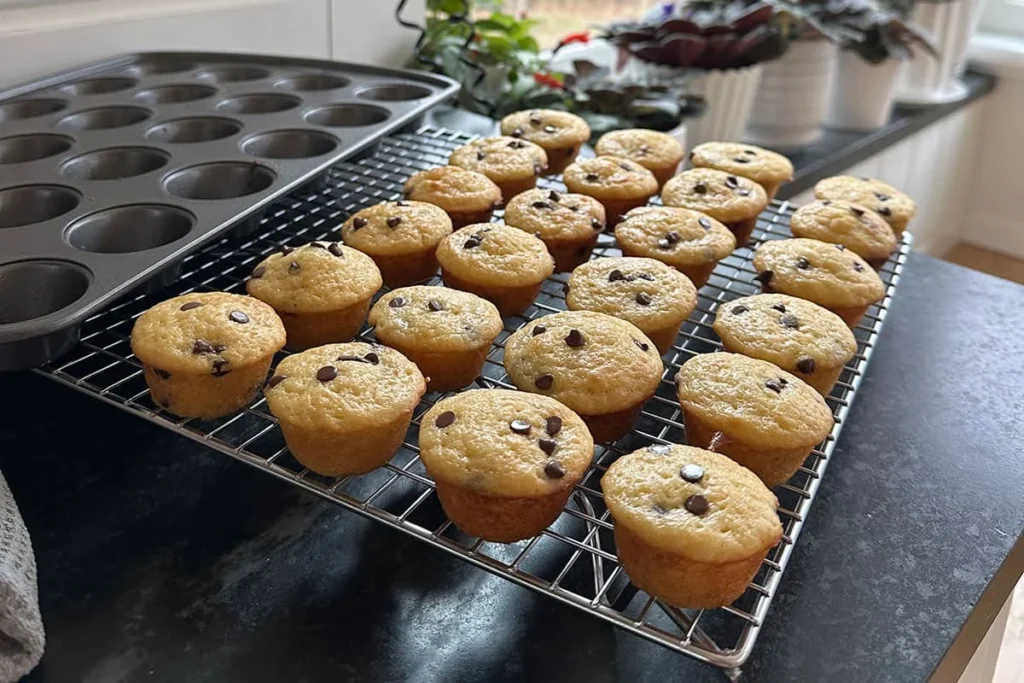
The catalyst for this cultural inquiry was a seemingly innocuous Instagram message received by the YTF team last week. A follower reached out to express gratitude, noting that a specific set of muffin recipes had helped her feel like a "good mom."
While the sentiment was intended as a compliment, it served as a stark, sobering reminder of the internal dialogue that plagues modern caregivers. It highlighted a reality that many parents, particularly mothers, grapple with daily: the belief that their worth as a parent is inextricably linked to the quality, healthfulness, and aesthetic appeal of the food placed on the table.
This phenomenon is not merely anecdotal. It is a psychological response to a landscape where curated images of "perfect" lunches, balanced bento boxes, and organic, home-cooked dinners dominate the digital feed. When a recipe becomes a metric for moral success, the kitchen ceases to be a place of nourishment and becomes a courtroom of self-judgment.
Chronology of a Feeding Crisis
To understand how we arrived at this state of chronic culinary anxiety, we must look at the evolution of family mealtime over the last decade:
- 2015–2018: The Rise of the "Foodie Parent" Influence. As Instagram gained prominence, parenting influencers began aestheticizing the lunchbox. The "perfect" toddler meal became a viral content staple.
- 2019–2021: The Pandemic Pressure Cooker. With schools and daycare centers closed, the burden of feeding children moved entirely into the home. Expectations for home-cooked meals skyrocketed, as did the social pressure to maintain "wellness" during a global health crisis.
- 2022–2024: The Algorithmic Shift. The rise of AI-driven content and SEO-optimized recipe scraping created a glut of sterile, "perfected" food advice. This environment, often devoid of empathy or human messiness, left parents feeling increasingly isolated and inadequate.
- 2025–Present: The Pushback. A growing movement, exemplified by platforms like YTF, has begun to advocate for "low-stakes" feeding—prioritizing ease, mental health, and the reality of the parent-child relationship over the perfection of the meal itself.
Supporting Data: The Mental Load of Nutrition
The mental and physical labor involved in feeding a family is rarely accounted for in traditional economic or social metrics. However, research into the "mental load" of household management suggests that food-related decision-making is one of the most draining tasks for the primary caregiver.
According to studies on parental stress, the "decision fatigue" associated with meal planning, grocery shopping, and navigating picky eating can contribute significantly to burnout. When we add the layer of "moral obligation"—the idea that the child’s long-term health and behavior are solely the result of the parent’s cooking—the cognitive load becomes heavy enough to impair daily function.
Furthermore, the "Good Mom" trope is reinforced by the accessibility of information. In previous generations, parents relied on a smaller circle of family knowledge. Today, a parent has access to millions of conflicting opinions, dietary trends, and "scientific" recommendations at their fingertips. This paradox of choice, combined with a fear of failing the child, creates a state of constant, low-level anxiety that the YTF founder describes as a "wallop" to the industry’s human creators.
The Industry Perspective: Algorithms vs. Humanity
The creator of Yummy Toddler Food notes that the industry is currently being "endlessly walloped by algorithms and AI scraping." This is a significant point of concern for digital publishers.
AI-generated content often mimics the language of empathy without the lived experience. It can produce a perfectly balanced recipe for "toddler-friendly snacks," but it cannot account for the toddler who throws the muffin across the room, or the parent who is too exhausted to clean the kitchen at 7:00 PM.
The industry’s struggle reflects a broader societal issue: we are replacing human connection with machine-generated convenience. By relying on cold, algorithmic efficiency to solve our problems, we lose the communal support that helps us realize that our struggles are universal, not personal failures.
Implications: Letting Go of the Urge to Perform
If we are to move toward a healthier relationship with the kitchen, we must reframe the definition of success. The "Good Mom" (or "Good Parent") is not defined by a flawless menu.
1. Decoupling Nutrition from Identity
The most critical step in alleviating this guilt is separating the task of feeding from the identity of the caregiver. A child’s dietary habits are influenced by a multitude of factors—genetics, environment, temperament, and age—most of which are beyond a parent’s total control.
2. The Power of "Low-Stakes" Feeding
Embracing the "good enough" approach does not mean abandoning health; it means abandoning perfection. It means acknowledging that a store-bought muffin is, in fact, a perfectly acceptable snack, and that a "fed child" is a success regardless of the preparation method.
3. Community Over Consumption
The shift toward paid, community-driven platforms (such as the YTF Community) signals a desire to return to human connection. By investing in spaces where parents can discuss the realities of the struggle, rather than just consuming the "final product" of a recipe, parents can normalize their experiences. This community support acts as a buffer against the isolating effects of social media perfectionism.
4. The Role of Professional Advocacy
Authors like the creator of Dinnertime SOS are working to dismantle the pressure through education. By providing tools that are "fully customizable" and focused on practical, long-term sustainability rather than short-term dietary trends, they are helping to shift the culture from one of anxiety to one of agency.
Conclusion: A Lighter Path Forward
The pressure to be a "good mom" is a symptom of a culture that asks too much of parents while providing too little support. As we navigate the complexities of raising children in an age of infinite digital comparison, the most radical act may be to simply let go.
Feeding our families should not be an exercise in moral perfection. It is a daily, messy, and deeply human endeavor. By recognizing that our worth is not measured by the contents of our children’s plates, we can begin to reclaim the kitchen as a space for connection, rather than a place for guilt.
As we look to the future of the parenting industry, the focus must remain on the human experience. Whether through shared recipes, meal plans, or the honest acknowledgment of our shared challenges, the goal should be to lower the stakes—one muffin at a time. The true measure of a successful meal is not the nutrient density of the bite, but the resilience and grace with which we show up for our families, day after day.