Beyond the Postcard: Why Immersive Travel is the Future of Global Exploration
For decades, the archetype of the "traveler" has been defined by a checklist: the must-see monument, the top-rated restaurant from a guidebook, and the bustling nightlife of a city center. We treat travel as an extractive process—a way to harvest photos and memories before moving on to the next destination. We visit, we observe, and we leave. But in this era of hyper-connected, fast-paced tourism, a growing number of people are realizing that surface-level interaction leaves a void. To truly understand a destination, one must move beyond the role of a spectator and become a participant.
The Shift from Extractive to Immersive Travel
The traditional tourist model is inherently passive. Whether you are a weekend tripper or a long-term traveler priding yourself on avoiding "tourist traps," the dynamic often remains the same: you are an outsider looking in. The dream of "living like a local"—befriending neighbors and becoming a fixture in a community—rarely materializes for the casual traveler. As is often the case, the barriers to genuine local integration are high. Locals, understandably, do not always seek deep connections with transient visitors who are here today and gone tomorrow.
To bridge this gap, the philosophy of travel is undergoing a radical shift. The most transformative experiences aren’t found in the queue for a famous landmark; they are found in the act of being embedded. This means staying in one place long enough to build real, professional, and personal relationships. It means contributing to the local ecosystem rather than merely consuming it.
The New Frontier: Working Holidays and Ethical Volunteering
For years, the "digital nomad" lifestyle has been the gold standard for long-term travel. The premise—working remotely while traveling—is appealing, but it requires a specific set of circumstances: a high-level, remote-compatible career, financial stability, and a degree of autonomy that many young professionals and students simply do not possess.
This is where the "Working Holiday" model has emerged as a more accessible, grounded, and sustainable alternative. Instead of bringing a corporate job from home, travelers are now integrating into local economies by securing work upon arrival. This provides a natural social framework, a professional network, and a reason to stay in a location for months rather than weeks.
Scaffolding for Success: The Role of Global Work & Travel
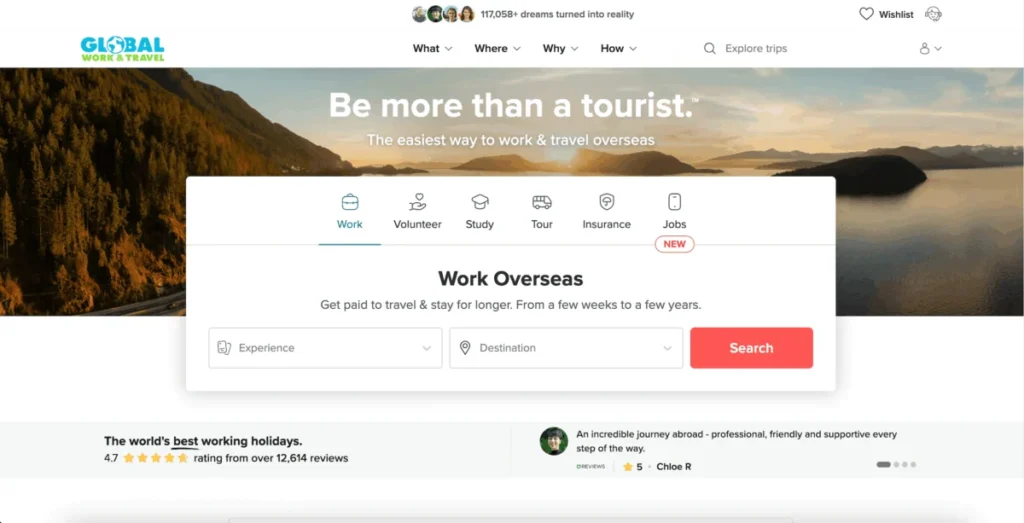
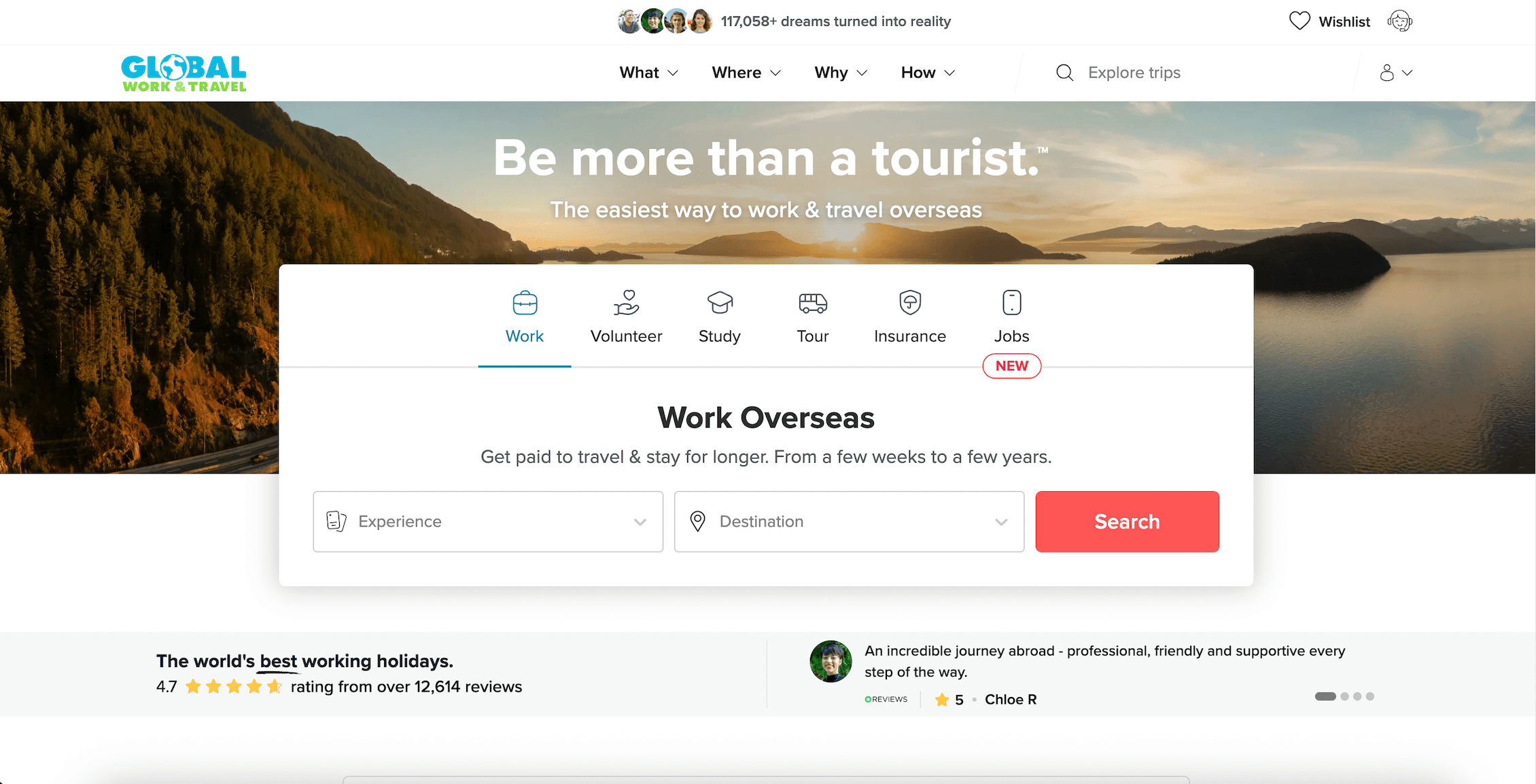
The logistics of moving abroad—securing visas, navigating local labor laws, and finding housing—are enough to deter even the most adventurous spirits. For nearly two decades, organizations like Global Work & Travel have been professionalizing this space, acting as the "scaffolding" that turns the idea of living abroad into a reality.
Having assisted over 116,000 individuals, the company provides a structured safety net. Their support includes:
- Visa Guidance: Navigating the complex bureaucracy of international work permits.
- Job Matching: Connecting travelers with reputable employers.
- Pre-Departure Support: Ensuring the traveler is prepared for the cultural and professional environment.
- The gWorld Portal: A centralized app for trip management, ensuring that documents, placement details, and support contacts are accessible at all times.
This structure is crucial. For first-timers, having a vetted support system is often the deciding factor between perpetually "planning" and actually boarding the plane.
Ethical Volunteering: A Critical Re-evaluation
The conversation surrounding volunteering abroad has rightfully become more critical. In the past, "voluntourism" was frequently criticized for being profit-driven, with programs that prioritized the traveler’s "feel-good" experience over actual community needs.
Today, the focus has shifted toward vetted, high-impact programs. When organizations like Global Work & Travel partner with communities—such as those in Zanzibar, conservationists in South Africa, or elephant rehabilitation centers in Thailand—the objective is to address problems defined by the locals themselves. By working alongside those who live in these environments, travelers gain a nuanced perspective on the challenges of conservation and community development. This isn’t just a resume builder; it is a profound education in the realities of global inequality and environmental stewardship.
The "Working Holiday" vs. The Digital Nomad
Why is the working holiday model gaining traction over the digital nomad lifestyle? The answer lies in the concept of "grounding."
Digital nomads, while free, often operate within a bubble of other travelers, frequently congregating in the same coworking spaces and cafes. Conversely, a working holiday maker is often part of a local team. They have a schedule, a manager, and a community of coworkers who are usually locals. This creates a more authentic, integrated experience.
Furthermore, the barrier to entry is lower. You do not need a business or a decade of experience to participate. You need the willingness to learn, the drive to adapt, and a structured program to help you navigate the initial transition. This makes global citizenship more democratic and accessible to a broader demographic, including recent graduates and those looking for a career pivot.
Implications for the Future of Travel
As we look toward the future, the impact of these programs on both the traveler and the host country is significant.
1. Cultural Understanding and Diplomatic Ties
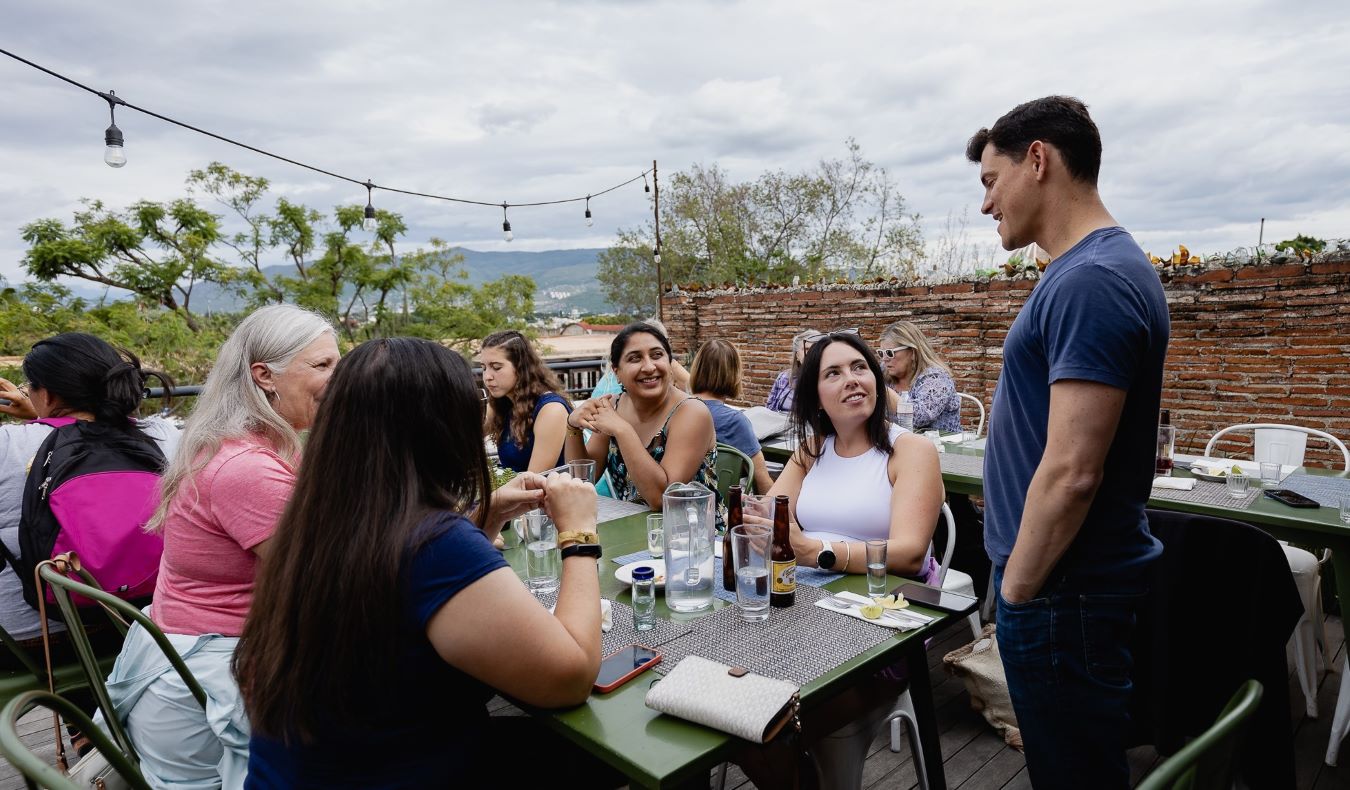
When a traveler works and lives in a community for six to twelve months, they move past stereotypes. They see the reality of daily life—the struggle, the joy, and the culture—that a two-week tourist never encounters. This fosters a level of global empathy that is essential in an increasingly polarized world.
2. Economic Integration
By working in the local economy, travelers are not just spending money in tourist-centric hubs; they are paying taxes, supporting local businesses, and filling labor gaps. This shifts the perception of the "tourist" from an annoying, transient presence to a contributing member of the community.
3. Personal Development
The professional skills gained through international work—adaptability, cross-cultural communication, and problem-solving—are highly valued in today’s globalized job market. A year spent working in a different culture often provides more career development than a year spent in a static, local role.
Practical Steps for the Aspiring Long-Term Traveler
If the prospect of working or volunteering abroad resonates, the transition requires careful planning. Here is the framework for those ready to make the leap:
- Financial Planning: Utilize tools like How to Travel the World on $75 a Day to master the art of budgeting. Long-term travel is not just about spending; it is about strategic allocation of resources.
- Logistics: Utilize platforms like Skyscanner for flight comparisons and Booking.com or Hostelworld for accommodation. However, when choosing a long-term placement, rely on vetted organizations like Global Work & Travel to avoid the pitfalls of unverified programs.
- Risk Management: Never travel without comprehensive insurance. Companies specializing in travel insurance provide essential coverage for medical emergencies, theft, and trip cancellations—protections that are non-negotiable for those living abroad.
- The "Why" Factor: Before you commit, define your goals. Are you seeking professional growth, cultural immersion, or personal contribution? Aligning your program choice with these goals will ensure the experience is as rewarding as possible.
Conclusion
Travel has always been at its best when it transcends the superficial. The moments that remain etched in our memories years later are never the ones where we stood in line for a photo op; they are the moments where we connected, contributed, and grew.
With modern, structured programs, the barriers that once kept deep travel out of reach have been significantly lowered. If you have been waiting for the "right time" or the "right sign" to step out of your comfort zone and truly engage with the world, that time is now. By choosing to work, learn, and give back, you aren’t just traveling—you are living a global life.
For those ready to take the next step, you can explore opportunities through Global Work & Travel and use the code NOMADICMATT to receive a discount on your journey into deep, immersive travel.