California Leads the Nation: The Path Toward a "Non-Ultraprocessed" Standard
By the Food Safety Magazine Editorial Team
In a landmark legislative move that could reshape the American dietary landscape, the California State Legislature has officially passed Assembly Bill 2244 (AB 2244). This pioneering legislation aims to establish the nation’s first state-sanctioned certification seal for food products that meet rigorous standards for being “not ultra-processed.” The bill, which enjoyed unanimous bipartisan support in both the State Senate and Assembly, now sits on the desk of Governor Gavin Newsom, representing a pivotal moment in the ongoing national conversation regarding food quality, public health, and industrial processing standards.
The Core Mandate of AB 2244
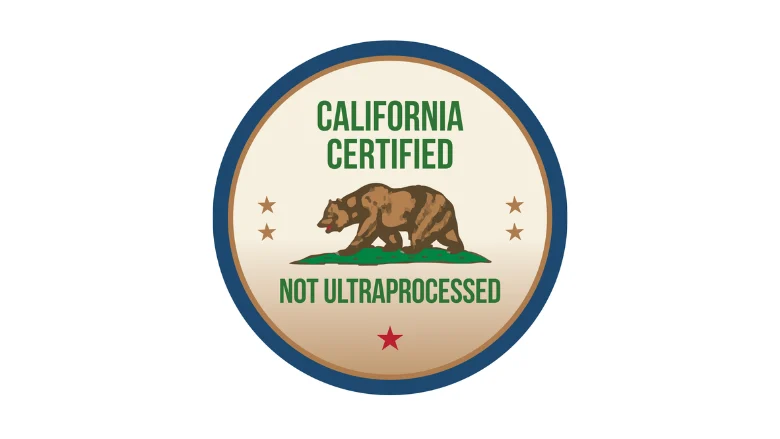
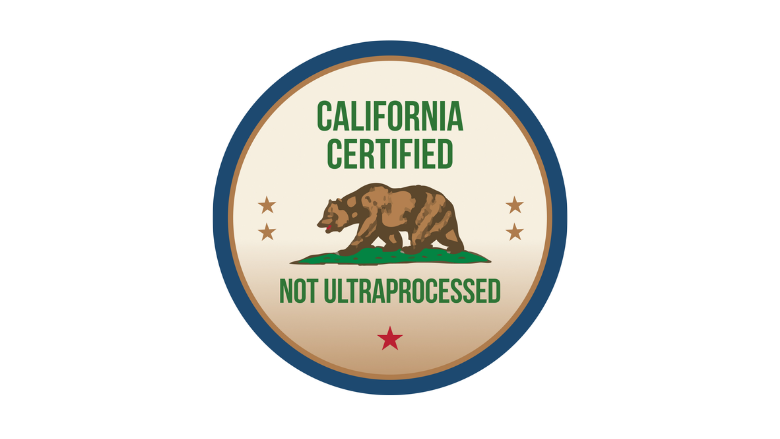
At its heart, AB 2244 seeks to provide transparency in an increasingly complex food market. The legislation proposes a voluntary certification program that allows manufacturers to display a “Non-Ultraprocessed Certified” seal on their product packaging. Modeled structurally after the highly successful “USDA Organic” label, the initiative is designed to act as a beacon for health-conscious consumers navigating the overwhelming array of choices in modern grocery aisles.
The program would be administered by the California Department of Public Health (CDPH). Under the proposed framework, food manufacturers would apply to accredited third-party certification agents to verify that their products meet specific, state-defined criteria. Once approved, these products would not only carry the seal but would also see enhanced visibility in retail settings, as the bill mandates that California grocery stores provide designated shelf space or displays for certified non-ultraprocessed items.
The primary objective, according to Assemblymember Jesse Gabriel (D-46), the bill’s author, is to create a market-based incentive. By providing a clear, government-backed label, the state hopes to encourage food manufacturers to reformulate their products—reducing reliance on synthetic additives, artificial colorants, and complex processing techniques—to earn the coveted seal.
A Chronology of California’s Regulatory Evolution
The passage of AB 2244 is not an isolated event; rather, it is the latest development in a calculated, years-long effort by California lawmakers to address the prevalence of ultra-processed foods (UPFs) in the American diet.
- Early 2025: Governor Newsom signed the Real Food, Healthy Kids Act (AB 1264) into law. This was a watershed moment, as it established the first statutory framework in the United States for defining exactly what constitutes an "ultra-processed" food.
- Mid-2025 to Early 2026: Implementation of the Real Food, Healthy Kids Act began, focusing on phasing out specific categories of highly processed foods from California’s school lunch programs.
- August 2026: Federal activity reached a boiling point as the FDA and USDA submitted a draft federal definition for ultra-processed foods for White House review, signaling that California’s localized efforts may eventually be harmonized with national standards.
- Late 2026: The California Legislature passed AB 2244, moving the state from a model of “restricting bad actors in schools” to “promoting good actors in the marketplace.”
- September 30, 2026: The deadline for Governor Newsom to sign or veto AB 2244.
Defining the "Ultra-Processed" Landscape
The technical definition of an ultra-processed food remains a subject of intense debate among nutritionists, toxicologists, and food scientists. However, California has taken a firm stance in its legislative language. Under the Real Food, Healthy Kids Act, which serves as the foundation for the new certification, a product is generally categorized as ultra-processed if it meets any of the following criteria:
- High Nutrient Density Issues: The product contains high levels of saturated fat, added sugars, or sodium, exceeding established nutritional thresholds.
- Additives and Synthetics: The product utilizes non-sugar sweeteners, artificial colorants, or flavorings that are not naturally derived.
- Industrial Processing Agents: The inclusion of specific emulsifiers, thickening agents, or stabilizers that are typically absent from home-cooked food.
The scientific consensus—or lack thereof—regarding these additives is the primary friction point. While some industry groups argue that these substances are safe and necessary for the stability, safety, and shelf-life of modern food, public health advocates argue that the synergistic effect of these additives, combined with the extreme processing methods used to create “hyper-palatable” foods, contributes to a range of chronic metabolic diseases, including obesity, type 2 diabetes, and cardiovascular conditions.
Supporting Data and the Public Health Argument
The push for AB 2244 is supported by a growing body of longitudinal data. Studies published in leading medical journals have consistently linked high consumption of ultra-processed foods to increased risks of mortality. The "California model" of regulation assumes that if consumers are given the tools to identify “cleaner” food, they will vote with their wallets, forcing manufacturers to pivot their supply chains.
The economic implications are significant. California represents the fifth-largest economy in the world. If the state sets a standard for "Non-Ultraprocessed," it creates a massive incentive for food conglomerates to shift their manufacturing practices to maintain access to the California market. Historically, when California sets an environmental or safety standard—often referred to as the “California Effect”—national and global industries frequently adopt those standards as their baseline to simplify distribution logistics.
Official Responses and Industry Tension
The reaction from the food industry has been mixed. Some mid-sized, health-focused food companies have expressed support, viewing the certification as a way to distinguish themselves from industrial competitors. Conversely, major food processing trade associations have voiced concerns over the potential costs of compliance and the complexity of the certification process.
Assemblymember Gabriel’s office has maintained that the program is purely voluntary, emphasizing that no company is being forced to change its recipes. Instead, the bill utilizes the “carrot” of brand differentiation rather than the “stick” of a outright ban.
Public health experts, including those from academic institutions across the University of California system, have praised the bill for its focus on transparency. They argue that for too long, the ingredient labels on the back of food packages have been intentionally obfuscated by complex chemical names, making it nearly impossible for the average consumer to make an informed choice. The front-of-package "Non-Ultraprocessed" seal would, in theory, bypass this confusion entirely.
Implications for the Future
The potential signing of AB 2244 by Governor Newsom carries profound implications that extend far beyond California’s borders:
1. The Federal-State Conflict: As the FDA and USDA continue their work on a federal definition for ultra-processed foods, California’s state-level certification could create a legal precedent. If the federal definition differs from California’s, a complex landscape of preemption may emerge, potentially leading to litigation regarding whether states have the authority to set their own labeling standards for processed foods.
2. Supply Chain Reconfiguration: For major retailers, the requirement to display these products means rethinking store layouts and procurement strategies. If the seal becomes popular, retailers may prioritize shelf space for certified products, effectively pushing non-certified, highly processed items to less desirable areas of the store.
3. The "Clean Label" Movement: This legislation acts as the government’s formal endorsement of the "Clean Label" movement, which has been gaining traction in the private sector for over a decade. By moving this concept from a private marketing claim to a state-regulated certification, California is effectively legitimizing the idea that "processed" is not just a method, but a metric of health.
4. Global Influence: Just as California’s emissions standards have influenced global automotive manufacturing, its food safety policies are being watched by international regulators. Countries in Europe and South America, which have already implemented various forms of "front-of-package" warning labels (such as black-and-white warning signs for high sugar/fat), may view California’s "positive certification" approach as a complementary tool to encourage healthier consumption.
Conclusion
As the September 2026 deadline approaches, the food industry remains in a state of watchful waiting. AB 2244 represents a bold experiment in public health policy. By creating a voluntary, transparent, and state-backed system to identify foods that have undergone minimal industrial processing, California is attempting to reverse the trends of the last half-century. Whether this will lead to a healthier population, a major shift in industrial food chemistry, or a complex legal battle remains to be seen. However, one thing is certain: the conversation around what we eat and how it is made has reached a new, unprecedented level of legislative scrutiny.