Elevating the Mid-Atlantic Landscape: Four Essential Plant Selections from Chanticleer Garden
The Mid-Atlantic region—a diverse horticultural theater stretching from the humid coastal plains to the rolling foothills of the Appalachians—presents a unique set of challenges for the home gardener. With fluctuating moisture levels, unpredictable spring frosts, and the persistent presence of local fauna like white-tailed deer, choosing the right plant material is often the difference between a thriving sanctuary and a perennial struggle.
To navigate these complexities, we turn to the expertise of David Mattern, a seasoned horticulturist at the renowned Chanticleer Garden in Wayne, Pennsylvania. Mattern, whose work is defined by an intimate understanding of plant performance and aesthetic layering, has curated a list of four essential plants that offer resilience, visual intrigue, and a much-needed bridge across the challenging Mid-Atlantic seasons.
Main Facts: The Philosophy of Informed Selection
Gardening in the Mid-Atlantic requires a strategy that looks beyond simple curb appeal. According to Mattern, the most successful gardens in this region are those that account for the "shoulder seasons"—the transition periods where color is often scarce and the garden can feel dormant.
The selections provided by Mattern—‘Cornell Pink’ Korean rhododendron, ‘Dark Shadows’ golden ragwort, ‘Mayleen’ mountain clematis, and the autumn crocus—are not merely ornamental. They are functional choices designed to offer structural interest, soil adaptability, and a staggered blooming schedule. Whether you are dealing with the dry shade beneath a black walnut or seeking a vibrant, early-spring announcement, these four specimens represent a blueprint for a balanced, year-round landscape.
Chronology: A Seasonal Guide to Horticultural Success
To truly appreciate these selections, one must view them through the lens of a yearly cycle. Each plant serves a specific temporal purpose, ensuring that the garden is never without a focal point.
Early Spring: The Awakening
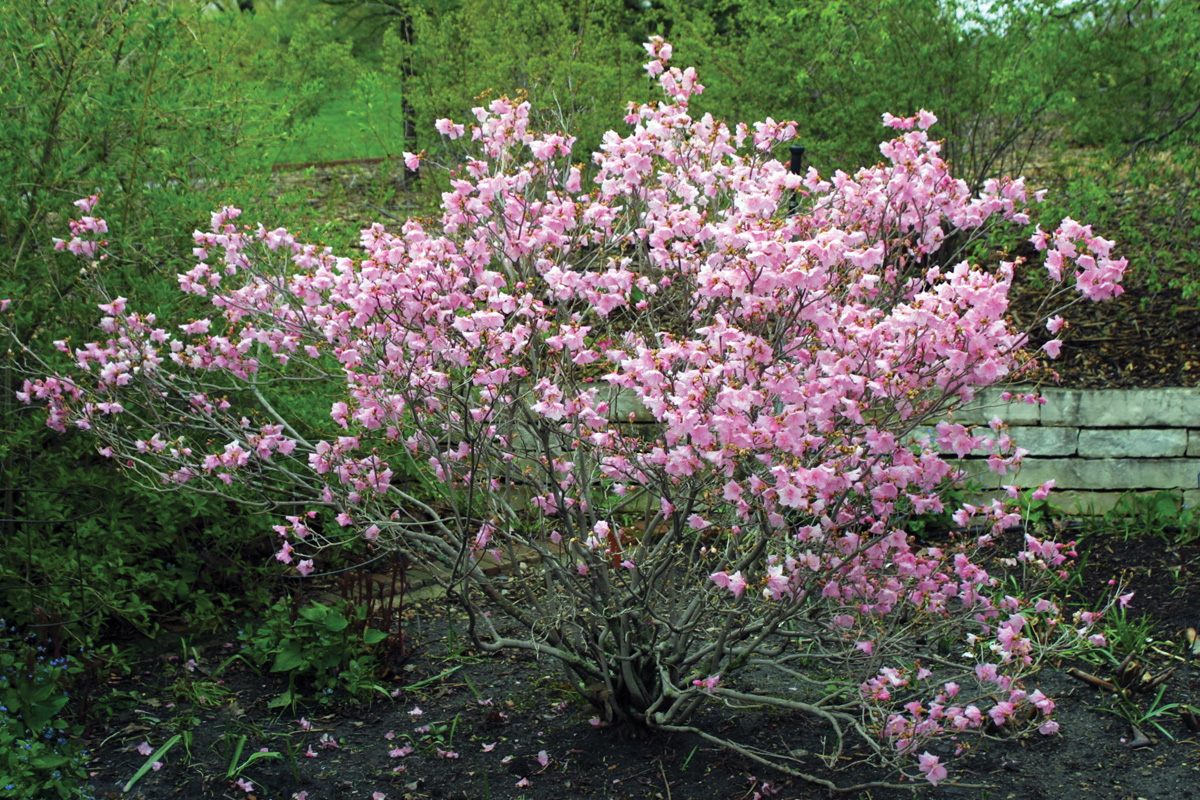
As the last vestiges of winter retreat, the ‘Cornell Pink’ Korean rhododendron (Rhododendron mucronulatum) takes center stage. Unlike many evergreen varieties that may suffer from winter desiccation, this deciduous shrub focuses its energy on a spectacular, early-season floral display. Its vibrant pink blossoms, characterized by subtle hot pink freckles, emerge on bare, multi-stemmed branches, creating a luminous, ethereal effect against the often-drab, gray backdrop of early spring.
Mid-Spring: The Mid-Season Flourish
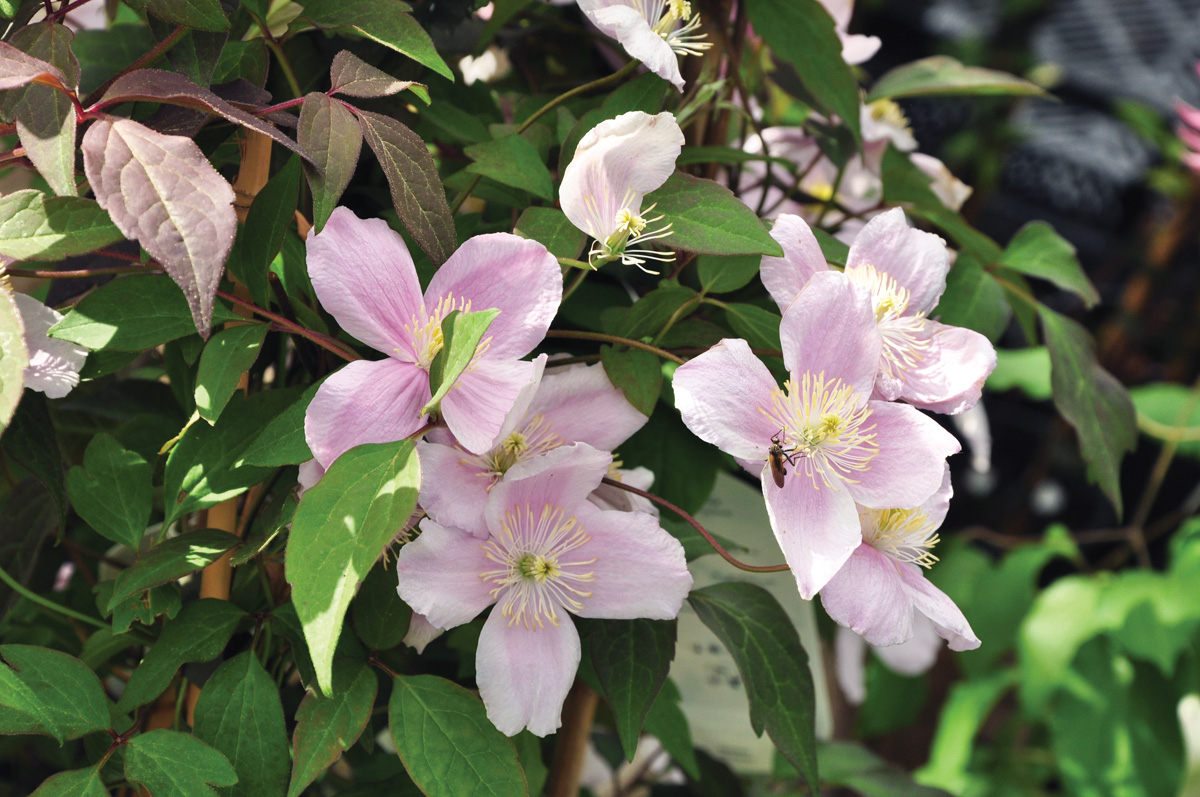
As the season progresses, the garden demands more volume and texture. This is where ‘Mayleen’ mountain clematis (Clematis montana) thrives. As one of the earliest blooming clematis varieties, it blankets trellises and fences in a profusion of soft pink, vanilla-scented flowers. Following the blooms, the bronze-tinged foliage remains a handsome, high-contrast feature throughout the warmer months.
Late Spring: The Ground-Level Transformation
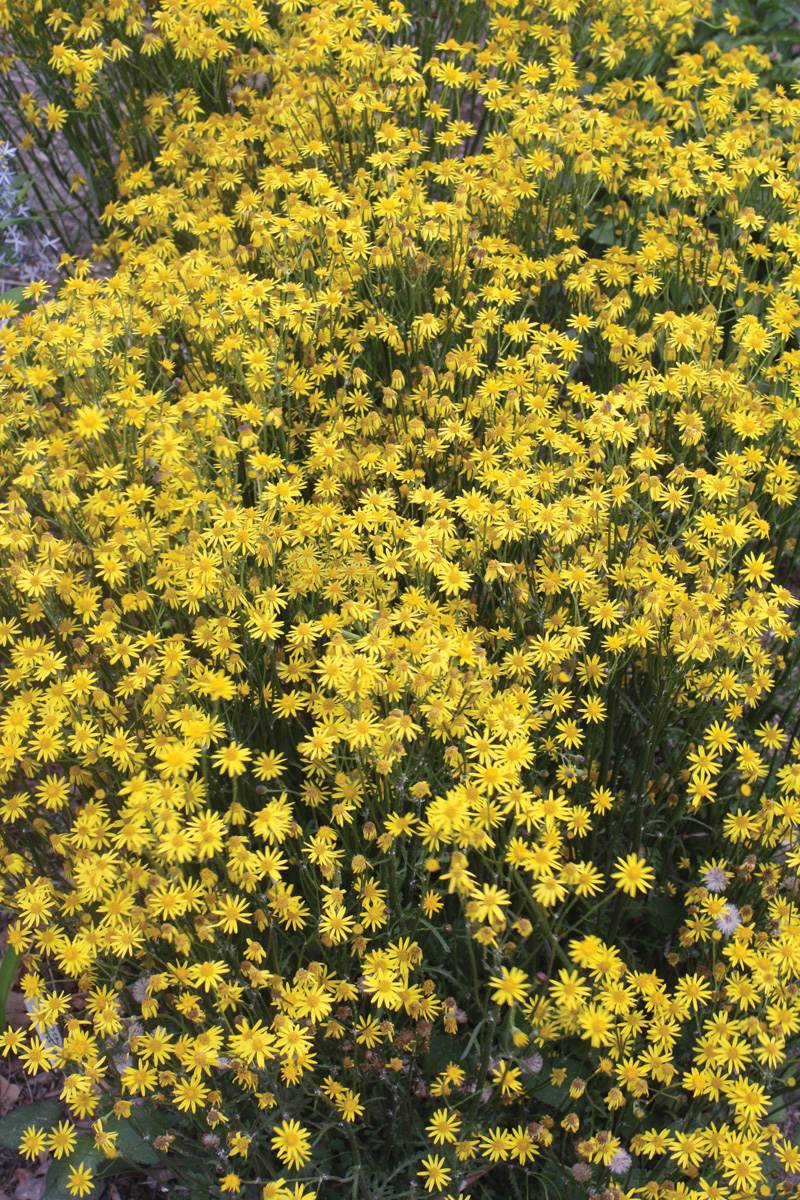
By late spring, the focus shifts to the understory. The ‘Dark Shadows’ golden ragwort (Packera aurea) begins its performance. Its emergence is marked by striking dark purple foliage and stems, providing a moody, sophisticated contrast to the brighter greens of early summer. As the season matures, these leaves transition to a lush green, while clusters of daisylike yellow flowers rise on sturdy stalks to act as a resilient, spreading ground cover.
Autumn: The Final Act
The gardening year concludes with the enigmatic autumn crocus (Colchicum spp.). This bulbous perennial defies traditional logic; its foliage emerges in the spring, disappears entirely by mid-summer, and is followed by a sudden, leafless eruption of lavender, pink, or white flowers in the early fall. It serves as a striking reminder that the garden’s vitality does not end with the first hint of cooler temperatures.
Supporting Data: Why These Plants Excel
The strength of these selections lies in their specific physiological adaptations to the Mid-Atlantic climate.
- ‘Cornell Pink’ Korean Rhododendron: This shrub is particularly well-suited for the region’s penchant for moisture-retentive but well-draining soils. Its unique "balloon-like" habit allows it to fit into smaller urban gardens while maintaining a structural presence that remains interesting even when not in bloom.
- ‘Dark Shadows’ Golden Ragwort: Perhaps the most adaptable of the group, Packera aurea is a testament to native resilience. Its ability to thrive in dry shade, rain gardens, and even under the allelopathic influence of black walnut trees makes it a "problem-solver" plant. Its tolerance for varying light conditions—from full sun to deep shade—provides gardeners with immense flexibility in site planning.
- ‘Mayleen’ Mountain Clematis: As a large, woody vine, it requires a different approach to maintenance than the average clematis. Unlike hybrids that demand aggressive annual pruning, ‘Mayleen’ prefers a more hands-off approach, requiring only light structural pruning to manage its size. Its requirement for organic-rich, moist soil aligns perfectly with the woodland-edge environments common in the Mid-Atlantic.
- Autumn Crocus: For the suburban gardener, the autumn crocus is a vital asset due to its resistance to deer browse. In an era where garden pressure from local wildlife is at an all-time high, the Colchicum provides a sophisticated, low-maintenance pop of color that typically remains untouched by foraging herds.
Official Perspectives: Expert Insights from Chanticleer
David Mattern’s approach at Chanticleer Garden is rooted in the belief that a garden should be a narrative. "These plants allow for a rhythmic movement through the garden," Mattern notes. "When you plant a ‘Cornell Pink,’ you are inviting the garden to wake up early. When you plant the autumn crocus, you are extending the invitation for the garden to stay awake long after the perennials have faded."
Mattern emphasizes that the Mid-Atlantic gardener must embrace the "humusy" soil profiles of the region. By amending soil with organic matter, gardeners can mimic the woodland floors where these plants naturally flourish. Furthermore, he cautions against the common mistake of over-pruning. By allowing shrubs like the ‘Mayleen’ clematis or the ‘Cornell Pink’ to maintain their natural, irregular, and often whimsical forms, the garden achieves a level of authenticity that formal, sheared landscapes often lack.
Implications: Building a Sustainable Future
The integration of these four plants into the home landscape carries significant implications for regional biodiversity and long-term sustainability.
- Reduced Chemical Dependency: By selecting plants like golden ragwort that are naturally adapted to the local environment and resistant to typical pests, gardeners can significantly reduce the need for fertilizers, pesticides, and excessive irrigation.
- Pollinator Support: The early-blooming nature of the Korean rhododendron and the mountain clematis provides critical nectar sources for early-emerging pollinators. In the Mid-Atlantic, where the "hunger gap" in early spring can be lethal for emerging insects, these plants serve as essential lifelines.
- Climate Resilience: The Mid-Atlantic is experiencing increasingly erratic weather patterns—ranging from flash droughts to intense downpours. The resilience of the Packera aurea in both rain gardens and dry shade demonstrates the importance of using "climate-proof" plants that can withstand the extremes of our changing environment.
Final Thoughts for the Gardener
As you plan your next trip to the nursery, consider the "Mattern Method": prioritize plants that offer more than just a single season of interest. Look for the structural beauty of the Korean rhododendron, the ground-covering utility of the golden ragwort, the vertical elegance of the mountain clematis, and the surprise-factor of the autumn crocus.
By layering these selections, you are doing more than simply filling space; you are crafting a resilient, dynamic ecosystem that will respond to the rhythms of the Mid-Atlantic, providing you with a garden that is as functional as it is beautiful. For those seeking to deepen their horticultural practice, the journey starts with these four foundational choices—a shopping list that promises beauty for years to come.
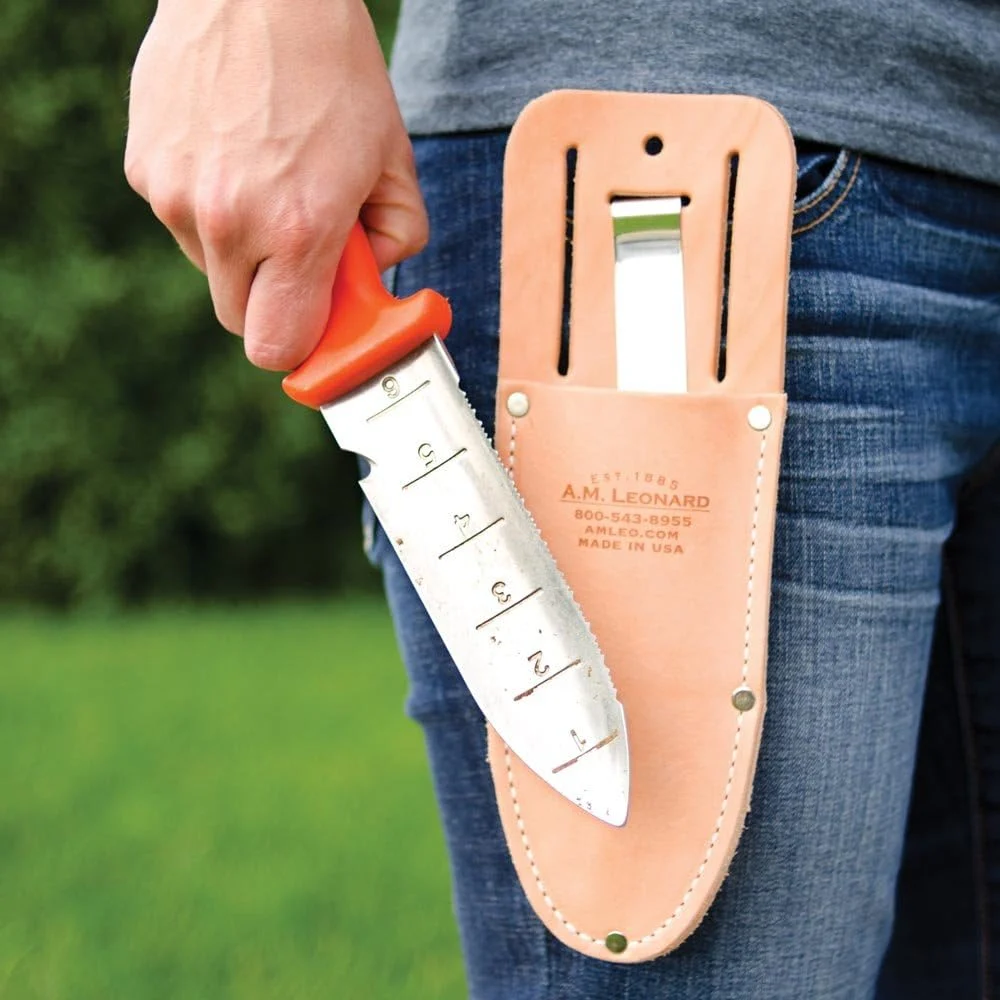
For more information on regional garden design, readers are encouraged to explore the extensive archives of Fine Gardening and follow the horticultural developments at Chanticleer Garden. Proper maintenance, such as the use of high-quality tools like the A.M. Leonard Deluxe Soil Knife, will ensure that your planting experience is as precise and efficient as that of a professional horticulturist.