Beyond the Snapshot: Why Immersive Travel is the New Gold Standard
For decades, the prevailing narrative of global travel has been one of extraction. We fly to a destination, navigate the highlights reel curated by guidebooks, capture the same backlit photos of iconic monuments, and retreat to tourist-centric dining enclaves. We consume the scenery, yet rarely participate in the substance. It is a passive, transactional model of exploration—one that often leaves the traveler feeling like a spectator rather than a participant.
Even among the self-proclaimed "nomads" who eschew the traditional resort experience, the rhythm often remains the same: a slower pace, perhaps a tighter budget, but ultimately, a life lived in the periphery of a local culture. We dream of cinematic moments—befriending locals over coffee, being invited into homes, and shedding our identity as "outsiders"—yet we rarely achieve them. The reality is that we are transient, and the local community is busy living.
However, a fundamental shift is occurring in the way we traverse the globe. The modern traveler is moving away from the "bucket list" mentality in favor of integration, seeking experiences that offer a deep, longitudinal connection to a place.
The Evolution of Global Mobility: From Passive to Participatory
The desire to go "deep" is no longer just a philosophical goal; it is becoming a practical, logistical movement. True transformation in travel rarely happens in a lobby or a tour bus. It occurs when a traveler is embedded—when they contribute to a local economy, participate in community problem-solving, and exist in a place long enough to see the seasons change.
For years, the primary barrier to this level of immersion was the lack of reliable infrastructure. How does one find a legitimate volunteer project that isn’t a "voluntourism" marketing trap? How does one navigate the labyrinthine visa requirements of a foreign nation to secure legal work?
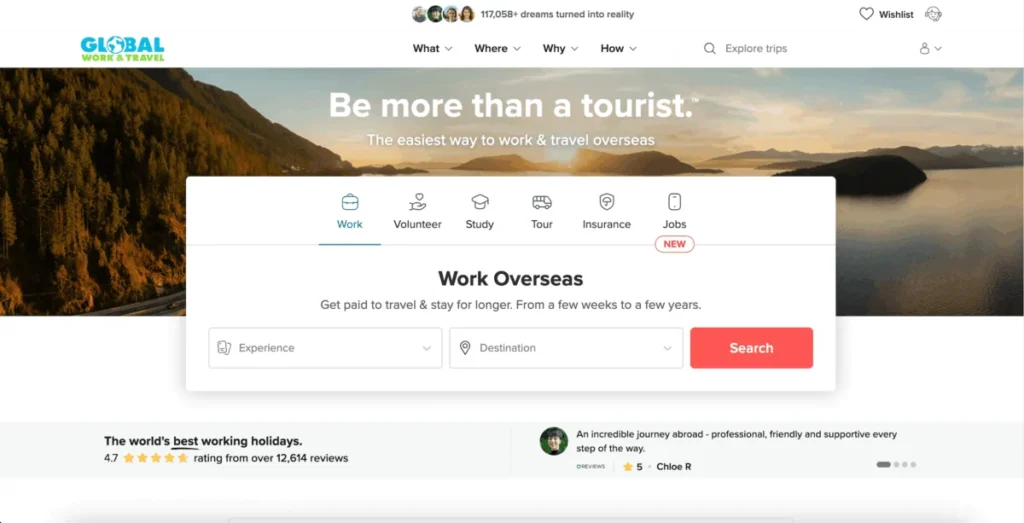
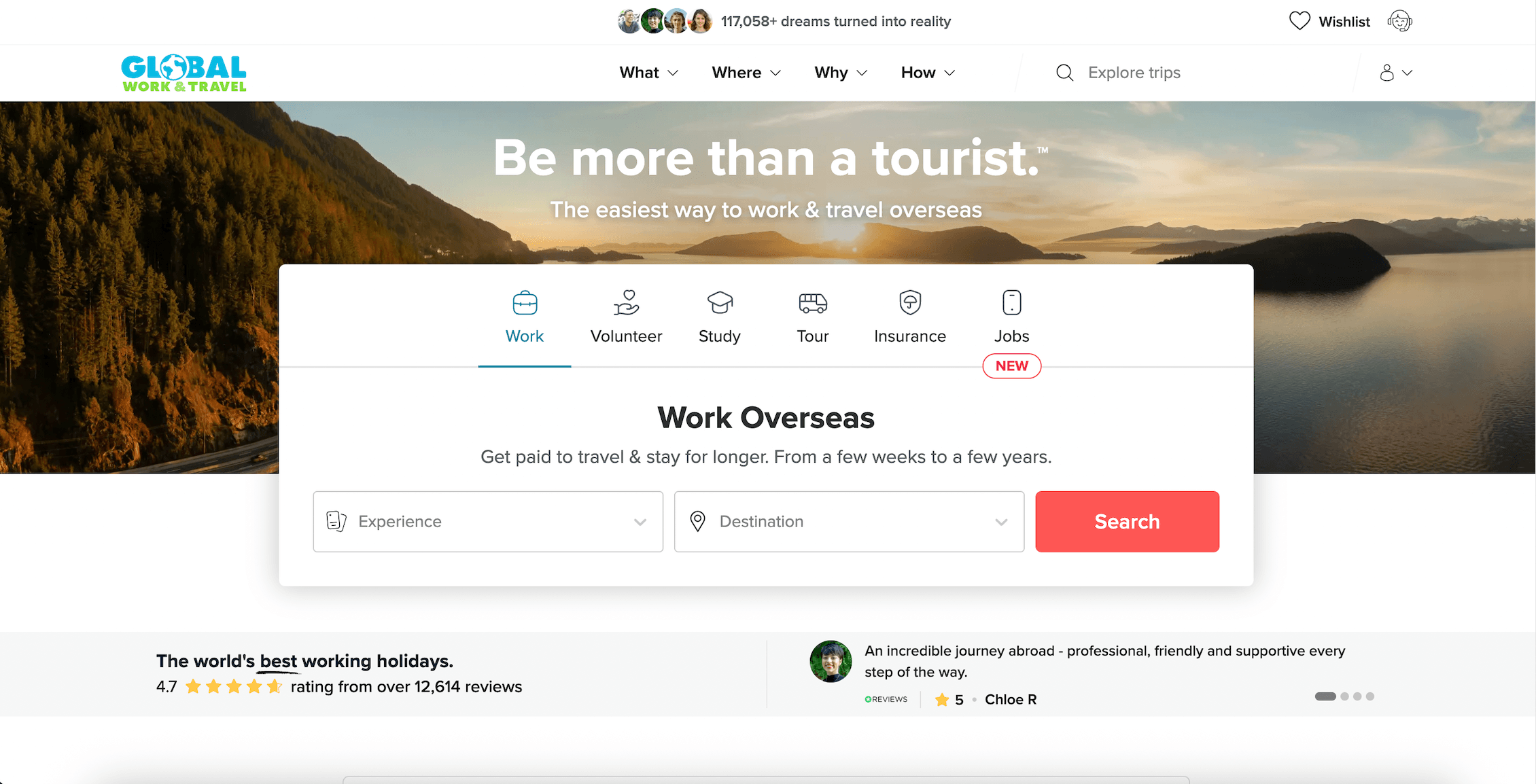
This is where the industry is pivoting. Organizations like Global Work & Travel have emerged to provide the necessary "scaffolding" for long-term stays. By handling the complex administrative burdens—visa guidance, job placement, and pre-departure support—these companies are democratizing the ability to live abroad, moving the goalposts from a two-week vacation to a twelve-month residency.
The New Vanguard: Working Holiday Makers as the New "Digital Nomads"
For the last ten years, the "digital nomad" archetype—remote work, strong currency, and a laptop-centric lifestyle—has dominated the travel conversation. Yet, this model is inherently exclusionary. It requires a high-level remote career, significant income, and an established level of professional stability that most young travelers, students, or those looking for a career pivot simply do not possess.
The "Working Holiday" model, by contrast, is far more inclusive and grounded. It flips the script: instead of bringing a remote job with you, you integrate into the local economy upon arrival.
Why This Shift Matters
- Economic Integration: By working locally, you are not merely a visitor consuming resources; you are a contributor. You pay local taxes, support local businesses, and operate within the local social fabric.
- Social Authenticity: Your colleagues become your primary social circle. You meet people through the daily grind—the shared triumphs and frustrations of a workplace—rather than in the artificial, transient environment of a hostel common room.
- Sustainable Pacing: A working holiday allows you to stay in a country for six to twelve months. This length of time is the threshold where a "destination" becomes a "home." You learn the neighborhood, find your favorite grocer, and understand the nuances of the culture that a short-term visitor would never encounter.
The Ethics of Engagement: Vetted Volunteering
Volunteering abroad carries a heavy reputation, and for good reason. Historically, the industry has been plagued by profit-driven enterprises that prioritize the traveler’s "experience" over the actual needs of the host community.
True, ethical volunteering requires a rigorous vetting process. A responsible program must operate based on the priorities defined by the host community, not by what looks good on a social media feed. Whether it is elephant rehabilitation in Thailand, community development in Zanzibar, or wildlife conservation in South Africa, the impact must be measurable and sustainable.
Global Work & Travel has addressed these concerns by curating programs that align with local needs. Their "Global Animal Welfare Fund" serves as an example of how modern travel companies are now attempting to channel resources back into the ecosystems their travelers visit. This represents a critical evolution: moving away from the "extractive" model of travel toward one that is regenerative.
Chronology of the Modern Travel Shift
The transition toward long-term immersion has unfolded in distinct stages:
- The Early 2000s (The Guidebook Era): Travel was defined by physical books. Information was static, and the barrier to entry for working abroad was exceptionally high, requiring significant personal research and risk.
- The 2010s (The Digital Nomad Surge): The rise of high-speed internet and remote work platforms allowed for a new breed of traveler. This era prioritized freedom and location independence, but often lacked deep community integration.
- The 2020s (The Era of Structural Integration): We are currently in a phase where technology and logistics are merging. Companies now provide a "safety net" via digital apps (like gWorld), making it possible for the average person to secure a work visa, a job, and accommodation in a single, vetted process.
Supporting Data: The Impact of Long-Term Stays
According to recent industry trends, there has been a 35% increase in interest regarding "gap year" and "working holiday" programs among demographics aged 25–40. This suggests that the desire for immersion is not limited to post-graduate students. Professionals are increasingly viewing a "sabbatical year" as a legitimate career move, recognizing that international work experience provides:
- Adaptive Skills: Navigating a foreign workplace fosters problem-solving and cross-cultural communication skills that are highly valued in the global job market.
- Resilience: Moving abroad is a challenge. Managing the logistics of a new country builds a level of personal agency that cannot be replicated in a standard office environment.
- Global Networking: Building professional relationships across borders creates a career infrastructure that is truly global, offering long-term dividends that far outweigh the temporary cost of a vacation.
Official Perspectives: The Role of Support Structures
For first-timers, the logistics of moving abroad can be paralyzing. Questions regarding tax residency, work permits, and emergency support can keep even the most adventurous individuals from booking their first ticket.
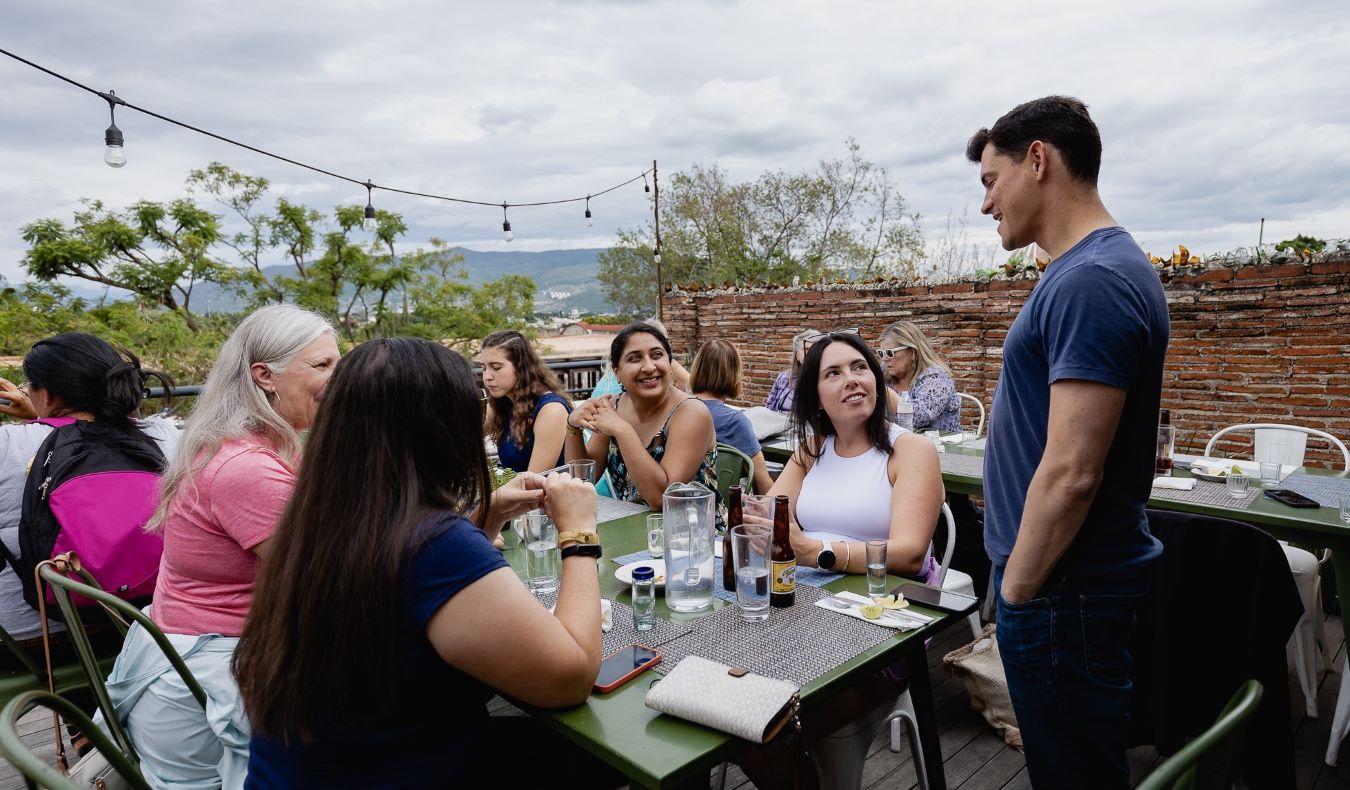
The industry consensus, supported by testimonials from the 116,000+ individuals who have utilized platforms like Global Work & Travel, is that "scaffolding" is the key to success. By having a central repository—a portal where visa guidance, placement, and emergency support reside—the psychological barrier to entry is lowered. It transforms an intimidating, nebulous "dream" into a series of manageable, actionable steps.
Implications for the Future of Tourism
The implications of this shift are profound. As more travelers opt for long-term, integrated experiences, the "over-tourism" crisis in major cities may see a mitigation. When travelers stay in one place for six months rather than four days, the intensity of their footprint changes. They become residents who care about the health of the community, the sustainability of the environment, and the stability of the local economy.
Furthermore, this movement is forcing the travel industry to become more accountable. When travelers are no longer just "passing through," they demand higher standards of transparency from the companies facilitating their stays.
Conclusion: Doing Something Deep
Travel has always been best when it exceeds the boundaries of tourism. The experiences that endure—the ones you recount decades later—are never the moments spent waiting in line at a famous landmark. They are the moments of connection. They are the moments where you were useful, where you were challenged, and where you became part of the landscape.
If you have been contemplating a shift in your life—a departure from the status quo—the logistics of doing so have never been more accessible. Whether through working abroad to gain international experience or volunteering to contribute to a cause that matters, the opportunity to trade a "vacation" for a "life" is now within reach.
By using the right tools and choosing the right partners, the modern traveler can finally stop being a tourist and start being a global citizen.
For those ready to make the leap, consider the structured programs offered by Global Work & Travel. Using code NOMADICMATT can provide a significant discount, helping to turn the dream of living and working abroad into a reality.