From Shade to Sun: Navigating the Evolution of a New Jersey Garden
Every seasoned gardener understands that a landscape is not a static painting, but a living, breathing entity. However, few elements of nature test a gardener’s resolve quite like a sudden, dramatic shift in light. When the canopy above a garden is removed—whether by storm, disease, or necessity—the resulting surge of sunlight can transform a tranquil, shade-loving sanctuary into a high-intensity theater of growth and survival.
This was the reality for Candice, a dedicated gardener in Newton, New Jersey (USDA Zone 6a), whose backyard landscape underwent a seismic shift last autumn. What was once a protected, dappled retreat is now a vibrant, sun-drenched canvas, serving as a poignant case study on the importance of horticultural adaptability and long-term planning.
The Chronology of a Blank Slate
The story of Candice’s garden began in May 2018. At the time, the property was essentially a blank slate, defined largely by the recent removal of a massive five-trunk maple tree that had dominated the backyard. Recognizing that the foundation of a successful garden lies in understanding its environment, Candice spent her first year meticulously tracking the sun’s path across the property.
"I tracked the sun for a full year to see what would fit where," Candice explains. This level of diligence allowed her to curate a space where plants could thrive in their ideal microclimates. By mapping the shifting shadows throughout the seasons, she built a garden that felt balanced and intentional. For several years, the garden matured according to this plan, creating a cohesive aesthetic that served as a testament to her patient, data-driven approach.
However, the volatility of nature intervened in the autumn of 2025. Facing the necessity of property maintenance, her neighbor removed three unhealthy trees—one of which posed a significant structural threat to Candice’s home. The removal was essential for safety, yet the horticultural implications were immediate. The "sun map" Candice had spent years perfecting was rendered obsolete overnight.
Supporting Data: The Impact of Sudden Exposure
The transition from shade to sun is rarely seamless. When a garden that has adapted to low-light conditions is suddenly exposed to hours of direct solar radiation, the plants face a form of "light shock."
"Some things burned, while others thrived," Candice notes. "One thing about gardens—you need to be able to adapt to what nature brings."
In the months following the tree removal, the garden experienced a radical shift in biodiversity. Sun-loving species, which previously struggled or failed to establish, began to push forward with vigor. Meanwhile, shade-dependent perennials showed signs of stress, signaling to the gardener that the time for intervention had arrived. This period of transition highlighted the delicate balance between environmental conditions and plant physiology.
A Masterclass in Texture and Contrast
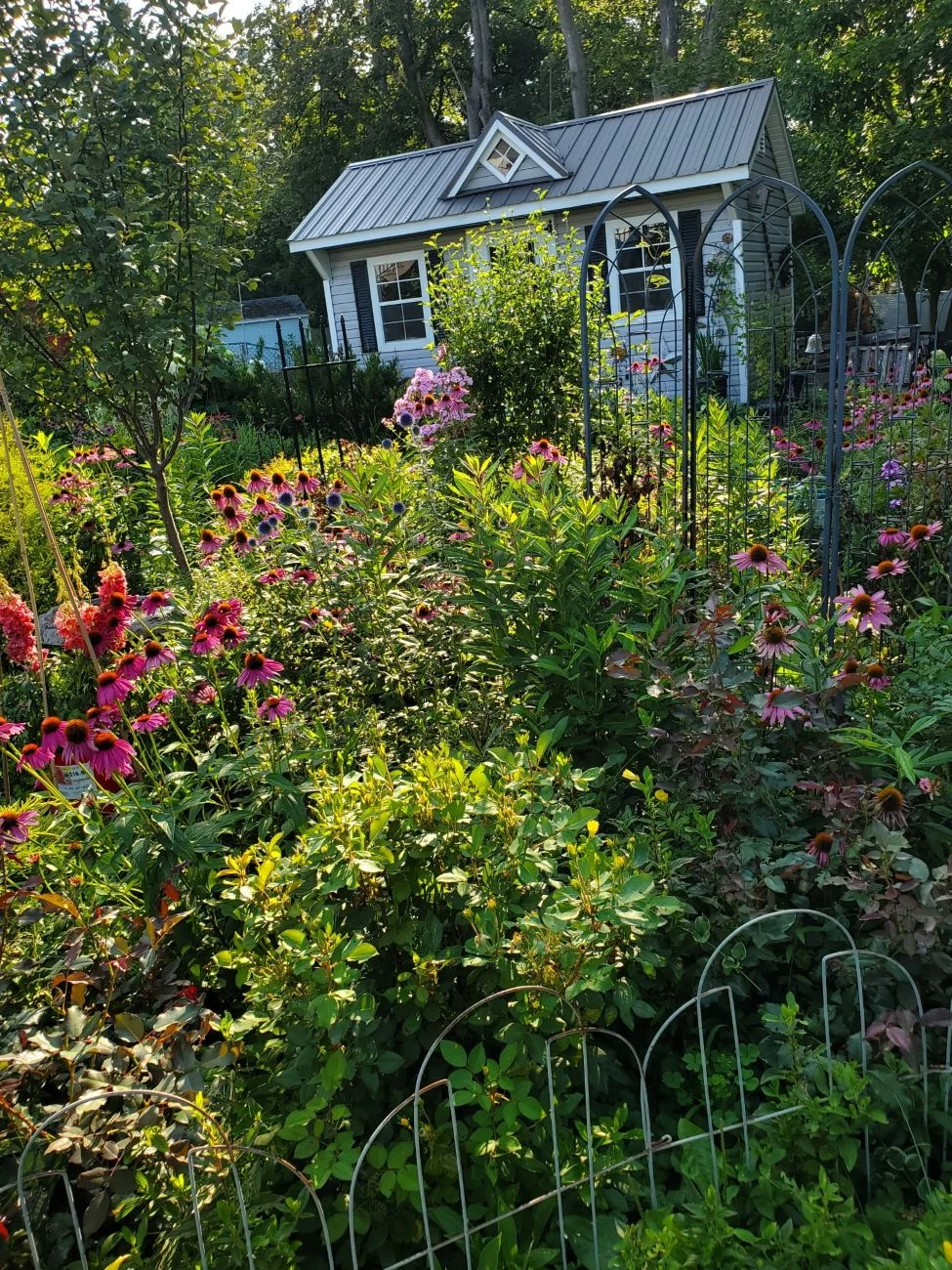
Despite the upheaval, the current iteration of Candice’s garden is a triumph of design, utilizing a sophisticated interplay of textures and color palettes. The garden currently features a diverse collection of specimens that bridge the gap between structure and color:
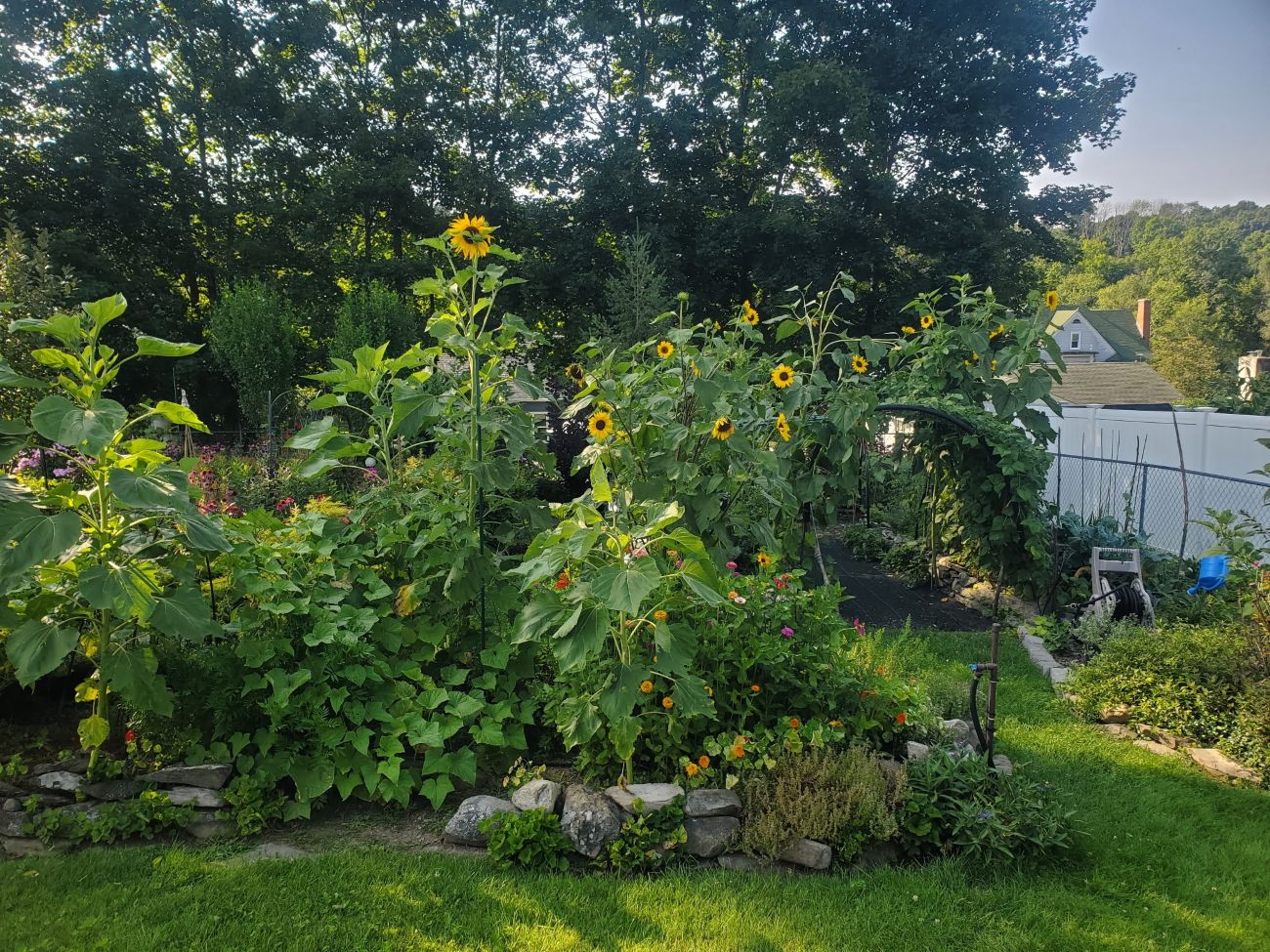
- Vertical Interest: Towering sunflowers (Helianthus annuus), planted by local goldfinches, provide a whimsical, natural architecture alongside ‘Kwintus’ pole beans (Phaseolus vulgaris). These beans trail along an arched trellis, drawing the eye deeper into the landscape and creating a sense of mystery.
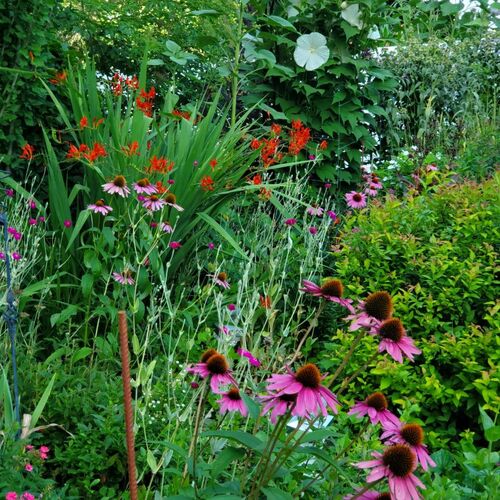
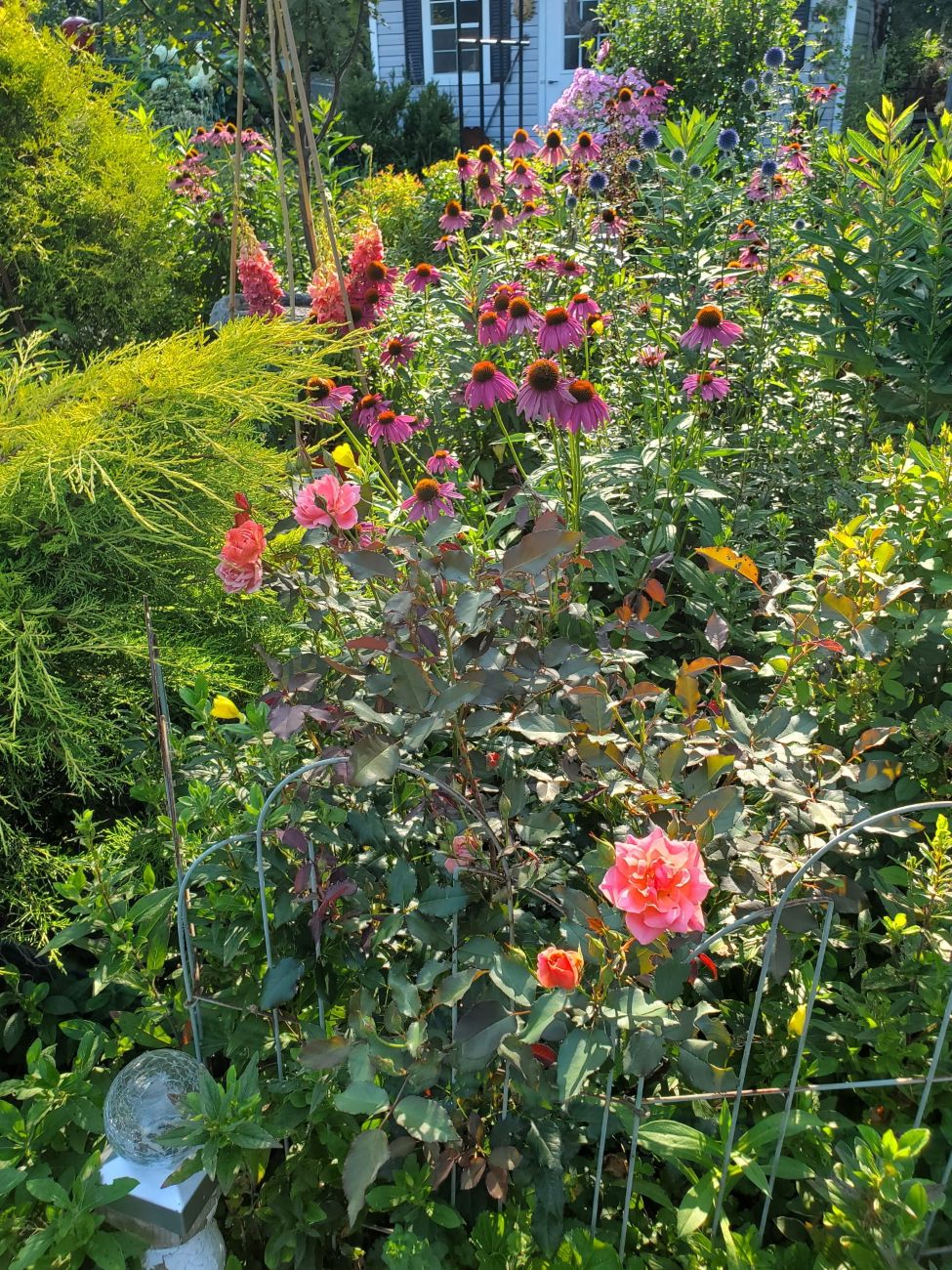
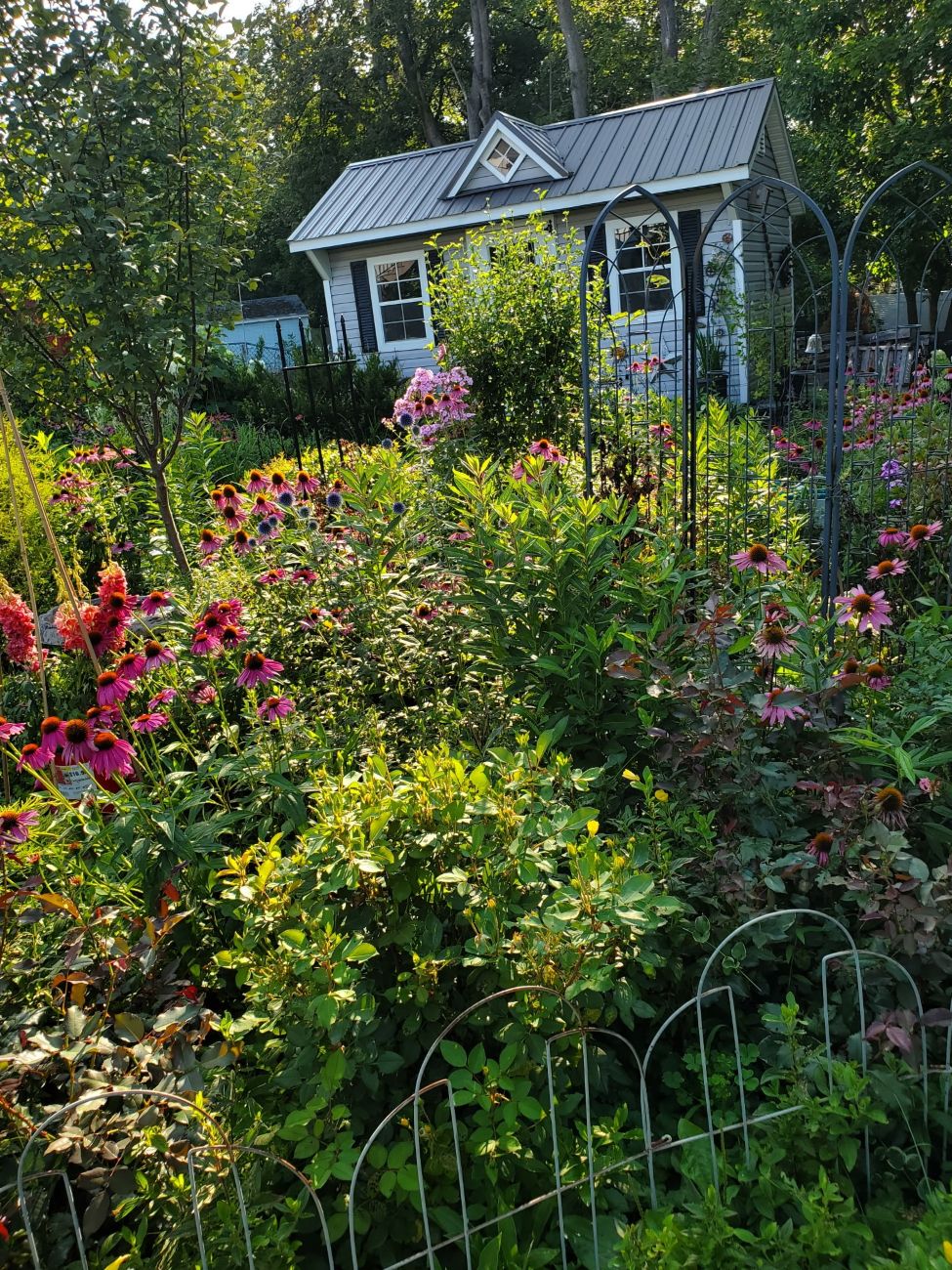
- Perennial Borders: A dense, multi-layered border serves as the garden’s heartbeat. It includes the structural elegance of purple coneflowers (Echinacea purpurea), the classic charm of roses, and the striking, spiky globes of southern globe thistle (Echinops ritro).
- Contrast and Form: The inclusion of ‘Mops’ Sawara false cypress (Chamaecyparis pisifera) adds a fine-textured, evergreen presence that softens the bolder, rounded forms of phlox and foxgloves.
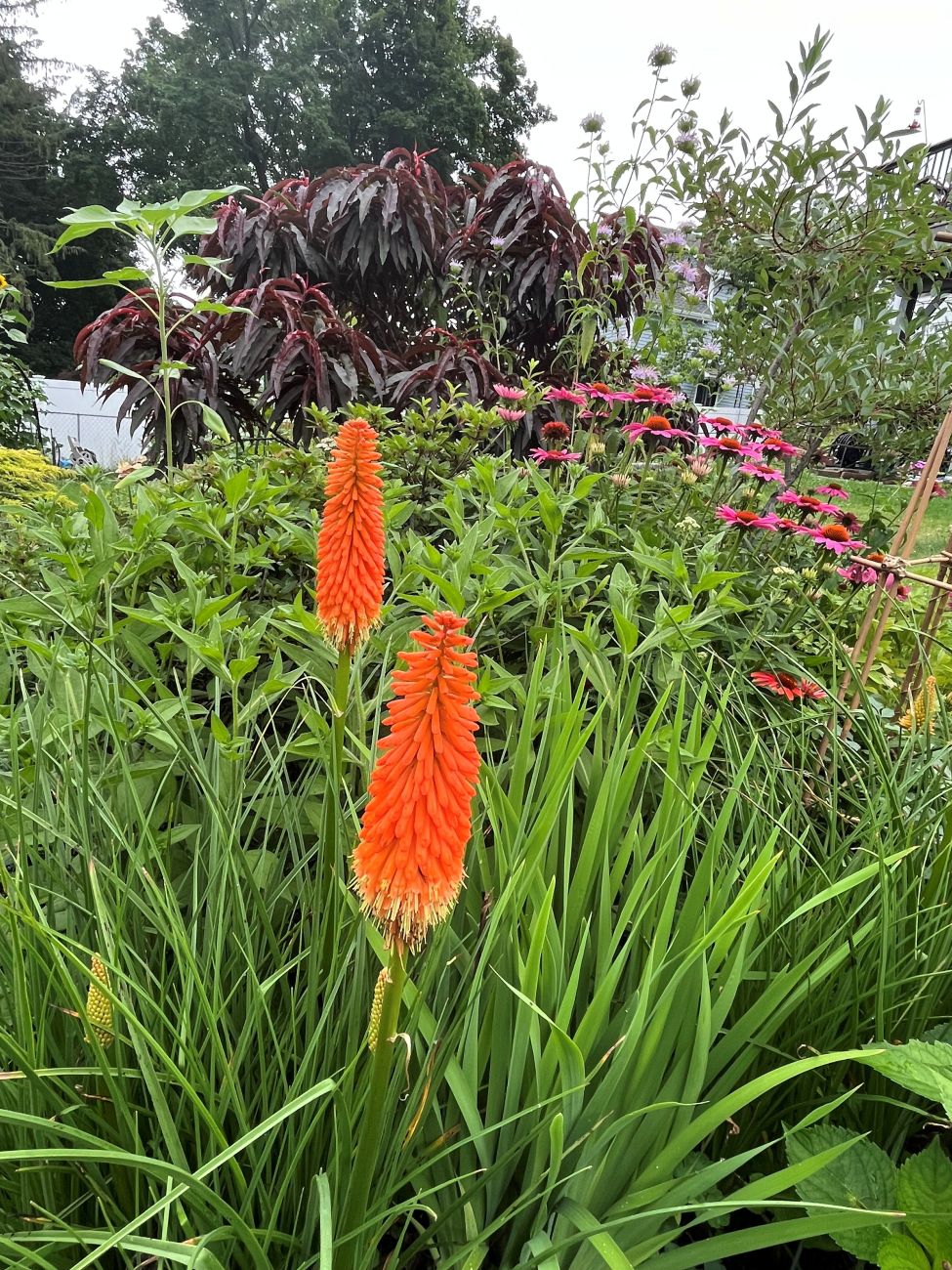
- Vibrant Accents: The midsummer garden is punctuated by the vivid orange of red-hot pokers (Kniphofia cvs.), which contrast beautifully against the deep, moody burgundy foliage of a dwarf ornamental peach (Prunus persica).
Official Perspectives: The Gardener as Curator
On July 16 of this year, Candice opened her garden to the Sussex County Garden Club, a significant milestone that validated her efforts to manage the transition. The garden is defined not only by its flora but by its hardscaping, which features a mix of manufactured concrete blocks, natural branches, and paths constructed from rustic tree-trunk rounds.
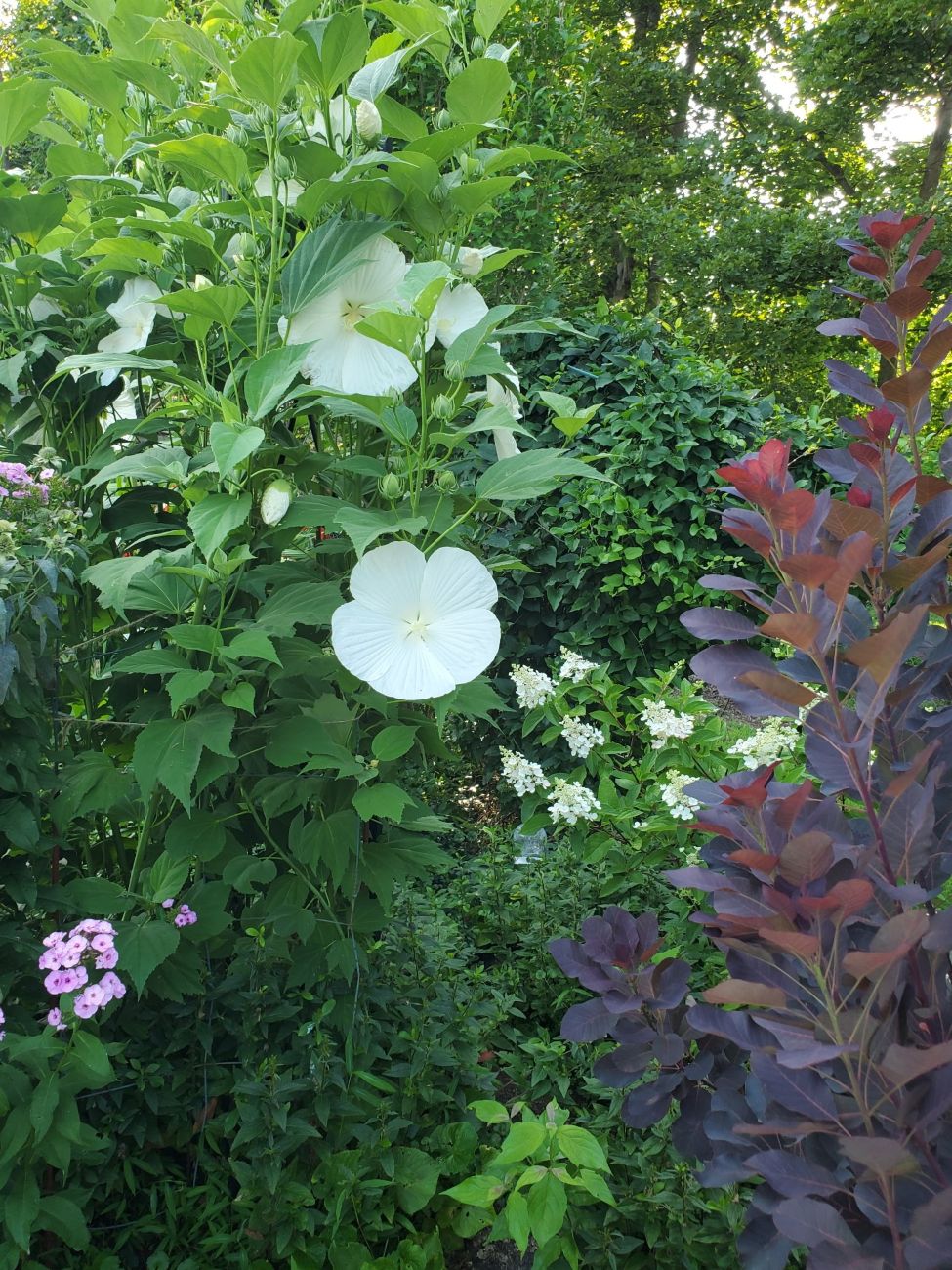
For Candice, the garden remains a "work in progress." This philosophy is essential for any serious gardener. By viewing the garden as an evolving project rather than a finished product, the gardener remains open to the lessons nature provides. Whether it is the spontaneous arrival of volunteer sunflowers or the strategic placement of a new hardy hibiscus, the garden serves as an ongoing dialogue between the human hand and the wild environment.
The Implications of Adaptive Gardening
The primary implication of Candice’s experience is the importance of "resilience-based design." When gardeners build with the assumption that their environment will remain constant, they are often blindsided by the inevitability of change.
Key Takeaways for Home Gardeners:
- Flexibility is Key: Incorporate plants that have a wider tolerance for light variations or be prepared to relocate specimens if your garden’s light profile changes.
- Tracking as Strategy: Even if you have been in your home for years, periodically re-assessing your light and soil conditions can prevent future disappointment.
- The "Volunteer" Benefit: Allow nature to contribute to the design. As seen with Candice’s sunflowers, birds and wind often introduce plants that are perfectly suited to the new conditions of the garden.
- Community Engagement: Joining local groups, such as the Sussex County Garden Club, provides a support network for sharing knowledge and resources, especially when dealing with major landscape transitions.
Future Outlook
As Candice continues to refine her beds in Zone 6a, the garden is poised to enter its next phase of development. With the increased sun, there is potential for expanded vegetable production and the introduction of new sun-loving cultivars that were previously impractical. The "blank slate" of 2018 has matured into a complex, multi-layered ecosystem that requires a sharp eye and a nimble shovel.
Ultimately, Candice’s story is one of resilience. She has moved from a place of frustration—watching the loss of the shade she had cultivated—to a place of creative expansion. By embracing the new light, she has not only saved her garden but elevated it, demonstrating that while we cannot always control the environment, we can always control how we respond to its challenges.
Resources for the Modern Gardener
For those inspired by Candice’s journey, proper maintenance and design remain vital components of success. Whether you are clearing new beds or managing a harvest, having the right tools and knowledge is paramount.
- Harvesting: Tools such as the Lee Valley Large Gardener’s Wash Basket allow for efficient transition from the garden to the kitchen, ensuring that the fruits of your labor are handled with care.
- Design Inspiration: Books like Buffalo-Style Gardens offer unconventional, "offbeat" design strategies that can help gardeners make the most of small or challenging spaces.
- Water Management: As gardens become more exposed to the sun, efficient irrigation becomes critical. Implementing systems like a heavy-duty brass Y-valve allows for better control over watering zones, ensuring that your plants receive adequate moisture during the heat of the summer.
As the seasons turn and the garden continues to evolve, we look forward to future updates from Candice. Her journey serves as a reminder that every challenge in the garden is merely an opportunity to grow something new.