Generations of Growth: A Deep Dive into a Wisconsin Family Garden
Introduction: The Legacy of a Living Landscape
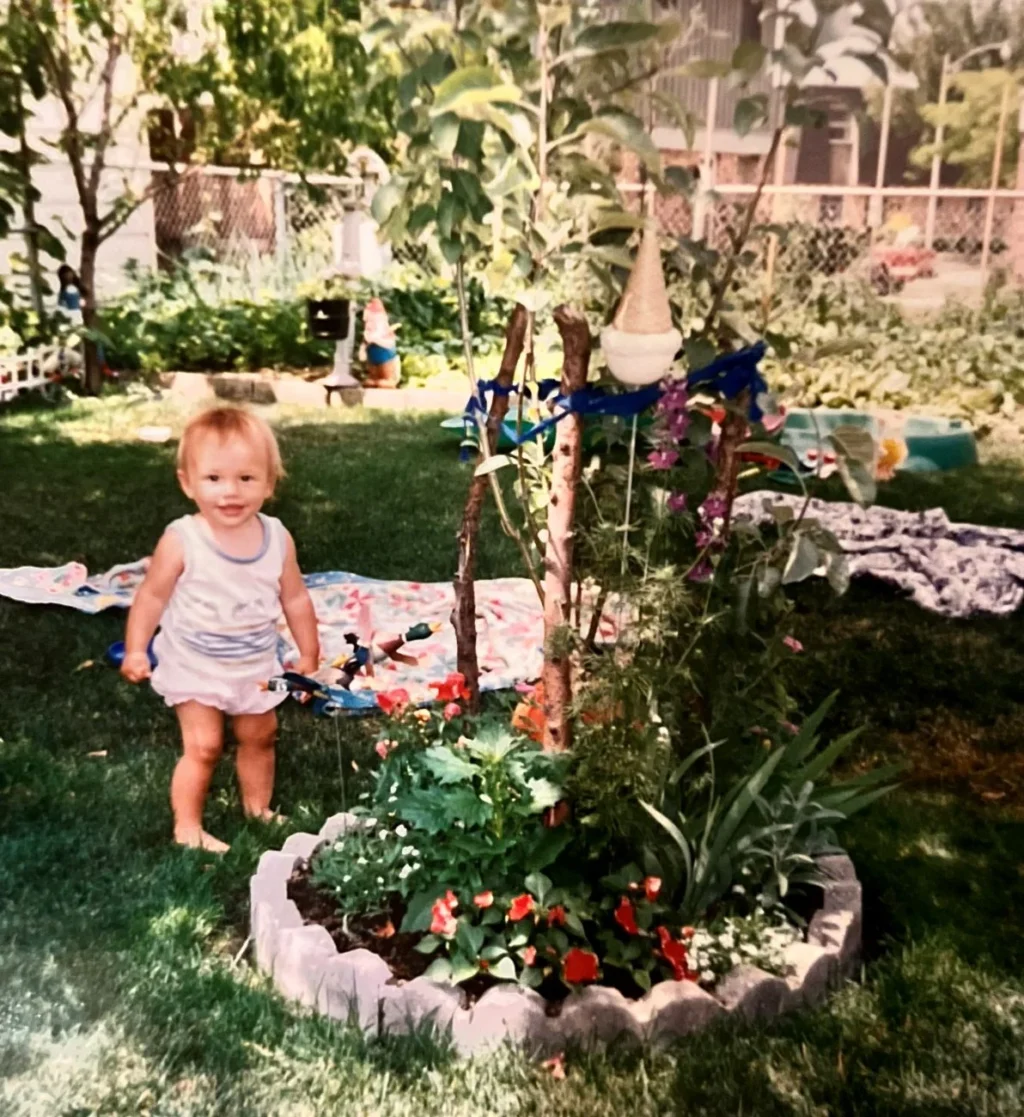
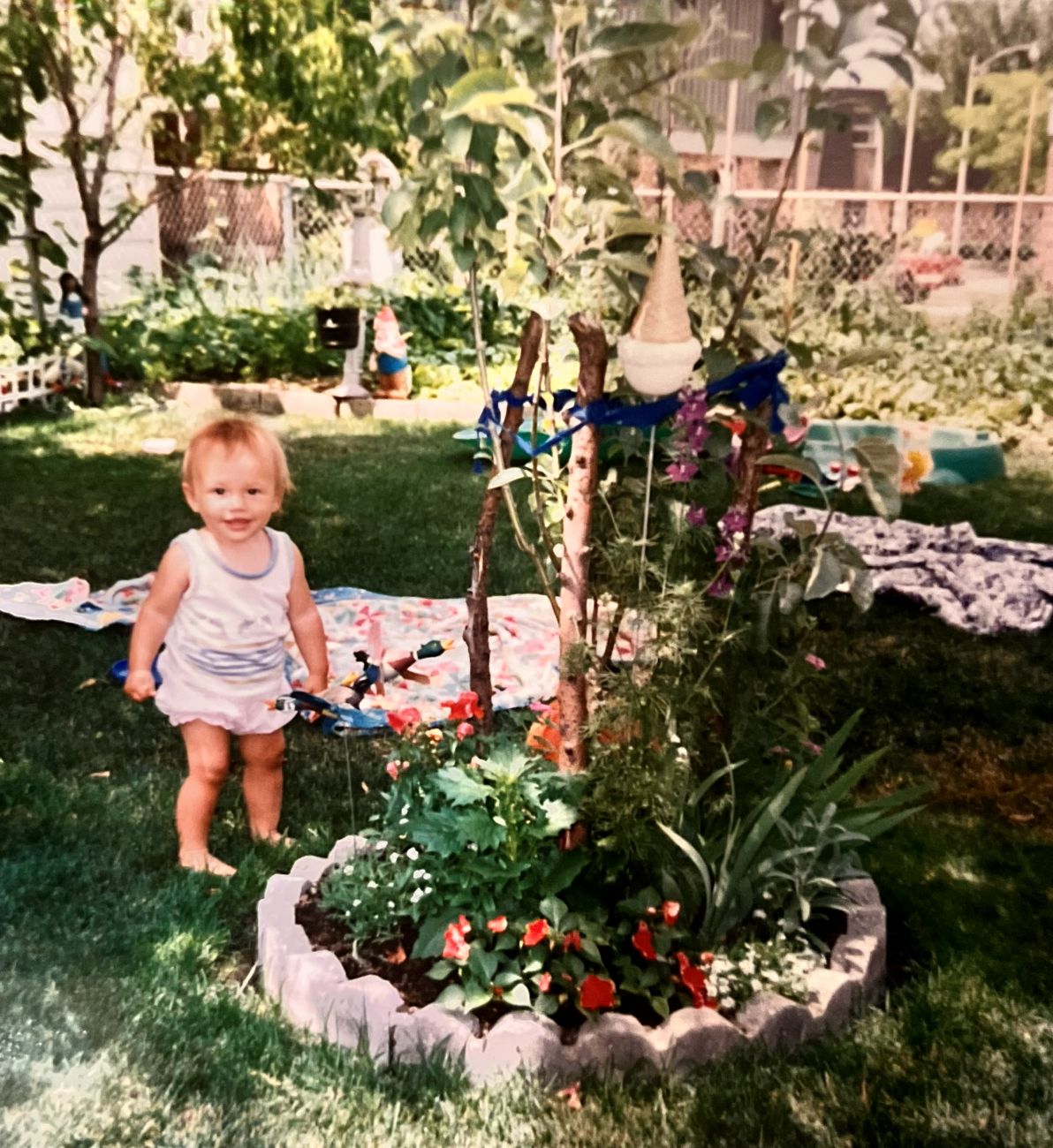
For most children, a backyard is merely a patch of grass. But for Marisa, a gardener based in Milwaukee, Wisconsin, her grandmother’s estate in New Berlin was an entire universe. What began as a childhood playground—a place to chase fireflies, hunt for frogs, and imagine grand adventures—has evolved into a profound symbol of family heritage and horticultural mastery. Today, as she watches her own son experience the same wonder, Marisa reflects on the garden not just as a collection of plants, but as a living bridge between generations.
This article explores the intricacies of this heirloom garden, examining how a simple patch of earth has been transformed through decades of care, the botanical diversity it supports, and the intergenerational exchange of knowledge that keeps the tradition alive.
The Chronology of a Backyard Oasis
The garden in New Berlin has never been a static project; it is a fluid, evolving entity that mirrors the life stages of the family that tends it.
Early Foundations
In the early years, the garden served as a backdrop for childhood exploration. Marisa recalls her brother and two sisters using the vast, fruit-laden space as a stage for their imaginations. The garden was a sensory experience: the tart snap of a fresh plum, the rough texture of bark, and the hidden corners that felt like secret kingdoms. At the time, the "garden" was less about taxonomy and more about immersion.
The Transitional Years
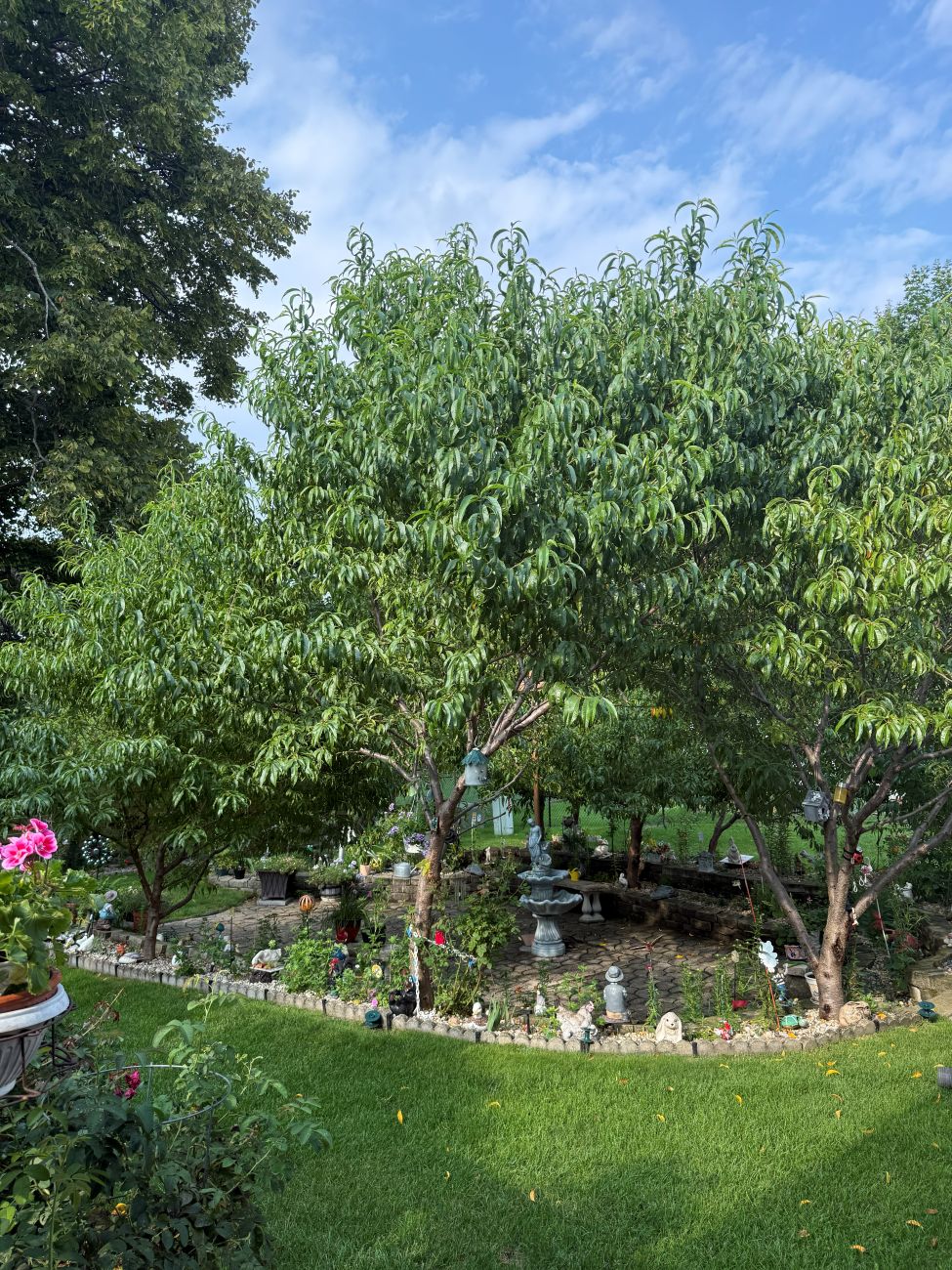
As the children grew, the garden underwent subtle shifts. The focus moved from pure play to active participation. The space was always anchored by its fruit trees—peaches (Prunus persica), plums (Prunus cvs.), pears (Pyrus cvs.), apples (Malus cvs.), and cherries (Prunus cvs.). These trees eventually formed a dense, protective canopy that sheltered the flower beds and pathways. During this era, the garden became a source of sustenance, cementing the practice of harvesting food directly from the branch as a foundational life experience for the grandchildren.
The Modern Era: A Shared Harvest
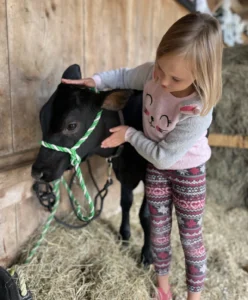
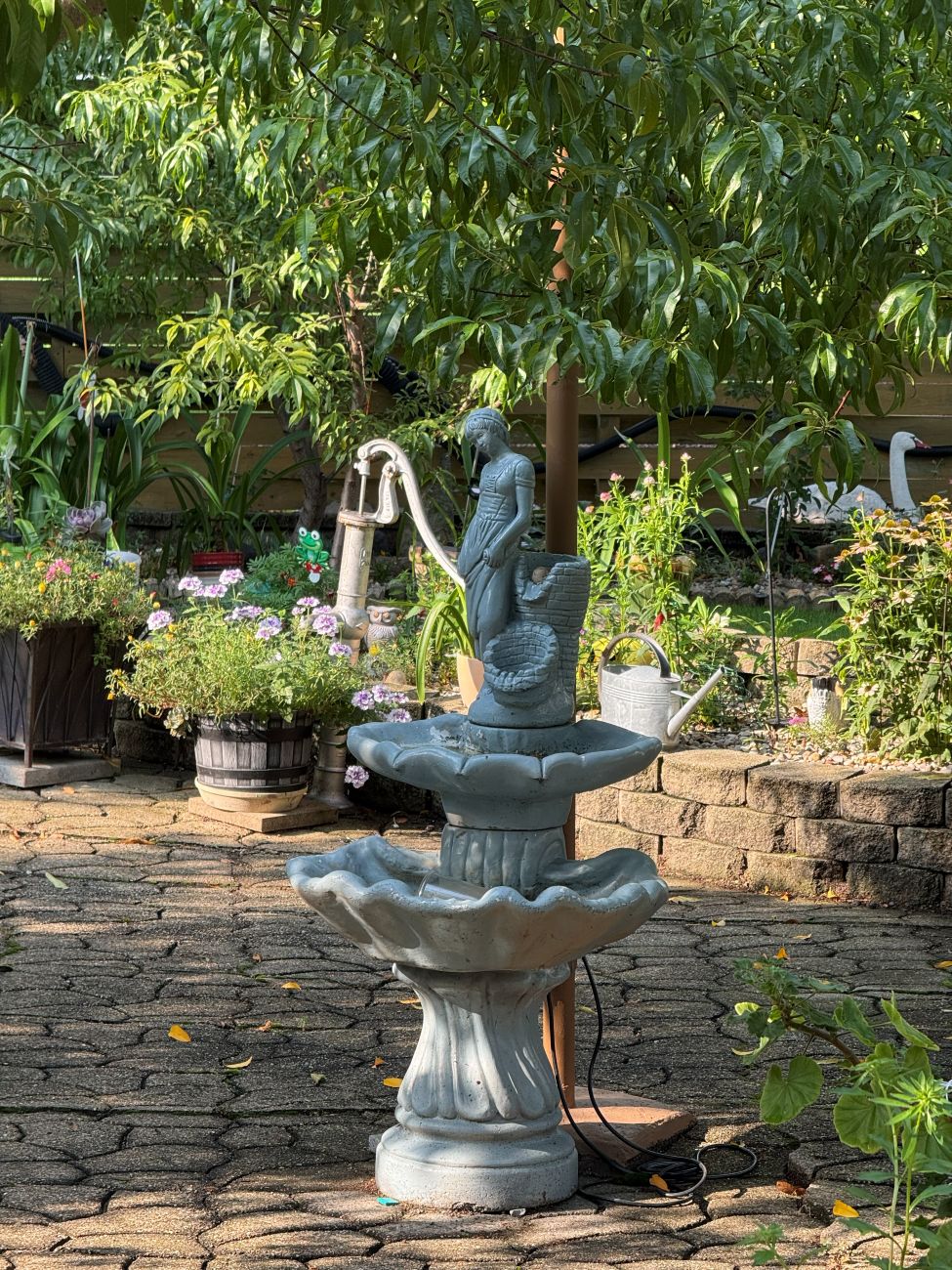
Today, the garden serves as a collaborative project. Marisa, now a gardener in her own right, engages in a symbiotic relationship with her grandmother. They trade produce, share horticultural insights, and maintain the infrastructure of the yard. The garden has come full circle, with the next generation—Marisa’s son—now acting as the primary explorer, discovering the same "kitchen sink" fountain and hidden ornaments that defined his mother’s childhood.
Botanical Diversity and Horticultural Techniques
The New Berlin garden is a masterclass in maximizing limited space through vertical gardening, container planting, and strategic interplanting.
The Fruit Canopy
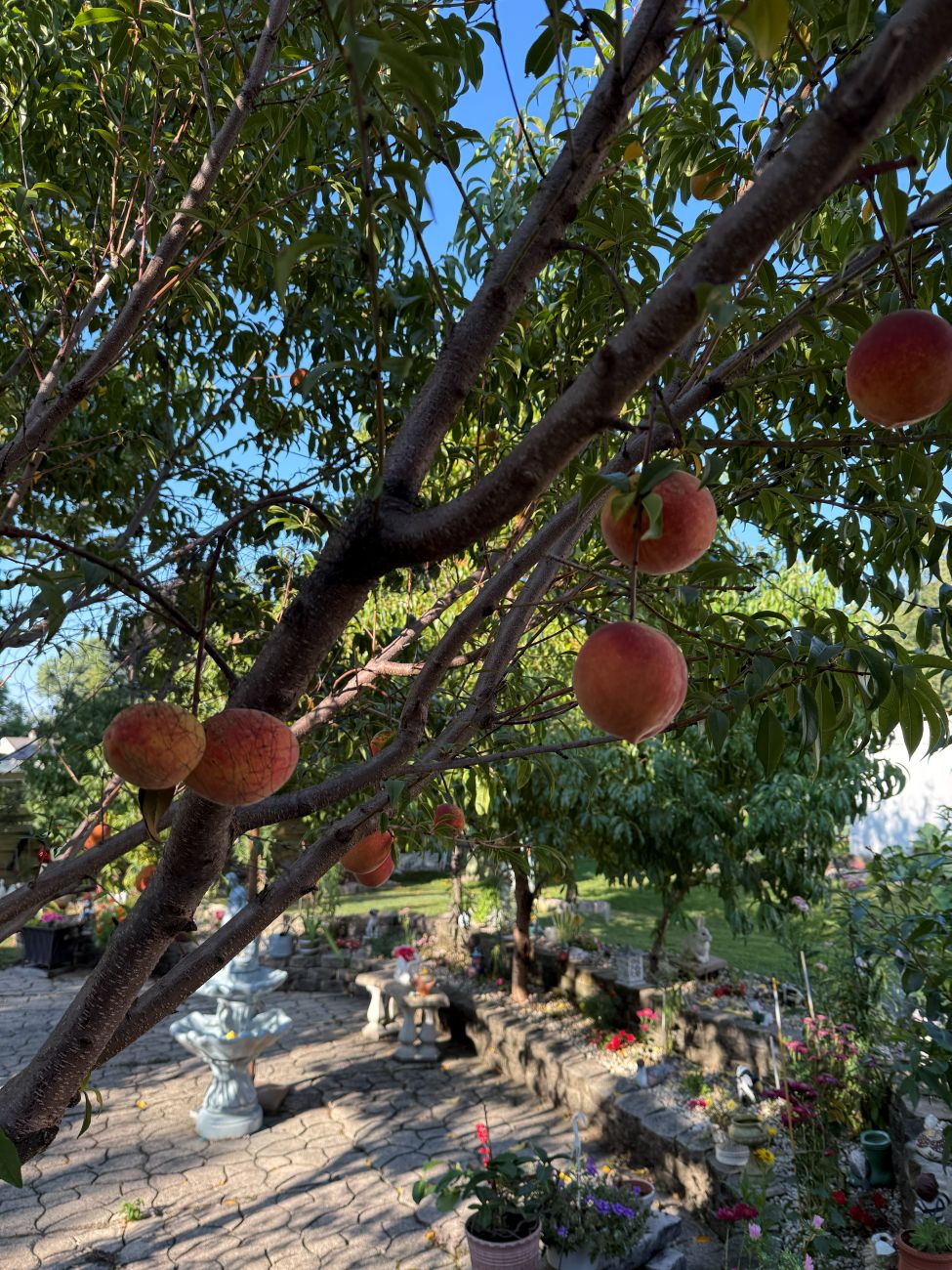
The heart of the backyard is defined by its canopy. By cultivating various fruit trees in Zones 3–9, the gardener has created a layered environment. This vertical structure not only provides shade for understory plants but also maximizes yield in a residential footprint. The mid-September harvest is the seasonal climax, representing the culmination of a year’s worth of careful pruning and soil management.
The Art of Container Gardening
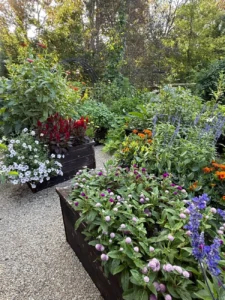
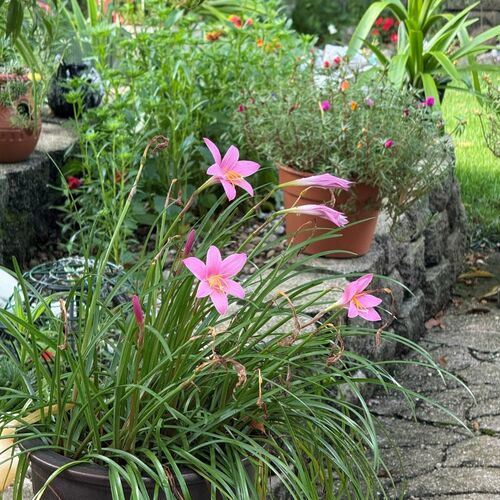
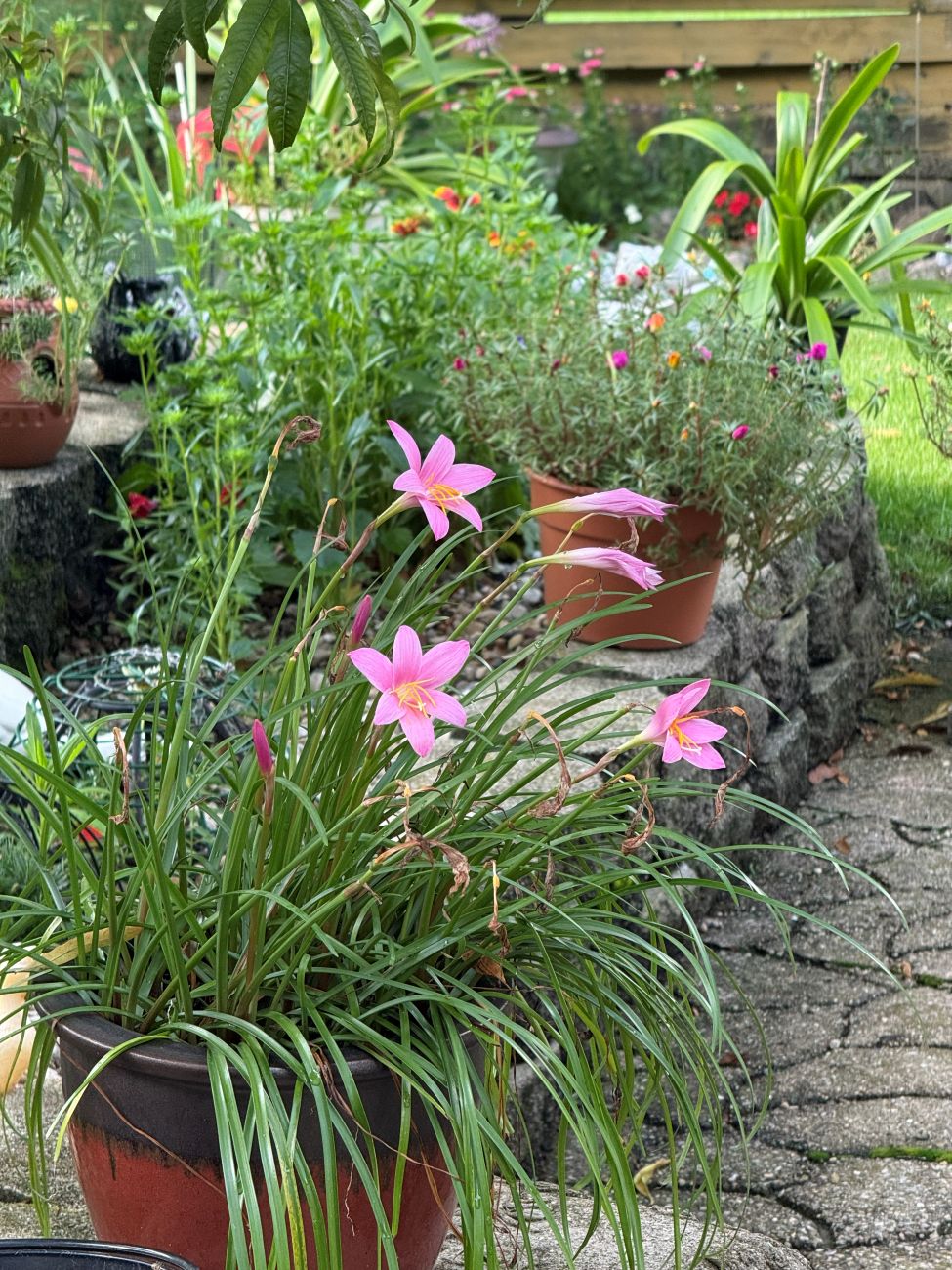
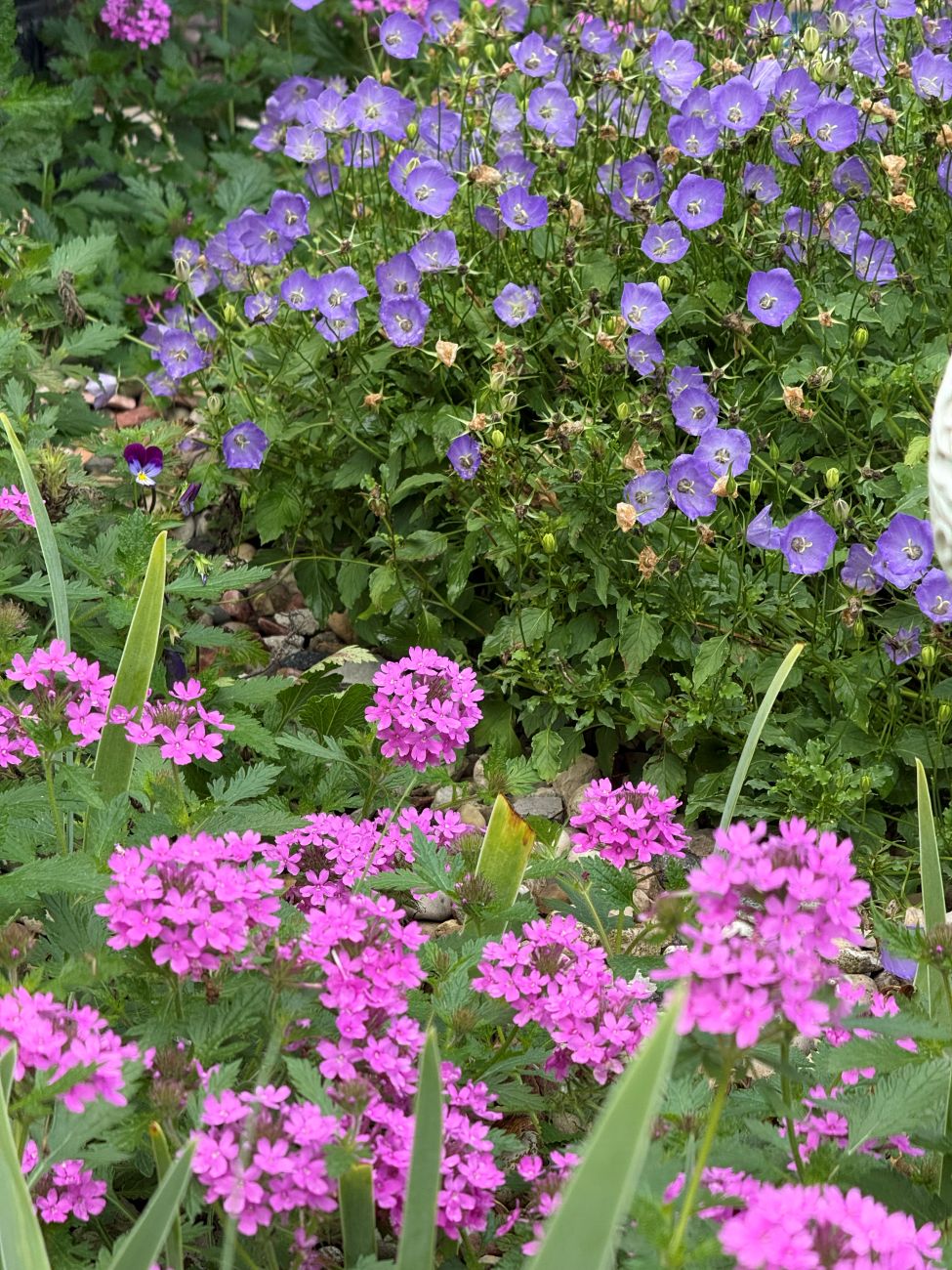
While many gardeners view containers as temporary accents, in this Wisconsin oasis, they are integral to the garden’s architecture. By utilizing containers, the gardener is able to introduce non-hardy or specific-soil-need plants into the landscape, such as pink rain lilies (Zephyranthes cvs.). This flexibility allows for constant experimentation with color palettes, such as the striking combination of purple bellflowers (Campanula cvs.) and pink verbena (Verbena cvs.).
Signature Plantings
The garden is also defined by its consistency. Pelargoniums (commonly known as geraniums) serve as a unifying aesthetic element. Found indoors, on the deck, and lining the garden paths, these plants represent a signature style. Recent experiments, such as pairing salmon-pink geraniums with hardy succulents, demonstrate that even after decades of gardening, the pursuit of new visual combinations remains a primary driver for the steward of this land.
Supporting Data: The Practicality of Home-Grown Food
Beyond aesthetics, the garden functions as a highly productive micro-farm. The vegetable garden is managed with such efficiency that it provides a surplus for the entire neighborhood.
- The Barter System: The relationship between the two gardeners is built on a "crop-sharing" model. If one experiences a blight or poor yield with a specific vegetable—such as cabbage (Brassica oleracea)—the other provides the supplement.
- Sustainability: By relying on the grandmother’s abundance of cucumbers (Cucumis sativus) and zucchini (Cucurbita pepo), the family reduces their reliance on commercial supply chains.
- Preservation Skills: The garden is not just a source of immediate food; it is a classroom for food security. The grandmother’s expertise in canning—preserving cabbage and peppers (Capsicum annuum)—is a skill set that Marisa is currently working to master, ensuring that the knowledge of the past is not lost.
Official Perspectives and Personal Reflection
In interviews and reflections on the project, the theme of "mindful gardening" remains central. Marisa’s perspective on her grandmother’s garden is one of reverence.
"I grew up picking fruit straight from these trees," Marisa notes. "Eating something right where it grew was completely normal to me long before I understood how special that was."
This sense of "normalcy" regarding fresh, organic food is perhaps the most significant implication of the garden. It has shaped Marisa’s own approach to gardening, emphasizing that the value of a garden is not measured solely in yield, but in the memories created and the stories passed down through the soil.
Implications: The Future of Intergenerational Gardening
The existence of this garden carries several implications for the broader gardening community:
- Retention of Traditional Knowledge: In an age of digital disconnection, the hands-on act of harvesting leeks or canning peppers with a family member serves as a vital cultural transmission. It proves that the most effective way to teach gardening is through direct, intergenerational mentorship.
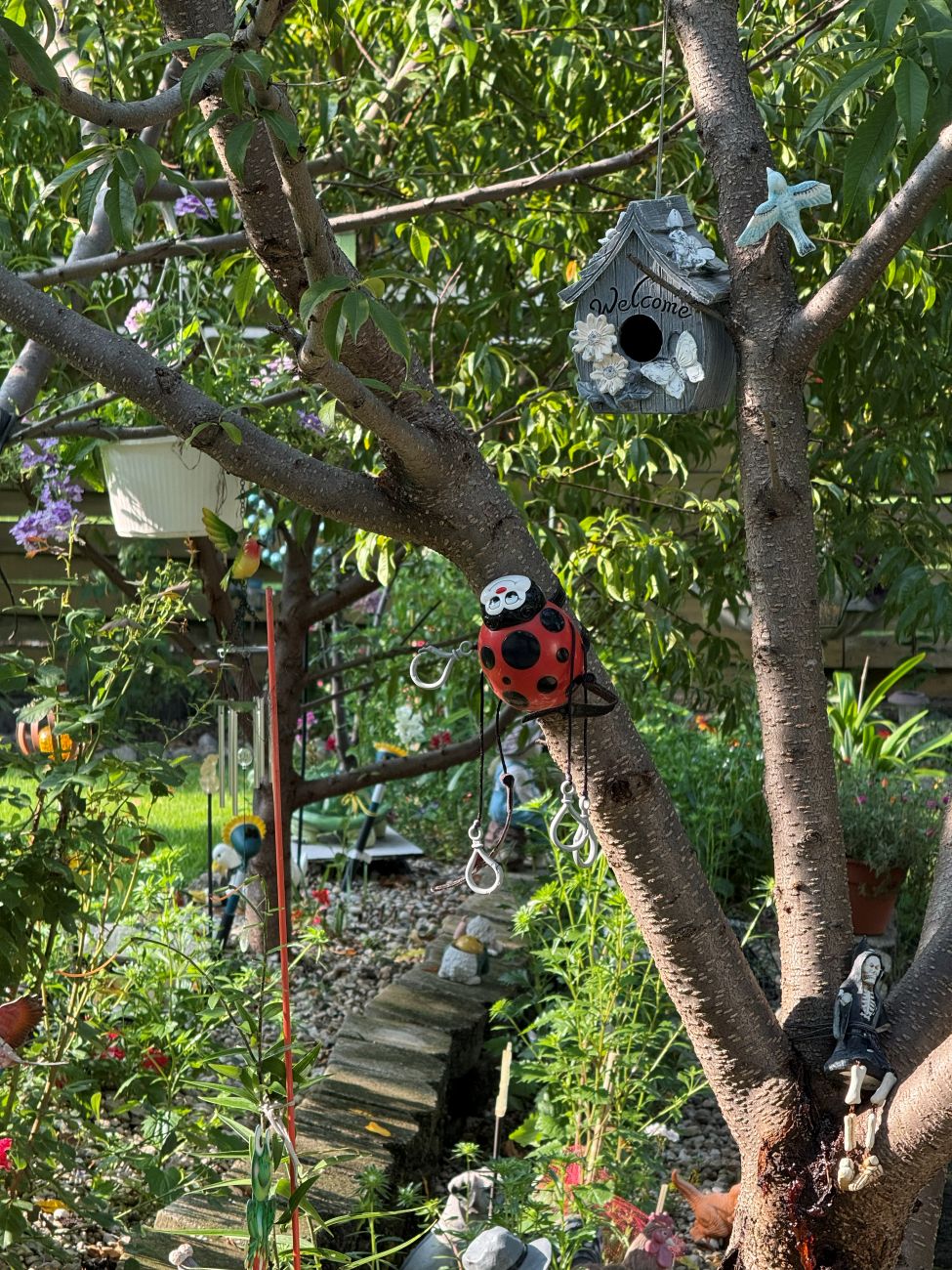
- The "Hidden" Value of Garden Ornaments: The practice of tucking surprises—birdhouses, figurines, and wind chimes—into the landscape highlights the importance of creating a garden that is engaging for all ages. By turning the garden into a place of discovery, the steward ensures that younger generations remain interested in the outdoors.
- Community Resilience: The informal food-sharing network established by this garden model is a blueprint for urban and suburban community resilience. When individuals grow surplus and trade within their immediate circle, it strengthens local social ties and promotes healthier eating habits.
Conclusion
The garden in New Berlin is far more than a collection of Prunus and Pelargonium. It is a repository of history, a functioning food system, and a sanctuary that has survived the passing of decades. As Marisa continues to learn the art of preservation and the nuances of plant pairings from her grandmother, she ensures that this legacy will continue to bloom.
For those looking to replicate this sense of continuity in their own backyards, the lesson is clear: gardening is not just about the plants; it is about the people who walk the paths with you. Whether it is through the shared joy of a mid-September harvest or the quiet discovery of a hidden ladybug figurine, the garden remains the most effective medium for nurturing both the land and the family.
As we look toward the future, the integration of these personal histories into our modern gardening practices remains essential. It is in the "in-between" spaces—between the vegetable rows and the stone walls—that the deepest roots are formed.