Mastering the Art of Batch Cooking: The Definitive Guide to Chipotle-Style Fajita Vegetables
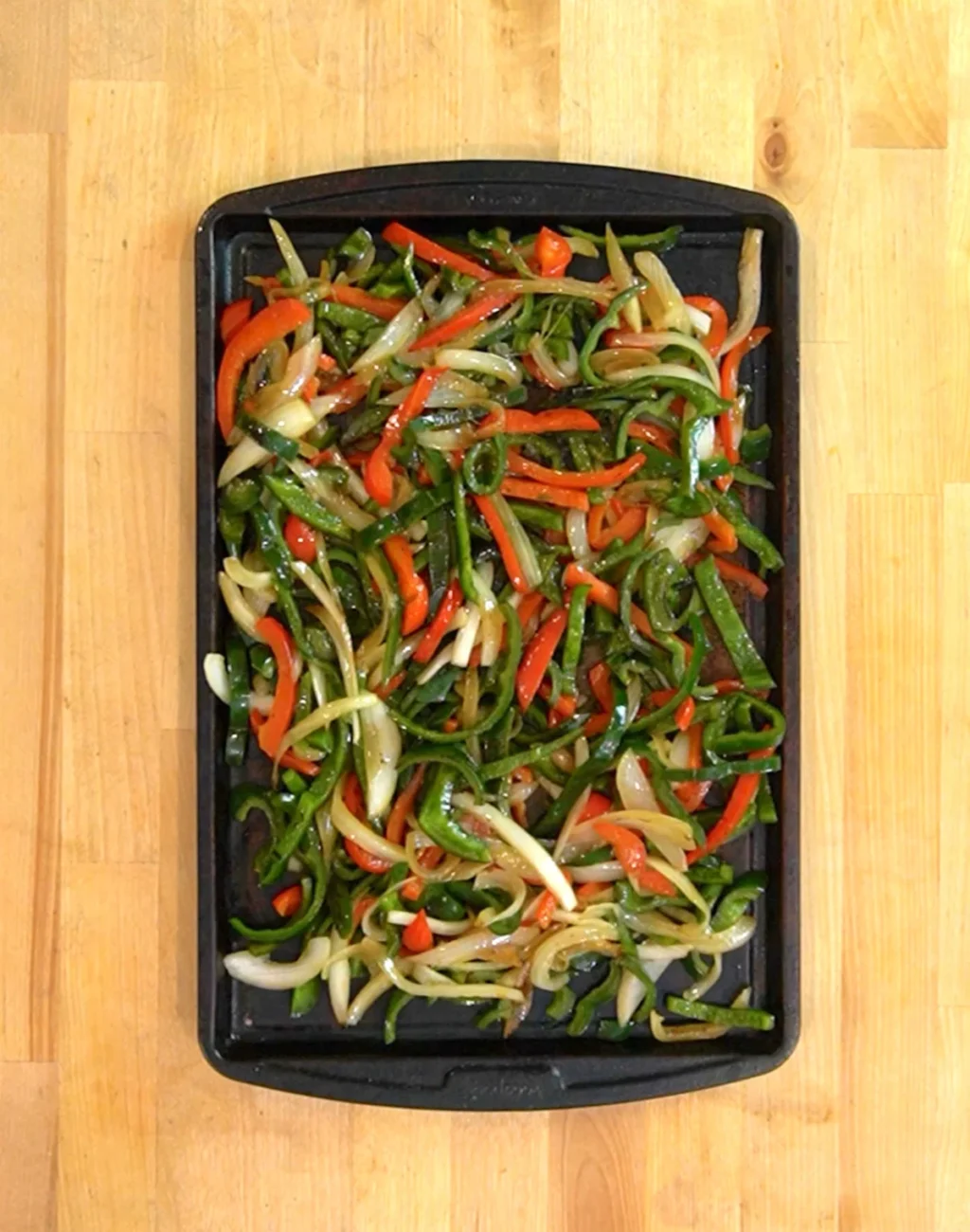
In the fast-paced world of modern nutrition, the greatest barrier to maintaining a healthy diet is often the clock. For many, the dream of a consistent, nutrient-dense meal plan is derailed by the daily exhaustion that follows a full workday. However, the secret to sustaining a "clean" diet without succumbing to the convenience of fast-food takeout lies in the philosophy of strategic meal preparation. Among the most versatile staples for any home chef is the classic fajita vegetable blend—a colorful, savory, and fiber-rich accompaniment that can elevate any meal.
This guide explores the methodology behind creating "Chipotle-style" fajita vegetables, a staple that allows you to transform mundane leftovers into restaurant-quality burrito bowls in a matter of minutes. By mastering the batch-prep process, you are not merely cooking; you are building a "Snack City" in your freezer, ensuring that a healthy meal is always just a microwave cycle away.
Main Facts: The Power of the Fajita Staple
The concept of batch-prepping fajita vegetables—typically a combination of bell peppers and onions—is rooted in the principles of efficiency and flavor preservation. When cooked properly, these vegetables provide a significant nutritional profile without excessive caloric density.
A single serving of this recipe, which yields ten servings in total, contains approximately 59 calories. The macronutrient breakdown is remarkably lean: 6.5g of carbohydrates, 1g of protein, and 3.2g of fat per serving. Furthermore, with 1.9g of fiber per portion, these vegetables are an excellent way to increase the volume of your meals, promoting satiety without the heavy caloric load of processed alternatives.
The beauty of this recipe lies in its simplicity. It is gluten-free, vegan, and vegetarian-friendly, making it an inclusive side dish for virtually any dietary preference. By dedicating just 20 minutes of your time—5 minutes of prep and 15 minutes of active cooking—you can secure a week’s worth of high-quality ingredients.
Chronology: The 20-Minute Workflow
Efficient cooking is a sequence of movements. To achieve the perfect texture—where the vegetables are tender but retain a hint of "bite"—one must follow a structured approach.
The Preparation Phase (0-5 Minutes)
Begin by selecting high-quality produce. Use a mix of green, red, and yellow bell peppers to ensure a vibrant visual appeal, and pair them with red or yellow onions for a balance of sweetness and sharpness. Wash the produce thoroughly, remove the seeds, and slice the peppers and onions into uniform strips. Uniformity is the key to even cooking; when the pieces are of similar thickness, they will soften at the same rate, preventing a texture disparity between the onions and the peppers.
The Cooking Phase (5-20 Minutes)
- Heat Management: Preheat a large cast-iron skillet or a heavy-bottomed stainless steel pan over medium-high heat. The goal is to achieve a slight char without turning the vegetables into mush.
- The Sear: Add a small amount of high-smoke-point oil (such as avocado or grapeseed oil) to the pan. Introduce the vegetables in batches if necessary to avoid crowding the pan, which can cause them to steam rather than sear.
- Seasoning: Season with a blend of salt, black pepper, and perhaps a touch of dried oregano or cumin to mimic the signature flavor profile found in popular fast-casual restaurants.
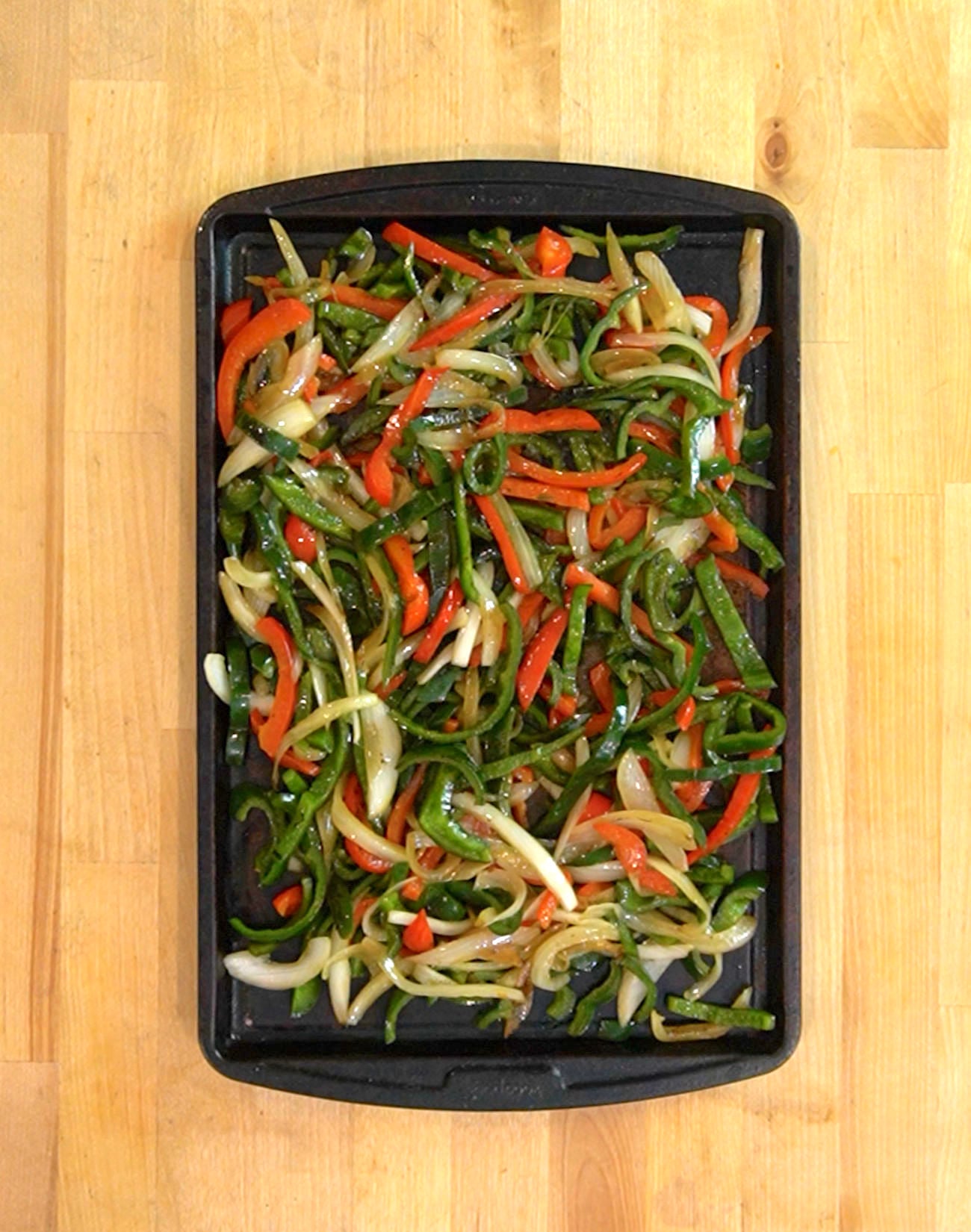
- The Finish: Sauté the vegetables until they are caramelized around the edges but still firm in the center. This should take approximately 12 to 15 minutes.
Supporting Data: Understanding Nutritional Value
For those tracking their intake, the nutritional integrity of your meal prep is paramount. The provided figures—59 kcal per serving—are based on the raw ingredients. However, it is essential to remember that these numbers can fluctuate based on the specific fats used during the searing process.
If you are looking to scale this recipe, the math is straightforward. The total recipe yields ten servings. Should you wish to split the batch differently—perhaps for larger portions for a high-performance athlete—the total caloric content of the batch is 590 kcal. By utilizing a digital kitchen scale, you can divide the total weight of the cooked product by the number of desired portions, ensuring that every serving is nutritionally identical.
The Role of Fiber
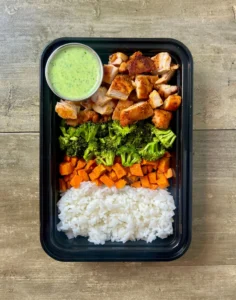
At nearly 2 grams of fiber per serving, these vegetables act as a digestive aid. When combined with a protein source like chicken breast or tofu and a complex carbohydrate like brown rice or quinoa, these vegetables create a complete, balanced meal that stabilizes blood glucose levels throughout the afternoon.
Official Recommendations and Storage
The "Snack City" strategy is not just about cooking; it is about preservation. To maintain the structural integrity of the peppers and onions, allow them to cool completely before freezing.
- Freezer Storage: Place the cooled vegetables in an airtight container or a vacuum-sealed bag. Removing as much air as possible prevents freezer burn and ice crystal formation. When stored properly, these vegetables will maintain their flavor and texture for up to three months.
- Reheating: Do not overcook them during the initial prep phase. When you are ready to eat, simply toss the frozen vegetables into a hot pan for 2-3 minutes or heat them in the microwave for 60 seconds. They will reach the perfect texture without losing their vibrancy.
Implications: The Psychological Benefit of Meal Prep
The decision to batch-prep is more than a culinary choice; it is a psychological tool. When we are hungry and tired, our executive function decreases, making us more likely to choose impulsive, high-calorie, low-nutrient options. By having a container of pre-cooked fajita vegetables in the freezer, you remove the "decision fatigue" that leads to unhealthy eating.
Economic Impact
Beyond the health benefits, the economic implications are significant. Buying whole produce in bulk and prepping it yourself is significantly cheaper than purchasing pre-chopped vegetables or buying individual meals at a restaurant. A single "Chipotle-style" bowl can cost upwards of $12-$15 in a retail setting. By batch-prepping at home, the cost per serving of your vegetable base is mere cents, allowing you to reallocate your budget toward higher-quality proteins or other lifestyle enhancements.
Environmental Sustainability
Finally, this method supports sustainability. By using fresh vegetables before they reach the end of their shelf life, you drastically reduce household food waste. You are in control of the supply chain, ensuring that every pepper and onion purchased is consumed rather than discarded.
Conclusion
The "Chipotle-style" fajita vegetable recipe is a testament to the fact that healthy eating does not require hours of complex labor. Through the application of basic culinary techniques and the strategic use of freezer storage, you can streamline your nutrition and reclaim your time. Whether you are an athlete looking for consistent macros or a busy professional seeking a reliable dinner, this batch-prep method provides the foundation for a sustainable, healthy lifestyle.
By integrating these vegetables into your weekly routine, you are not just preparing food; you are investing in your long-term health, one slice at a time.