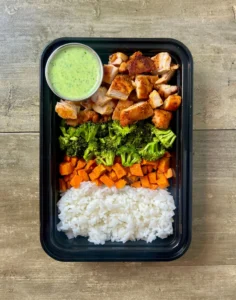
Mastering the Art of Batch Prep: The Chipotle-Style Fajita Vegetable Blueprint
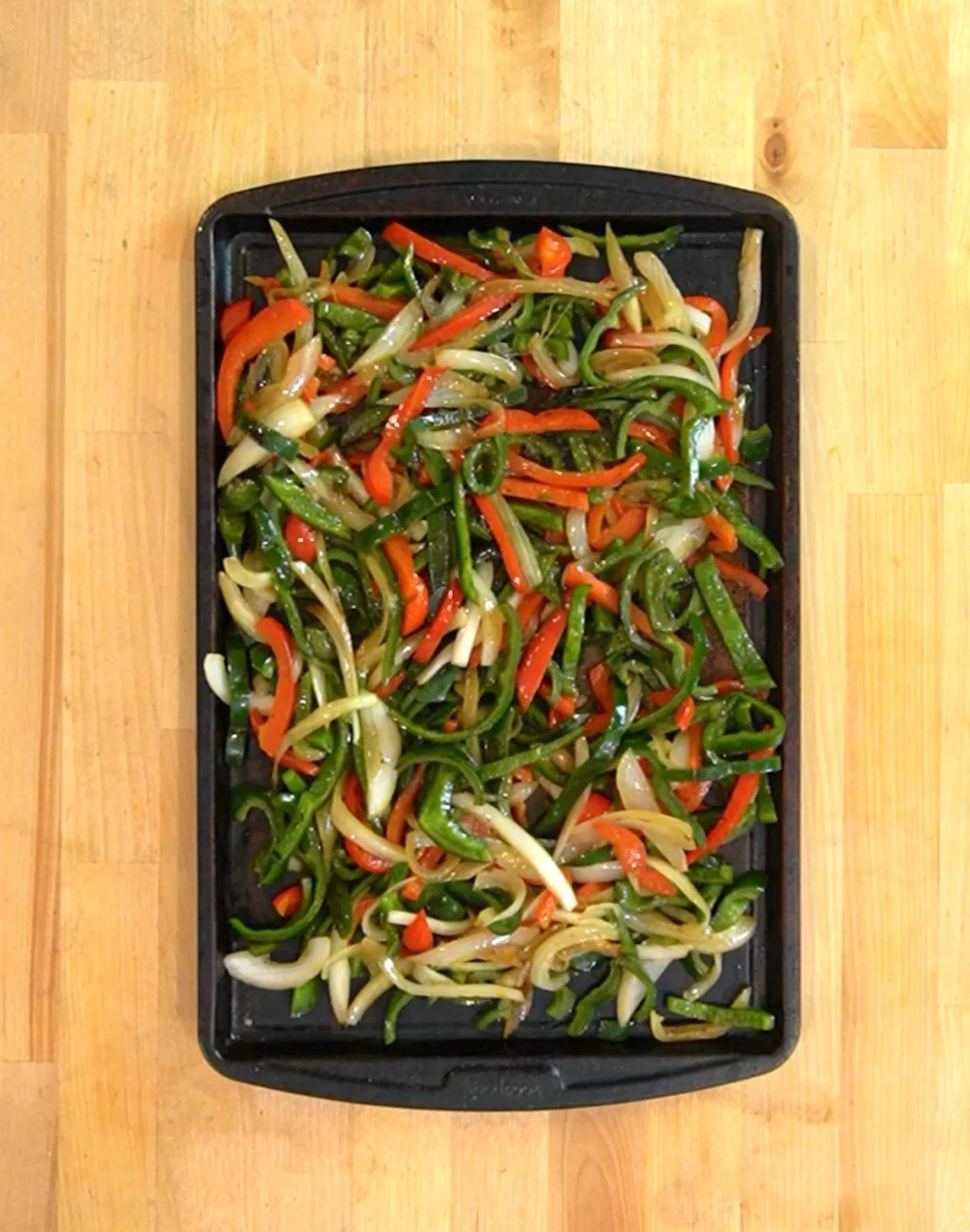
In the modern landscape of high-performance living, the intersection of nutrition and convenience has become the ultimate frontier. For those managing demanding professional schedules while prioritizing health, the "meal prep" phenomenon is no longer a hobby—it is a necessity. Among the most sought-after staples for the home cook is the iconic, smoky, and tender fajita vegetable blend made famous by fast-casual giants like Chipotle. By mastering this simple, high-impact recipe, you can ensure your freezer is always stocked with a vibrant foundation for healthy burrito bowls, saving both time and money.
The Foundation: Why Batch Prepping Fajita Vegetables Matters
The philosophy behind "Snack City"—a concept popularized by meal prep enthusiasts—is simple: remove the friction between hunger and a high-quality meal. Fajita vegetables are the unsung heroes of this strategy. They provide volume, essential fiber, and a complex flavor profile without the calorie density associated with heavier ingredients.
By dedicating a brief window of time to batch-cooking these vegetables, you eliminate the daily chore of washing, chopping, and sautéing. When properly executed and frozen, these vegetables retain their structural integrity and flavor, allowing for a quick "heat and eat" experience that rivals any restaurant-quality takeout.
Chronology of Preparation: From Raw Produce to Freezer Gold
To achieve the perfect, charred-yet-tender consistency of professional-grade fajita vegetables, one must follow a precise sequence. The process is remarkably efficient, requiring only 5 minutes of prep and 15 minutes of active cooking time.
Step 1: The Mise en Place
The quality of your final dish is inherently tied to the uniformity of your cuts. Begin by selecting high-quality bell peppers—a mix of red, green, and yellow provides both visual appeal and a balanced flavor profile. Slice these into uniform strips, approximately half an inch wide. Similarly, slice white or red onions into matching strips. The goal is consistency; uniform pieces cook at the same rate, preventing some from turning to mush while others remain raw.
Step 2: The Sauté Technique
Heat a large, heavy-bottomed skillet or a cast-iron pan over medium-high heat. A small amount of high-smoke-point oil is essential to achieve the signature char. Once the pan is sufficiently heated, introduce the vegetables. Do not crowd the pan. Overcrowding results in steaming rather than searing, which robs the vegetables of their essential texture and depth of flavor. Cook in batches if necessary, allowing the edges of the peppers and onions to develop that characteristic brown, caramelized edge.
Step 3: Seasoning and Flavor Infusion
While the vegetables soften, season them lightly with salt and any preferred aromatics—typically a hint of oregano or lime juice is used to mimic the Chipotle style. The objective is not to mask the natural sweetness of the peppers, but to elevate it.
Step 4: Cooling and Packaging
Crucially, do not freeze the vegetables while they are piping hot. Allow them to cool completely on a sheet pan. This prevents condensation from forming inside your storage containers, which would lead to ice crystals and freezer burn. Once cooled, portion them into airtight, freezer-safe containers.
Supporting Data: The Nutritional Breakdown
For the health-conscious individual, the transparency of nutritional data is paramount. This recipe is designed for maximum efficiency, yielding 10 servings per batch. Each serving is optimized for those tracking their macros, offering a low-calorie, high-fiber profile.
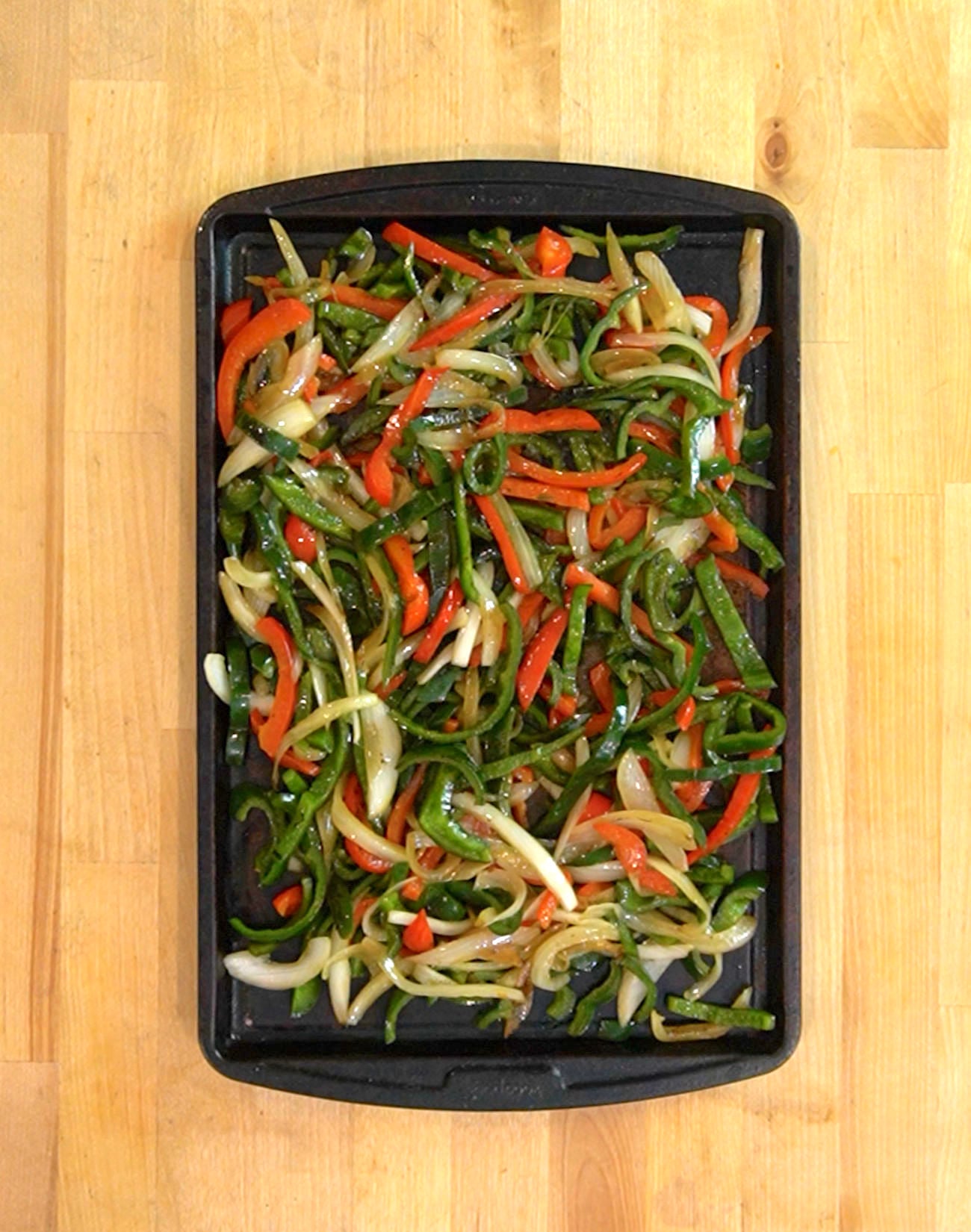
Per Serving Nutritional Profile:
- Calories: 59 kcal
- Total Carbohydrates: 6.5g
- Fiber: 1.9g
- Protein: 1g
- Fat: 3.2g
This profile makes the recipe an ideal candidate for "volume eating," where the goal is to feel satiated through high-fiber, nutrient-dense foods without exceeding caloric targets. Because the fat content is minimal, these vegetables serve as a neutral base that pairs perfectly with diverse protein sources, from grilled chicken and flank steak to plant-based proteins like black beans or tofu.
Implications for Modern Lifestyle and Sustainability
The adoption of this batch-prep method has broader implications for the contemporary home. Beyond the immediate benefit of saving time during the work week, there is a profound impact on waste reduction. How many times has a half-used bag of bell peppers sat in the crisper drawer, only to be discarded a week later?
By buying in bulk and processing the produce immediately, you extend the shelf life of your ingredients significantly. This "Snack City" approach aligns with sustainable living practices by reducing food waste and lowering the reliance on single-use, pre-packaged convenience foods that often carry hidden sodium and preservative loads.
Strategic Integration: Beyond the Burrito Bowl
While the burrito bowl is the intended destination for these vegetables, their versatility extends far beyond the traditional Mexican-inspired dish. Consider the following applications for your pre-prepped stash:
- The High-Protein Breakfast Scramble: Incorporate a handful of thawed fajita vegetables into your morning eggs or egg-white scramble to add fiber and flavor without the need for additional prep.
- The Quick Sheet-Pan Dinner: Toss the vegetables onto a sheet pan with pre-cooked chicken sausage or shrimp, roast for 10 minutes, and you have a gourmet meal in under a quarter of an hour.
- The "Power Salad" Upgrade: Use them as a topping for a base of quinoa or leafy greens. The caramelized sugars in the peppers act as a natural dressing, reducing the need for high-calorie store-bought sauces.
Professional Tips for Long-Term Success
To truly master this process, consider these expert recommendations:
- Avoid Over-Salting: When batch prepping for the freezer, salt lightly. Salt draws out moisture, and if you season too heavily before freezing, the vegetables may become overly soft upon reheating. Add a pinch of finishing salt or a squeeze of fresh lime juice just before serving.
- The "Flash Freeze" Method: If you want individual portion control, lay the cooked, cooled vegetables on a parchment-lined baking sheet and freeze them individually for an hour. Once frozen, transfer them to a freezer bag. This allows you to pull out exactly the amount you need for a single portion without having to thaw an entire container.
- Texture Maintenance: If you prefer your vegetables to maintain a "crunch," pull them from the heat when they are slightly underdone. The reheating process will complete the cooking, ensuring they remain tender-crisp rather than limp.
Conclusion: Reclaiming Your Time
The Chipotle-style fajita vegetable recipe is more than just a set of instructions; it is a tactical tool for the organized individual. In a world that demands constant attention, the ability to control one’s nutrition through thoughtful, proactive preparation is a form of self-care.
By leveraging the techniques outlined above, you transform your kitchen from a space of daily stress into a hub of efficiency. Whether you are aiming for specific fitness milestones, attempting to lower your weekly food expenditures, or simply striving for a more sustainable lifestyle, this recipe serves as the perfect entry point. Start your batch prep today, fill your freezer, and enjoy the peace of mind that comes with knowing your next healthy meal is always just minutes away.