Mastering the Art of Efficiency: Why Freezer-Friendly Veggie Rice is the Future of Meal Prep
In the fast-paced landscape of modern life, the intersection of nutrition and time management has become the primary battleground for the health-conscious consumer. As professional schedules tighten and the demand for wholesome, home-cooked meals rises, the culinary world has seen a shift toward "prep-ahead" solutions. Enter the latest innovation in the Meal Prep Manual series: the Veggie Rice. Designed specifically for the freezer, this nutrient-dense side dish is poised to redefine how busy individuals approach their weekly meal planning.
Main Facts: The Anatomy of the Veggie Rice
The Veggie Rice is not merely a side dish; it is a strategic tool for dietary maintenance. Developed to combat the "what’s for dinner?" fatigue that often leads to unhealthy takeout choices, this recipe serves as a foundational component for a variety of meals.
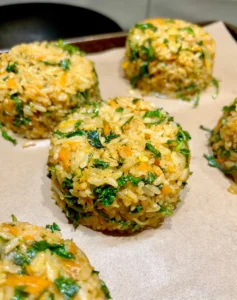
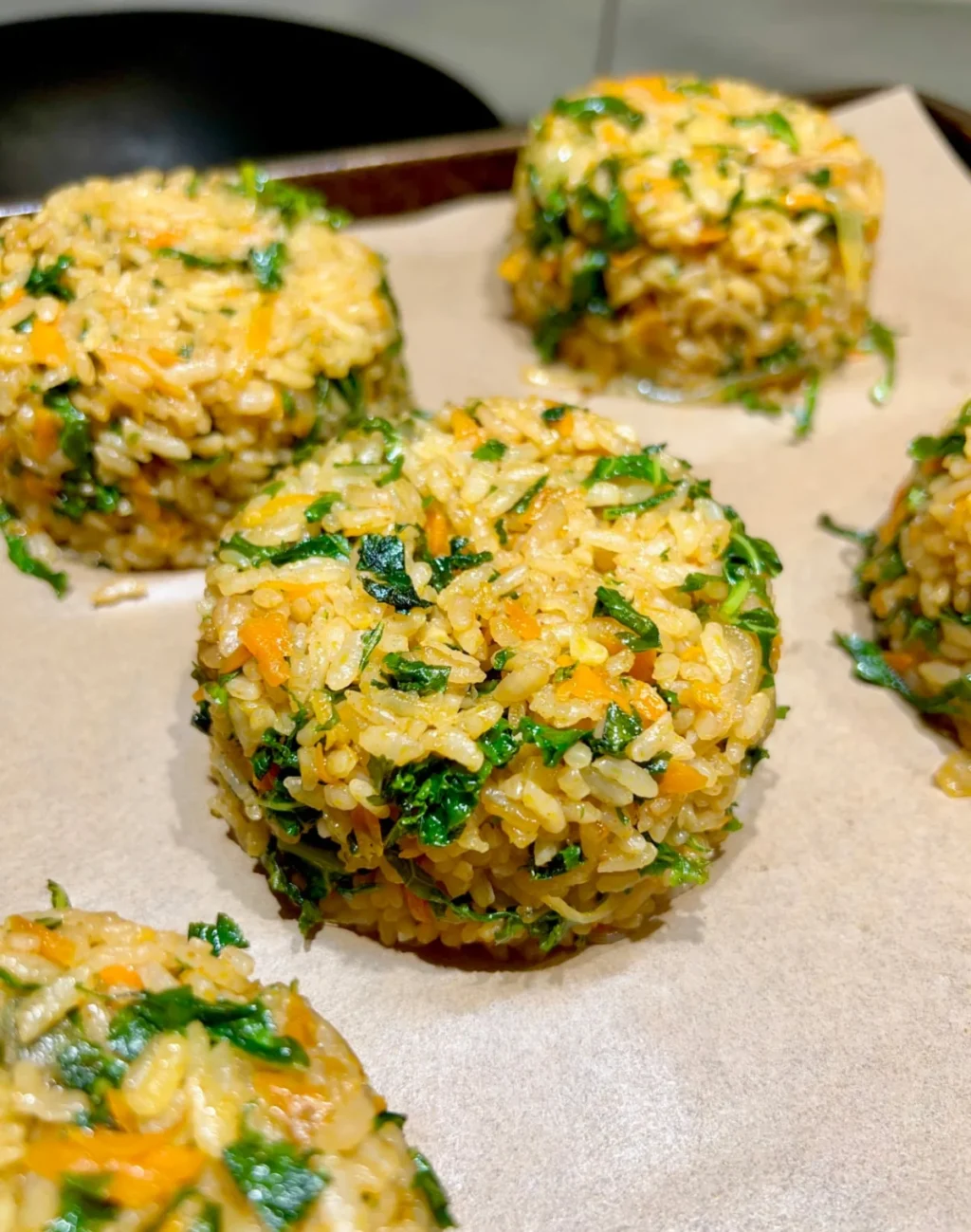
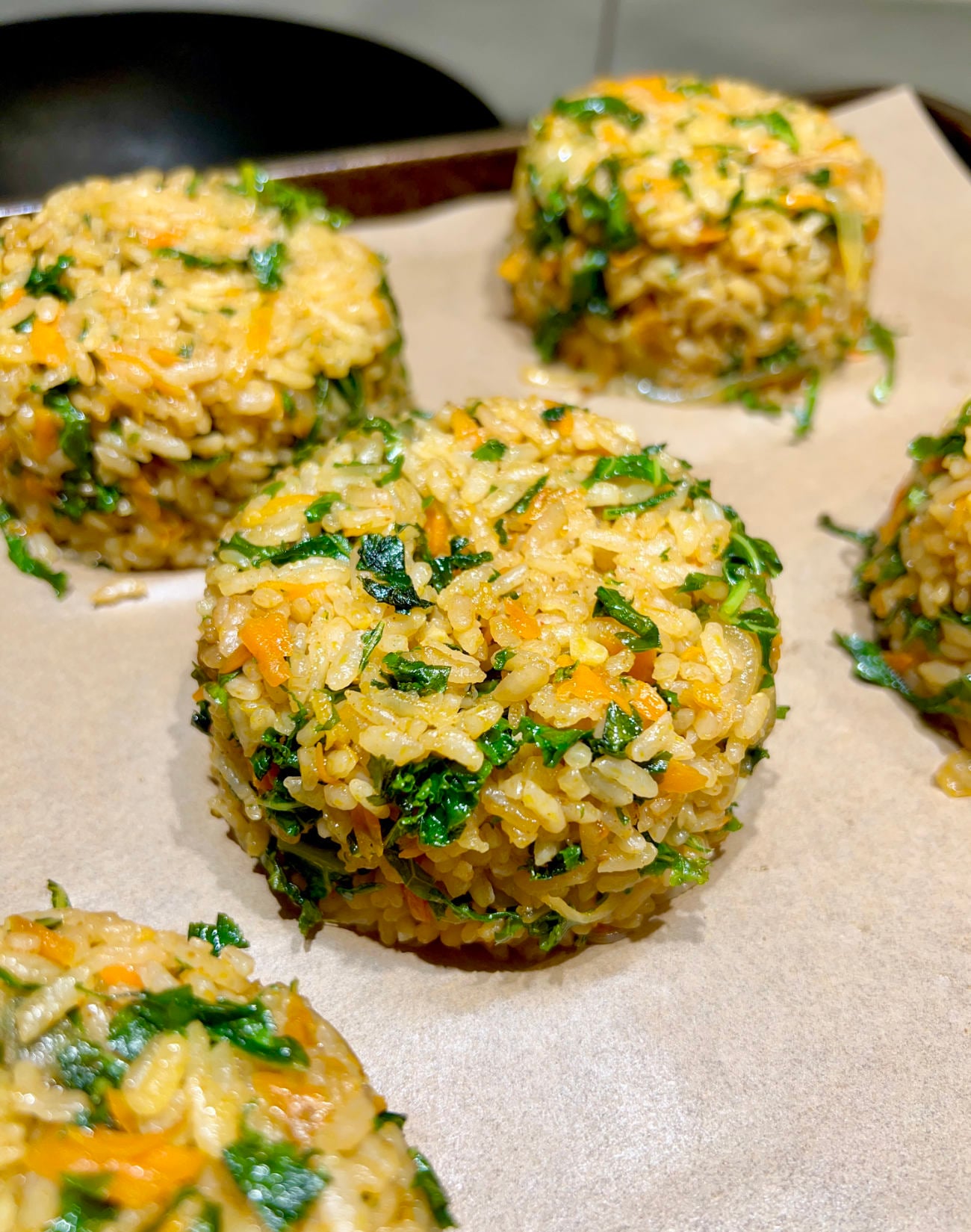
At its core, the dish utilizes a blend of kale, carrots, and onions—a trifecta of vegetables known for their fiber content, vitamins, and antioxidants. By incorporating these into a rice base, the dish achieves a balance of macronutrients that are often lacking in traditional starch-heavy sides. The recipe is meticulously portioned to provide seven distinct servings, each weighing in at approximately 287 calories.
Nutritionally, the breakdown is as follows:
- Calories: 287 kcal
- Carbohydrates: 45.4g
- Protein: 4.9g
- Fat: 9.6g
- Fiber: 2.3g
This profile makes it an exceptionally versatile option for those adhering to vegetarian, vegan, or gluten-free lifestyles, while remaining robust enough to serve as a base for grilled proteins or stir-fries.
A Chronological Approach: From Pantry to Freezer
Achieving the perfect freezer-friendly rice requires a systematic approach to cooking. The process is streamlined into a 55-minute window, ensuring that the labor-to-reward ratio remains highly favorable.
1. Preparation Phase (0–15 Minutes)
The process begins with the preparation of the vegetables. The inclusion of kale, which is often underutilized in rice dishes, requires careful washing and chopping. By dicing the onions and carrots into uniform sizes, the cook ensures that the texture remains consistent across all seven portions. This stage is critical; the uniformity of the chop dictates the evenness of the cook.
2. The Cooking Sequence (15–55 Minutes)
The cooking sequence is segmented into four distinct stages: the vegetable base, the rice, the integration, and the cooling process.
- The Vegetable Base: The carrots and onions are sautéed to a point of tenderness that allows them to hold their shape during the freezing and reheating process.
- The Rice: Utilizing a precise water-to-grain ratio ensures that the rice achieves a "fluffy" consistency rather than becoming gummy, which is a common failure point in frozen rice dishes.
- The Integration: Folding the kale into the warm rice mixture allows the residual heat to wilt the greens perfectly without turning them into mush.
- Storage: The final, and perhaps most important, step is the cooling phase. To maintain food safety and flavor integrity, the rice must be portioned into airtight containers and cooled rapidly before being placed in the freezer.
Supporting Data: Why Freezing Matters
The science of freezing prepared foods is rooted in the preservation of cellular structure. When starch-based dishes are cooled slowly or stored improperly, they lose their texture and nutritional density. The Veggie Rice protocol emphasizes airtight containment, which prevents the formation of ice crystals—the primary culprit behind freezer burn and degradation of quality.
By consuming this meal within the recommended storage window, individuals can retain up to 90% of the micronutrients found in fresh vegetables. Furthermore, the inclusion of dietary fiber from the kale and carrots helps in regulating blood sugar levels, providing a steady release of energy that processed side dishes fail to offer.
Professional Insights and Nutritional Implications
Nutritionists often highlight the importance of "dietary scaffolding"—the practice of building a meal around a reliable, nutrient-rich base. The Veggie Rice functions as this scaffold.
"When you have a baseline of complex carbohydrates and fiber already prepped in your freezer, you remove the friction of decision-making," says an industry expert in nutritional planning. "The barrier to entry for cooking a healthy dinner is usually the prep work. If the work is already done, you are significantly more likely to choose a healthy meal over an impulse purchase."
The macronutrient profile of 40.4g of carbohydrates balanced by fiber and essential fats ensures that this dish is satiating. While 4.9g of protein may seem modest for a side, it serves as an excellent canvas. Adding a lean protein source, such as chickpeas, tofu, or chicken breast, transforms this side dish into a complete, high-protein dinner within minutes.
The Broader Implications for Modern Living
The rise of the "freezer-friendly" movement is a direct response to the economic and temporal pressures of the 2020s. As food prices fluctuate, the ability to buy produce in bulk, process it into a shelf-stable meal, and eliminate food waste has moved from a niche lifestyle choice to a household necessity.
Sustainability and Waste Reduction
One of the most compelling implications of the Veggie Rice recipe is the reduction of food waste. Many consumers purchase large bags of kale or multi-pound bags of carrots only to see them wilt in the refrigerator drawer. By processing these ingredients immediately upon purchase, the cook essentially "saves" the produce from the landfill, turning perishable assets into long-term dietary capital.
Economic Efficiency
Calculating the cost per serving reveals a staggering difference between home-prepped Veggie Rice and store-bought equivalents. By utilizing raw ingredients, the cost per serving is reduced by approximately 60–70% compared to pre-packaged, frozen rice alternatives, which often contain excessive sodium and preservatives.
Conclusion: The Path Forward
The Veggie Rice is more than a recipe; it is a manifestation of intentional living. It acknowledges that while we may not always have the time to cook from scratch every evening, we can reclaim our health through structured, deliberate preparation. By following the 55-minute cycle, utilizing high-quality ingredients, and adhering to strict storage protocols, home cooks can ensure that their freezer is stocked with a reliable, nutrient-dense ally.
As we look toward the future of meal prep, the focus will undoubtedly remain on efficiency, cost-effectiveness, and health optimization. This dish stands as a testament to that trajectory, proving that simple, wholesome ingredients, when handled with foresight, can provide the foundation for a sustainable and healthy lifestyle. Whether you are a seasoned meal-prepper or a novice looking to streamline your week, the Veggie Rice offers a blueprint for success in the modern kitchen.