Navigating the Invisible Threat: New Risk-Based Framework Targets Microbiological Hazards in Dried Ingredients
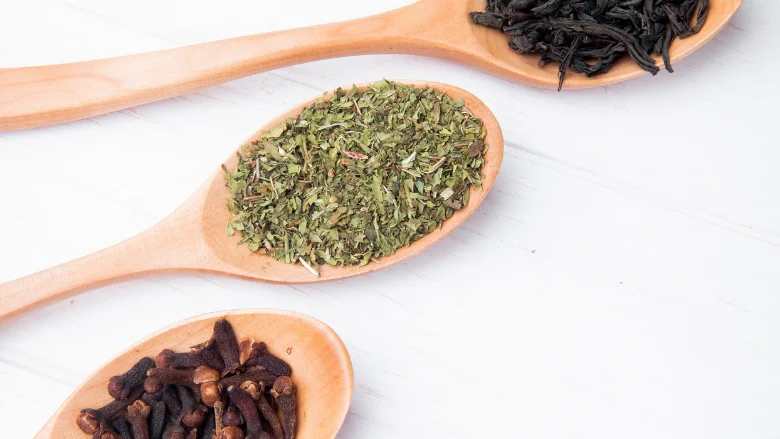
In the global food supply chain, dried fruits, vegetables, herbs, and spices are often perceived as shelf-stable, low-risk commodities. Because these ingredients possess low water activity ($a_w$), they naturally inhibit the proliferation of many spoilage organisms. However, this perceived safety is deceptive. While low moisture levels may stop bacteria from growing, they do not necessarily kill them. In fact, many dangerous pathogens can remain dormant and viable in these products for months or even years, only to be "activated" once introduced into a moist, ready-to-eat (RTE) environment.
To address this critical gap in food safety management, an expert group from the International Life Sciences Institute (ILSI) Europe’s Microbiological Food Safety Task Force has unveiled a new, qualitative, risk-based framework. Published in Comprehensive Reviews in Food Science and Food Safety, this tool provides a structured methodology for food manufacturers, suppliers, and buyers to evaluate microbiological risks and implement rigorous pathogen-reduction strategies.
The Nature of the Challenge: Why Dried Doesn’t Mean Sterile
The core issue lies in the transition of ingredients from raw materials to final consumer products. Many dried spices and herbs are incorporated into RTE foods—such as spice blends, salad dressings, or snack foods—after a final processing step. If the ingredient is contaminated, and no further lethality treatment (like high-heat cooking) occurs, the pathogen is delivered directly to the consumer.
Pathogens of Concern
The ILSI review highlights several high-profile pathogens that have historically plagued the dried ingredient sector:
- Bacteria: Salmonella enterica, pathogenic Escherichia coli, Bacillus cereus, and Clostridium perfringens.
- Viruses: Hepatitis A and norovirus, which are particularly problematic in dried fruits and vegetables.
The challenge is compounded by the "persistence factor." Unlike high-moisture foods where a pathogen might multiply and cause visible spoilage, pathogens in dried goods survive in a state of stasis. They do not change the smell, taste, or appearance of the product, making the contamination invisible to the end user.
Chronology: Evolution of Industry Awareness
The recognition of dried ingredients as a significant food safety vector has been a gradual, data-driven evolution over the last two decades.
- 2000–2010: Increased reporting of Salmonella outbreaks linked to dried spices, such as black pepper and paprika, forced regulatory bodies to reconsider the "low-risk" classification of dehydrated goods.
- 2011–2015: The implementation of the Food Safety Modernization Act (FSMA) in the United States shifted the focus toward preventive controls. This period saw a rise in recalls as analytical testing techniques improved, revealing that contamination was more widespread than previously documented.
- 2016–2022: Industry stakeholders began calling for standardized validation protocols. The realization grew that "testing alone" was insufficient, as sampling dried goods often yielded false negatives due to the uneven, "spotty" distribution of pathogens.
- 2023–2024: The ILSI Europe expert group consolidated years of surveillance data and technological research to create a cohesive, globalized framework. This culminates in the current proposal, designed to move the industry from reactive testing to proactive risk mitigation.
Supporting Data and the Limitations of Current Surveillance
One of the most sobering aspects of the ILSI report is its critique of current surveillance data. The researchers emphasize that the absence of reported outbreaks does not equal an absence of risk.
The "Silent" Contamination
Standardized, global studies on the prevalence of pathogens in dried commodities are notoriously scarce. Much of the existing data is "outbreak-driven"—meaning we only find out about contamination when people get sick. When investigations are not triggered by an illness, many batches of contaminated spices or fruits likely enter the food supply chain unnoticed.
Sampling Hurdles
The statistical probability of detecting a pathogen in a lot of dried product is low. Because contamination is often localized (heterogeneous), a standard 25-gram sample may miss a contamination pocket entirely. The review explicitly warns: Finished-product pathogen testing cannot substitute for validated controls. Relying on negative test results provides a false sense of security that the researchers are eager to dispel.
The Framework: A Weighted Approach to Risk
The heart of the new ILSI framework is a scoring system that assigns weighted values to seven critical areas of the supply chain. By quantifying these variables, companies can determine if an ingredient is safe for use or if it requires a secondary, robust lethality step.
The Seven Pillars of Assessment
- Historical Evidence: Past records of contamination associated with the specific commodity or supplier.
- Agricultural System: The environmental conditions under which the crop is grown.
- Soil and Irrigation: Proximity to animal agriculture and the microbiological quality of water sources.
- Handling and Processing: The hygiene standards maintained from harvest through the initial drying phase.
- Location of Drying: Whether the drying process occurs in a controlled, sanitary environment or open-air settings susceptible to environmental contamination.
- Validated Lethality: The presence of steps specifically designed to reduce pathogen load (e.g., steam treatment, irradiation, or heat).
- Post-Treatment Controls: Measures to prevent recontamination after the lethality step has occurred.
Scoring and Action Thresholds
The framework produces a total score ranging from 7 to 115.
- Score 7–30 (Low Risk): The supply chain controls are deemed sufficient. No further intervention is required by the manufacturer.
- Score 31–55 (Moderate Risk): The ingredient is acceptable, but additional risk-reduction actions or enhanced supplier oversight are recommended.
- Score 56+ (High Risk): The ingredient is not recommended for use unless the buyer implements a validated pathogen-reduction step (such as in-house heat treatment) before incorporation into the final product.
The benchmark for a "full lethality treatment" is generally defined as a 5-log reduction in the most resistant pathogen or a validated surrogate.
Official Perspectives and Industry Implications
The ILSI expert group stresses that this framework is a directional tool rather than a rigid, quantitative risk assessment model. It is designed to foster communication. In many cases, suppliers may not provide the granular data necessary for a complete assessment, and in those instances, the researchers urge companies to adopt a "conservative approach."
Bridging the Supplier-Buyer Gap
The framework is expected to serve as a common language between buyers and suppliers. Currently, procurement decisions are often driven by price and quality. The ILSI framework encourages a "food safety-first" procurement strategy, where the safety credentials of a supplier are weighted as heavily as the flavor profile of the herb or the aesthetic quality of the dried fruit.
Regulatory and Operational Impact
For food manufacturers, the implications are significant. Facilities that currently rely on "Certificate of Analysis" (COA) testing from suppliers may need to audit their processes against this new framework. If an ingredient scores high on the risk scale, the manufacturer must be prepared to invest in secondary decontamination technology—such as specialized steam-processing or cold-plasma treatments—to ensure the safety of the RTE final product.
Future Outlook: A Standardized Path Forward
As the food industry continues to globalize, the risk of cross-border pathogen transmission increases. The movement of dried spices and fruits across multiple continents—where regulations on irrigation water quality and handling vary drastically—presents a complex puzzle for food safety professionals.
The ILSI framework provides a roadmap for navigating this complexity. By shifting the focus from "did we find a bug?" to "how robust is the process?", the industry can better protect public health. The researchers conclude that when data is uncertain or unavailable, the industry must default to the most protective measures. In the world of food safety, the cost of an outbreak—both in terms of human health and corporate reputation—far outweighs the investment required to validate and control the processing of dried ingredients.
For food safety teams, the takeaway is clear: the safety of an ingredient is not a static property, but a result of the entire journey from farm to fork. With this new, science-backed framework, the industry has a powerful new tool to ensure that our favorite flavors do not become vehicles for foodborne illness.