Rebalancing the Dietary Equation: Unpacking Potassium’s Critical Role in Modern Health
The modern diet, characterized by an abundance of processed foods and a scarcity of nutrient-rich plants, has created a silent health crisis. At its heart lies a fundamental imbalance: too much sodium and not enough potassium. This dietary shift, a stark departure from our evolutionary heritage, has profound implications for public health, particularly in the escalating global battle against hypertension. While the solution appears straightforward – increasing potassium intake – the nuances, especially concerning individuals with compromised kidney function, necessitate careful consideration and evolving medical perspectives.
Potassium, an essential mineral, plays a pivotal role in numerous bodily functions, most notably in maintaining fluid balance, nerve signals, and muscle contractions, including those of the heart. Crucially, it acts as a counterbalance to sodium, helping to regulate blood pressure. For healthy individuals, the body’s sophisticated renal system efficiently manages potassium levels, excreting any excess. However, for a growing segment of the population, understanding one’s kidney function is the first, critical step in navigating dietary potassium recommendations.
Chronology: From Ancestral Abundance to Modern Deficiency
The human species evolved on a diet vastly different from what most people consume today. Our ancestors, foragers by nature, subsisted on an abundance of plant foods – fruits, vegetables, leafy greens, roots, and tubers. This traditional, largely plant-based diet was inherently rich in potassium and remarkably low in sodium. Estimates suggest that ancestral potassium intake could have been as high as 15,000 milligrams per day, a stark contrast to current dietary patterns and even modern recommended intakes.
This evolutionary blueprint for optimal potassium intake has been dramatically disrupted by the advent of industrial food processing. The modern diet has largely replaced these potassium-rich plant foods with calorie-dense, highly processed alternatives. These foods are often laden with added fats and sugars, and critically, are stripped not only of essential fiber but also of vital minerals like potassium. Simultaneously, they are infused with excessive amounts of sodium, creating a profound imbalance that has become a hallmark of contemporary eating habits.
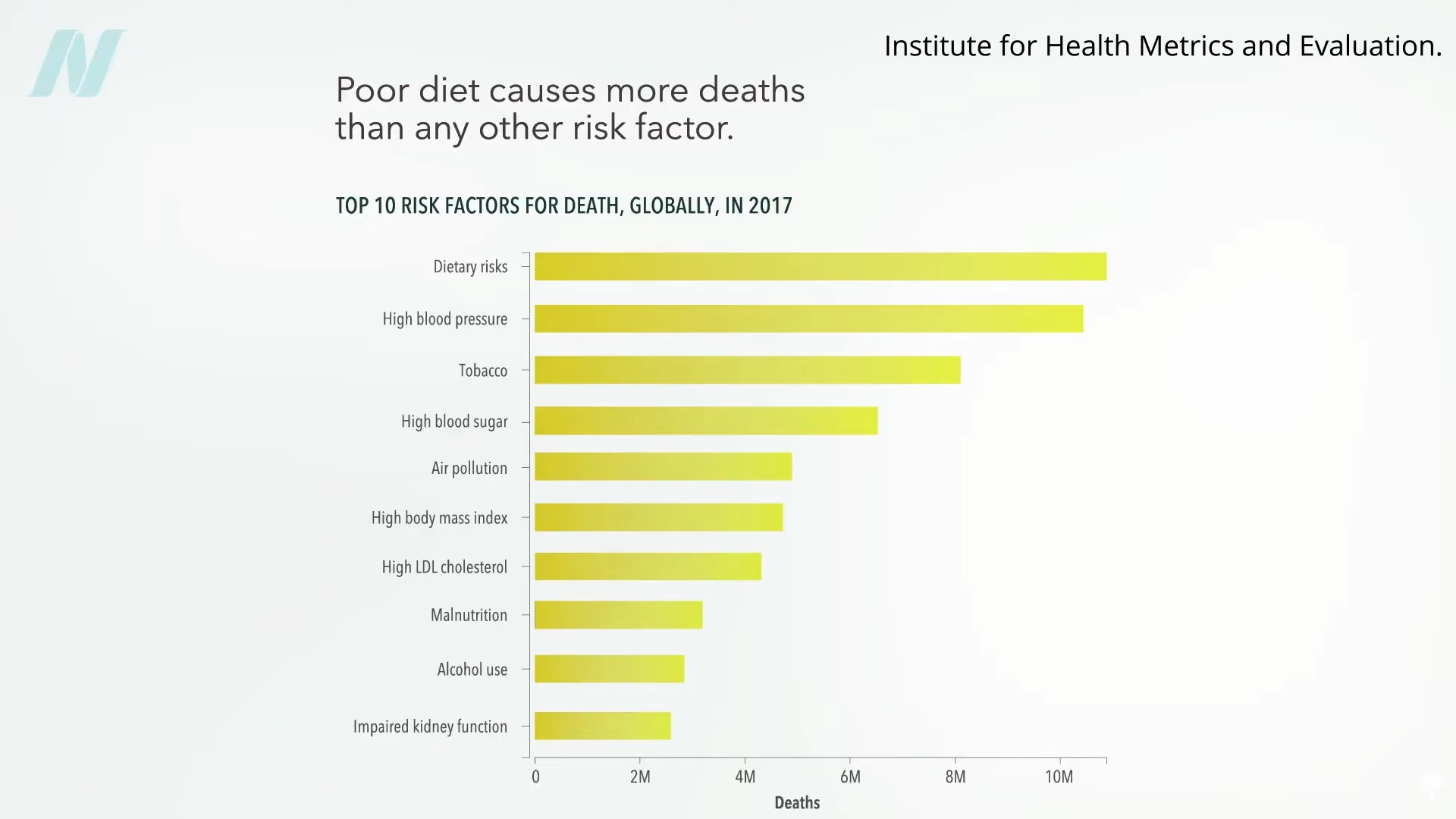
The consequences of this dietary shift are dire. High blood pressure, or hypertension, has surged to become the second leading risk factor for death worldwide, claiming the lives of over 10 million people annually. Only unhealthy diets overall rank higher among global risk factors for mortality. This alarming statistic underscores the urgency of addressing the potassium-sodium imbalance, a key driver of this pervasive health crisis. The trajectory from a nutrient-dense, plant-rich past to a processed-food present is directly correlated with the rise of chronic diseases, with hypertension at the forefront.
Supporting Data: The Scientific Imperative for Potassium
The scientific evidence unequivocally supports the benefits of adequate potassium intake, particularly in mitigating the risks associated with high blood pressure. Potassium’s physiological mechanisms for blood pressure regulation are multifaceted. It helps to relax blood vessel walls, counteract the effects of sodium on fluid retention, and improve endothelial function, all contributing to lower blood pressure. The intricate dance between sodium and potassium, mediated by the sodium-potassium pump, is fundamental to cellular health and overall cardiovascular well-being.
Given the widespread deficiency in potassium and the overconsumption of sodium, medical researchers have explored various strategies to correct this imbalance. One promising avenue is the use of potassium chloride as a salt substitute. These substitutes aim to swap out sodium chloride, the common table salt, for potassium chloride, directly addressing both sides of the dietary equation.
A comprehensive meta-analysis of over a dozen randomized controlled trials provides compelling evidence for their effectiveness. This research demonstrated that replacing sodium chloride with potassium chloride significantly lowers blood pressure. Remarkably, many of these trials involved salt substitutes containing less than 30% potassium chloride, yet still yielded positive results. This suggests that even a partial substitution can be beneficial. Furthermore, a significant advantage of these lower-concentration substitutes is their taste profile; most people cannot discern a difference between them and regular salt. This "stealth health" benefit makes them a practical tool for dietary modification without compromising palatability.

For healthy individuals, the safety profile of potassium chloride is well-established. The U.S. Food and Drug Administration (FDA) has classified potassium chloride as "generally regarded as safe" (GRAS). The primary reason healthy people typically don’t need to worry about consuming too much potassium from food or even moderate supplementation is the remarkable efficiency of the kidneys. Healthy kidneys act as a finely tuned regulatory system, excreting any excess potassium to maintain stable blood levels. Studies have shown no adverse effects from long-term potassium supplementation at doses as high as 3,000 mg a day. In fact, blood levels of potassium are maintained within the normal range even with intakes soaring to approximately 15,000 mg a day, mirroring the estimated intake of our ancestors.
The normal range for blood potassium levels is generally between 3.5 and 5.0 mmol/L, with concern arising as levels approach or exceed 6 mmol/L. When individuals in salt substitution trials receive an average of about 2,000 daily milligrams of potassium supplements, blood levels typically increase by a modest 0.14 mmol/L. This incremental rise, for instance, from 4 to 4.14 mmol/L, falls well within the safe range and does not push levels into dangerous territory.
While the body is adept at handling high potassium intake from natural food sources, extreme scenarios do exist. One documented case involved an individual who developed dangerously high potassium levels (above 6 mmol/L) after years of consuming little else besides up to 20 bananas a day. Similarly, attempting to consume 10 pounds of carrots daily, equating to about 75 carrots, as one person did in pursuit of a misguided cancer cure, highlights the limits of even healthy food consumption when taken to extremes.
The history of salt substitutes also offers cautionary tales. A 1940s report detailed cases of lithium poisoning due to the use of lithium chloride as a salt substitute. This historical misstep underscores the importance of rigorous scientific evaluation for food additives. Regarding potassium chloride, a tragic case involved suicide by ingesting a significant amount of the salt substitute. While this is a serious event, it’s crucial to contextualize it: even smaller amounts of regular sodium chloride, if ingested all at once, can be lethal. Ingesting saltwater, for example, was a traditional suicide method in ancient China, illustrating that the danger lies in acute, massive doses of any concentrated salt, rather than the substance itself in normal dietary use.
Beyond blood pressure, adequate potassium intake is also linked to other health benefits, including improved bone health, a reduced risk of stroke, and prevention of kidney stones. These broader advantages further underscore the importance of re-evaluating dietary potassium guidelines and consumption patterns.
Official Responses: Navigating Medical Guidelines and Cautions
Despite the overwhelming evidence supporting the benefits of increased potassium and the utility of potassium chloride salt substitutes, their widespread, population-level promotion has faced reluctance. This caution primarily stems from a critical consideration: the small but significant segment of the population with severely impaired kidney function. For these individuals, whose kidneys cannot efficiently regulate potassium, an elevated intake can indeed become a serious and life-threatening issue, leading to hyperkalemia (abnormally high potassium levels in the blood).
At-risk groups include individuals with diagnosed chronic kidney disease (CKD), those with diabetes (which can lead to kidney damage), patients with severe heart failure, older adults whose kidney function may naturally decline with age, and individuals taking medications that impair potassium excretion (such as ACE inhibitors, angiotensin receptor blockers (ARBs), and potassium-sparing diuretics), as well as those with adrenal insufficiency. For anyone unsure of their kidney health status, consulting a doctor for kidney function testing is a crucial preventative measure.
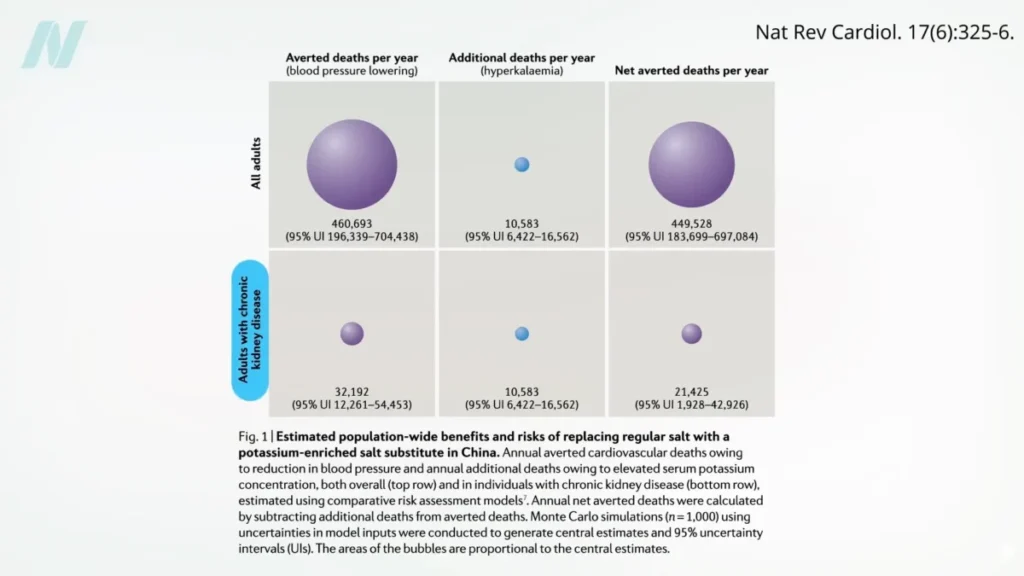
Ironically, potassium is so effective at reducing deaths from high blood pressure, even among those with kidney disease, that using potassium chloride salt substitutes would likely still save more lives on a population level despite the inherent risk for a vulnerable subgroup. This paradox highlights a significant public health dilemma: how to maximize benefit while minimizing harm.
Historically, dietary recommendations for kidney patients often involved strict limitations on the consumption of fruits and vegetables due to their high potassium content. This paradigm, however, is rapidly changing as medical understanding evolves. There is increasing evidence that a whole food, plant-based diet, despite its high potassium content, can actually ameliorate chronic kidney disease, help slow its progression, and even delay kidney failure. The rich array of antioxidants, fiber, and other phytochemicals in plant foods appears to offer protective benefits that outweigh the concerns about potassium for many kidney patients.
Consequently, the practice of universally restricting dietary potassium in kidney patients is being re-evaluated. Current medical consensus suggests that such restrictions should primarily be reserved for patients with documented hyperkalemia, specifically a potassium level of 6 mmol/L or higher. This shift acknowledges that for many kidney patients, the benefits of a nutrient-dense, plant-based diet, which can halt the progression of kidney disease, far outweigh the theoretical risks of dietary potassium, provided their potassium levels are routinely monitored. The key to preserving kidney function, it appears, might indeed lie in the produce aisle.
Implications: A Path Towards Healthier Dietary Landscapes
The implications of rebalancing the dietary potassium-sodium ratio are vast, holding immense potential for public health globally. A widespread shift towards higher potassium intake, primarily through increased consumption of whole, plant-based foods, coupled with a reduction in sodium, could significantly lower the prevalence of hypertension and its associated mortality and morbidity. This would translate into substantial reductions in cardiovascular disease, strokes, and kidney failure, alleviating an enormous burden on healthcare systems worldwide.
The dietary transformation required involves a return to the foundational principles of nutrition: prioritizing whole, unprocessed plant foods. Greens, beans, fruits, and vegetables are not just sources of potassium; they are packed with synergistic nutrients, fiber, and antioxidants that collectively promote health. Salt substitutes, particularly those containing potassium chloride, can serve as a valuable tool within this broader dietary strategy. They offer an immediate and often palatable way to reduce sodium and increase potassium without requiring a complete overhaul of cooking habits, acting as a bridge for many consumers.
However, the implementation of such strategies requires careful consideration and tailored advice. Public health campaigns need to clearly differentiate between the general population, for whom increased potassium is overwhelmingly beneficial, and specific vulnerable groups, for whom medical supervision and personalized dietary guidance are essential. This necessitates robust screening for kidney function and ongoing monitoring for at-risk individuals.
Future research will undoubtedly continue to refine our understanding of potassium metabolism, the long-term impacts of widespread salt substitute use, and optimal dietary strategies for diverse populations, including those with chronic diseases. Policy interventions, such as improved food labeling, reformulation of processed foods to reduce sodium and increase potassium, and educational initiatives, will be crucial in shaping healthier food environments.
In conclusion, the journey to combat the modern epidemic of diet-related diseases, particularly hypertension, hinges significantly on a fundamental rebalancing of our dietary landscape. By embracing potassium-rich, whole plant foods and judiciously utilizing potassium chloride salt substitutes under medical guidance where necessary, we can forge a path towards improved cardiovascular health, enhanced kidney function, and a healthier future for all.
Public Service Announcement:
If you are in crisis, you can call the National Suicide Prevention Lifeline 24 hours a day, seven days a week, at 800-273-8255.