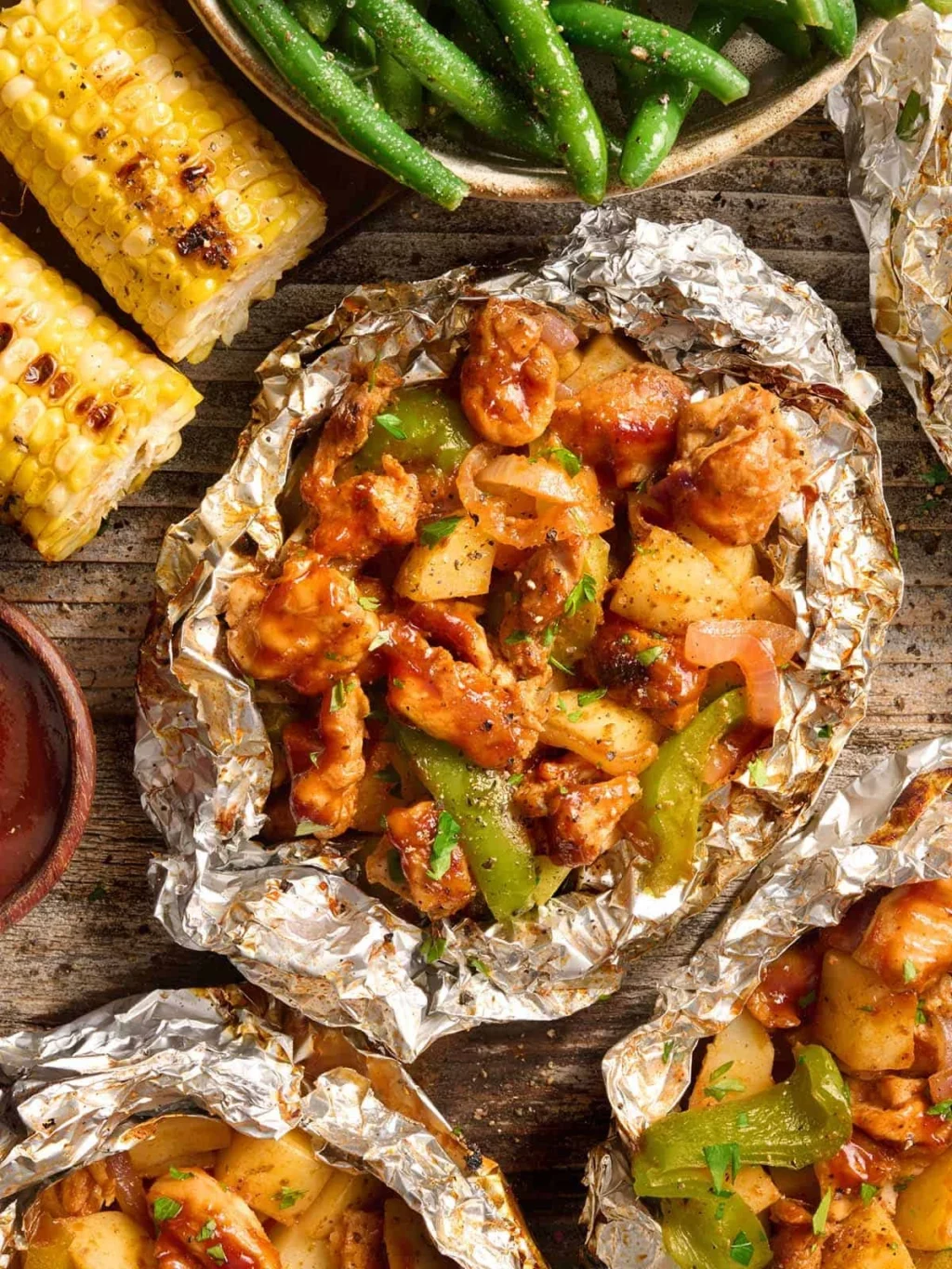
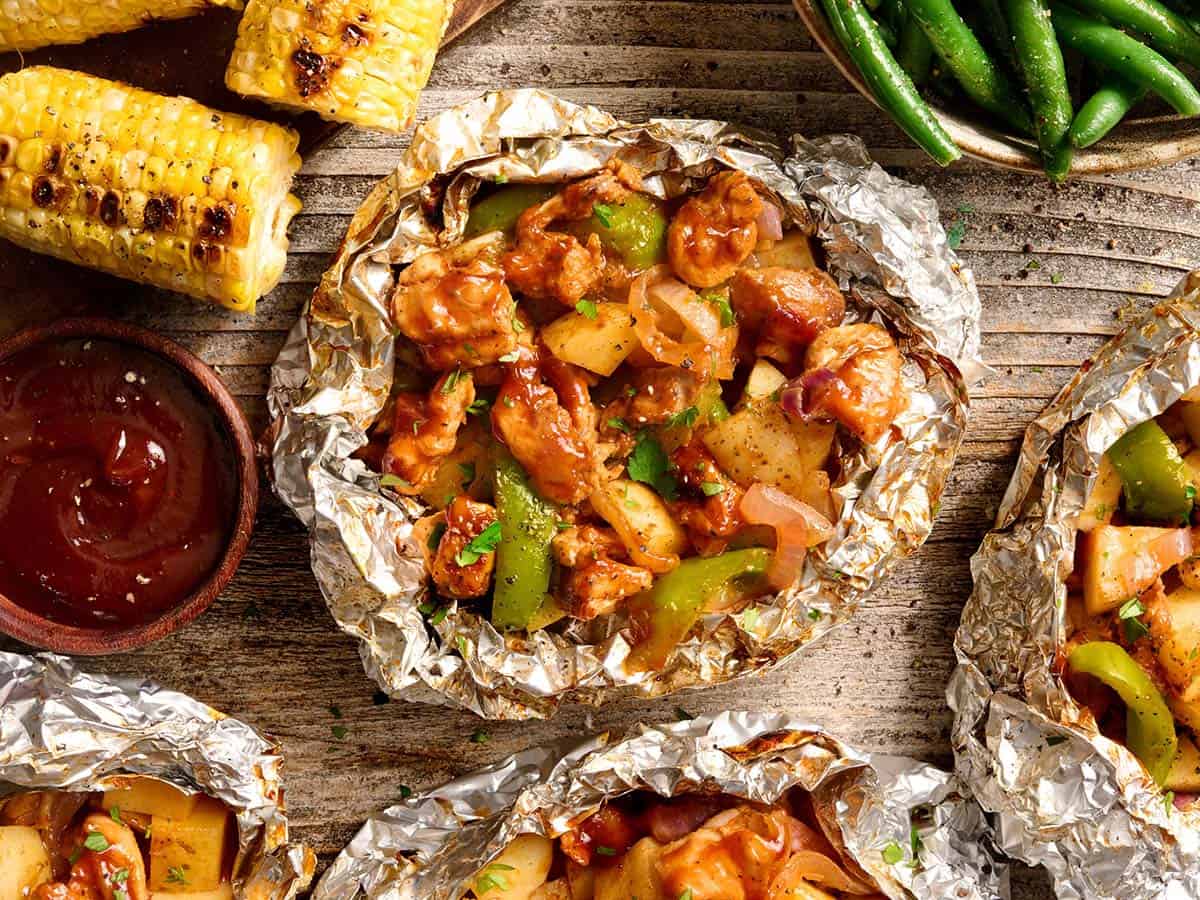
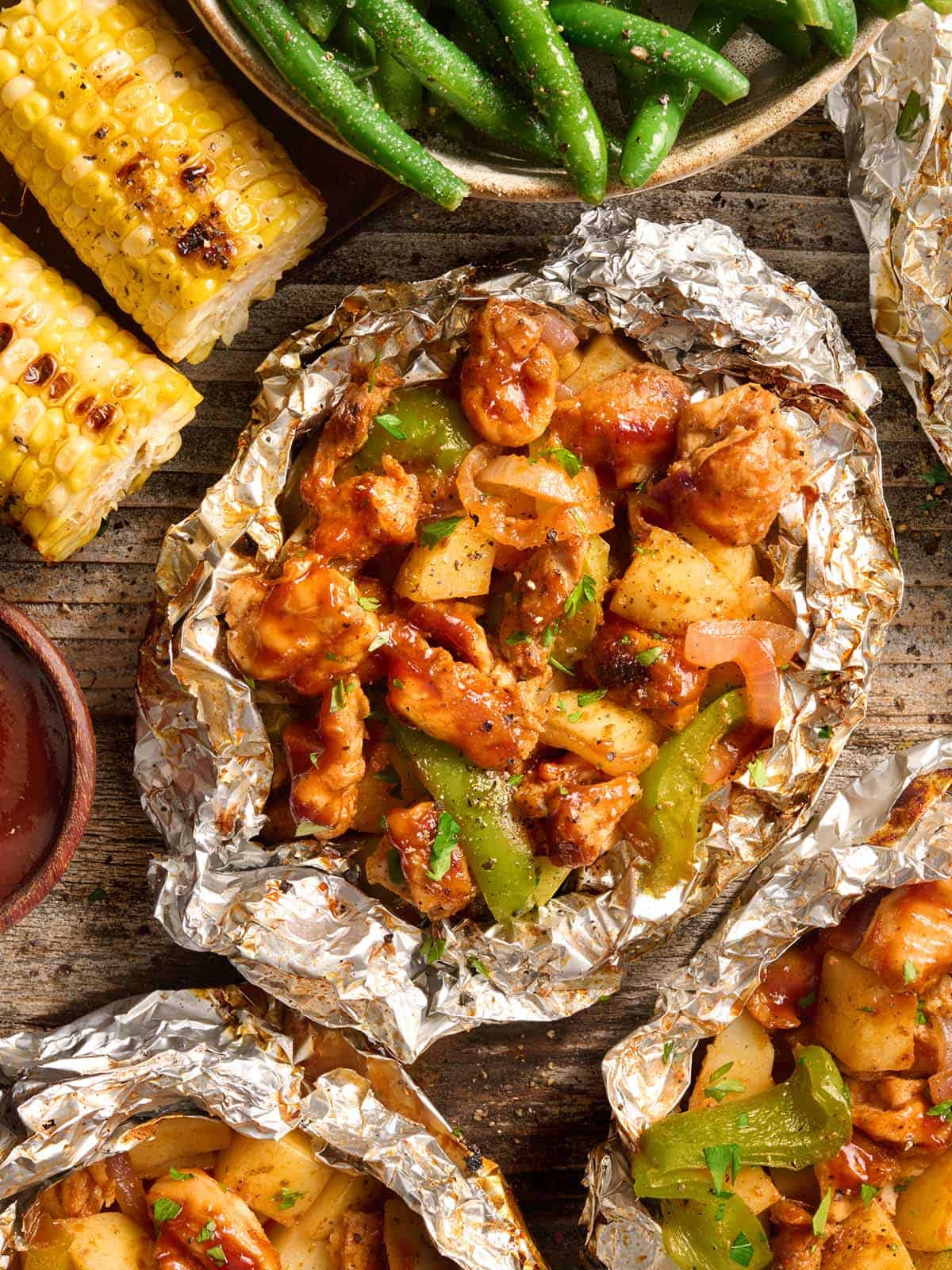
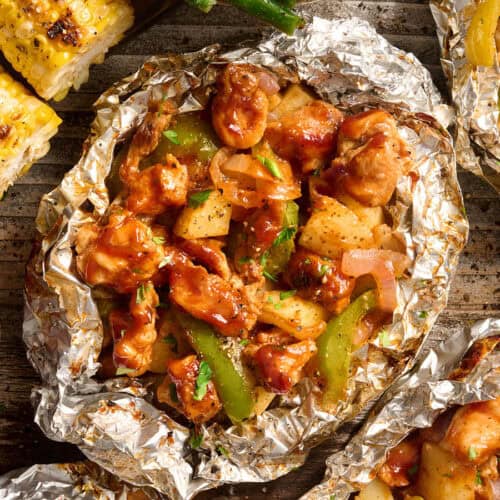
As household food budgets face ongoing pressure from fluctuating grocery indexes, culinary developers are increasingly turning to historical, low-waste cooking methods to deliver high-yield, nutritious meals. The Nashville Test Kitchen has recently finalized and validated a modernized iteration of the classic outdoor "foil pack" dinner. Developed by professional culinary designer Jennie Alley, the "BBQ Chicken Foil Pack" represents a deliberate effort to synthesize the nostalgic appeal of backyard barbecues with the rigorous cost-control measures demanded by contemporary home cooks.
The recipe delivers a complete, self-contained meal—featuring protein, starches, and fresh vegetables—for an estimated cost of $10.45 per four-serving yield, translating to just $2.61 per portion. By optimizing ingredient geometry to ensure uniform cooking times and establishing dual-mode thermal parameters for both open-flame grills and conventional ovens, developers have created a highly adaptable, climate-resilient meal prep solution.
Main Facts
The development of the BBQ Chicken Foil Pack centers on several core culinary and economic parameters designed to maximize efficiency and minimize household labor:
Financial Efficiency: The recipe achieves a verified cost threshold of $10.45 for a complete four-portion meal. At $2.61 per serving, the dish significantly undercuts comparable fast-casual or takeout alternatives, which average between $12.00 and $18.00 per individual portion in the current market.
Zero-Precook Assembly: Unlike traditional sheet-pan or foil-wrapped recipes that require parboiling root vegetables or marinating proteins ahead of time, this formulation utilizes raw ingredients prepared in a single-bowl mix. The entire process transitions from raw prep to active dining in approximately 40 minutes.
Dual-Thermal Compatibility: To ensure utility beyond the traditional summer cookout season, the recipe has been calibrated for two distinct heat sources: a preheated outdoor grill or a conventional home oven, both operating at a baseline temperature of 425°F (218°C).
Precision Geometry: The structural integrity of the meal relies on precise ingredient sizing. Chicken thighs and Yukon Gold potatoes are cut into uniform 1-to-1.5-inch pieces, balancing their heat-absorption rates so that the dense starch and the high-fat protein reach culinary safety and optimal texture simultaneously.
Nutritional Density: Each individual packet yields 480 calories, delivering a robust macronutrient profile characterized by 38 grams of protein and 6 grams of dietary fiber, balanced against 11 grams of fat and 57 grams of carbohydrates.
Chronology of Preparation and Execution
The success of the foil pack architecture relies on a sequential, step-by-step assembly process designed to prevent ingredient degradation, manage moisture release, and maximize caramelized surface contact.
The preparation begins with the systematic reduction of raw ingredients to ensure uniform heat transfer:
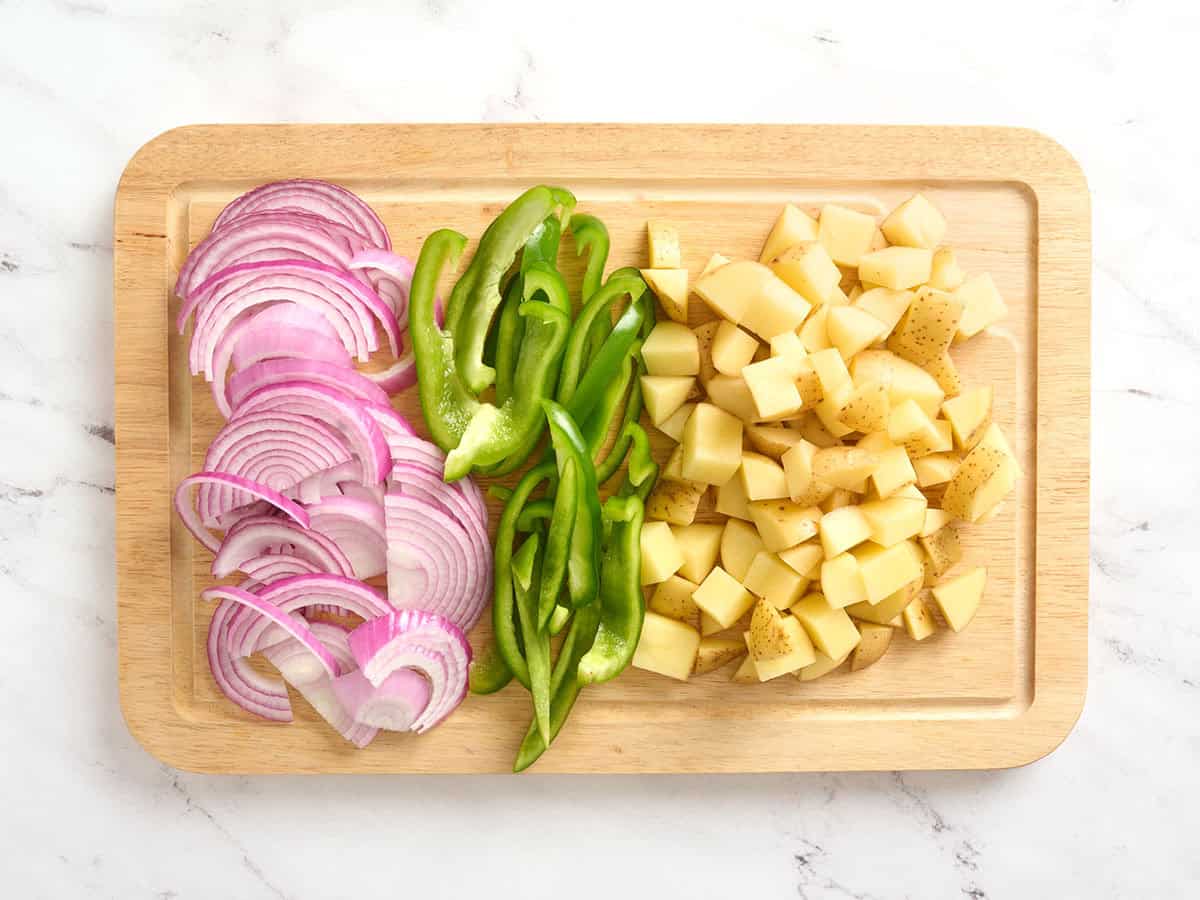
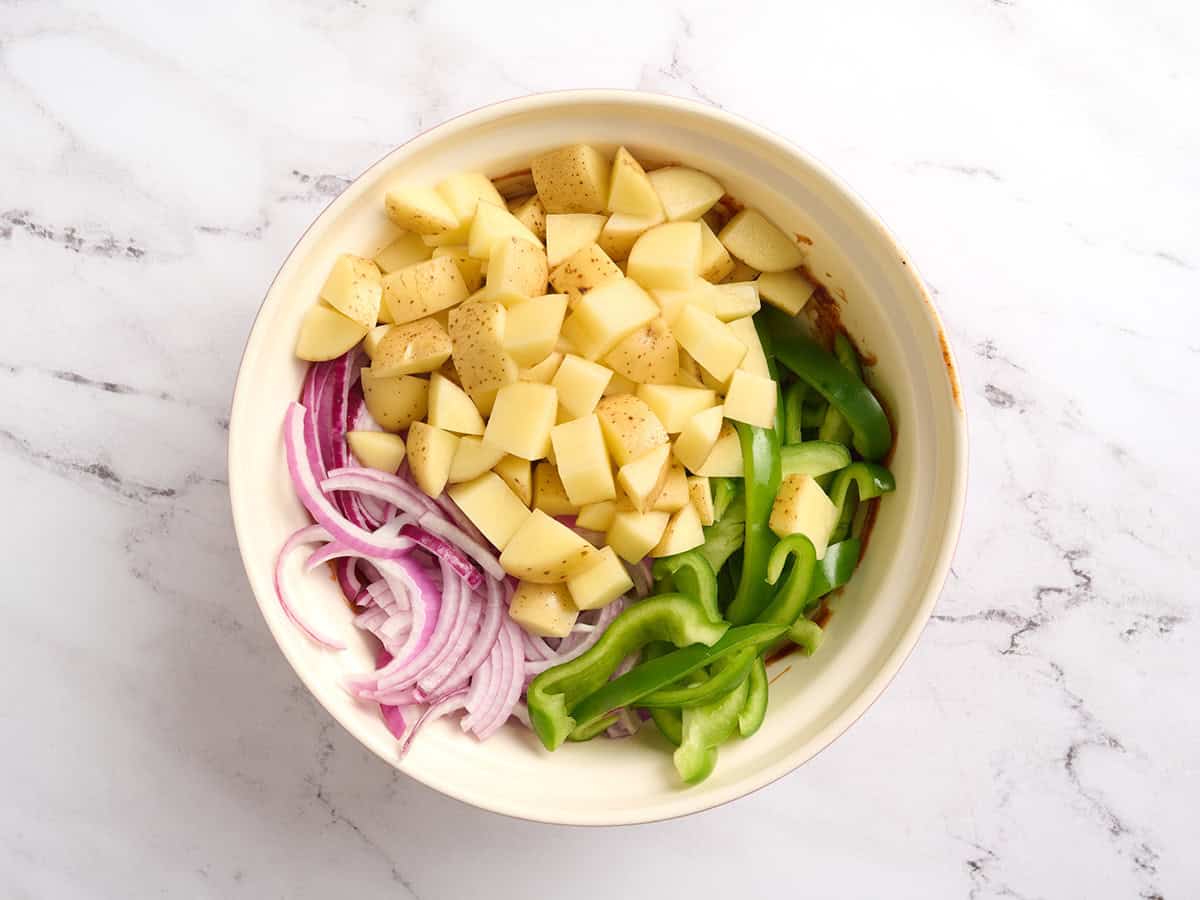
Starch Processing: 1.5 pounds of unpeeled Yukon Gold potatoes are diced into precise 1-inch cubes. Keeping the skins intact preserves structural integrity during the steaming phase and eliminates the labor of peeling.
Aromatic Preparation: One green bell pepper and one medium red onion are sliced into uniform strips. The surface area of these vegetables is designed to allow them to soften without completely dissolving into mush under high heat.
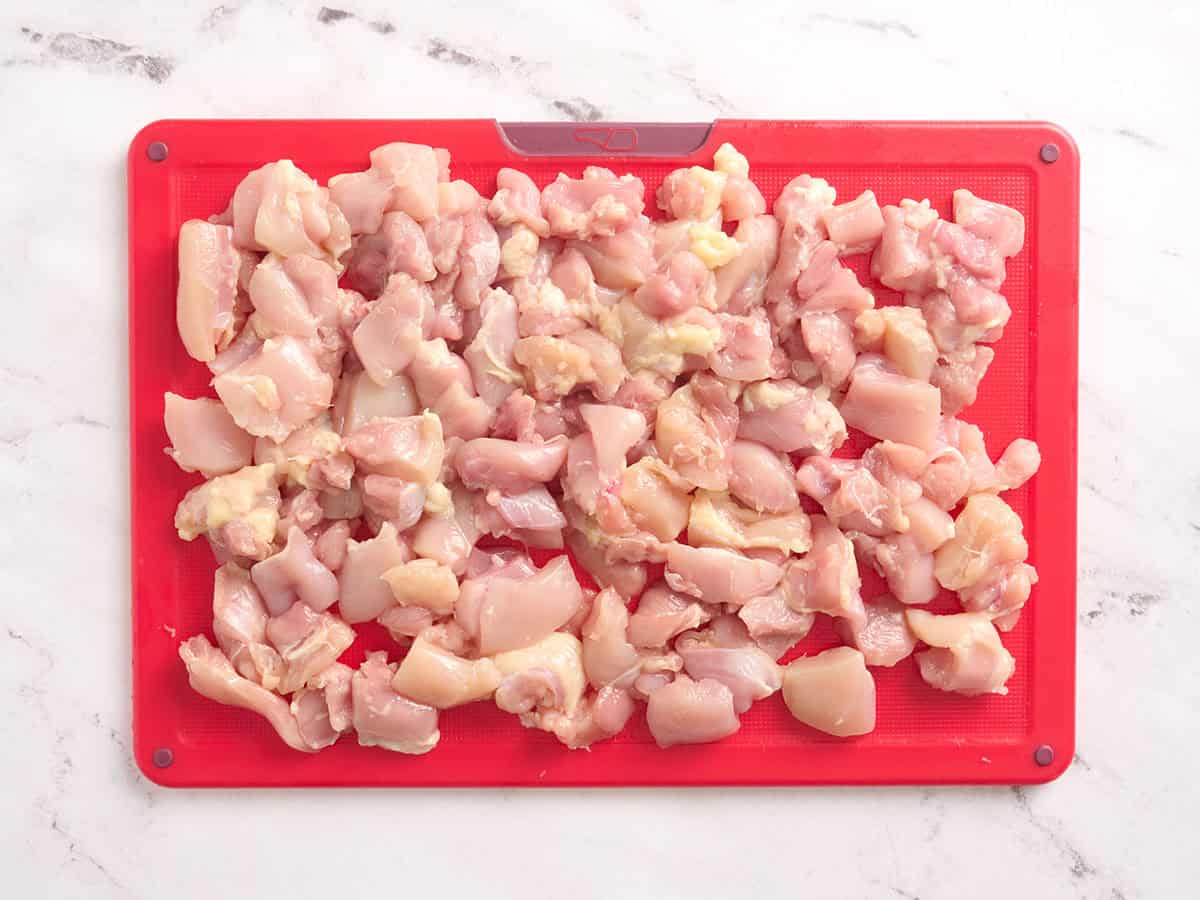
Protein Slicing: 1.5 pounds of boneless, skinless chicken thighs are cut into 1-to-1.5-inch pieces. The size of the chicken cubes must slightly exceed that of the potatoes, as animal protein contracts and cooks faster than the dense cellular structure of raw potatoes.
Phase 2: Emulsification and Seasoning
Rather than employing a prolonged marination window, the recipe uses a high-viscosity binding technique:
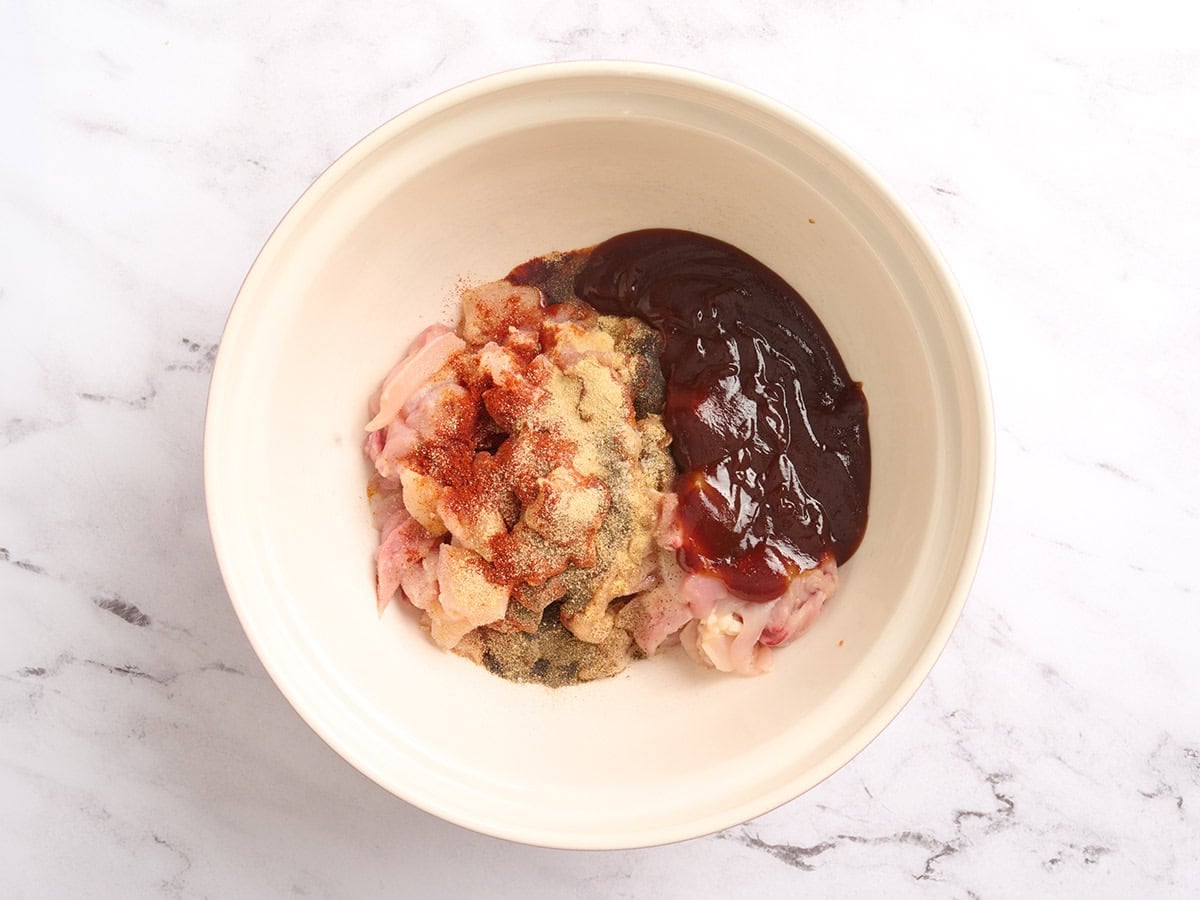
Protein Coating: The cubed chicken thighs are placed in a large mixing bowl.
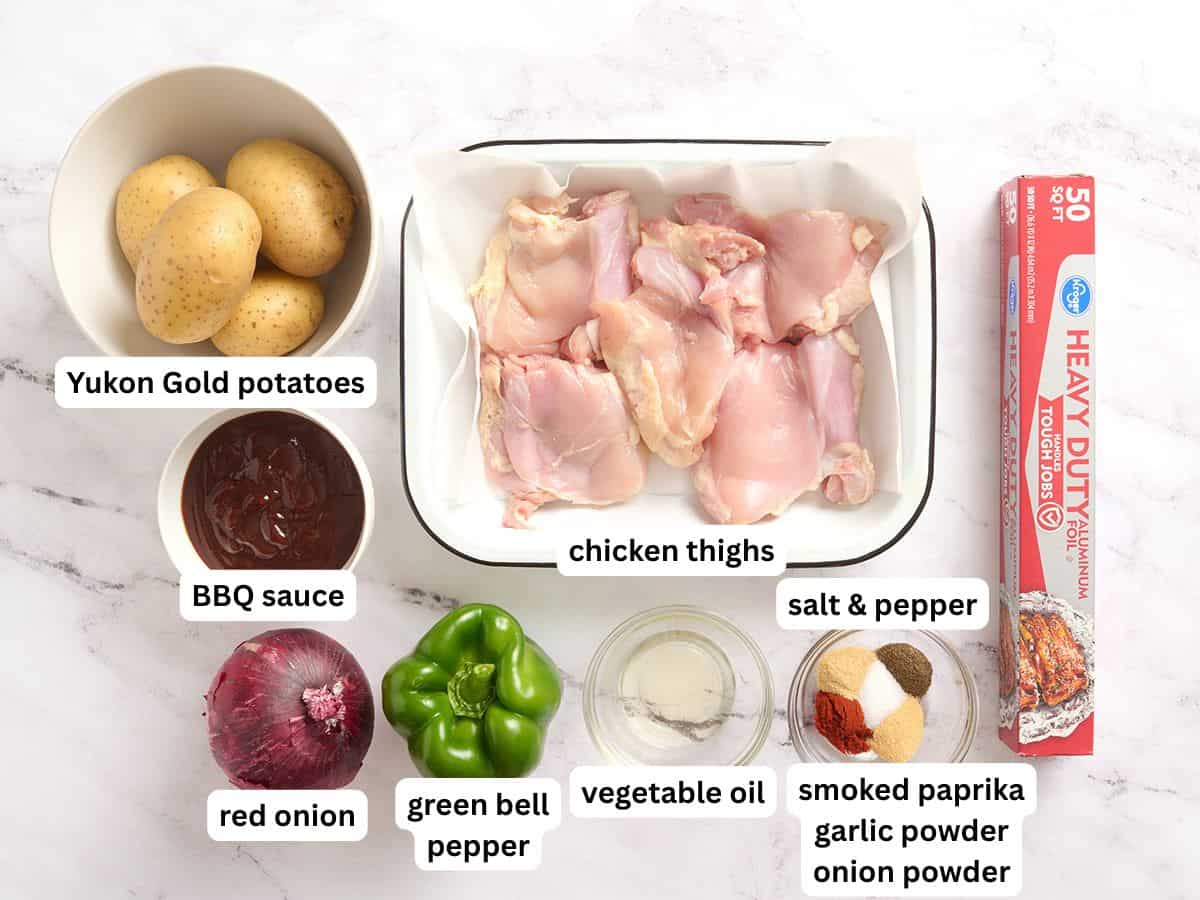
Spice Integration: The chicken is tossed with 1 tablespoon of vegetable oil, 2 teaspoons of smoked paprika, 1 teaspoon of garlic powder, 1 teaspoon of onion powder, 0.5 teaspoons of freshly cracked black pepper, 1 teaspoon of salt, and a baseline of 0.5 cups of commercial or homemade barbecue sauce.
Vegetable Incorporation: The prepped potatoes, peppers, and onions are added to the seasoned chicken. The mixture is thoroughly folded until the residual sauce and spice slurry evenly coats the exterior of the vegetables, establishing a uniform flavor profile.
Phase 3: Structural Packet Construction
The containment of moisture and steam is critical to the thermal dynamics of the foil packet:
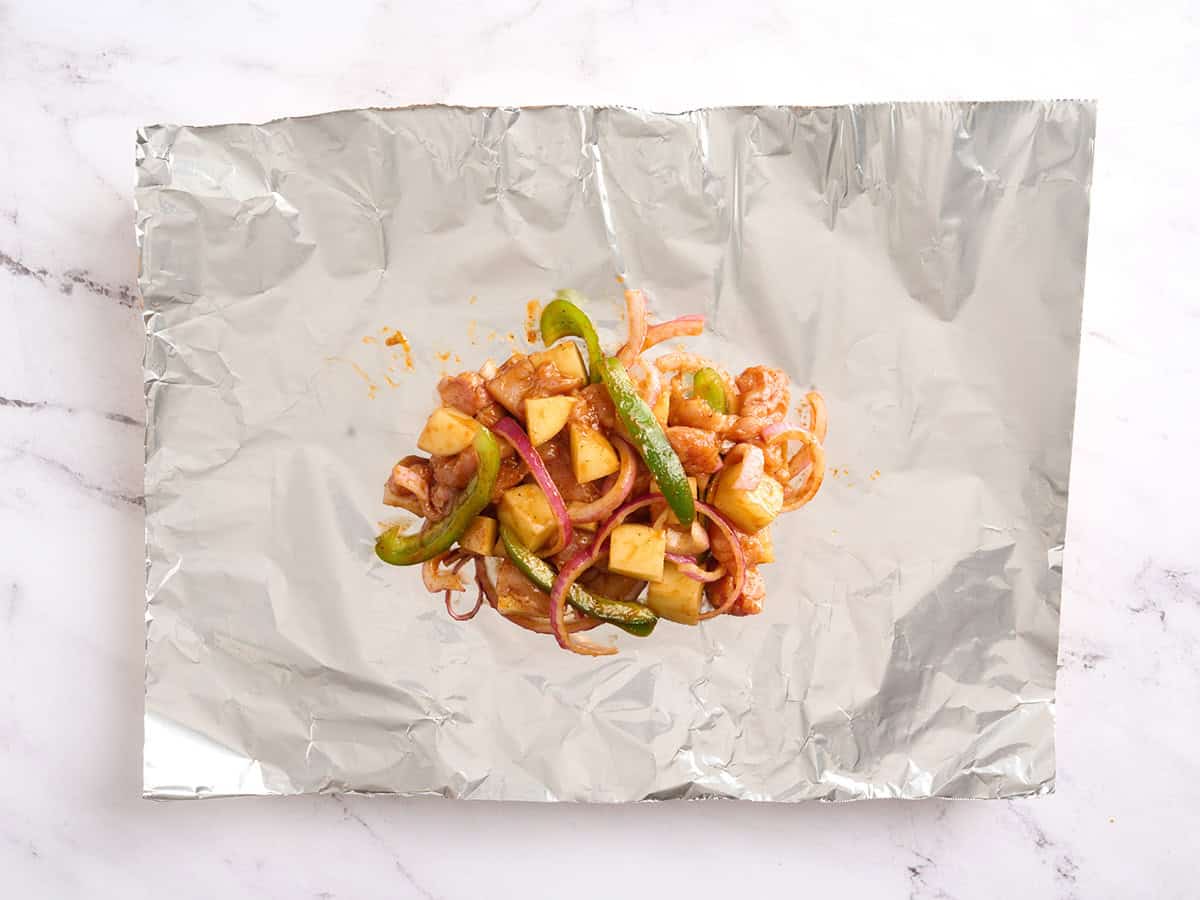
Foil Selection: Four sheets of heavy-duty aluminum foil, measuring 12×18 inches each, are laid flat. If heavy-duty foil is unavailable, developers mandate the use of eight sheets of standard household foil, doubled up to prevent punctures.
Layering Strategy: One-quarter of the chicken and potato mixture is deposited directly in the center of each sheet. The heavier starches and proteins are placed first, with the peppers and onions distributed on top to allow their vaporizing juices to baste the lower layers.
The Double-Fold Seal: The long edges of the foil are brought together over the food, folded over twice to create a primary seam. The remaining open ends are folded inward and upward, sealing the packet securely.
Expansion Space: Cooks are instructed to leave a pocket of air between the food and the top fold. This allows steam to expand and circulate, mimicking a mini-convection chamber.
Phase 4: Thermal Application
The packets are subjected to direct or indirect dry heat:
Grill Method: Sealed packets are placed directly onto a preheated grill at 425°F. They are cooked for 20 to 25 minutes, with tongs used to gently flip the packets at the exact halfway mark (approximately 11 minutes) to prevent bottom-scorching.
Oven Method: Packets are arranged on a commercial-grade rimmed sheet pan and baked in a preheated convection or conventional oven at 425°F for 25 to 30 minutes.
Safety and Tenderness Verification: A single packet is carefully opened—venting steam away from the cook’s face. A digital probe thermometer must register an internal temperature of 165°F (74°C) in the thickest piece of chicken, and the potatoes must yield easily to a fork.
Phase 5: The Finishing Glaze
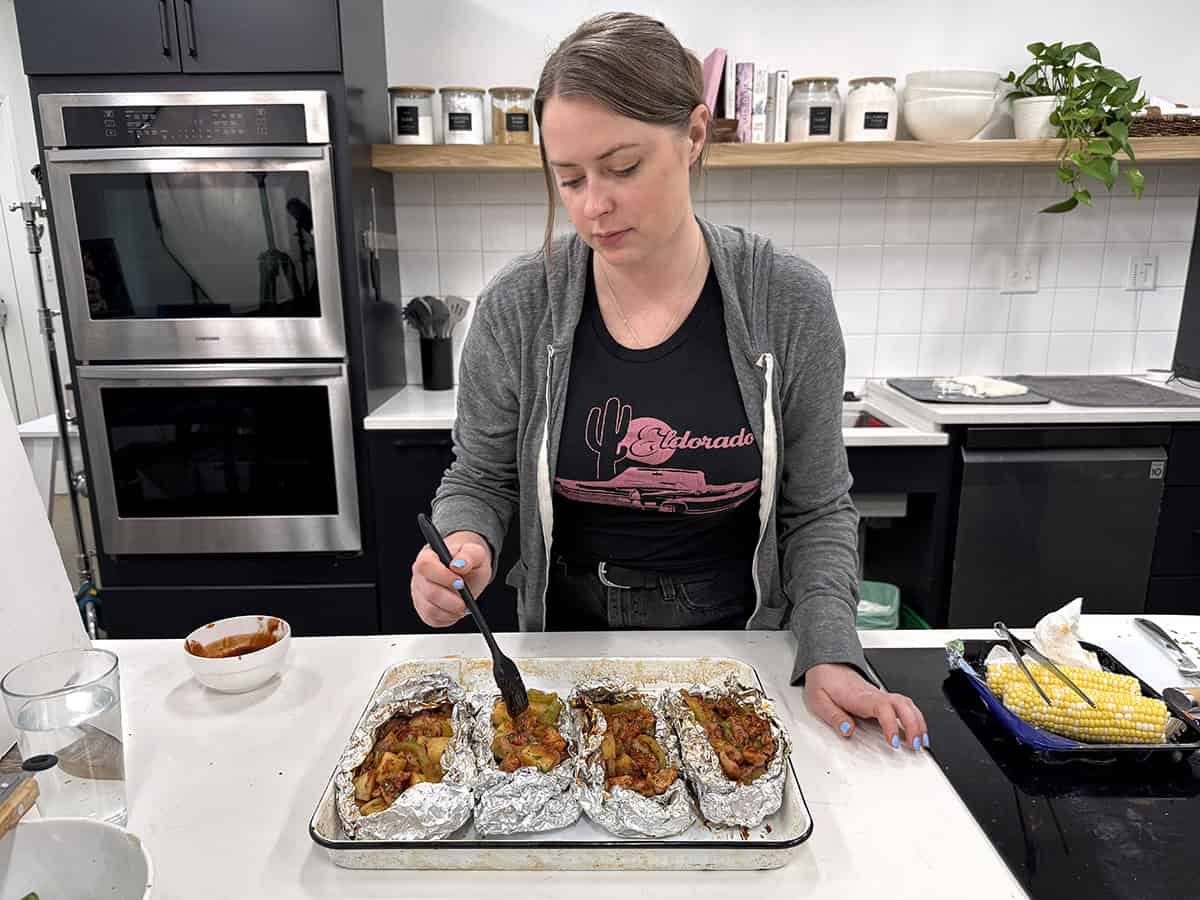
Basting: Once cooked, the packets are carefully opened, exposing the caramelized contents.
Final Application: An additional 0.25 cups of fresh barbecue sauce is brushed across the hot chicken and vegetables, providing a glossy, highly flavorful finish immediately before serving.
Supporting Data and Economic Analysis
To understand why this recipe is highly viable for budget-conscious demographics, the Nashville Test Kitchen analyzed the financial, structural, and nutritional metrics of the dish.
Granular Financial Breakdown
The recipe’s $10.45 price point is achieved through strategic ingredient selection and bulk sourcing strategies:
Ingredient Category
Quantity
Estimated Cost
Cost-Saving Strategy
Boneless, Skinless Chicken Thighs
1.5 lbs
$4.50
Sourced via wholesale "value packs"; frozen and portioned.
Yukon Gold Potatoes
1.5 lbs
$1.80
Purchased in bulk 5lb bags; unpeeled to reduce yield loss.
Green Bell Pepper
1 unit
$0.85
Sourced seasonally; high volume-to-cost ratio.
Red Onion
1 unit
$0.70
Highly stable storage life; purchased in multi-packs.
Barbecue Sauce
0.75 cups
$1.20
Store-brand utility sauce or batch-made scratch sauce.
Spices & Oil pantry staples
Misc.
$0.60
Purchased in bulk canisters (Paprika, Garlic, Onion powder).
Heavy-Duty Aluminum Foil
4 sheets
$0.80
Sourced in bulk rolls; acts as both cooking vessel and plate.
Total Cost
4 Servings
$10.45
Cost Per Serving: $2.61
Macro-Nutritional Profile
The nutritional metrics of a single foil pack (one-quarter of the total recipe yield) demonstrate a balanced macro profile suitable for active lifestyles:
Note: The elevated sodium level (1299mg) is primarily driven by commercial barbecue sauce formulations. Consumers monitoring sodium intake can easily mitigate this metric by transitioning to a low-sodium, scratch-made vinegar-and-tomato-based sauce.
Official Responses and Developer Insights
During the post-testing review in the Nashville Test Kitchen, lead developer Jennie Alley provided critical insights into the design decisions that shaped the final recipe.
Protein Dynamics: Thighs vs. Breasts
Addressing the choice of chicken thighs over chicken breasts, Alley highlighted the structural tolerance of dark meat:
"We intentionally designed this recipe around boneless, skinless chicken thighs. In high-heat, enclosed steaming environments like a foil packet, breast meat is highly unforgiving. If a cook leaves the packet on the grill for even five minutes too long, lean breast tissue quickly dries out. Thigh meat contains a higher concentration of intramuscular fat and connective tissue, which bastes the meat from within. This ensures the chicken remains tender and juicy even if the potatoes require a few extra minutes to soften."
For home cooks determined to use chicken breast, Alley added a technical caveat:
"If you must substitute breast meat, you must monitor the thermal curve closely. Cut the breast meat into slightly larger chunks than the potatoes, and begin checking the internal temperature at the 18-minute mark to prevent overcooking."
Starch Selection: The Starch-to-Moisture Ratio
The kitchen’s selection of Yukon Gold potatoes over standard Russet or Idaho varieties was also highly deliberate:
"Russet potatoes have a high starch, low moisture content, which can result in a dry, mealy texture when cooked inside foil without significant added liquid. Yukon Golds, conversely, occupy a middle ground. They possess a naturally creamy texture and a thin, delicate skin. This allows them to absorb the aromatic steam generated by the onions and peppers while maintaining their structural shape without shedding their skins."
Implications for Modern Culinary and Household Trends
The emergence of standardized, high-efficiency foil pack recipes aligns with several broader macroeconomic, cultural, and environmental shifts currently reshaping consumer behavior.
1. The Rise of "Zero-Cleanups" Cooking
As dual-income households face increasing time poverty, the appeal of recipes that eliminate post-cooking cleanup has surged. Because the foil packet serves as both the cooking vessel and the consumption plate, domestic water usage and detergent costs are virtually eliminated. In an era where "one-pot" meals have dominated culinary search trends, the "zero-pot" foil pack represents the logical conclusion of convenience-focused food design.
2. Economic Adaptation and "Inflation-Proofing"
With restaurant menu prices rising faster than the general consumer price index, middle-class consumers are actively seeking "copycat" experiences at home. The BBQ Chicken Foil Pack replicates the sensory experience of a commercial smokehouse—specifically the char, caramelization, and deep spice profile—at a fraction of the cost, helping families maintain lifestyle satisfaction without incurring restaurant-associated debt.
3. The Modern Outdoor Recreation Boom
The resurgence of camping, overland travel, and backyard gathering has renewed interest in camp-friendly meal preparation. These foil packs can be fully assembled up to 24 hours in advance, packed into a cooler, and placed directly onto a campfire grate or a portable camping stove. This utility bridges the gap between domestic meal prep and rugged outdoor recreation, offering a nutritious alternative to freeze-dried backpacking rations or processed campfire foods.