Street Food Safety in Pune: Study Reveals Widespread Regulatory Noncompliance
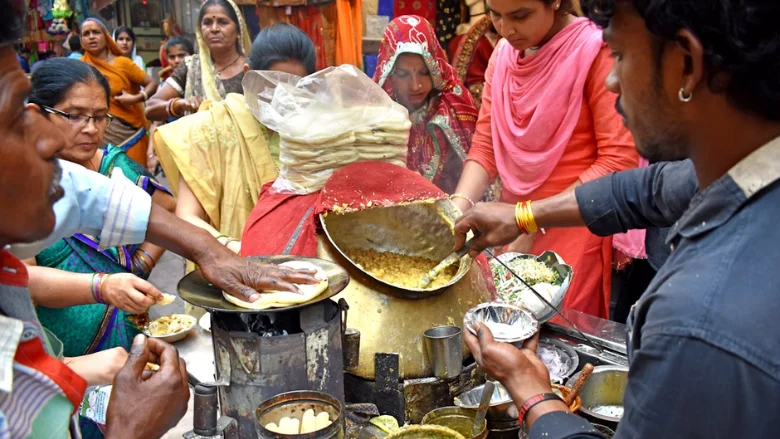
The vibrant street food culture of Pune, India, is a cornerstone of the city’s social fabric, offering accessible and culturally rich culinary experiences to millions. However, a comprehensive new study published in the journal BMC Public Health has cast a stark light on the public health risks inherent in this sector. Researchers from Bharati Vidyapeeth Medical College have unveiled a concerning reality: nearly 70 percent of street food vendors in the city fail to meet the regulatory benchmarks set by the Food Safety and Standards Authority of India (FSSAI).
The study, which conducted a granular analysis of 170 vendors between May and December 2025, highlights a pervasive gap between government safety mandates and the operational realities of street-side food service. With deficiencies ranging from inadequate sanitation infrastructure to poor personal hygiene, the findings suggest that without targeted intervention, the informal food sector remains a significant, unaddressed variable in the city’s public health landscape.
The State of Compliance: A Statistical Overview
The research team employed a rigorous methodology, utilizing the standardized FSSAI inspection checklist to evaluate vendors across four critical domains: Design and Facilities, Control of Operations, Maintenance and Sanitation, and Personal Hygiene. The results of this cross-sectional study are sobering.
Out of the 170 vendors surveyed, a staggering 68.8 percent were classified as noncompliant. A further 13.5 percent were deemed to be in "need of improvement," while only 17.6 percent achieved satisfactory compliance levels. Perhaps most notably, not a single vendor evaluated managed to achieve the "Compliance-Exemplar" rating—the gold standard of food safety operation.
Key Data Points:
- Total Sample Size: 170 vendors.
- Noncompliance Rate: 68.8%.
- Satisfactory Compliance: 17.6%.
- Exemplar Status: 0%.
- Training Access: Only 21.8% reported receiving any formal food safety training.
While the data paints a grim picture, there is a glimmer of operational success: 83.5 percent of vendors demonstrated compliance with established "thorough cooking" requirements. This suggests that while vendors understand the necessity of heat-treating food to prevent immediate foodborne illness, the surrounding environmental controls—such as handwashing, waste management, and equipment sanitization—are significantly lagging.
Chronology of the Investigation
The study, which took place over the latter half of 2025, followed a structured timeline to ensure data integrity and minimize observer bias.
- May 2025: Researchers finalized the use of the FSSAI inspection checklist and commenced initial site visits to define the scope of the field practice area in Pune.
- June–November 2025: The core data collection phase occurred. Researchers conducted onsite, unannounced observations to ensure that findings reflected daily operations rather than prepared performances. Face-to-face interviews were held to capture socioeconomic context, training history, and vendor awareness.
- December 2025: Final data synthesis was completed, incorporating observations regarding infrastructure, such as the availability of potable water and proper waste disposal systems.
- Early 2026: Peer review and subsequent publication in BMC Public Health disseminated these findings to the broader scientific and public health communities.
The "Personal Hygiene" Gap: Behavioral Deficiencies
One of the most concerning aspects of the report involves personal hygiene practices. In the context of street food, where vendors often handle both currency and food, the lack of rigorous hygiene is a primary vector for contamination.
The study found that while 54.1 percent of vendors engaged in handwashing before or after handling food, the quality and consistency of these practices remain questionable. Alarmingly, less than half of the surveyed vendors met the basic requirements for clean appearance and the use of protective clothing (such as aprons or hairnets).
Perhaps most disturbing is the report’s finding that only 29.4 percent of vendors strictly refrained from smoking, chewing tobacco, or spitting while actively handling food. These habits are not merely breaches of professional etiquette; they are direct contributors to the physical and biological contamination of ready-to-eat products, posing a high risk for the transmission of pathogens to the consumer.
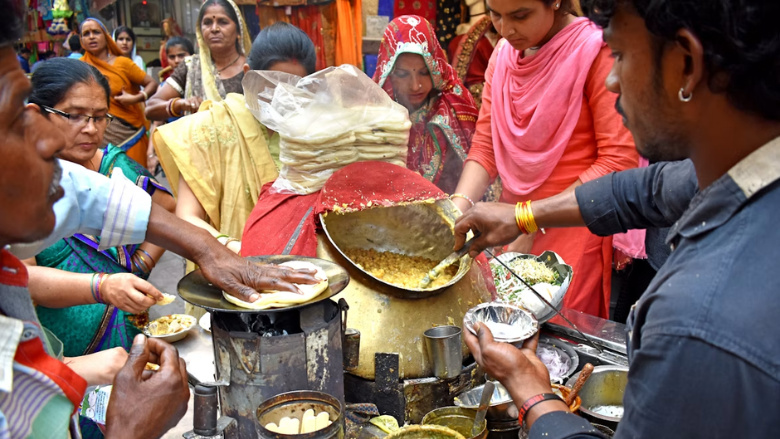
Socioeconomic Drivers and Structural Challenges
The research team delved deeper than surface-level observations to understand why these noncompliance rates are so high. By utilizing generalized linear models, the researchers correlated audit scores with the socioeconomic realities of the vendors.
Infrastructure and Financial Constraints
The data reveals a direct link between income levels and compliance scores. Vendors in lower income brackets consistently scored lower across all four evaluated domains. This suggests that noncompliance is often not a choice, but a byproduct of systemic financial instability. Without the capital to invest in basic infrastructure—such as portable handwashing stations, hygienic food covers, or proper waste storage containers—vendors are functionally unable to meet the FSSAI’s stringent requirements.
The Training Void
A significant contributor to the current crisis is the lack of institutional support. With only 21.8 percent of vendors having received any form of food safety training, the vast majority of street-side food service providers are operating without the knowledge base required to mitigate health risks. The absence of mandatory, pre-placement medical examinations for staff also correlates with lower sanitation scores, indicating that the health status of the workforce is largely unmonitored.
Implications for Public Health Policy
The publication of these findings serves as a clarion call for the local and state government to rethink the regulation of the informal food sector. The researchers argue that a punitive approach—simply increasing the frequency of fines or inspections—is unlikely to yield results given the underlying socioeconomic pressures identified in the study.
Toward a Collaborative Framework
The authors of the study suggest a multifaceted intervention strategy:
- Accessible Training Programs: The government should facilitate free or low-cost food safety training sessions tailored to the language and time constraints of street vendors.
- Infrastructure Investment: Local municipalities should consider the development of "safe zones" for street food, equipped with communal access to clean water, reliable sewage disposal, and adequate waste management systems.
- Medical Support: Subsidizing or providing free annual medical screenings for street vendors would improve public safety and allow for early identification of potential disease carriers.
- Regulatory Support: Rather than focusing solely on enforcement, regulatory bodies could act as partners, offering guidance on how to upgrade stall designs to meet FSSAI standards on a budget.
Limitations and Future Outlook
While the findings are robust within the context of the study area, the authors are careful to note the limitations of their work. Because the study was cross-sectional—meaning it captured data at a single point in time—it cannot definitively establish causality between specific behaviors and instances of foodborne illness. Furthermore, the study was localized to one specific area in Pune. While the findings are likely reflective of broader trends in urban India, they cannot be generalized across every region or culture without further, wider-scale research.
The BMC Public Health report underscores a critical truth: street food is a vital economic engine, but it is one currently operating on a fragile foundation of health safety. The path forward lies in integrating these informal vendors into the formal public health framework through education, infrastructure support, and evidence-based policy.
As urban centers continue to expand and the reliance on street-side convenience grows, the mandate for the FSSAI and municipal governments is clear: the safety of the city’s food supply is inextricably linked to the empowerment and regulation of the people serving it. The transition from widespread noncompliance to a culture of safety will require a concerted effort that prioritizes public health as a shared, communal responsibility.
For further insights on food safety practices, hygiene standards, and regulatory updates, professionals in the industry are encouraged to utilize resources such as the "Ask FSM" AI tool, designed to provide rapid, evidence-based answers to complex food safety inquiries.