The Art of the Batch: Mastering Chipotle-Style Black Beans for Your Freezer Stash
In the modern culinary landscape, the intersection of health, convenience, and fiscal responsibility has birthed the "Meal Prep" movement. At the center of this movement is a desire for high-quality, restaurant-inspired meals that can be accessed at a moment’s notice. For many, the gold standard of quick, assembly-line style dining is the iconic Chipotle-style black bean—a dish defined by its tender texture, earthy depth, and subtle smoky undertones.
This guide serves as a comprehensive deep dive into the craft of creating, storing, and utilizing these versatile legumes. Whether you are a fitness enthusiast looking to hit your macronutrient goals or a busy professional seeking to reclaim your lunch hour, these black beans offer a reliable, nutrient-dense solution.
Main Facts: The Nutritional Powerhouse
At the core of this recipe is a focus on simplicity and nutritional integrity. When prepared correctly, a serving of these Chipotle-style black beans—which makes a generous batch of ten servings—provides a balanced profile that fits seamlessly into a variety of dietary patterns, including vegan, vegetarian, and gluten-free lifestyles.
Per Serving Nutritional Breakdown:
- Calories: 180 kcal
- Carbohydrates: 30g
- Protein: 10g
- Fat: 2.2g
- Fiber: 7.3g
The standout statistic here is the fiber content. With over 7 grams of fiber per serving, this dish supports digestive health and satiety, making it an excellent base for high-volume, low-calorie burrito bowls. The protein-to-carb ratio is equally impressive, providing a sustainable source of energy that prevents the mid-afternoon blood sugar crash common with highly processed convenience foods.
Chronology: The Journey from Dry Bean to Freezer
Great cooking is an exercise in patience. To achieve the perfect texture that mimics the signature bite of restaurant-grade beans, one must respect the process. The total time required is approximately 9 hours and 45 minutes, though the vast majority of this time is entirely hands-off.
1. The Soaking Phase (8 Hours)
The process begins with the soak. While many home cooks opt for canned varieties to save time, batch-prepping from dry beans offers superior control over texture and sodium levels. By soaking the beans for at least eight hours, you ensure even hydration. This step is critical; it shortens the cooking time and ensures that the beans do not split or turn to mush during the simmer.
2. The Prep Phase (15 Minutes)
Once the beans have hydrated, the active prep work is minimal. This phase involves preparing the aromatics—typically onions, garlic, and the essential chipotle peppers in adobo sauce. These ingredients provide the foundational smoky heat that distinguishes this recipe from a standard pot of seasoned beans.
3. The Cooking Phase (1 Hour and 30 Minutes)
The beans are then brought to a simmer. It is during this time that the starches in the beans release, thickening the liquid into a rich, flavorful broth that coats each bean. Monitoring the heat is crucial; a gentle, consistent simmer is the secret to ensuring the skins remain intact while the interior becomes creamy.
Supporting Data: Why Batch Prep Wins
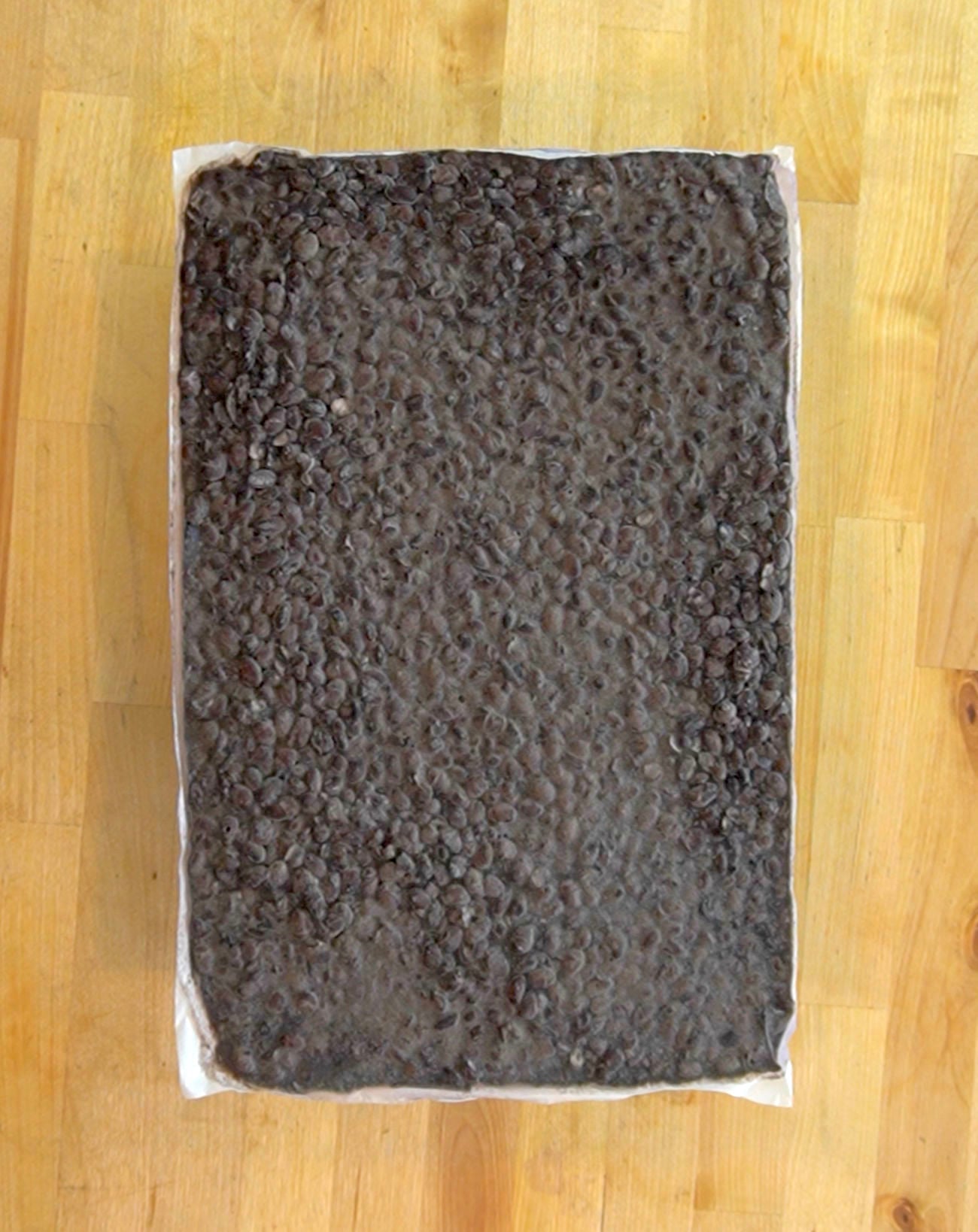
The concept of "Snack City"—the freezer storage strategy for meal preppers—relies on the ability of ingredients to withstand the freezing and reheating process without degradation. Black beans are uniquely suited for this.
Because they are essentially legumes suspended in a seasoned liquid, their cellular structure remains stable when frozen. Unlike vegetables that may become soggy, these beans retain their integrity. From a budgetary perspective, purchasing dry beans in bulk and preparing them at home can reduce the cost of a single serving by up to 70% compared to purchasing pre-made bowls or canned alternatives.
Furthermore, the "10-serving" batch size is strategically chosen. It aligns with the average work week, providing enough portions for two lunch-sized servings per day, or a mixture of lunch and dinner options, effectively eliminating the need for mid-week grocery store runs or expensive takeout.
Official Guidelines: Best Practices for Storage and Safety
To maximize the shelf life and quality of your batch-prepped beans, strict adherence to storage guidelines is advised.
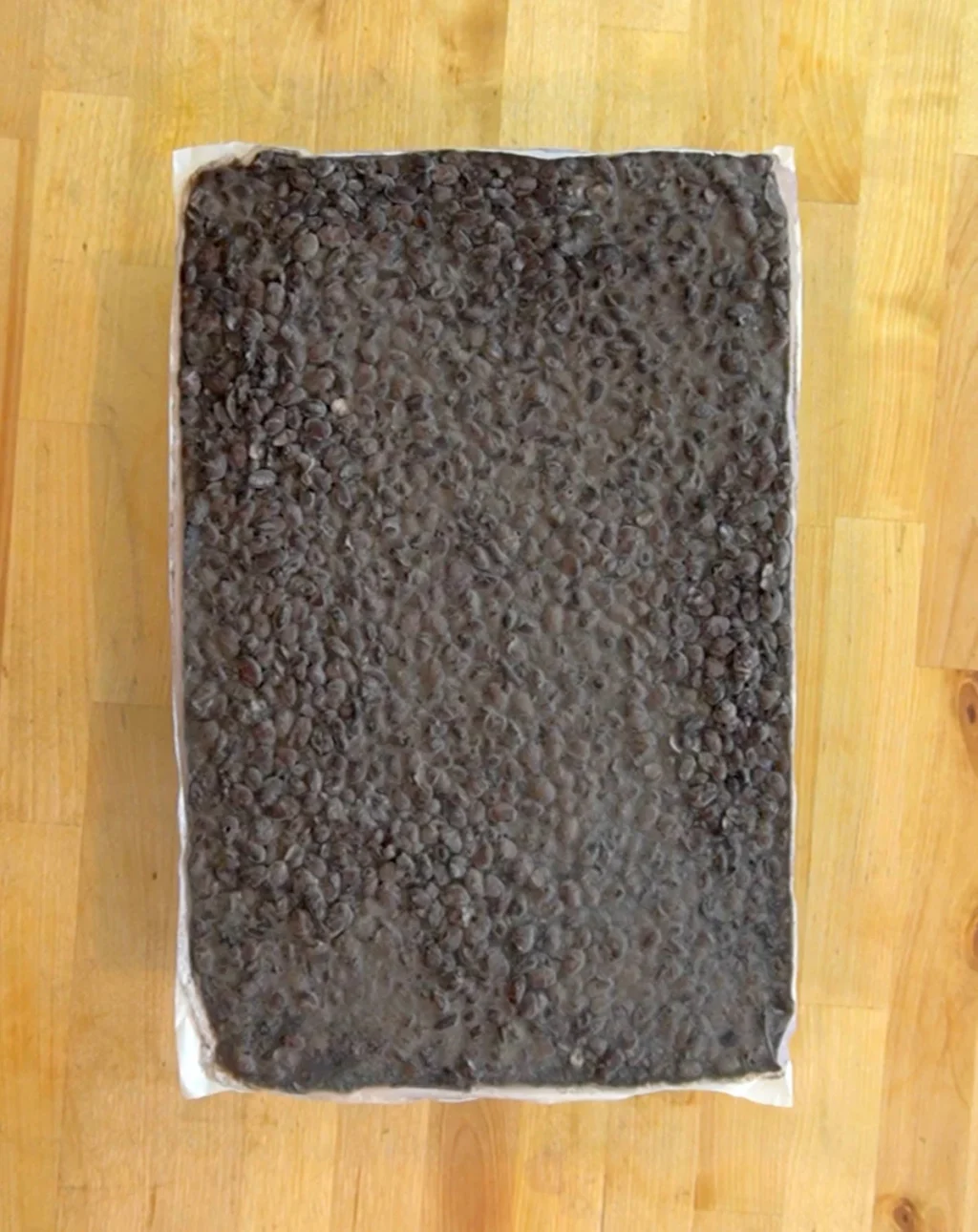
- Cooling: Never place boiling hot containers directly into the freezer. This can raise the internal temperature of the appliance and potentially compromise the safety of other stored goods. Allow the beans to reach room temperature before sealing.
- Portioning: Use airtight, freezer-safe containers. If possible, use glass containers to prevent the absorption of odors from other items in the freezer.
- Labeling: Always mark the containers with the date of preparation. While these beans can last for several months in a deep freeze, their peak quality is best enjoyed within the first 30 to 45 days.
- Reheating: When ready to eat, allow the container to thaw in the refrigerator overnight. Reheating on the stovetop with a splash of water or broth will help restore the original consistency of the sauce.
Implications: The Future of Home Meal Assembly
The trend toward "DIY convenience" reflects a broader shift in consumer behavior. As food costs fluctuate and the desire for transparency in ingredients grows, the ability to control exactly what goes into one’s body becomes a form of empowerment.
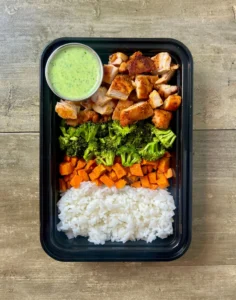
By mastering a staple like these Chipotle-style black beans, the home cook moves away from being a consumer of products and toward being a producer of meals. This recipe is more than a side dish; it is a modular component. When paired with brown rice, grilled chicken, fresh salsa, or avocado, these beans serve as the "anchor" for an endless variety of nutritious meals.
Addressing the Culinary Philosophy
Critics of meal prepping often point to the loss of "freshness" as a downside. However, the science of flash-freezing and proper storage suggests that when a dish is prepared in a large batch and cooled rapidly, it effectively pauses the degradation process. In many cases, a well-prepped freezer meal is more nutritionally dense than "fresh" produce that has spent days in transit or on a supermarket shelf.
Conclusion
The Chipotle-style black bean is a testament to the fact that high-quality food does not require constant labor. By dedicating less than two hours of active time, you can secure ten high-protein, fiber-rich meals that are ready whenever you are. Whether you are aiming for specific macronutrient targets or simply trying to streamline your weekly routine, this recipe provides the structure and flavor necessary to succeed in the kitchen.
As we look toward the future of home cooking, the emphasis on batch preparation—or what some might call "culinary efficiency"—is not merely a trend, but a sustainable way to maintain a healthy lifestyle in an increasingly fast-paced world. Remember: the secret to success in the kitchen isn’t always a complex recipe; sometimes, it is simply having the right tools, the right process, and a well-stocked freezer.