The Future of Efficiency: Mastering the Sheet Pan Teriyaki Chicken Meal Prep
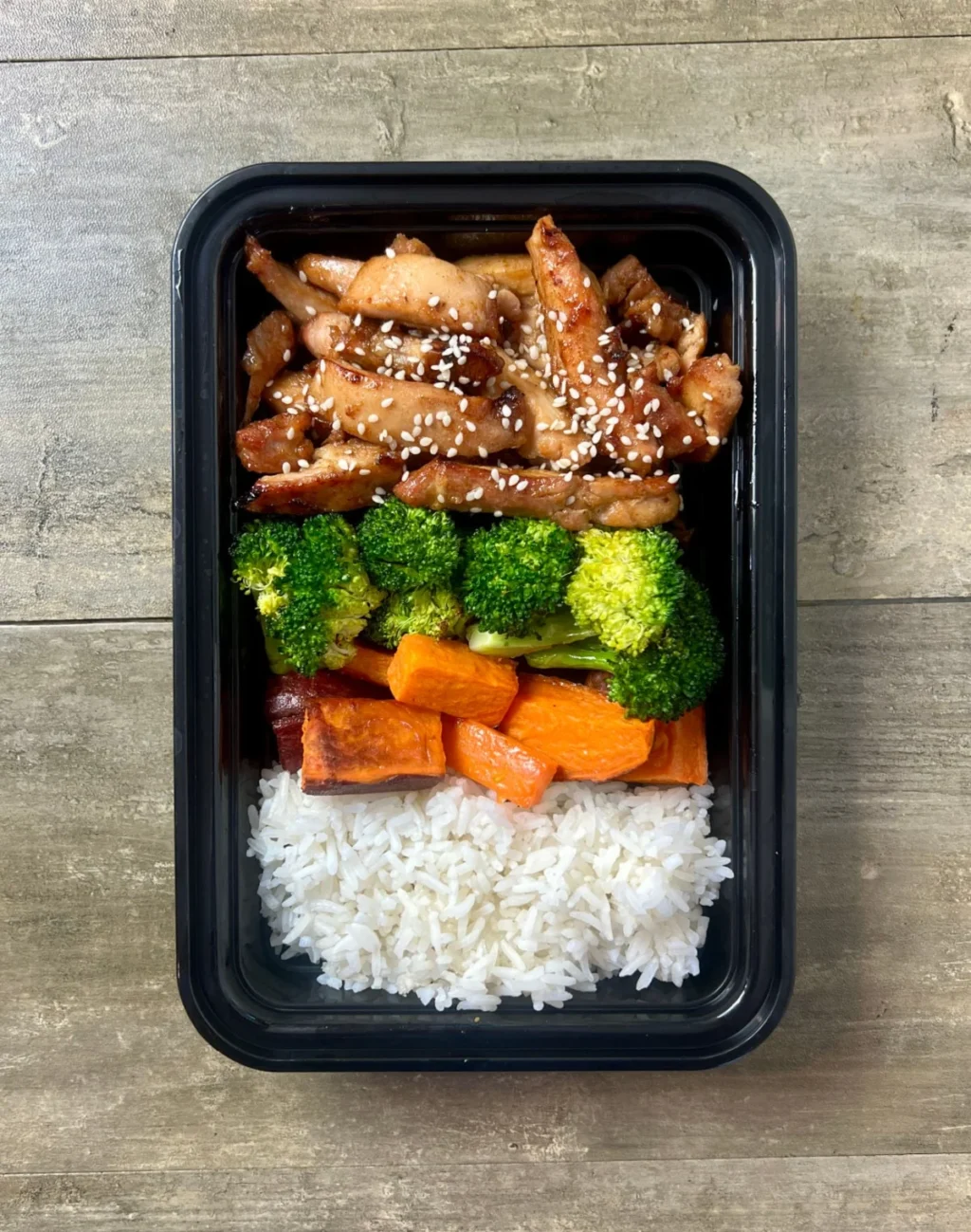
In the modern landscape of high-performance nutrition, the ability to balance rigorous professional schedules with health-conscious dietary habits has become a defining challenge. As the "meal prep" movement evolves from a niche fitness trend into a mainstream lifestyle necessity, the demand for high-protein, nutritionally dense, and time-efficient recipes has reached an all-time high. Enter the Sheet Pan Teriyaki Chicken and Vegetables—a masterclass in culinary optimization that promises to streamline the kitchen experience without sacrificing the palate.
This article explores the technical breakdown, nutritional architecture, and broader implications of adopting a "sheet-pan-first" approach to weekly meal preparation.
The Core Concept: Efficiency Through Engineering
At its heart, the Sheet Pan Teriyaki Chicken is an exercise in thermodynamic efficiency. By utilizing the oven to simultaneously roast protein and produce, the recipe eliminates the need for multiple stovetop stations and labor-intensive pan-frying. This method is particularly effective for those seeking to maintain a consistent caloric intake—specifically 550 calories per serving—without spending hours in the kitchen.
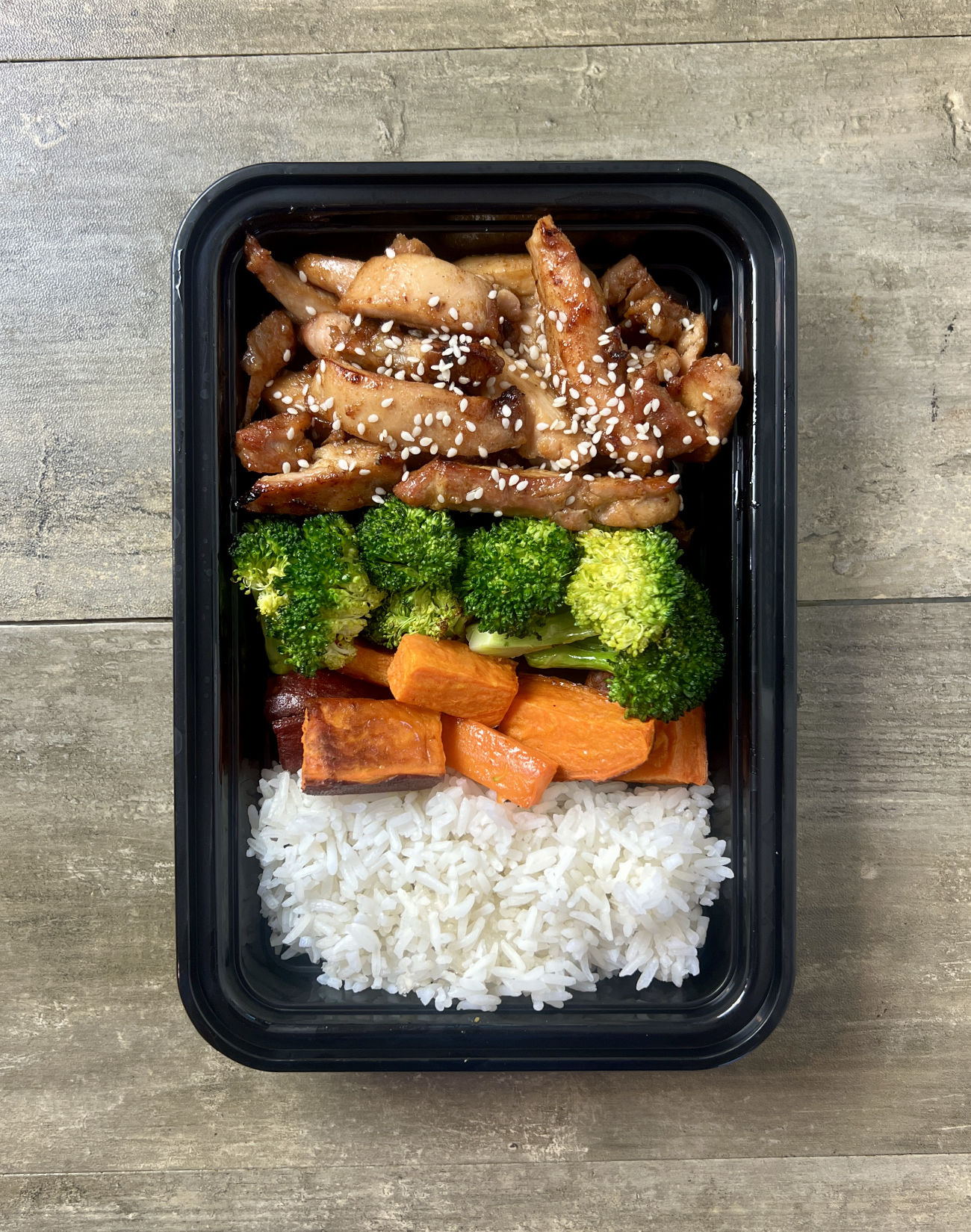
The composition is straightforward yet sophisticated: succulent chicken thighs (the gold standard for flavor retention during reheating), fiber-rich sweet potatoes, and vitamin-dense broccoli, all unified by a homemade teriyaki glaze. By consolidating the cooking process onto a single baking sheet, the home chef minimizes cleanup and maximizes output, resulting in five distinct, ready-to-eat meals.
Chronology of Preparation: A Step-by-Step Workflow
For the professional or student operating on a tight schedule, the sequence of operations is paramount. The total preparation and cook time for this dish is approximately one hour, broken down into specific, manageable intervals.
1. Preparation Phase (20 Minutes)
Success begins with mise-en-place. Before the heat is applied, the chicken thighs must be trimmed of excess fat (or left intact, depending on your macronutrient targets) and cut into uniform pieces to ensure consistent cooking. Simultaneously, the sweet potatoes should be diced into cubes of equal size—typically one-half inch—to synchronize their roasting time with the broccoli florets.
2. The Thermal Transformation (40 Minutes)
The cooking phase is split into two distinct stages: roasting and broiling.
- Roasting: The chicken and root vegetables are placed in the oven at a high temperature, allowing the natural sugars in the sweet potatoes to caramelize while the chicken thighs render their fat.
- Broiling: The final five to ten minutes are dedicated to the broiler. This is the "finishing" phase, where the teriyaki sauce is applied to the chicken. The high-intensity radiant heat of the broiler caramelizes the sugars in the glaze, creating that signature "charred" effect that distinguishes restaurant-quality teriyaki from home-cooked versions.
3. Cooling and Portioning
Once removed from the oven, the components must be allowed to rest. This allows the internal juices of the chicken to redistribute, ensuring that the meat remains tender even after three days in the refrigerator. The meals are then portioned into five containers alongside a measured serving of steamed rice.
Nutritional Architecture: Data-Driven Dining
The primary appeal of this dish lies in its precise macronutrient profile. Designed for individuals tracking their intake for physical performance or weight management, the data is clear and consistent.
Per Serving Breakdown:
- Calories: 550 kcal
- Protein: 44g (Essential for muscle protein synthesis and satiety)
- Carbohydrates: 62g (Complex carbohydrates from sweet potatoes and rice provide sustained energy)
- Fat: 14g (Primarily from the chicken thighs, providing necessary fatty acids)
- Fiber: 4.94g (Promoting digestive health and stable blood glucose levels)
This distribution makes the dish an ideal "post-workout" meal or a reliable lunch option for professionals who require sustained focus throughout the afternoon. By controlling the ingredients in the teriyaki sauce—specifically by managing sodium and sugar content—the home cook can significantly outperform store-bought or restaurant-delivered alternatives, which often contain excessive preservatives and hidden fats.
The Evolution of the Teriyaki Glaze
A crucial component of this dish is the homemade teriyaki sauce. In professional culinary settings, the sauce is often reduced to a syrupy consistency that coats the protein without turning the vegetables into a soggy mess. The "secret" to the perfect sheet pan result is avoiding over-saucing during the initial roast.
The strategy is to reserve the majority of the sauce for the final broiling phase. This prevents the sugars from burning prematurely during the longer roasting cycle, ensuring a glossy, deep-brown finish that adheres perfectly to the chicken. By using high-quality soy sauce, ginger, and garlic, the flavor profile is elevated far beyond the standard bottled varieties.
Implications for the Modern Lifestyle
The adoption of the Sheet Pan Teriyaki Chicken model carries significant implications for modern dietary habits.
Economic Efficiency
The cost per serving is significantly lower than equivalent restaurant meals. By purchasing ingredients in bulk—specifically chicken thighs, which are often more cost-effective than breasts—and utilizing shelf-stable pantry staples like rice and spices, the average consumer can reduce their weekly food expenditure by a considerable margin.
Cognitive Load Reduction
Decision fatigue is a real phenomenon. By automating one of the three daily meals through Sunday-evening meal prep, individuals reclaim their mental bandwidth. The "What’s for lunch?" question is replaced by a pre-prepared, nutritionally balanced solution, reducing the likelihood of resorting to impulsive, less healthy food choices.
Sustainability and Waste Management
Sheet pan cooking is inherently efficient regarding energy consumption. Using one oven rack for the entire meal is more energy-efficient than using multiple burners. Furthermore, the practice of meal prepping encourages the consumption of whole produce before it spoils, directly contributing to a reduction in household food waste.
Official Recommendations and Best Practices
While the recipe is optimized for success, culinary experts suggest a few key "best practices" to ensure consistent results:
- Uniformity is Key: As mentioned in the preparation phase, size matters. If your sweet potato cubes are too large, they will remain undercooked while the broccoli turns to mush. A sharp chef’s knife and consistent dicing are your best tools.
- Moisture Control: Before tossing the vegetables in oil and seasonings, ensure they are thoroughly patted dry. Excess moisture creates steam, which prevents the vegetables from achieving a crisp, roasted texture.
- Storage Logic: If you are prepping for a full five-day week, store the meals in high-quality, airtight containers. For the final two days of the week, some users prefer to freeze their portions, which is an effective strategy for preserving the integrity of the sauce and the texture of the chicken.
Final Thoughts: A Blueprint for Success
The Sheet Pan Teriyaki Chicken is more than just a recipe; it is a blueprint for the modern, efficiency-minded individual. By leveraging the principles of mass-production within a domestic environment, it proves that healthy, high-protein eating does not have to be a labor-intensive chore.
As we look toward the future of nutrition, the intersection of culinary science and time management will continue to be the primary driver of home cooking innovation. Whether you are a fitness enthusiast looking to hit your macros or a busy professional seeking to reclaim your lunch hour, this recipe provides the framework needed to excel. By mastering the fundamentals of heat, timing, and portion control, you transform your kitchen from a space of daily labor into a station of consistent, high-performance output.
Embrace the sheet pan—your schedule, your budget, and your metabolism will thank you.