Federal Regulatory Overhaul: New Developments in GRAS Oversight and the Definition of Ultra-Processed Foods
By Adrienne Blume, M.A.
Director of Editorial and Industry Engagement, Food Safety Magazine
As of August 2026, the U.S. food regulatory landscape is undergoing a period of intense transformation. Under the Trump administration’s ambitious food policy agenda, two critical pillars of public health and safety regulation—the "Generally Recognized as Safe" (GRAS) rule and the formal definition of ultra-processed foods (UPFs)—have reached significant milestones.
The Office of Management and Budget (OMB) has recently signaled a shift in momentum for both initiatives, moving them from conceptual frameworks to concrete regulatory actions. For industry stakeholders, food safety professionals, and public health advocates, these developments represent a seismic shift in how food additives are scrutinized and how the nutritional quality of the American diet is monitored at the federal level.
The Evolution of GRAS Oversight: A Stricter Framework
For decades, the GRAS notification process has been the cornerstone of how the FDA manages the introduction of new food additives. The concept, which allows manufacturers to determine that an ingredient is safe for consumption based on expert consensus without formal FDA pre-market approval, has long been a subject of debate.
On July 31, 2026, the Office of Information and Regulatory Affairs (OIRA)—a branch of the OMB—officially completed its review of the FDA’s proposed rule to tighten GRAS oversight. This milestone, first introduced in the Unified Agenda in September 2025, marks the beginning of the end for the "self-determination" era of food safety.
The Need for Enhanced Scrutiny
The proposed rule seeks to amend the Code of Federal Regulations to ensure that the FDA maintains a more robust oversight role. Critics of the current system have long argued that the lack of mandatory reporting for GRAS substances creates a "black box" of ingredients that have not been adequately vetted for long-term health impacts.
By mandating stricter documentation and narrowing the scope of what qualifies as "Generally Recognized as Safe," the FDA intends to close the loopholes that have allowed for an influx of substances into the food supply with minimal regulatory intervention. The impending publication of this rule in the Federal Register will trigger a mandatory public comment period, providing industry representatives, consumer advocacy groups, and legal experts an opportunity to weigh in on the practical implications of these new requirements.
Chronology of Regulatory Movement
To understand the current state of these regulations, one must look at the timeline of events that have led to the present day.
- September 2025: The FDA announces its intention to issue a proposed rule to tighten GRAS oversight, appearing in the Unified Agenda.
- July 2025: The FDA and the U.S. Department of Agriculture (USDA) issue a joint Request for Information (RFI) to gather data on the risks and potential definitions of ultra-processed foods.
- October 23, 2025: The RFI period for UPF definitions closes, yielding a wide range of responses from industry stakeholders and public health researchers.
- March 2026: HHS Secretary Robert F. Kennedy Jr. suggests on the Joe Rogan Experience that a federal definition of UPFs is imminent, setting an April target.
- June 9, 2026: Bloomberg reports that the administration may lean toward using a UPF definition for research purposes rather than immediate restrictive regulation.
- July 31, 2026: The OMB/OIRA completes its review of the GRAS oversight rule.
- August 3, 2026: HHS and the FDA submit the whitepaper "Proposed Definition of Ultra-Processed Food" to OIRA, initiating the official review process.
Defining the "Ultra-Processed" Frontier
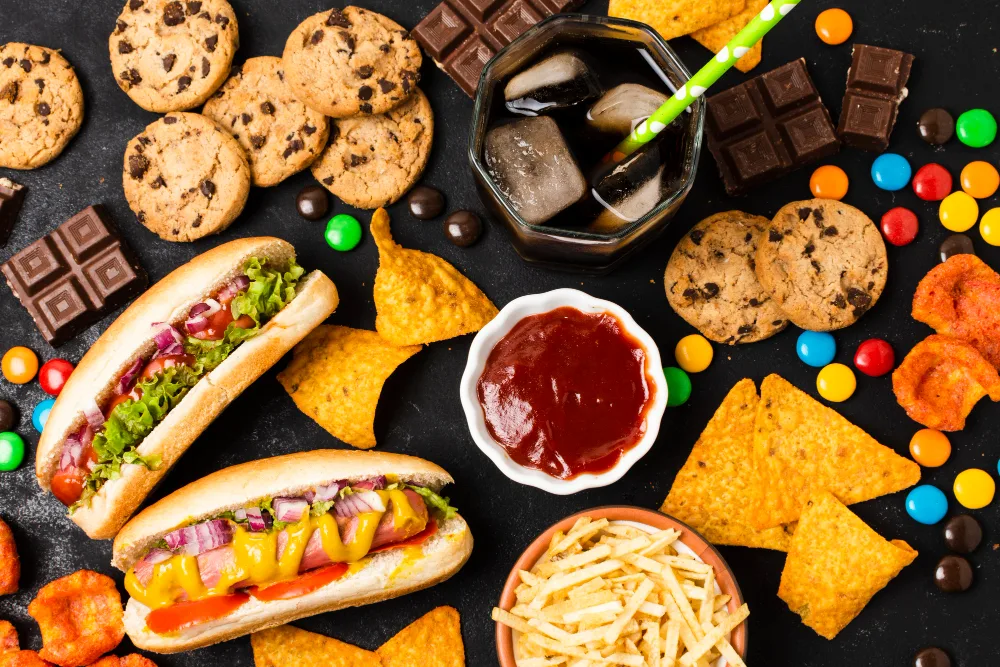
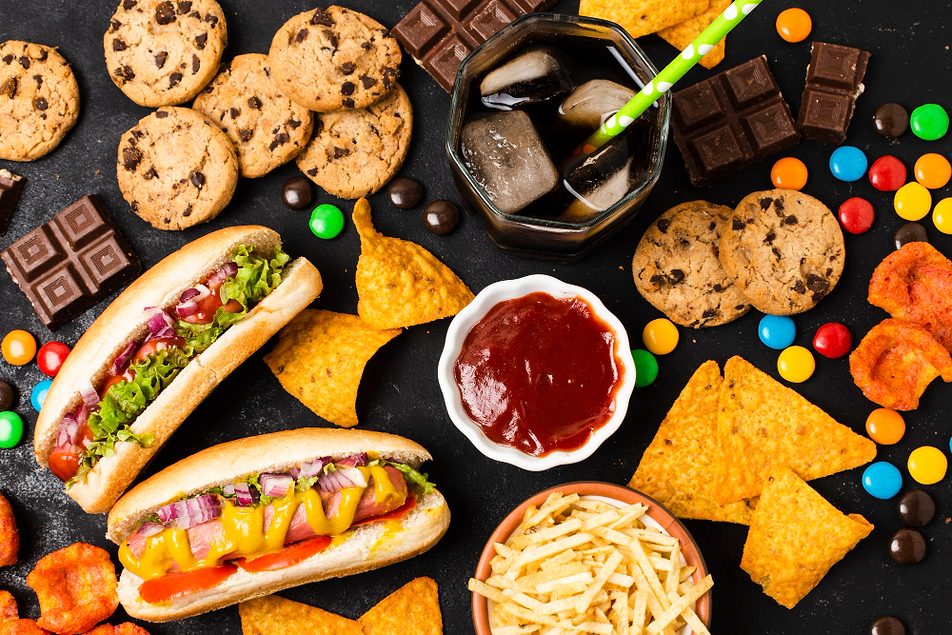
While the GRAS rule focuses on the safety of specific ingredients, the effort to define "ultra-processed foods" (UPFs) focuses on the nature of the food itself. This is a complex undertaking, as there is currently no single, authoritative, or legally binding definition of UPFs in the United States.
The Challenge of the NOVA Classification
Most global discussions regarding UPFs currently rely on the NOVA food classification system. Developed by researchers, the NOVA system categorizes foods into four groups based on the extent and purpose of industrial processing. Category 4—the "ultra-processed" category—includes items that are typically formulated from five or more ingredients. These often include additives that mimic the qualities of fresh foods, such as colorants, flavor enhancers, and emulsifiers, combined with substances rarely found in a home kitchen.
The difficulty for the FDA and USDA lies in translating this descriptive classification into a statutory definition that can withstand legal challenges and support enforceable policy.
Official Responses and Internal Debates
The road to a federal definition has been anything but linear. HHS Secretary Robert F. Kennedy Jr. has been a vocal proponent of addressing the health impacts of UPFs, though his timeline for action has shifted repeatedly. The recent submission of the whitepaper to OIRA on August 3, 2026, serves as the most concrete evidence to date that the administration is moving toward a formal, actionable policy.
However, internal deliberations remain. As reported by Bloomberg, there is significant debate within the administration regarding whether the UPF definition should be used to restrict product marketing or simply as a framework for future nutritional research and dietary guidelines. Using the definition solely for research would likely result in a faster issuance, whereas a regulatory application would require a more rigorous—and likely slower—administrative process.
Supporting Data: Why Now?
The urgency surrounding these regulations is fueled by a growing body of longitudinal data linking high consumption of UPFs to chronic health conditions, including obesity, type 2 diabetes, and cardiovascular disease.
According to data presented during the RFI process in 2025, UPFs account for a significant percentage of the daily caloric intake for the average American. Industry stakeholders are divided on the impact of a potential definition:
- Public Health Advocates argue that a clear, federally sanctioned definition is essential to shift consumer behavior and guide school lunch programs and federal nutrition assistance.
- Industry Stakeholders have expressed concerns regarding the economic impact, particularly if a definition leads to discriminatory labeling requirements or limits on ingredients that are currently classified as safe.
The complexity of the food supply chain means that any change in how we categorize "processed" versus "ultra-processed" will have cascading effects on labeling, manufacturing processes, and supply chain logistics.
Implications for the Future of Food Safety
As we move into the final months of 2026, the implications of these two regulatory efforts are profound.
Legal Vulnerabilities
Regarding the GRAS rule, questions remain about the FDA’s legal authority to curtail "self-determination." If the agency attempts to significantly restrict the ability of companies to determine the safety of their own additives, it is almost certain that the rule will face litigation from industry trade groups. The strength of the final rule will depend heavily on the FDA’s ability to demonstrate that the current system poses an unacceptable risk to public health.
Shifts in Industry Strategy
Food manufacturers are already preparing for a future where the "ultra-processed" label carries a regulatory weight. Many companies are beginning to review their formulations, looking for ways to "clean up" their ingredient lists to ensure that their products do not fall into the strict definitions currently being debated by the FDA and USDA.
The move toward a tighter GRAS oversight process will also force firms to invest more heavily in clinical trials and third-party safety assessments before bringing new ingredients to market. While this may increase the cost of R&D, it also offers a path toward greater consumer trust, which has become a competitive advantage in the modern food marketplace.
A New Regulatory Paradigm
The synergy between the GRAS rule and the UPF definition suggests a broader, more paternalistic role for the federal government in the food system. By tightening the safety net of individual ingredients (GRAS) and providing a macro-level categorization of finished products (UPFs), the government is signaling that the era of "let the buyer beware" is transitioning into a new era of "let the government monitor."
As these policies transition from the OIRA review stage to the public comment phase and eventually to final implementation, the food industry must remain vigilant. The ability to pivot, adapt, and provide scientific evidence for the safety and quality of food products will be the defining characteristic of successful food companies in the coming decade.
Looking Ahead: The Role of AI and Data
In this rapidly evolving environment, staying informed is more critical than ever. The integration of advanced tools, such as the Ask FSM smart search tool, allows professionals to quickly navigate the complex, shifting regulatory environment. As the FDA prepares to release the text of its proposed rules and the final whitepaper on UPFs, the ability to synthesize, analyze, and apply these regulations in real-time will be essential for maintaining compliance and public trust.
The coming months will undoubtedly be characterized by intense debate, public hearings, and significant lobbying. Whether these initiatives lead to a healthier food supply or simply a more complex regulatory landscape remains to be seen. What is clear, however, is that the U.S. government is no longer sitting on the sidelines of food policy. The landscape is changing, and the industry is on notice.
For further analysis on these regulatory developments and their impact on the food sector, continue to follow Food Safety Magazine’s coverage as we monitor the Federal Register for the next steps in the GRAS and UPF processes.