The Future of Global Connectivity: A Deep Dive into Holafly’s New Subscription-Based eSIM Plans
For decades, the ritual of international travel remained stubbornly consistent: upon landing in a new country, travelers would rush to find a local kiosk to purchase a physical SIM card, swap out their domestic chip, and hope that their phone remained compatible with the local network. This process was not only time-consuming but fraught with potential pitfalls, from lost SIM cards to unexpected roaming charges.
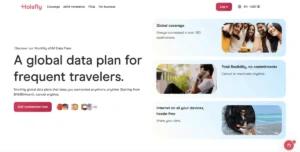
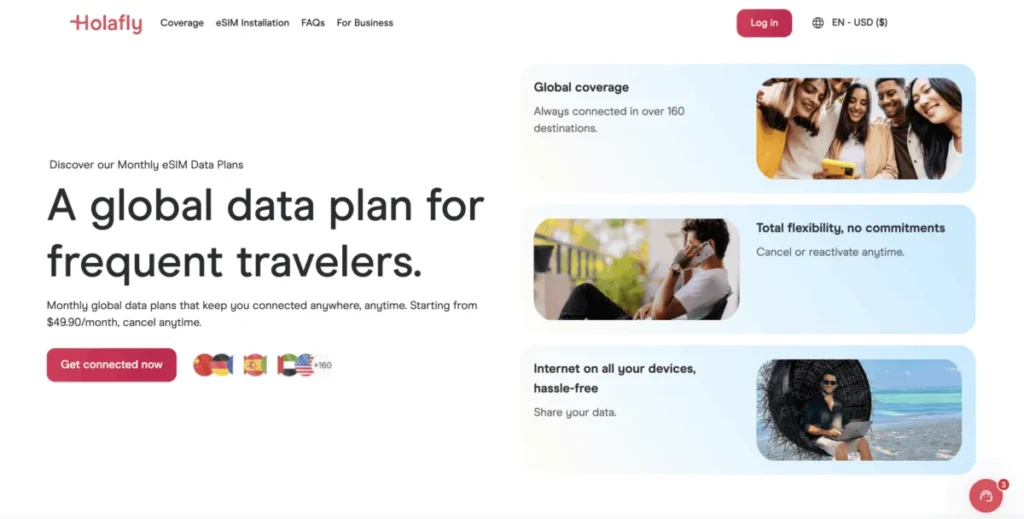
However, the rapid adoption of eSIM technology has begun to dismantle these barriers. As a frequent traveler who has tested dozens of digital connectivity solutions, I have found that while many providers offer functional, short-term data solutions, few have fundamentally changed the way we stay connected. That changed with the recent launch of Holafly Plans, a revolutionary, subscription-based eSIM model that offers a singular, ongoing connection across more than 160 destinations.
Main Facts: What Are Holafly Plans?
At its core, Holafly Plans represents a departure from the "one-off" purchase model that has dominated the travel connectivity industry. Instead of requiring users to buy, install, and configure a new eSIM for every individual country or region visited, Holafly Plans acts as a unified, global subscription.
The service is designed to function much like a traditional domestic mobile carrier, but with a global footprint. Once the eSIM is installed on a device, it remains active as the user moves across borders. There is no need to swap digital profiles or scan new QR codes when the airplane door opens in a new city. The system automatically detects the local network, reconnects, and provides seamless data access.
The service is available in two distinct tiers: Light and Unlimited. Both tiers utilize an ongoing subscription model—either monthly, quarterly, or annually—with no long-term contracts, allowing users to cancel at their convenience.

Chronology: The Evolution of Mobile Connectivity
To understand the impact of Holafly Plans, one must look at the progression of mobile data for travelers:
- The Physical Era: Historically, travelers relied on physical SIM cards. This required "unlocking" phones and navigating foreign-language menus at airport kiosks.
- The Early eSIM Era (2018–2022): The integration of eSIM technology into smartphone hardware allowed for the activation of cellular plans via software. While this removed the need for a physical card, the management of these plans remained trip-specific. Travelers still had to purchase a unique eSIM for each destination.
- The Subscription Era (2025–Present): With the introduction of Holafly Plans, the industry has shifted toward the "set it and forget it" model. By decoupling the data plan from specific geographic constraints, Holafly has aligned mobile connectivity with the lifestyle of the modern digital nomad, who may traverse three countries in a single week.
Supporting Data: Why the Subscription Model Wins
The economic and logistical advantages of a global subscription plan become clear when compared to traditional roaming or the fragmented purchase of single-trip eSIMs.
Comparative Analysis: Connectivity Costs
| Feature / Cost | Holafly Plans (Unlimited) | US Major Carrier Roaming | Single-Trip eSIMs |
|---|---|---|---|
| Monthly Cost | ~$55–$65 | $100–$300 | $60–$120 |
| Data Allowance | Unlimited | Throttled after threshold | Variable (5GB–10GB) |
| Hassle Factor | Near Zero | High (Setup/Cost) | High (Constant Swapping) |
| Hotspotting | Included | Often Restricted | Varies by Carrier |
For a digital nomad, the "hassle factor" is perhaps the most significant metric. The ability to maintain a single phone number (with options for US, UK, or Canadian numbers in the Unlimited tier) while maintaining unlimited data—including hotspot capabilities for laptops—is a game-changer for professional productivity on the road.
Furthermore, the inclusion of the "Always On" feature is a notable value-add. This feature provides 1GB of backup data every month for life, even if the primary subscription is canceled. It serves as a safety net, ensuring that travelers always have basic map and communication access the moment they land in a new destination.
Official Responses and Strategic Positioning
Holafly’s pivot toward subscription services comes in direct response to the growing demographic of "location-independent" workers. According to internal reports from the company, the demand for high-capacity, long-term data solutions has surged by over 40% in the last two years.
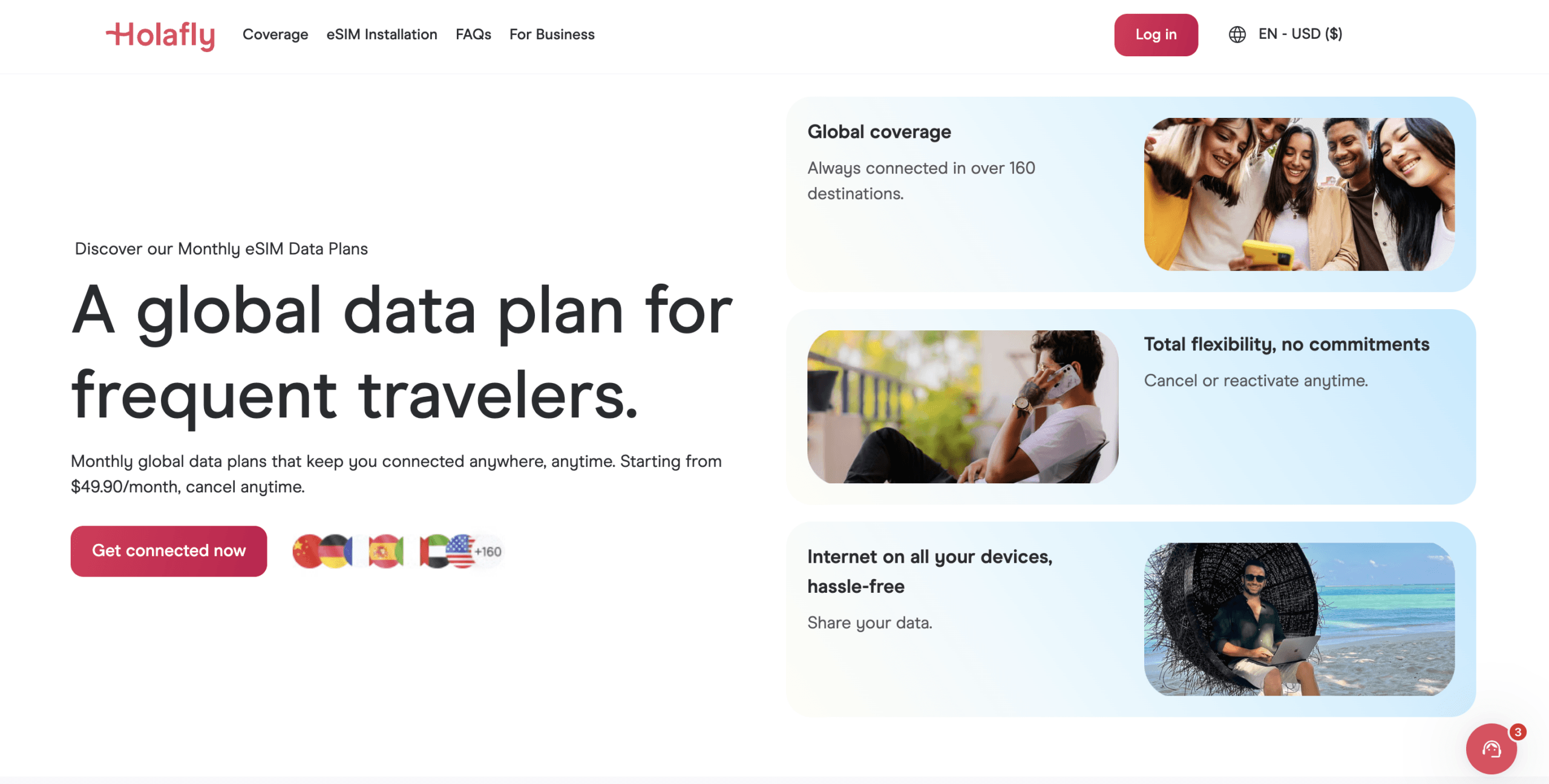
"The goal," notes the company’s product development team, "was to remove the friction of the border." By negotiating wholesale roaming agreements with major global carriers, Holafly has effectively bypassed the retail costs that plague individual consumers. This allows them to offer unlimited data at a price point that undercuts even the most "competitive" international plans offered by domestic US carriers like T-Mobile or Verizon, which often impose strict throttling or high daily roaming fees ($10–$15 per day).
Implications for the Modern Traveler
The implications of this shift are twofold: convenience and financial predictability.
The Financial Implication
For long-term travelers, the cost of "piecemeal" connectivity adds up. By subscribing to an annual plan, users can save up to 15% compared to monthly rates. When compared to the $10/day international add-on fees charged by traditional carriers, a heavy user can save thousands of dollars annually.
The Logistical Implication
The psychological burden of "connectivity anxiety"—the fear of losing access to maps, ride-sharing apps, or professional communication upon arrival—is significantly reduced. Because the plan is always active, the user experience is localized; the phone simply treats a new country as another cell tower to connect to, rather than a new "project" to set up.
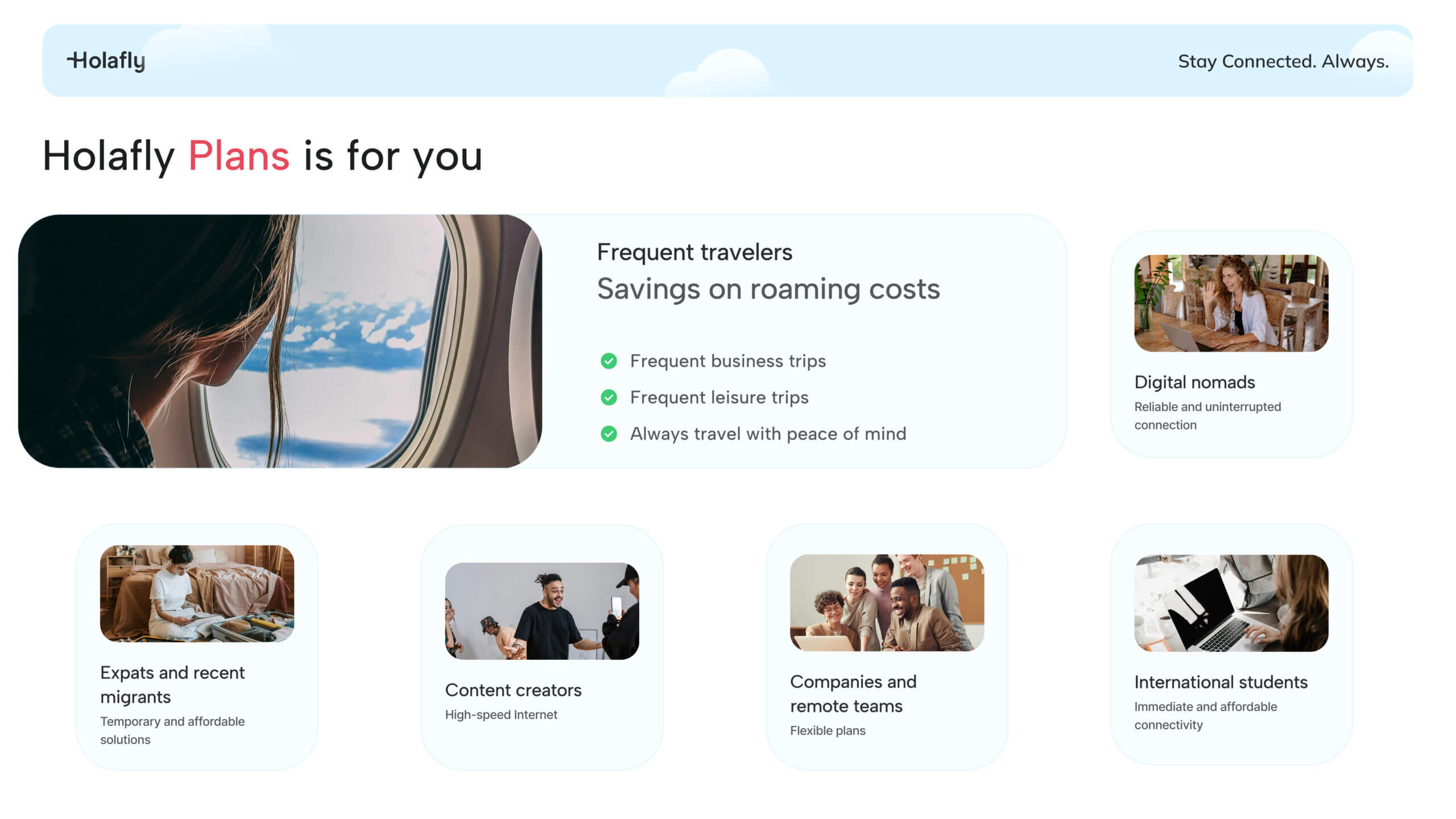
Who is this for?
- The Digital Nomad: Professionals who rely on consistent, high-speed data for video conferencing and large file transfers.
- The Frequent Global Traveler: Individuals who visit 5+ countries per year and find the constant management of single-trip eSIMs to be a distraction.
- The "Always-On" User: Anyone who refuses to deal with the limitations of throttled roaming or the risk of running out of data mid-trip.
Note: For the casual vacationer—someone taking a single, two-week trip per year—the classic, destination-specific eSIM remains the most cost-effective choice.
Conclusion: A New Standard for Global Mobility
Holafly Plans represents the next logical step in the evolution of mobile technology. By moving away from the transactional nature of regional data packs, the company has created a product that mirrors the globalized nature of modern life.
The combination of unlimited data, reliable hotspot tethering, and a backup "Always On" safety net creates a product that is not just a utility, but a fundamental component of the travel experience. As we move toward a future where "home" is increasingly fluid, the infrastructure that supports our digital lives must be equally flexible.
For those looking to streamline their travel setup, utilizing the promo code NOMADICMATT at checkout currently provides 10% off these new subscription plans, making it an opportune time to transition away from the antiquated, fragmented methods of the past. Whether you are a professional working from a beach in Thailand or a backpacker exploring the mountains of Madagascar, the ability to stay connected without a second thought is no longer a luxury—it is the new baseline for global travel.