The Ghost of Paradise: Why It’s Time to Reconsider Ko Lipe

Nineteen years is a lifetime in the world of travel. It is enough time for empires to shift, for technology to render old guidebooks obsolete, and for once-hidden corners of the globe to be unceremoniously unmasked by the relentless tide of mass tourism. In 2006, the Thai island of Ko Lipe was a sanctuary—a remote, sleepy speck in the Andaman Sea where electricity was a luxury provided only for a few hours a day and beachside bungalows were a humble, $2-a-night affair.
Today, that paradise has been fundamentally rewritten. After nearly two decades of absence, a recent return to the island revealed a stark reality: the "last boat for the season" mentality has been replaced by an industrial-scale tourism engine. While the azure waters remain, the soul of the island has been eroded by a relentless cycle of overdevelopment, leaving a cautionary tale for travelers and policymakers alike.
The Evolution of an Island: From Tranquility to Transit Hub
To understand the magnitude of the change, one must look at the chronology of Ko Lipe’s transformation. In the mid-2000s, the island functioned as an idyllic refuge for the "intrepid" traveler. The lifestyle was defined by simplicity: snorkeling, reading on the sand, and rotating between a handful of local restaurants. The island was a place where "days easily turned into weeks," not because of organized excursions, but because of a genuine sense of disconnection from the modern world.
However, the late 2010s marked a pivot point. As Thailand’s tourism board pushed to diversify beyond the saturated hubs of Phuket and Krabi, smaller islands like Ko Lipe were brought into the fold of major travel routes. The introduction of regular, high-capacity ferry links to Langkawi, Malaysia, transformed the island from a destination into a transit corridor.
By 2026, the transformation is complete. The dirt footpaths that once defined the island’s interior have been paved over with concrete to accommodate the influx of cars and construction trucks. The island has adopted the "Ko Phi Phi model"—a template of aggressive, high-density development that prioritizes volume over sustainability.
The Price of Progress: Data and Environmental Impact
The environmental cost of this boom is no longer a matter of speculation; it is visible to the naked eye. The island, which lacks a natural, sustainable water supply, now supports a sprawl of high-end resorts, each competing for the island’s limited resources.
The ecological indicators are dire:
- Coral Degradation: The reefs surrounding the island, once pristine, are suffering from the cumulative impact of heavy boat traffic, chemical runoff from sunscreens and soaps, and the physical damage caused by anchors.
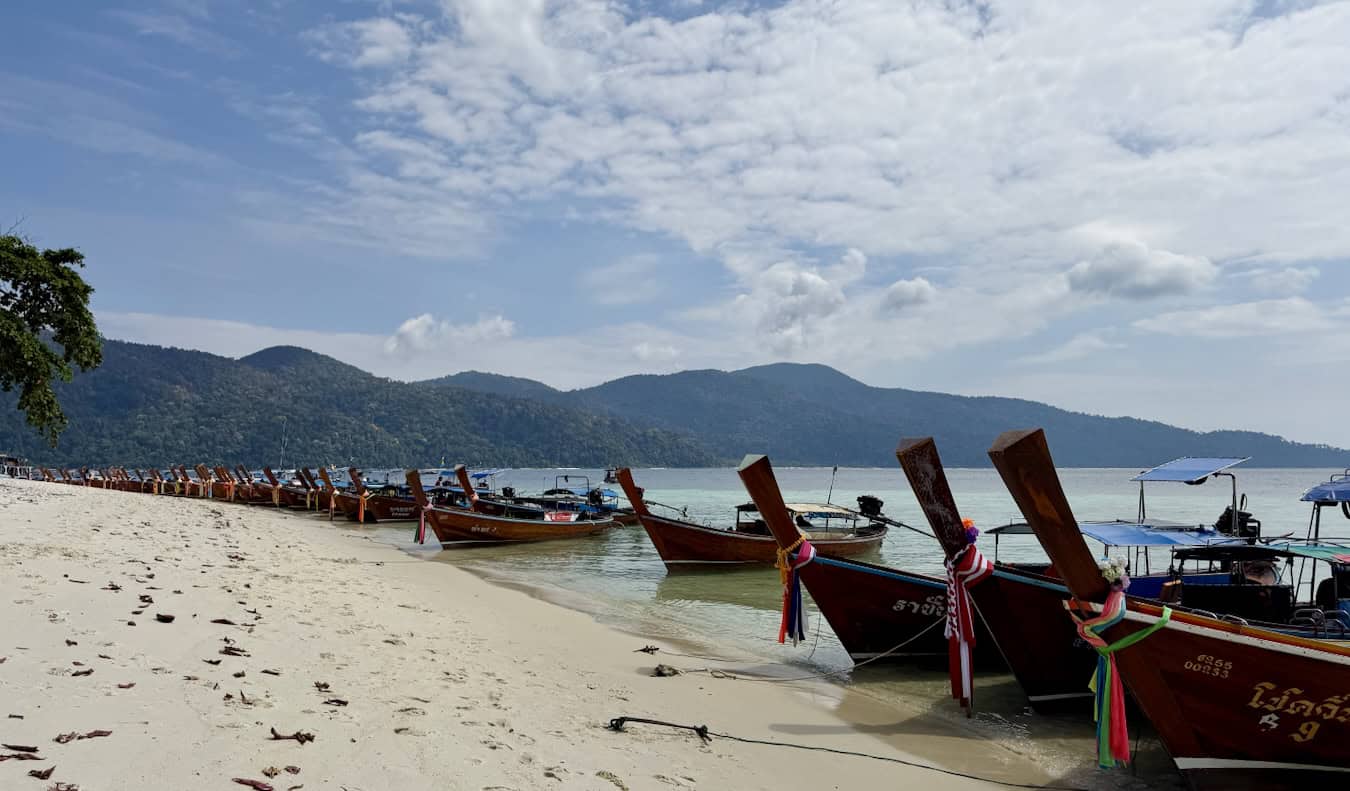
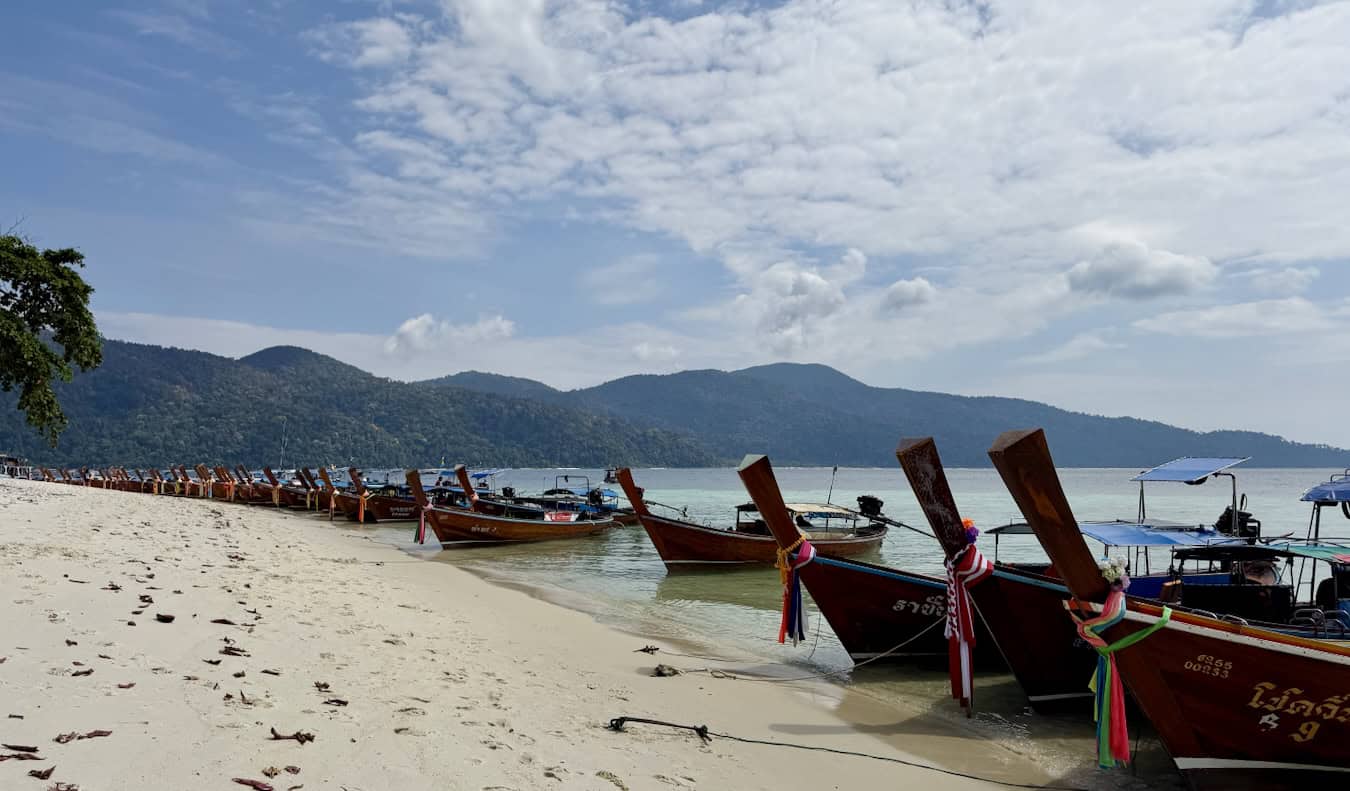
- Pollution: The shoreline is now a parking lot for longtail boats, their engines constantly idling. The resulting oil slicks and exhaust films are frequently visible in the water where tourists swim.
- Infrastructure Stress: The shift from bungalow-style tourism to large-scale resort development has outpaced the island’s waste management systems. The result is a growing crisis in sewage and solid waste disposal on a landmass that has no capacity to absorb it.
Furthermore, the economic benefits of this development remain contentious. Much of the land has been sold to mainland developers, leading to the displacement of the original local population. The current workforce, largely comprised of migrants from the mainland, occupies the lower rungs of the economic ladder, seeing only a fraction of the profits generated by the island’s high-traffic peak seasons.
Perspectives on Tourism: The Consumer’s Dilemma
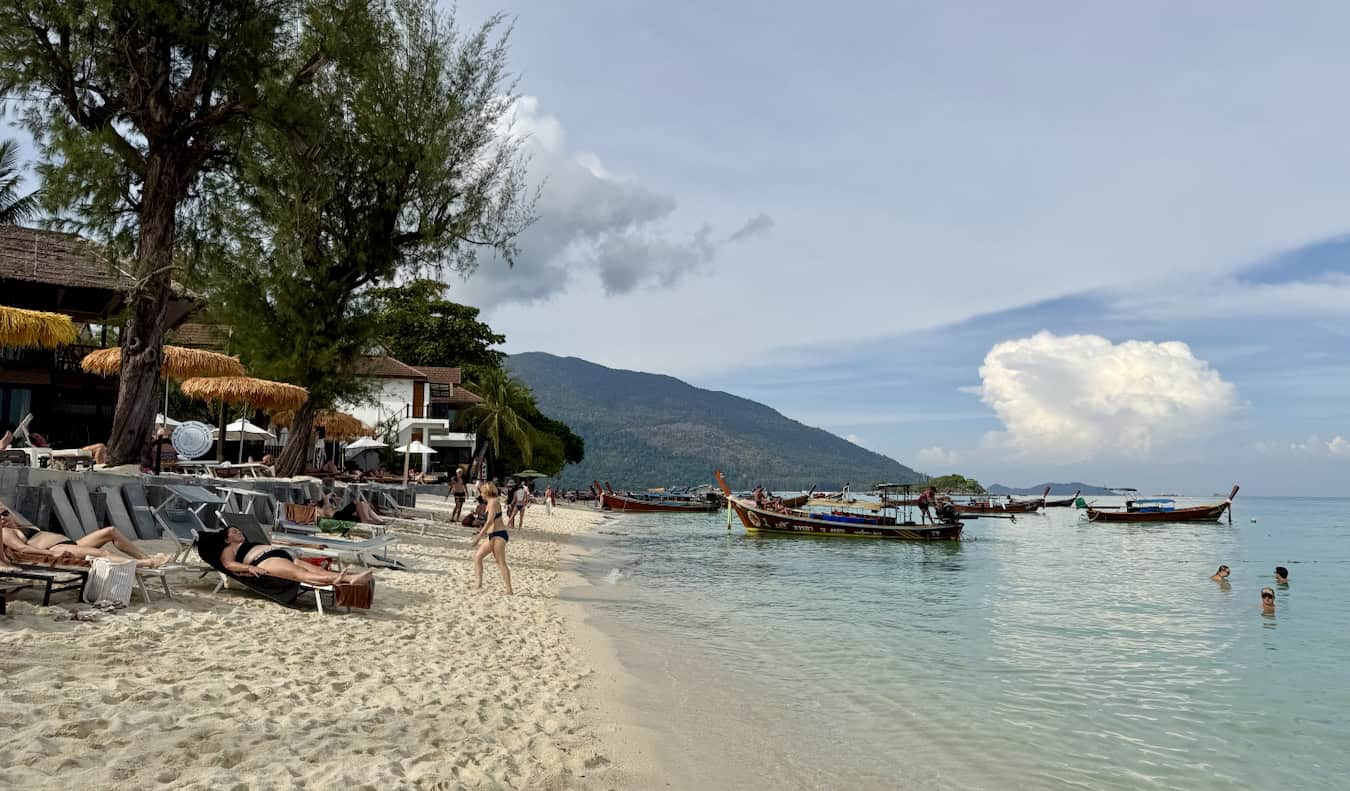
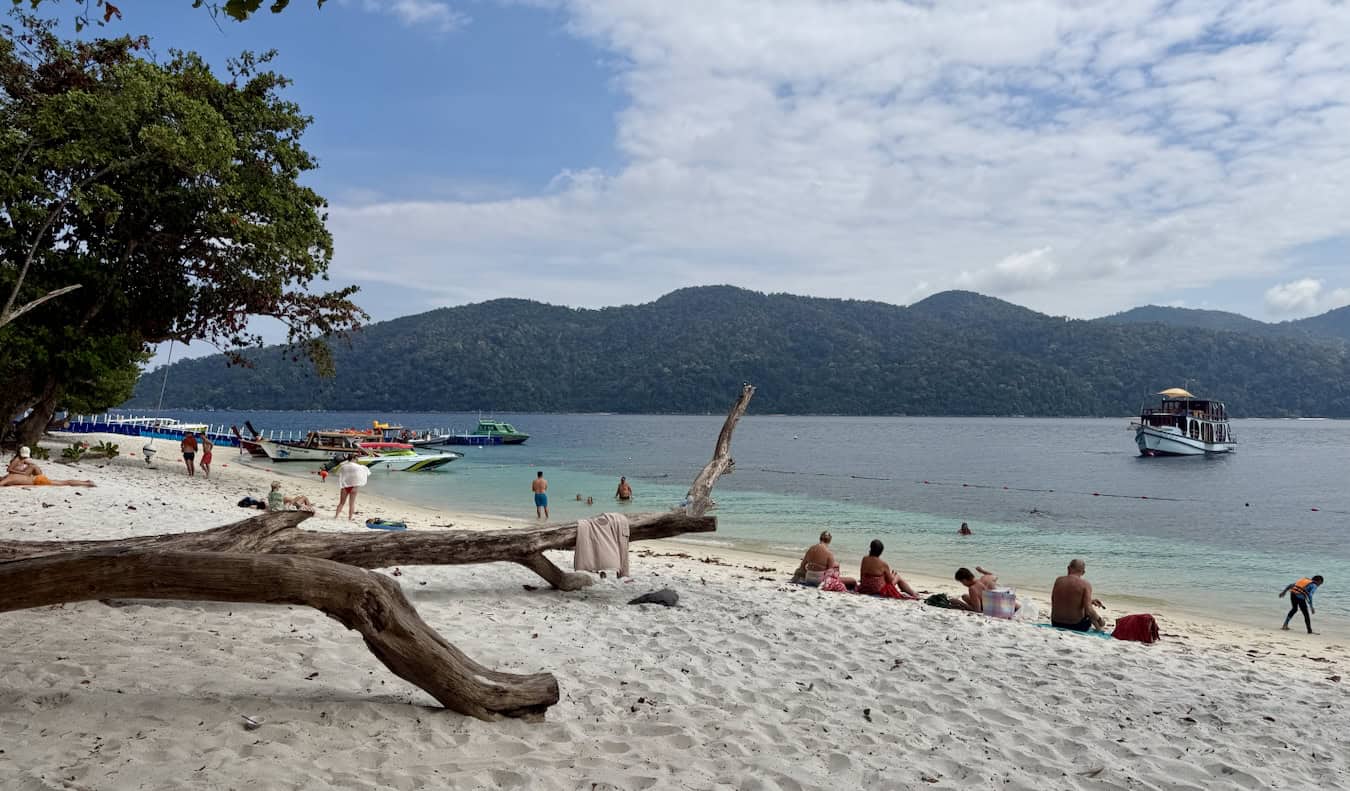
When discussing the state of Ko Lipe, it is essential to acknowledge the "first-time traveler" experience. Many visitors today still find the island breathtaking. The white sands, the vibrant blue water, and the proximity to the surrounding national park offer a postcard-perfect aesthetic that is, objectively, beautiful.
Yet, this creates a psychological trap. The "wow" factor masks the systemic rot. Because it is slightly less chaotic than the absolute saturation of Phuket, travelers often mistake the island’s current state for "authentic." However, this is a form of cognitive dissonance. By participating in the demand for this specific brand of tourism, visitors are actively funding the continued expansion of a model that is inherently unsustainable.
The Call for Responsible Stewardship
The implications of the Ko Lipe situation extend far beyond one island. It serves as a microcosm of a broader crisis in Southeast Asian travel. The question remains: can the "genie be put back in the bottle"?
Historically, the travel industry has shown that consumer behavior can force change. The shift away from elephant tourism in Thailand was driven not by government regulation, but by a sudden, massive shift in traveler conscience. Similarly, the rise of "eco-lodges" was a market response to a growing demand for sustainable travel.
The argument for avoiding Ko Lipe is not one of elitism; it is one of stewardship. By choosing to visit islands that are currently managed with higher environmental standards—such as Ko Lanta, Ko Jum, or Ko Mook—travelers can influence the market. When the demand for unsustainable, overcrowded destinations drops, the economic incentive to continue that development model weakens.
Why We Must Change Our Travel Habits
The responsibility does not lie solely with the developer or the government; it lies with the individual. Every choice to book a flight, a ferry, or a hotel room is a vote for the type of world we wish to visit.
If we continue to chase "travel ghosts"—trying to recreate the magic of a place that no longer exists—we only accelerate the destruction of the very things we seek. We must learn to say "enough is enough." When a destination reaches a tipping point where its infrastructure can no longer support its visitors without destroying its natural assets, the most respectful action is to stay away.
A Path Forward: Sustainable Alternatives
For those seeking the beauty of the Andaman Sea without contributing to the cycle of degradation, the path forward is clear:
- Prioritize Managed Destinations: Research islands that have active conservation programs and limitations on development density.
- Support Local Economies: When traveling, ensure that your spending goes directly to locally-owned businesses, rather than international or mainland-backed resort chains.
- Practice "Invisible" Travel: Reduce your footprint by avoiding single-use plastics, minimizing water consumption, and respecting the natural boundaries of the environments you enter.
- Educate Others: The narrative of "untouched paradise" is often sold to tourists by agencies who ignore the reality on the ground. By sharing the truth about the environmental cost of overdeveloped destinations, you help build a more informed traveler base.
In conclusion, the story of Ko Lipe is a heartbreak, but it is not a unique one. It is a mirror held up to the face of modern tourism. We have the power to change the trajectory of our future travels. Sometimes, the most meaningful contribution we can make to a place is to simply let it be, and to find our adventure somewhere that still has the capacity to welcome us without losing its soul in the process.