The Global Wine Map: Seven Emerging Regions Defining the Future of Viticulture
Despite a volatile climate, shifting global trade politics, and rapidly evolving consumer preferences, the international wine industry remains in a state of constant, dynamic expansion. While established giants of the Old World continue to refine their centuries-old practices, a new guard of wine-producing regions is emerging. These areas are moving beyond their initial "discovery" phase, demonstrating both the depth of their winemaking capabilities and the breadth of their cultural terroir.
As the industry faces a pivot point between tradition and innovation, these seven regions represent the next frontier for oenophiles and casual drinkers alike. Whether you are seeking a new bottle for your cellar or planning a destination trip, these areas are worthy of your immediate attention.
1. Picpoul de Pinet: The Mediterranean’s Zesty Vanguard
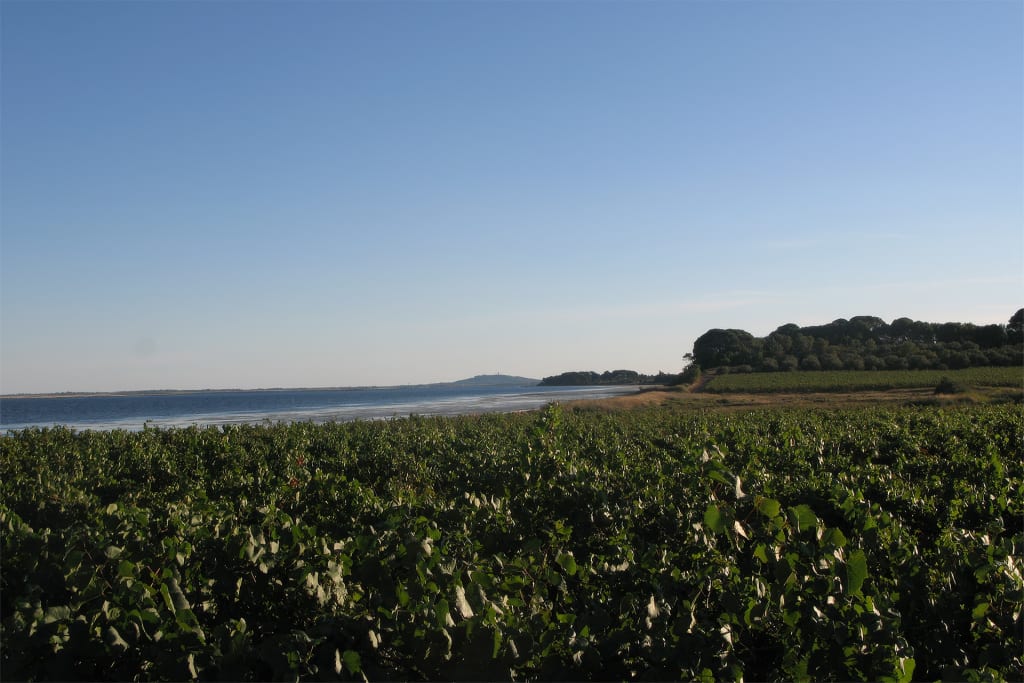
Long hidden within the massive shadow of the broader Languedoc appellation in Southern France, Picpoul de Pinet has finally stepped into the spotlight. Since its official codification as an AOC in 2013, it has emerged as a beacon of clarity in an often-confusing French wine market.

The "Taste of Holidays"
Unlike many French appellations that rely on complex, region-specific naming conventions, Picpoul de Pinet is refreshingly straightforward. As sommelier and regional ambassador Alexandre Freguin notes, "It’s one style of wine, one color, one grape variety." The regional slogan, son terroir c’est la mer (its terroir is the sea), captures the essence of the wine—zesty, saline, and vibrant. It is, quite literally, the taste of a Mediterranean summer.
Sustainability and Evolution
The region is not resting on its laurels. Producers have recently mandated a 20% reduction in the weight of their signature "Neptune" bottles, significantly lowering their carbon footprint while retaining the iconic embossed seal. Furthermore, the introduction of "Patience" labeling—which denotes wines aged on the lees for extended periods—is transforming the region’s reputation from a source of simple, crisp whites to one capable of producing age-worthy, complex gastronomic wines.
2. Bolivia: The High-Altitude Frontier
For years, the South American wine narrative was dominated by Argentina and Chile. Bolivia, however, has entered the conversation with a distinct, high-elevation identity that separates it from its neighbors.
A Vertical Terroir
Bolivia boasts some of the highest-altitude vineyards in the world. In the Tarija region, vines thrive in thin, high-mountain air, while the Cinti Valley offers a bizarre and beautiful "arbolita" tradition, where vines are trained to climb native pink peppercorn trees.
From Novelty to Necessity
While most production is consumed domestically—making bottles rare abroad—the emergence of importers like Llama Wines is changing the landscape. The success of Bolivian singani (a grape spirit) on the international stage, bolstered by celebrity interest, has served as a gateway for the country’s unique Tannats and innovative blends, such as the Tri Blanco Riserva, which artfully marries Viognier, Riesling, and Moscatel.
3. Essex: England’s Still Wine Revolution
While Kent and Sussex have secured the reputation of English sparkling wine, Essex is currently leading the charge for English still wine.

Defying the "Damp" Reputation
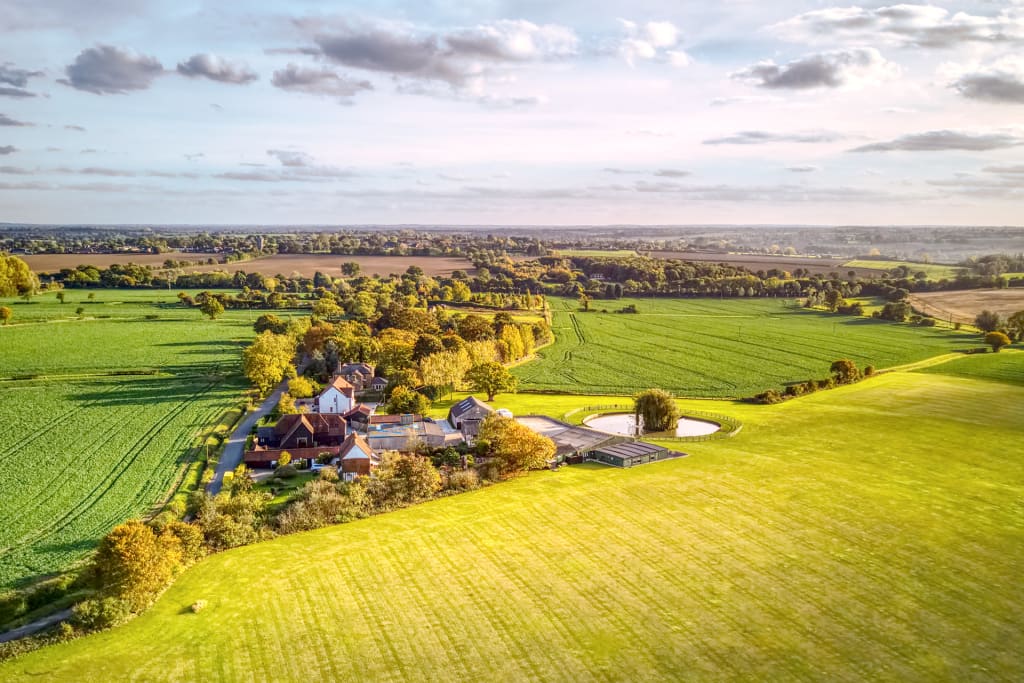
"All things being relative in the United Kingdom, Essex is exceptionally dry," explains John Atkinson, MW, of Danbury Ridge Wine Estate. The region benefits from unique estuarine valleys that suffer little cloud cover, allowing for high light levels and consistent ripening.
The Chardonnay Benchmark
The soil composition—specifically a mineral-rich clay known as smectite—provides a perfect foundation for Chardonnay. In a blind tasting at the 2026 London Wine Fair, the Danbury Ridge 2023 Octagon Block Chardonnay took a shocking third place against elite global competition. As Burgundy producers look for new planting grounds, many are eyeing Essex, signaling that the region is poised to become the "Burgundy of the North."
4. China: A Mosaic of Terroir
The most common mistake international consumers make is viewing "Chinese wine" as a monolith. In reality, China’s viticultural landscape is as varied as Europe’s.
Regional Nuance
From the extreme, winter-hardy vineyards of Ningxia—where vines must be buried to survive sub-zero temperatures—to the temperate, coastal climates of Shandong and the high-altitude Yunnan province, China is a country of extreme microclimates. Michael Palij, MW, of Winetraders, emphasizes that understanding China requires an appreciation for these regional differences, much like the myriad lieux-dits of Burgundy.
A Culture of Rapid Prototyping
The Chinese wine industry is defined by an intense, academic hunger. Winemakers here are fast learners who treat wine production with scientific rigor. If a technique fails, they do not cling to tradition; they iterate, innovate, and improve. With the support of clubs like New York’s China Wine Club, these wines are finally finding their way into the global market.
5. Aosta Valley: Heroic Viticulture in the Alps
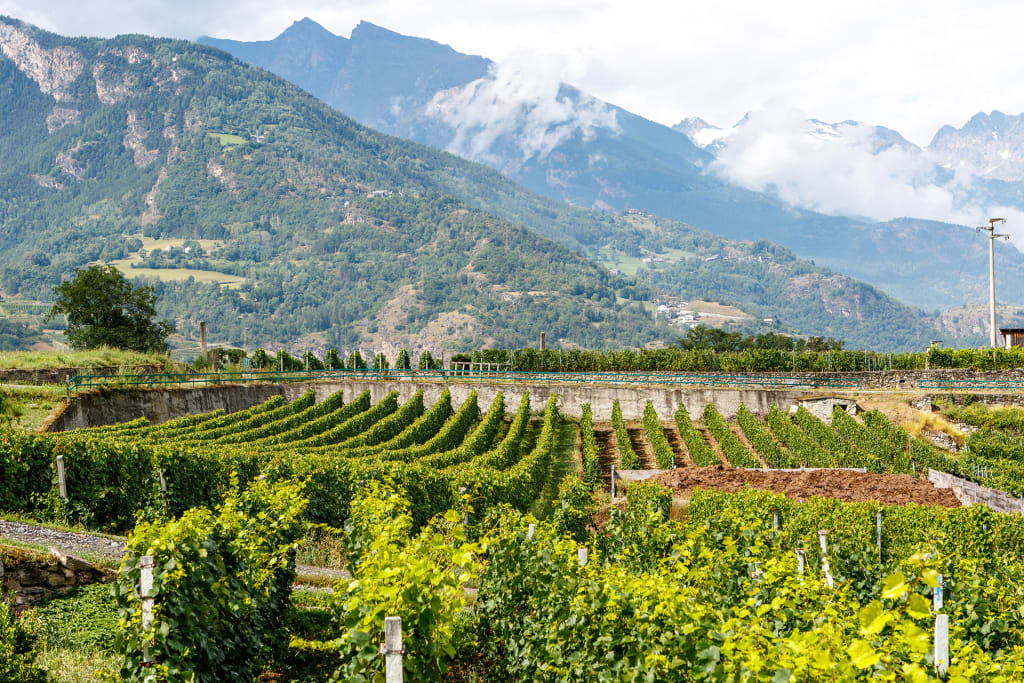
Italy’s smallest region is also its most extreme. Situated on the border with France, the Aosta Valley is defined by "heroic" winemaking—the official designation for vineyards on steep, high-altitude slopes that make modern mechanization nearly impossible.

The Climate Change Canary
Aosta is a bellwether for the effects of climate change. Traditionally, the DOP (Denominazione di Origine Protetta) limited plantings to 900 meters to ensure sugar development. However, as temperatures rise, producers are petitioning for a 1,000-meter limit. Pioneers like Rosset Terroir are already producing high-altitude wines, pushing the boundaries of what is possible in an era of warming mountain climates.
6. North Carolina: Reclaiming a Historic Legacy
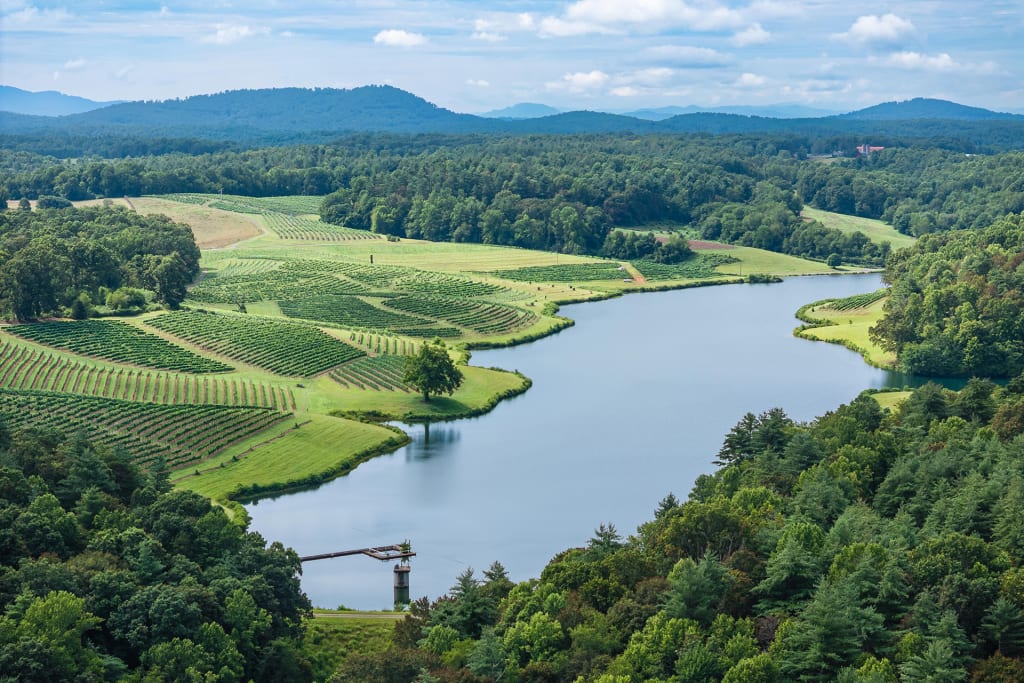
As the United States celebrates its 250th anniversary, North Carolina is reasserting its role in American viticultural history. Home to the legendary "Mother Vine" on Roanoke Island, the state is a pioneer of the native Muscadine grape.
Moving From Potential to Proof
"Ten or fifteen years ago, many of us were still pioneers," says JW Ray of JOLO Winery & Vineyards. Today, the Yadkin Valley has matured. The vines are older, the winemakers have a deeper understanding of their specific micro-terroirs, and the expectations of the consumer have shifted from surprise to respect. Whether it is vinifera, French-American hybrids, or native species, North Carolina is proving it has the diversity to be a serious, multi-faceted wine state.
7. Morocco: The Resurgence of the Atlas
Moroccan winemaking is a tale of ancient history meeting modern tourism. With roots dating back to the Phoenicians, the industry suffered a decline following the end of the French protectorate in the 1950s. Today, it is undergoing a profound revival.
Beyond the European Relic
While the industry relies on Mediterranean red grapes, there is a push to embrace native varieties like Faranah and the local signature of vin gris. As tourism to Morocco continues to soar, international visitors are demanding local, high-quality wine to pair with traditional cuisine like tagines and couscous. This culinary synergy is the primary driver behind the country’s renewed focus on quality over the archaic AOC classifications left behind by colonial history.
Implications: The Path Forward
The common thread among these seven regions is a refusal to be defined by historical stereotypes. Whether it is the high-altitude experimentation in Bolivia, the climate-adaptive planting in Aosta, or the technical precision of the new generation in China, the global wine map is expanding in ways that prioritize site-specificity and sustainability.
For the consumer, the takeaway is clear: the most exciting wines of the coming decade will not necessarily come from the most famous regions. They will come from the regions that are the most willing to listen to the land and adapt to the changing climate. As these regions continue to refine their craft, they offer not just a new taste, but a new story—one that is rooted in history but written for the future.
Summary Data: Growth Drivers
- Sustainability: Regions like Picpoul de Pinet are reducing glass weight to meet global environmental mandates.
- Tourism: In Morocco and North Carolina, wine tourism is serving as the primary bridge between local production and international brand recognition.
- Climate Resilience: The Aosta Valley and Essex are successfully exploiting warming trends to produce world-class wines in previously marginal zones.
As we look toward the remainder of the decade, the "traditional" wine world will increasingly find itself in conversation with these seven regions, each of which is carving out a unique space in the global market. The future of wine is not just about where it comes from—it is about where it is going.