The Golden Standard of Autumn Baking: Perfecting Gluten-Free Pumpkin Scones
As the crisp air of autumn begins to settle in and the leaves turn to shades of amber and gold, the culinary world turns its attention to the season’s most iconic ingredient: pumpkin. For those living with celiac disease or gluten sensitivity, the search for a bakery-quality scone that captures the essence of fall without the compromise of heavy, gummy textures has often been a frustrating endeavor. However, a new approach to this seasonal classic is changing the narrative, proving that gluten-free baking can achieve the elusive "crisp-tender" balance once thought exclusive to traditional wheat-based pastries.
The secret, according to experts in the gluten-free community, lies not in a new flour blend, but in a tactical shift in moisture management: the use of concentrated pumpkin butter.
Main Facts: The Pumpkin Butter Revolution
Traditional scone recipes often rely on plain pumpkin puree to provide flavor. In gluten-free baking, however, pumpkin puree acts as a double-edged sword. While it provides the desired earthy sweetness, it also introduces high water content that can compromise the structural integrity of a gluten-free dough, often resulting in a dense, bread-like texture rather than the delicate, flaky crumb of a professional pastry.

By substituting plain puree with concentrated pumpkin butter—which has been slow-cooked to evaporate excess moisture—bakers can now infuse their dough with a deep, robust pumpkin aroma and flavor while maintaining the structural integrity of the fat-to-flour ratio. This method ensures that the cold butter used in the dough remains isolated, creating those signature flaky layers that define a superior scone.
The inclusion of a double-layered icing—a base white glaze followed by a secondary maple-cinnamon drizzle—serves as the final touch, providing a sophisticated sweetness that balances the earthy spices without overwhelming the palate.
A Chronology of the Baking Process
To achieve the professional results associated with this recipe, the process must be treated with both precision and patience. The evolution of the dough follows a specific, science-backed timeline:

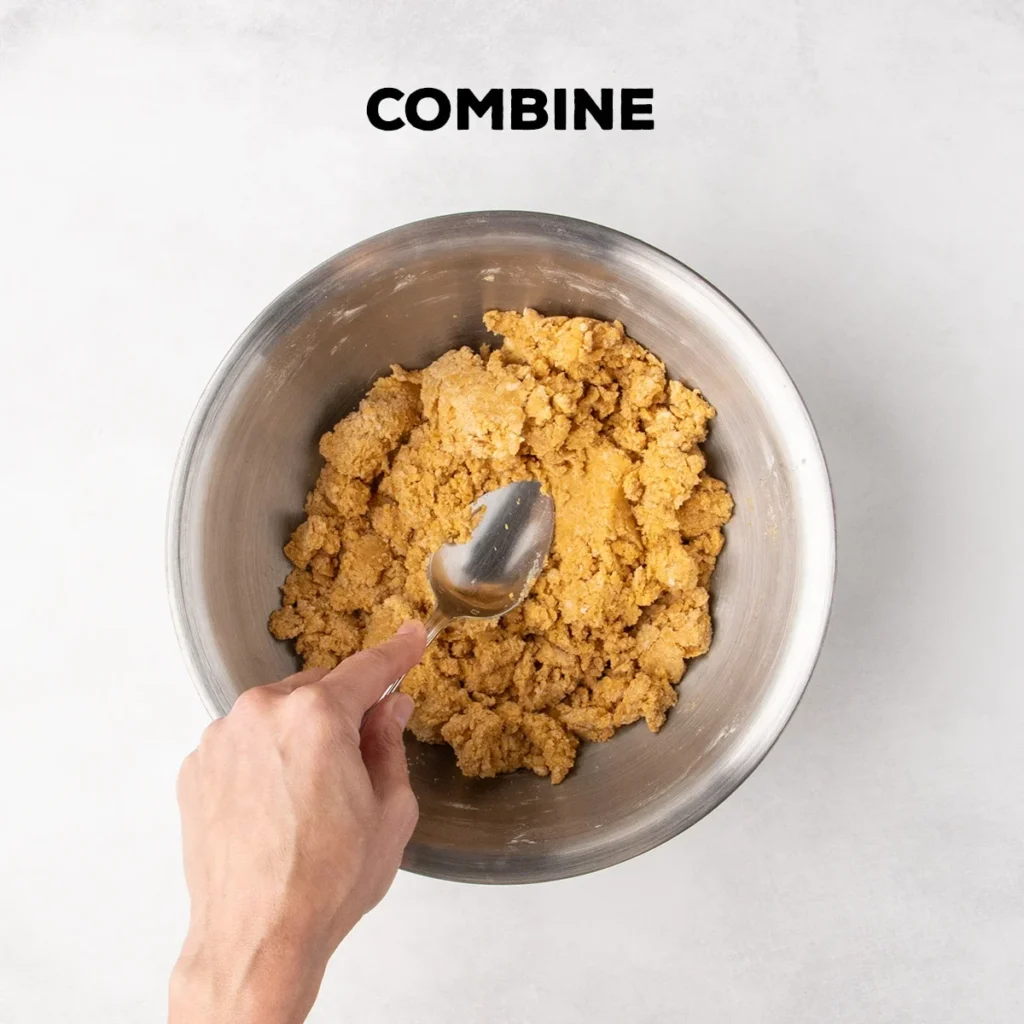
1. The Dry Foundation: The process begins by whisking together a high-quality gluten-free flour blend, xanthan gum (if not already included in the blend), baking powder, salt, pumpkin pie spice, and granulated sugar. This step is critical; it prevents the clumping of leavening agents that can cause uneven rising or bitter, concentrated pockets of spice.
2. The Butter Integration: Cold butter is the engine of a flaky scone. By chopping the butter and manually flattening it into shards within the dry mix, bakers create tiny pockets of fat that release steam during the high-heat baking process. This steam pushes the layers of dough apart, creating the desired lift.
3. The Wet Incorporation: The pumpkin butter and heavy cream are folded into the dry ingredients to form a stiff, moist dough. If the dough feels too dry or fragmented, a few drops of water are added, but only to specific patches to ensure the overall hydration remains low.

4. The Lamination Technique: To achieve professional-grade flakiness without the labor of French lamination, the dough is rolled into a rectangle, cut into three sections, and stacked. This simple "cut-and-stack" method multiplies the internal layers by three, effectively building a structural architecture that guarantees a light, airy crumb.
5. Precision Shaping and Baking: The final disk is cut into eight equal triangles using sharp, vertical strokes. These clean edges are vital, as they allow the scones to rise vertically rather than spreading horizontally. A brief cooling period before the application of the dual-icing system ensures the glaze sets perfectly, avoiding a messy, melted finish.
Supporting Data and Nutritional Profile
For the health-conscious baker or those managing specific dietary requirements, understanding the nutritional breakdown of these treats is essential. A standard serving (one scone) provides approximately 275 calories. The composition of the recipe is carefully balanced:

- Carbohydrates: 56g (The primary energy source from the gluten-free flour blend).
- Fats: 11g (Essential for the "tender" component of the scone).
- Protein: 2g (A modest amount, typical of high-quality gluten-free pastry).
- Sodium: 339mg (A necessary component to activate leavening agents and balance sweetness).
The high concentration of Vitamin A (2261 IU) serves as a nod to the inclusion of real pumpkin butter, providing a nutritional boost alongside the seasonal flavor. These statistics are based on standard ingredient calculations, though they may vary depending on the specific brand of gluten-free flour used.
Official Guidance: Flour and Spice Selection
"Good, for gluten-free" is no longer the benchmark. To achieve the best results, the choice of ingredients is paramount. Professional advice suggests the following:
- Flour Blends: Not all blends are created equal. The recommended standard is a high-quality "all-purpose" gluten-free blend that mimics the protein-to-starch ratio of wheat flour. If using a blend like Bob’s Red Mill 1-to-1, adding an extra 1/2 teaspoon of xanthan gum is often necessary to ensure the dough holds together during the lamination process.
- The Spice Blend: While store-bought pumpkin pie spice is convenient, a DIY blend allows for customization. A combination of cinnamon, ground ginger, allspice, cloves, and nutmeg provides a more complex flavor profile than cinnamon alone.
- Dairy-Free Alternatives: For those avoiding dairy, the integrity of the pastry can be maintained by using block-style vegan butter (such as Miyoko’s) and full-fat canned coconut milk, which replicates the fat content of heavy cream necessary for a tender, rich mouthfeel.
Implications for the Future of Gluten-Free Pastry
The success of this recipe carries broader implications for the home-baking industry. As the gluten-free community grows, the demand for "bakery-style" results has forced home bakers and recipe developers to innovate beyond simple substitutions. The shift toward using concentrated ingredients like pumpkin butter represents a move toward "culinary engineering"—treating ingredients not just for their flavor, but for their chemical contribution to the final product’s texture.

Furthermore, the emphasis on freezing raw, shaped dough for up to two months highlights the convenience factor that the modern consumer demands. By enabling bakers to prep in bulk and bake on demand, these recipes bridge the gap between "specialty diet" and "everyday convenience."
Whether you are preparing these for a quiet autumn morning or as an elegant centerpiece for a holiday brunch, these scones serve as a testament to how far gluten-free baking has evolved. No longer relegated to the realm of dry, crumbly alternatives, the modern gluten-free scone—with its flaky layers, warm spice profile, and professional glaze—stands as a culinary achievement in its own right. As we continue to refine these techniques, the barriers between traditional and inclusive baking continue to blur, making the kitchen a more accessible space for everyone to enjoy the comforting flavors of the season.