The New Standard in Meal Prep: Why the Creamy Cilantro Lime Chicken Bowl is Taking Over Kitchens
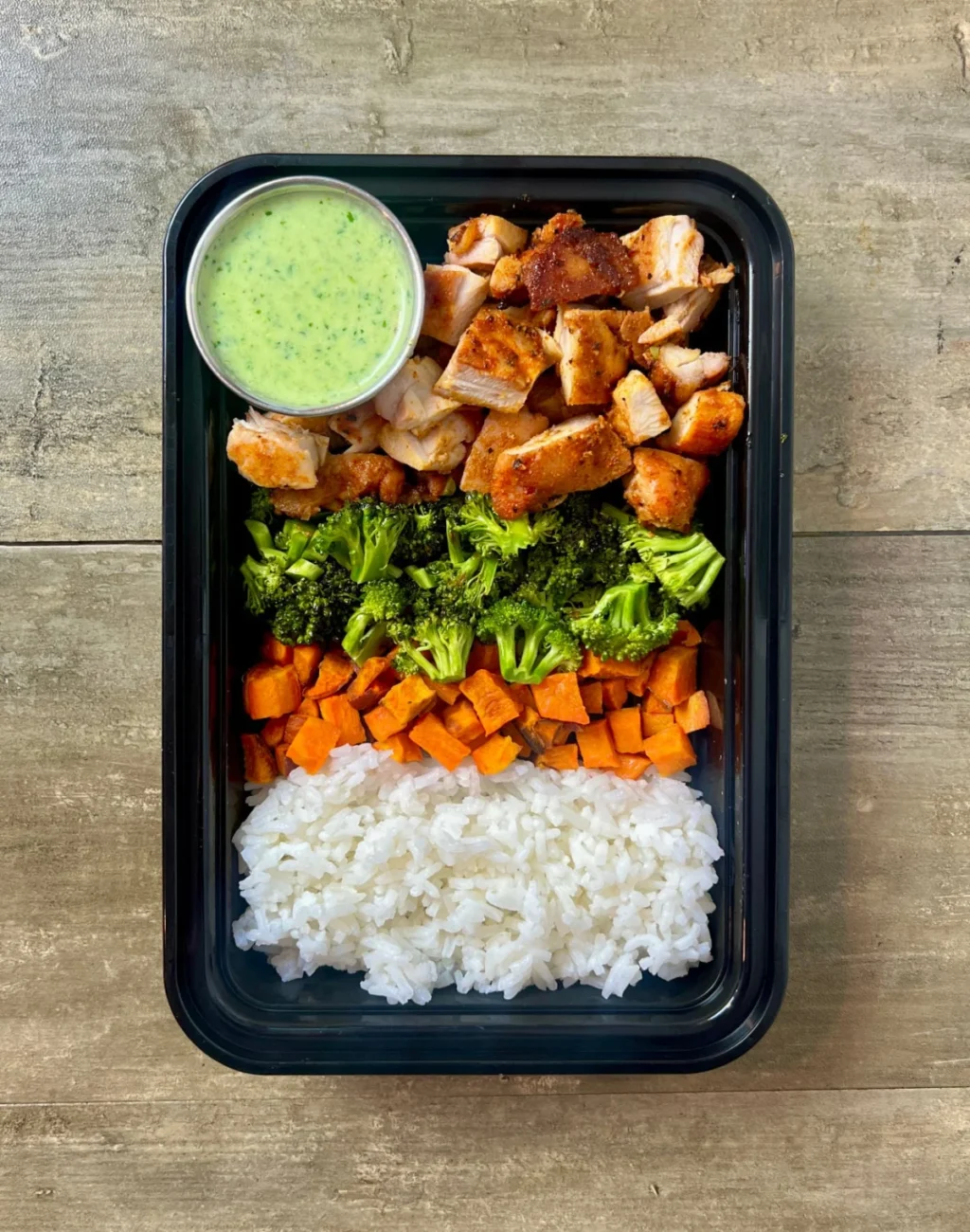
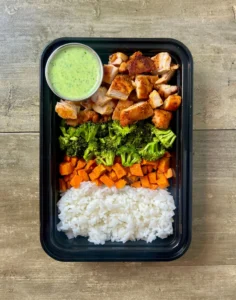
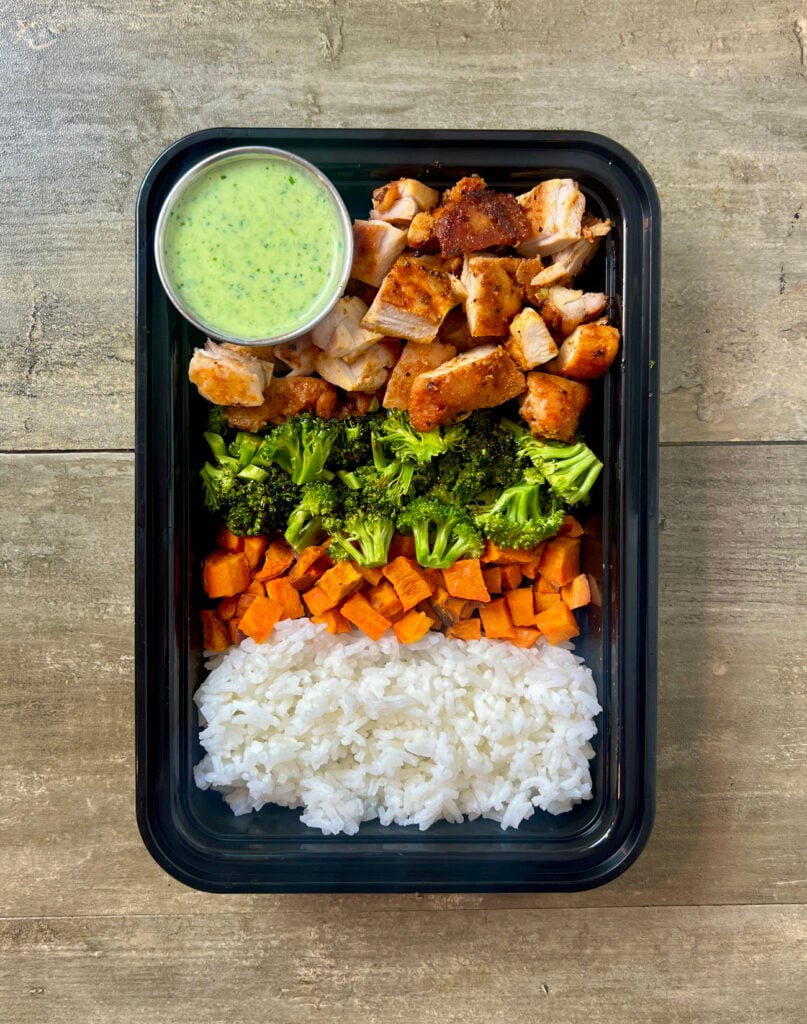
In the fast-paced world of modern nutrition, the challenge has always been balancing high-protein requirements with genuine culinary satisfaction. For years, meal prep has been synonymous with bland chicken breasts and uninspired steamed broccoli. However, a new culinary development is challenging this status quo: the Creamy Cilantro Lime Chicken Bowl. Combining the vibrant, zesty profiles of Latin-inspired cuisine with the rigorous macro-nutrient demands of athletes and health-conscious professionals, this recipe has emerged as a cornerstone for those looking to optimize their weekly nutrition without sacrificing flavor.
Main Facts: A Nutritional Powerhouse
The Creamy Cilantro Lime Chicken Bowl is not merely a dish; it is a calculated nutritional intervention designed to provide sustained energy. Each serving, designed for a batch of five, offers a balanced macro-nutrient profile that is rare in the "grab-and-go" food sector.
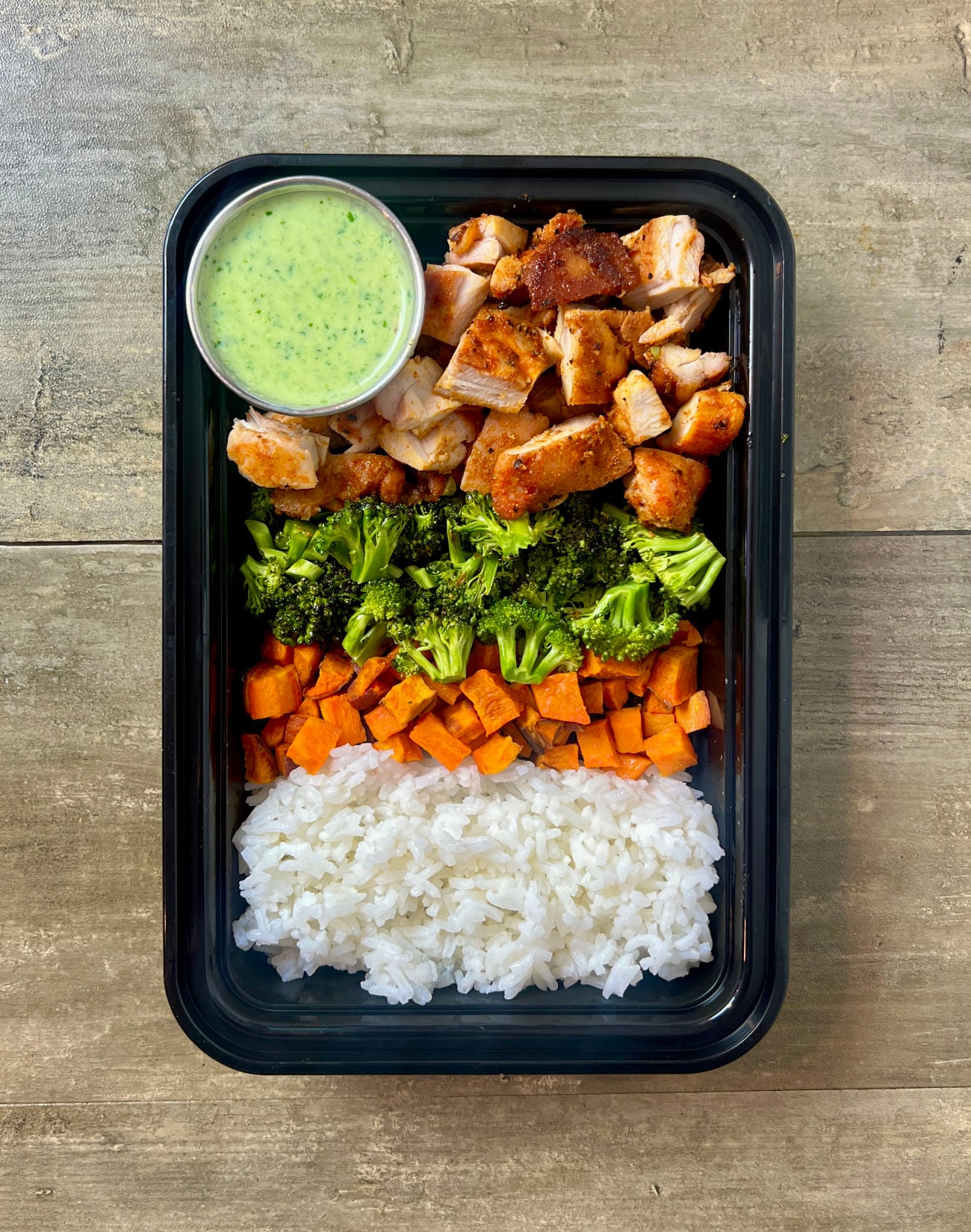
With 490 calories per serving, the dish is engineered to fit comfortably into almost any dietary framework. Most notably, the composition—46g of carbohydrates, 43g of protein, and 15g of fat—positions it as an ideal post-workout meal or a satiating mid-day lunch. The inclusion of a high-protein, yogurt-based sauce is the dish’s defining characteristic, allowing for a creamy mouthfeel that mimics high-calorie, fat-heavy dressings while keeping the caloric density manageable.
The primary components—lean chicken, fibrous vegetables, and complex carbohydrates—are brought together by a signature sauce composed of fresh cilantro, lime, and a hint of jalapeño. This combination provides both the acidity required to brighten the palate and a subtle heat that enhances the overall flavor profile without the need for excessive salt or heavy oils.
Chronology of Preparation: The One-Hour Workflow
Efficiency is the hallmark of the modern home cook, and this recipe has been refined to minimize kitchen time. The total preparation and cooking time of 1 hour and 20 minutes is broken down into a streamlined, multi-phase process designed to maximize output while minimizing active labor.
Phase 1: The Mise en Place (0–20 Minutes)
The preparation phase focuses on the "mise en place"—getting everything in its right place. During these first 20 minutes, the cook focuses on dicing the chicken into uniform pieces to ensure even cooking, washing and chopping fresh cilantro, and preparing the vegetables. By prepping the sauce base—blending yogurt, aromatics, and citrus—early, the flavors are given time to meld while the other components cook.

Phase 2: The Thermal Processing (20–80 Minutes)
The cooking phase is where the "meal prep" aspect truly shines. While the rice cooks in a separate vessel, the chicken is seared to lock in moisture. The vegetables are typically sautéed or roasted to achieve a slight caramelization, which adds depth to the overall bowl. Because the recipe is scaled for five servings, the use of large-format cookware is recommended to ensure that all ingredients are processed simultaneously, effectively capping the total cook time at one hour.
Supporting Data: The Science of the "Bowl"
The popularity of the "bowl" format in nutrition is supported by behavioral science. By portioning meals into individual containers immediately after cooking, individuals are less likely to overconsume and more likely to adhere to their dietary goals.

Nutritional Breakdown per Serving:
- Calories: 490 kcal
- Protein: 43g (essential for muscle protein synthesis)
- Carbohydrates: 46g (providing glucose for cognitive and physical performance)
- Fat: 15g (primarily sourced from healthy yogurt and lean proteins)
- Fiber: 4.8g (aiding in digestion and satiety)
These metrics are particularly impressive when compared to commercial restaurant equivalents, which often hide high levels of sodium, refined sugars, and saturated fats behind the guise of "healthy" labels. By preparing this dish at home, the cook maintains absolute control over the quality of the ingredients, particularly the yogurt base, which is often swapped for calorie-dense mayonnaise in store-bought options.
Official Perspectives: The Shift Toward Functional Eating
Nutritionists and meal-prep experts have noted a marked shift in consumer behavior over the last several years. As the cost of dining out rises and the demand for transparency in food sourcing increases, recipes like the Creamy Cilantro Lime Chicken Bowl have become the gold standard for "functional eating."

"Functional eating is about more than just numbers," says a leading fitness nutritionist. "It’s about how the food makes you feel. A meal that is 400 calories but leaves you hungry in an hour is a failure. This recipe, with its 43g of protein and fiber-rich vegetable profile, is designed for satiety. It keeps blood sugar levels stable, preventing the mid-afternoon energy crashes associated with high-glycemic lunches."
The use of fresh ingredients—cilantro and lime—is also a strategic culinary choice. Beyond the flavor profile, these ingredients provide micronutrients and antioxidants that processed meal-prep kits often lack. The inclusion of jalapeño provides capsaicin, which has been shown in various studies to assist in metabolic thermogenesis, albeit in small amounts.

Implications for the Future of Home Cooking
The rise of the Creamy Cilantro Lime Chicken Bowl reflects a broader trend toward "professionalizing" home cooking. With the digital availability of recipes and the increasing accessibility of kitchen technology (such as high-speed blenders and precise rice cookers), the average person is now capable of producing restaurant-quality food that adheres to medical-grade nutritional standards.
Economic Implications
Beyond health, there is the economic factor. By batch-cooking five meals, the consumer significantly lowers their cost-per-meal compared to purchasing similar bowls from fast-casual chains. Given current inflationary trends in the food sector, the ability to produce a high-protein, gourmet-style meal for a fraction of the cost of retail is a significant financial advantage.

Long-term Dietary Sustainability
The biggest barrier to long-term diet adherence is "palate fatigue"—the boredom that sets in when eating the same, repetitive foods. The Creamy Cilantro Lime Chicken Bowl avoids this by utilizing a high-flavor-impact sauce. The sauce acts as a bridge between the bland protein and the carbohydrates, ensuring that each bite is as satisfying as the first. This sensory experience is vital for long-term consistency.
Conclusion: A New Blueprint
The Creamy Cilantro Lime Chicken Bowl is more than just a passing trend in the meal-prep community; it is a sophisticated, efficient, and highly effective nutritional solution. It bridges the gap between the aesthetic appeal of modern food blogging and the rigorous demands of professional sports nutrition.

By prioritizing fresh, high-protein ingredients and a streamlined preparation method, this recipe offers a blueprint for how we can eat better, save money, and save time simultaneously. As we look toward the future of home nutrition, it is clear that the most successful recipes will be those that provide this trifecta of value, health, and flavor. Whether you are a competitive athlete or a busy professional, integrating this bowl into your weekly routine provides a tangible, delicious path toward your health goals.
For those looking to get started, the simplicity of the process—blending the sauce, cooking the grains, and searing the protein—is designed to be accessible to even the most novice of home cooks. The journey to a better diet does not have to involve deprivation; it only requires the right preparation.