The Resurgence of the Cocktail Ring: A Glittering History of Rebellion and Glamour
By Kara Newman
August 26, 2026
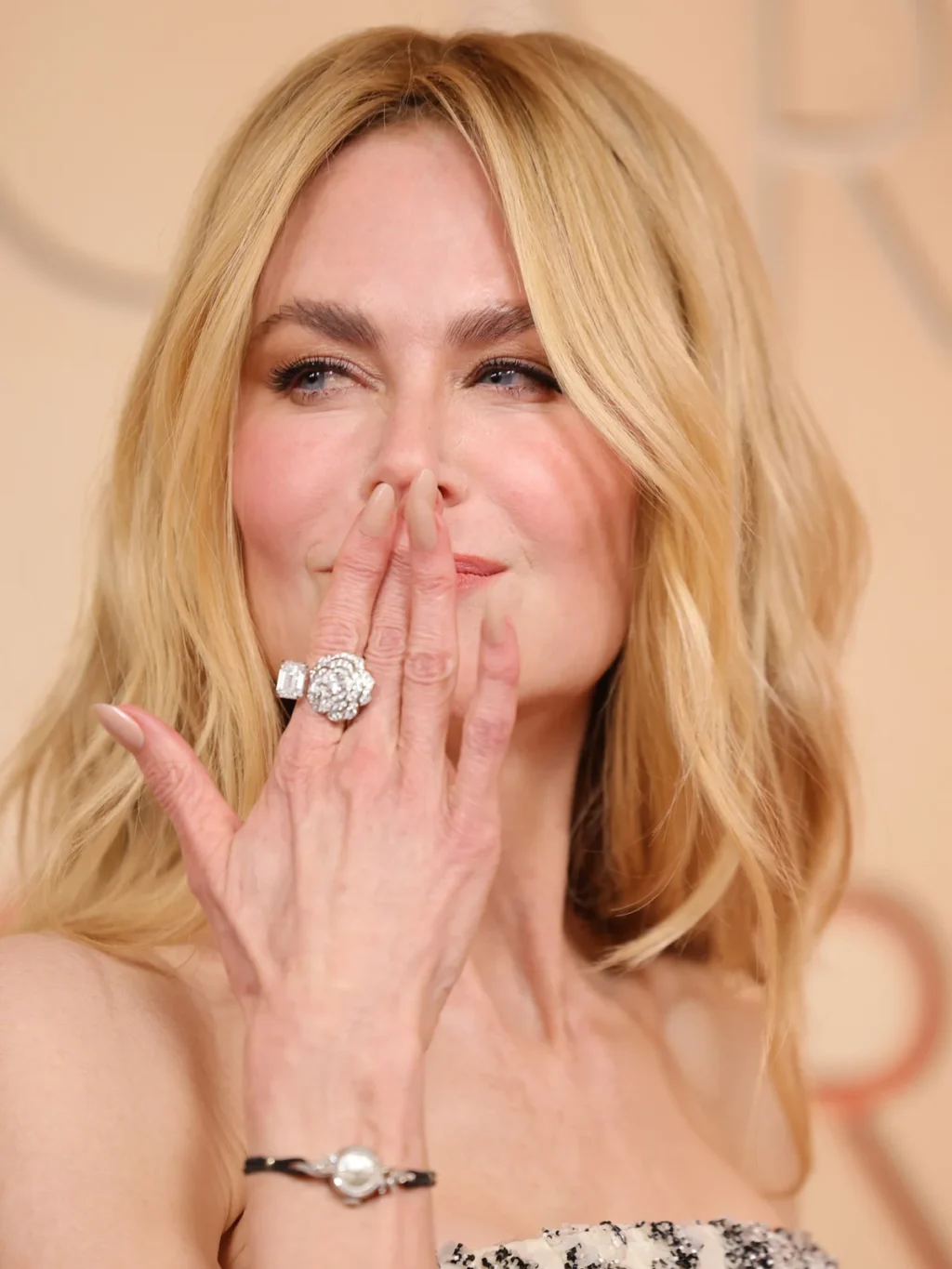
From the red carpet of the 2026 Met Gala to the high-profile awards season, a singular, unapologetic trend has reclaimed the spotlight: the bold, oversized cocktail ring. As gala co-chair Nicole Kidman graced the steps, her hand captured the gaze of millions—a striking ruby center stone encircled by a halo of brilliant-cut diamonds. She was far from alone. From the edgy, avant-garde styling of Zoë Kravitz and Chase Sui Wonders to the iconic presence of Stevie Nicks, and Rihanna’s decision to layer three distinct diamond sparklers, the message was clear: subtlety is out, and maximalism is back.
This is not merely a fleeting fashion whim. The cocktail ring’s return signals a broader shift away from the "quiet luxury" and understated minimalism that defined the early 2020s. As the world pivots toward self-expression, these ornate, flamboyant pieces are becoming the go-to accessory for those who wish to command a room. Yet, to understand the cocktail ring is to understand a history of social upheaval, gender politics, and the clandestine world of Prohibition-era nightlife.
The Anatomy of the Statement Piece
To the uninitiated, the cocktail ring might simply appear as "jewelry that is larger than usual." However, in the world of gemology and fashion history, the definition is far more specific. Unlike an engagement ring, which is traditionally designed around a single, symbolic center stone to signify a domestic union, the cocktail ring is an exercise in excess.
"A cocktail ring is almost like a hot fudge sundae of a ring," says Diana Singer, president of the American Society of Jewelry Historians. "It’s somewhat dome-shaped, usually large, incorporating several different colors and shapes of stones. It is meant to be flamboyant, intentional, and, above all, an attention-grabber."
These rings are designed to be worn on the right hand—a deliberate placement meant to distinguish them from the "serious" nature of a wedding band on the left. By moving the jewelry to the dominant hand, the wearer ensures that every gesture, every toast, and every flick of the wrist is punctuated by the sparkle of precious or semi-precious stones.
A Chronology of Rebellion: From Prohibition to Present
The Roaring 1920s: The Subversive Sparkler
The cocktail ring did not emerge in a vacuum; it was born of necessity and defiance. During the 1920s, as Prohibition gripped the United States, alcohol became a forbidden fruit. Paradoxically, this created the "cocktail culture" that would define the era.
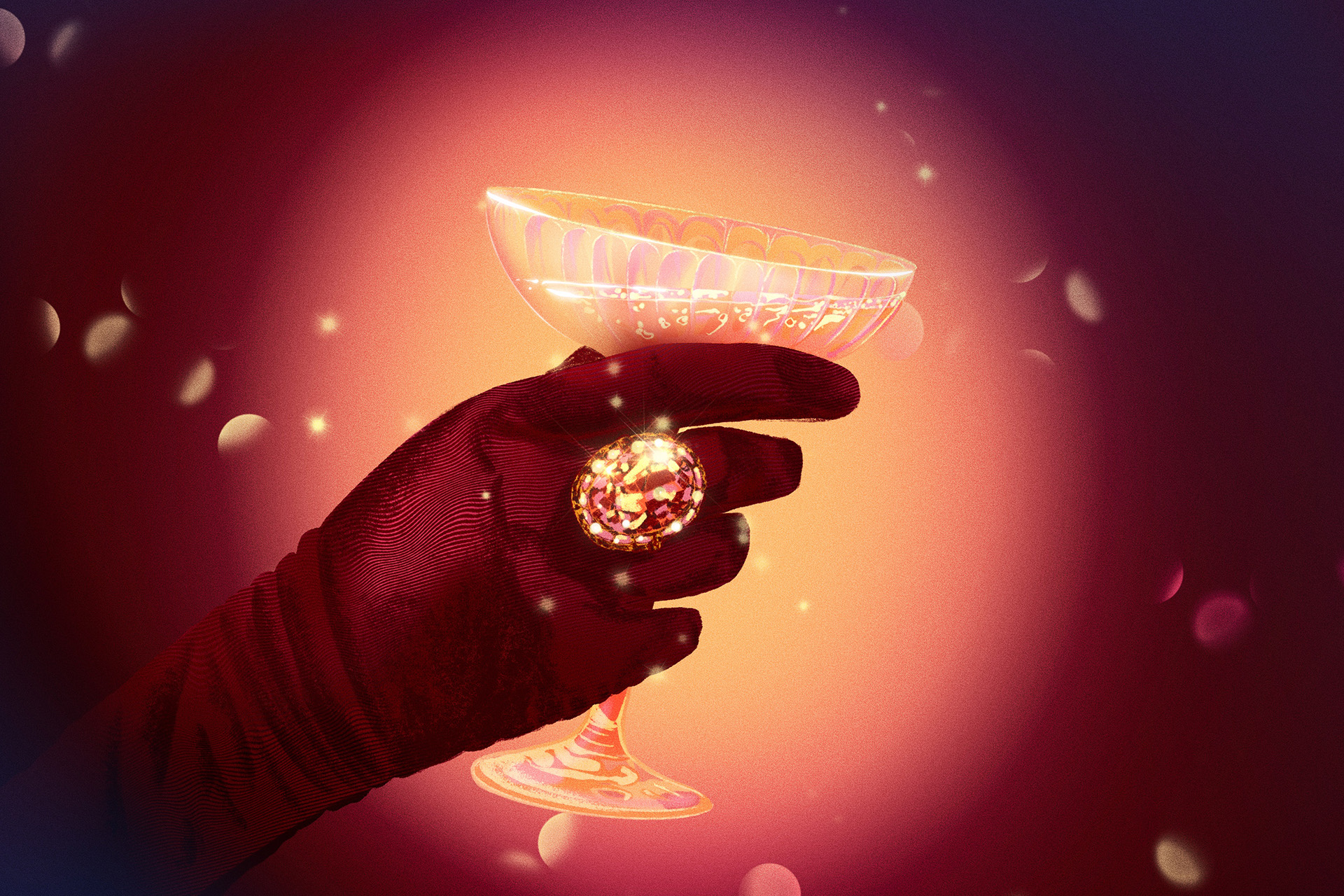
As Nicola Nice, author of The Cocktail Parlor: How Women Brought the Cocktail Home, explains, the rings were part of a larger, subversive statement. "Cocktail rings first came into vogue in the 1920s," she notes. "Much like the short dresses of the flappers and long strings of pearls, they were a statement. But the original statement was a rebellious one."
Women were entering the workforce in record numbers, gaining the right to vote, and demanding autonomy. They were frequenting speakeasies and social clubs, and the cocktail ring served as a visual signal of this newfound independence. When a woman ordered a drink, the ring drew attention to her hand—a provocative act in a time when female drinking was still largely viewed as a social taboo.
The 1930s and 1940s: The Wartime Dip
The momentum of the cocktail ring hit a wall with the onset of the Great Depression and the subsequent material shortages of World War II. During these years, the ostentatious display of wealth was considered tone-deaf, if not impossible. Furthermore, as Diana Singer notes, the importation of colored precious stones—rubies, emeralds, and sapphires—was heavily restricted. Jewelry design shifted toward austerity, favoring thin bands and small, single diamonds, if any.
The 1950s and 1960s: The Era of Affluence
Following the war, the cocktail ring experienced a triumphant return. As the U.S. economy boomed, the middle class sought to broadcast its success. The cocktail party became a staple of suburban and urban social life alike. For women of this era, the cocktail ring served as a badge of domestic and financial stability. It was an accessory of the hostess, a piece of jewelry that signaled, "I have arrived."
2026: The Modern Maximalist Renaissance
Today, we are witnessing a second "golden age" for the cocktail ring. Following the exhaustion of the minimalist aesthetic, consumers are turning toward pieces that tell a story. Whether it is an estate ring sourced from a vintage dealer or a modern, custom-designed masterpiece, the goal is the same: to inject personality into a look.
Supporting Data: The Shift in Consumer Sentiment
The trend is backed by a distinct shift in consumer behavior. According to data from independent jewelry analysts, interest in "statement jewelry" has seen a 45% increase in search volume since the start of the 2025 calendar year.
- The "Analog" Appeal: Industry experts suggest that the rise of the cocktail ring is a "radical analog shift." As society becomes increasingly digitized—with communication moving to screens and virtual spaces—physical objects that spark real-world conversation have gained massive value.
- Estate and Vintage Growth: The secondary market for vintage jewelry has flourished. Buyers are not just looking for new products; they are hunting for rings that carry history, believing that the "energy" of a previous era adds to the weight and significance of the piece.
Official Perspectives: The Philosophy of Adornment
The experts interviewed for this report agree that the cocktail ring serves a psychological function as much as a decorative one.

"Accessorizing yourself to the moment—and the moment being designed around the cocktail—is something really special and powerful," says Nicola Nice. She highlights that the evolution of the ring paralleled the evolution of the glassware itself. As cocktails became more ornate and feminine, the jewelry worn by those drinking them became more intricate, creating a cohesive, sophisticated aesthetic.
Irina Aran, founder and CEO of Facets Fine Jewelry, echoes this sentiment, emphasizing the confidence required to wear such a piece. "Cocktail rings are about confidence," Aran says. "You don’t wear it to be subtle. You wear it because you walked into the room and decided the room should know you were there."
Implications: What the Trend Tells Us About 2026
The return of the cocktail ring is more than a fashion cycle; it is a reflection of the current cultural zeitgeist. We are currently living in a period characterized by a desire for tangible, bold, and unapologetic self-expression.
- The End of Minimalism: The era of "barely-there" jewelry is receding. Consumers are tired of blending in. The current trend suggests a collective move toward maximalism, where the goal is to occupy space visually and physically.
- Gender and Autonomy: Interestingly, the modern resurgence mirrors the 1920s in its celebration of female agency. While the rings are now worn by all, the core ethos remains the same: the cocktail ring is a piece of jewelry that one buys for oneself, to please oneself, rather than waiting for a partner to present it.
- The Social Ritual: The ring acts as a social anchor. In a world of fleeting digital interactions, the cocktail ring provides a "talking point," an invitation for others to engage in conversation.
As the industry looks forward, it is clear that the cocktail ring is not merely a relic of the past. It is a vital, living accessory that continues to adapt to the times. Whether you are sipping a classic Martini or a modern mocktail, the ring on your finger serves as a reminder: the moment is yours to claim.
"You don’t wear it to be subtle," Aran concludes. And in 2026, it seems that is exactly what the world is looking for.