The Rise of Efficient Nutrition: Breaking Down the "Taco Mac" Meal Prep Phenomenon
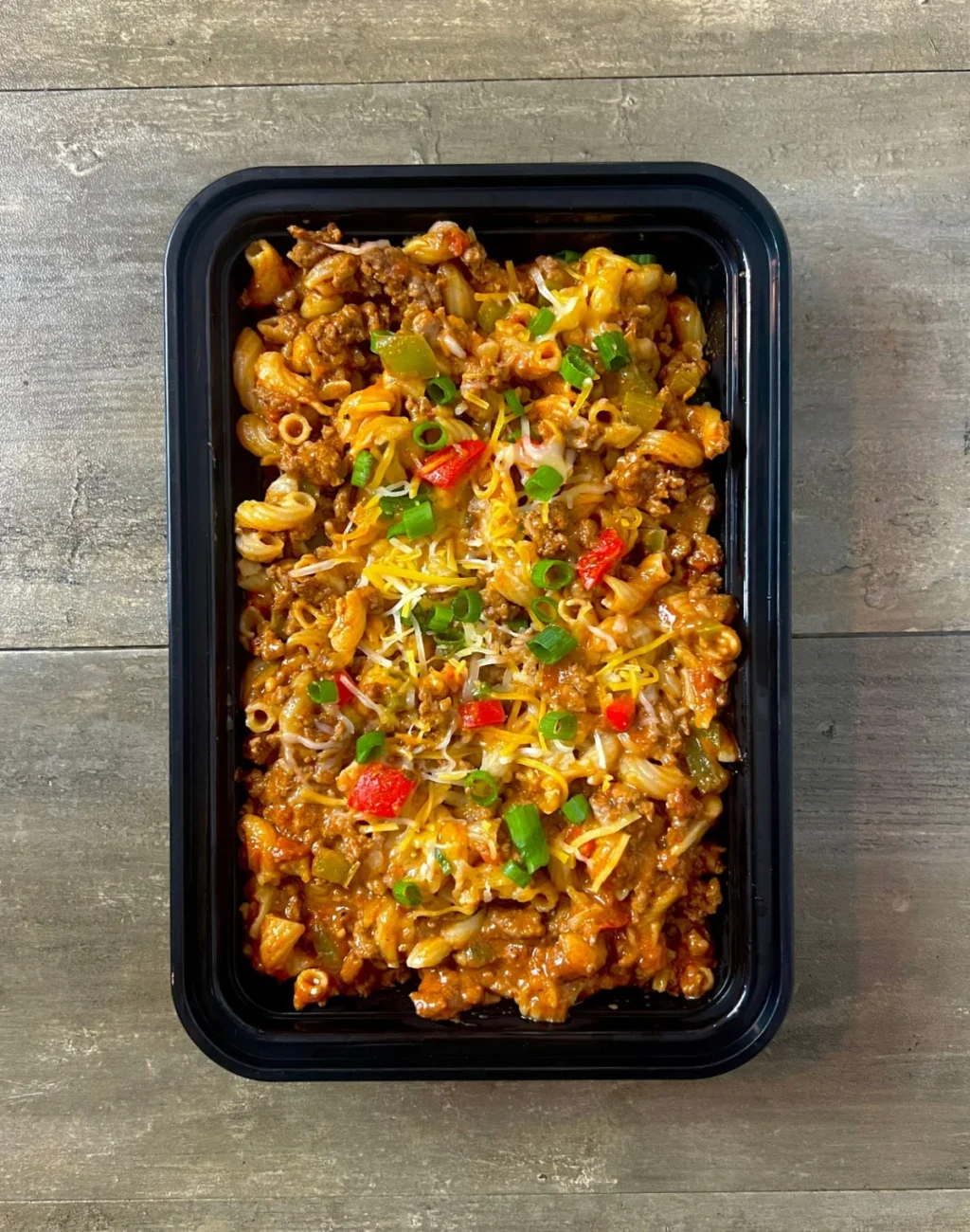
In the modern culinary landscape, the intersection of efficiency and health has become the primary focus for time-constrained professionals and fitness enthusiasts alike. As the "meal prep" movement continues to dominate social media platforms and household routines, the search for recipes that offer high-density nutrition without requiring hours of labor has intensified. Among the latest entries to gain traction is the "Taco Mac"—a streamlined, one-pot dish that promises to bridge the gap between comfort food and macro-nutrient-focused dieting.
This report examines the rise of this recipe, analyzing the nutritional implications of its composition, the logistics of its preparation, and why it has become a staple for those seeking to optimize their weekly dietary intake.
Main Facts: The One-Pot Solution
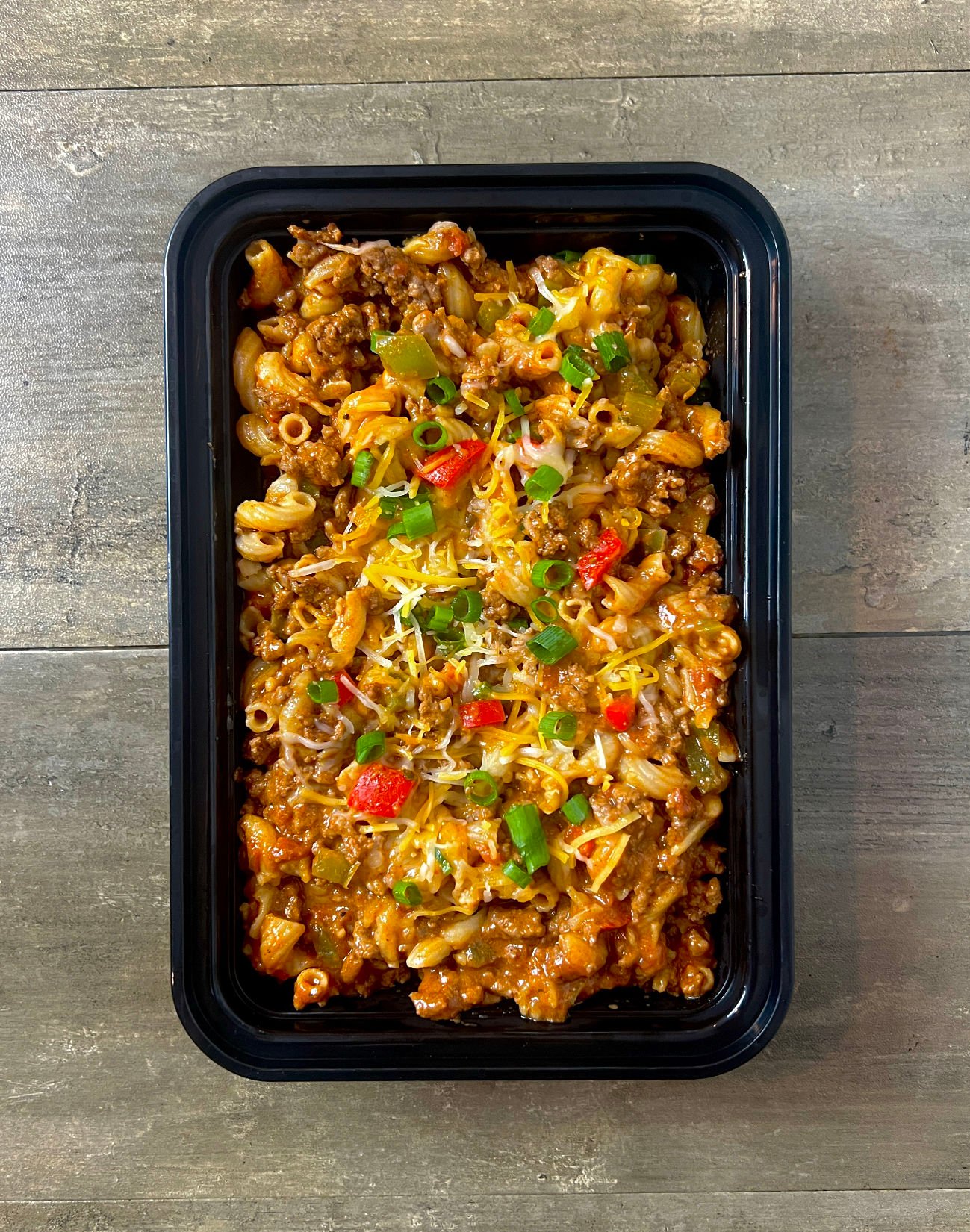
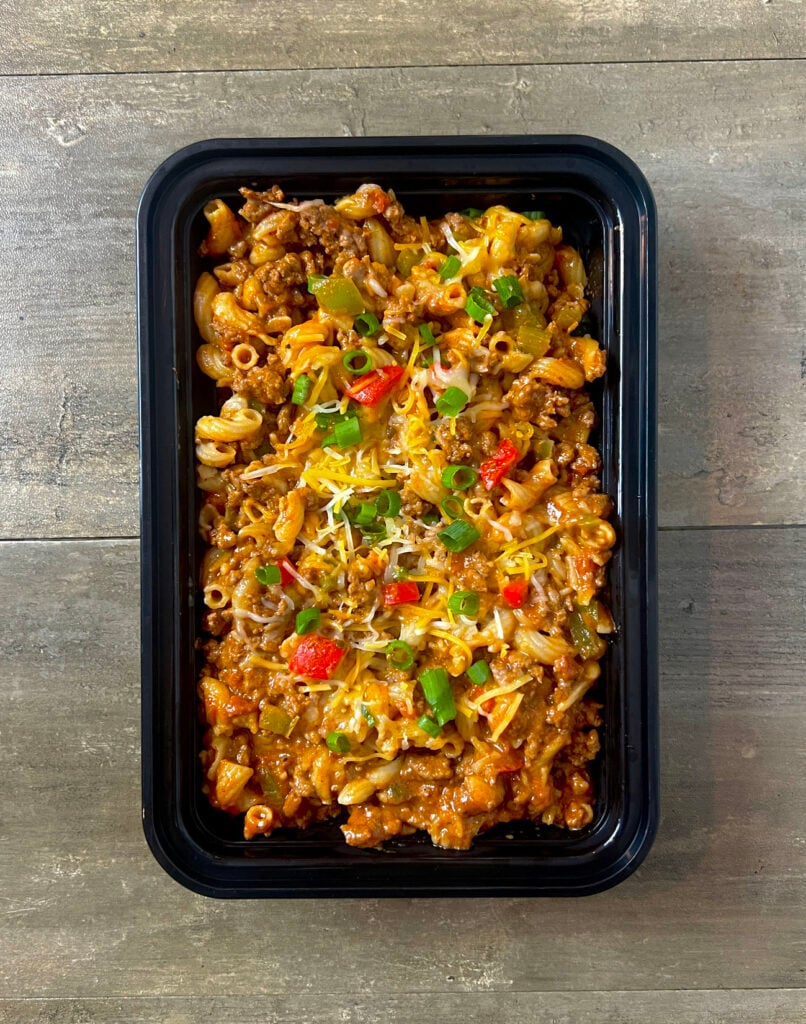
At its core, the Taco Mac is a strategic evolution of traditional pasta-based meals. By integrating lean beef, bell peppers, macaroni, and cheese into a singular cooking vessel, the recipe addresses two of the most significant barriers to consistent healthy eating: time and cleanup.
The dish is designed to yield five servings, making it an ideal candidate for professional meal preppers who plan their intake on a Monday-to-Friday basis. With a total preparation and cook time of approximately 35 minutes, it serves as a response to the "time-poverty" that often forces individuals to resort to processed fast food. By utilizing lean proteins and fiber-rich vegetables, the Taco Mac offers a balanced caloric profile of 674 kcal per serving, specifically formulated to fuel active lifestyles.
Chronology: The Evolution of the 30-Minute Meal
The trajectory of the Taco Mac’s popularity can be traced back to the broader shift in domestic cooking habits observed over the last decade.
- The Pre-2020 Era: Meal preparation was often viewed as a niche hobby for bodybuilders or extreme fitness enthusiasts, characterized by repetitive, flavor-deprived meals like plain chicken and steamed broccoli.
- The Pandemic Shift: As home cooking became a necessity rather than an elective activity, the demand for "elevated comfort food" grew. Consumers began seeking meals that provided psychological satisfaction without sacrificing nutritional goals.
- The Current Landscape: We have entered the age of "Optimized Comfort." Recipes like the Taco Mac have emerged as the standard, leveraging one-pot techniques to minimize kitchen footprint. The 25-minute cook time is a specific industry benchmark for recipes targeting the "busy professional" demographic, ensuring the meal is completed within the duration of a standard sitcom episode or a brief workout cooldown.
Supporting Data: Nutritional Breakdown
For those focused on body composition—whether for hypertrophy or weight management—the data behind the Taco Mac is compelling. The recipe is meticulously balanced to provide high satiety and sustained energy release.

Macro-Nutrient Profile (Per Serving)
- Total Calories: 674 kcal
- Protein: 54g (Essential for muscle repair and metabolic health)
- Carbohydrates: 61g (Provides the glucose necessary for cognitive and physical performance)
- Fat: 24g (Supports hormonal balance and nutrient absorption)
- Fiber: 7g (Crucial for digestive health and blood sugar regulation)
The inclusion of 54 grams of protein is particularly significant. Nutritionists often cite the "protein threshold"—the amount required per meal to trigger muscle protein synthesis—which sits comfortably within the 30-50 gram range for most adults. By hitting this target in a single, palatable meal, the Taco Mac eliminates the need for excessive supplementation or secondary protein sources during the lunch hour.
The Logistics of One-Pot Preparation
The "one-pot" methodology is not merely a convenience; it is a culinary strategy. By cooking the pasta directly with the beef and seasonings, the starch released during the boiling process helps emulsify the cheese and fat, creating a cohesive, restaurant-quality sauce without the need for separate roux or heavy cream bases.

The preparation cycle is as follows:
- Preparation (10 minutes): Chopping peppers and prepping lean beef.
- Searing and Sautéing: Establishing the flavor foundation by browning the protein and aromatics.
- The Simmer: Incorporating the pasta and liquid base, allowing the carbohydrates to absorb the taco-inspired seasonings.
- Final Emulsification: Adding the cheese to create a uniform, creamy texture that maintains its integrity even after being refrigerated for several days.
Official Perspectives and Expert Commentary
While the creator of this specific Taco Mac recipe emphasizes simplicity, industry nutritionists have noted that such meals represent a necessary "middle ground" in dietary planning.

"We often see patients fail in their meal prep efforts because they make them too complicated," says a leading nutritionist. "When you take a familiar profile—like a taco—and apply it to a practical format like macaroni, the adherence rate increases significantly. People are more likely to eat their prepped lunch if it feels like a treat rather than a chore."
Furthermore, the "gluten-free" and "air fryer" keyword associations often linked to this recipe suggest that the dish is highly adaptable. If the user opts for chickpea or lentil-based pasta, the fiber content—already at a respectable 7g—can be pushed even higher, making it a functional food rather than a simple calorie-dense meal.

Implications for Modern Dietary Habits
The popularity of the Taco Mac highlights a fundamental shift in how society views "meal prep." It is no longer synonymous with deprivation. Instead, it is being redefined as "culinary logistics."
The Economic Implication
As inflation continues to impact grocery prices and dining-out costs, the ability to create five high-protein meals for the price of one restaurant entree is a significant economic advantage. By utilizing staple ingredients like macaroni and bulk lean beef, the cost per serving remains significantly lower than pre-packaged health meals.

The Psychological Implication
The "Taco Mac" serves as a psychological buffer against the monotony of clean eating. By incorporating familiar spices—cumin, chili powder, and garlic—the dish provides the sensory experience of a taco without the logistical mess of assembling shells or managing multiple toppings. This sensory satisfaction is critical for long-term diet adherence.
The Future of Efficient Cooking
As we look toward the future, the trend of the "one-pot" meal is likely to continue. With advancements in smart kitchen appliances, the next iteration of these recipes will likely focus on automated temperature control and "set-and-forget" technology. However, the foundational principle will remain the same: the successful meal is one that is nutritionally complete, cost-effective, and—most importantly—prepared in a way that respects the user’s time.

Conclusion
The Taco Mac is more than just a recipe; it is a symptom of a larger cultural desire for efficiency. By blending the high-protein requirements of the fitness community with the comfort-food cravings of the general public, it achieves a delicate balance that few recipes manage to strike. As individuals continue to navigate the demands of high-pressure work environments and health-conscious living, recipes that offer this level of nutritional transparency and logistical ease will continue to define the modern kitchen.
Whether you are a bodybuilder looking to hit your daily macro targets or a busy parent attempting to streamline the work week, the Taco Mac provides a template for success: simple, sustainable, and satisfying. The challenge now remains for the home cook to maintain this consistency, leveraging the one-pot method to reclaim their time and their health.