The Smart Speaker Landscape: Navigating the AI Era in 2026
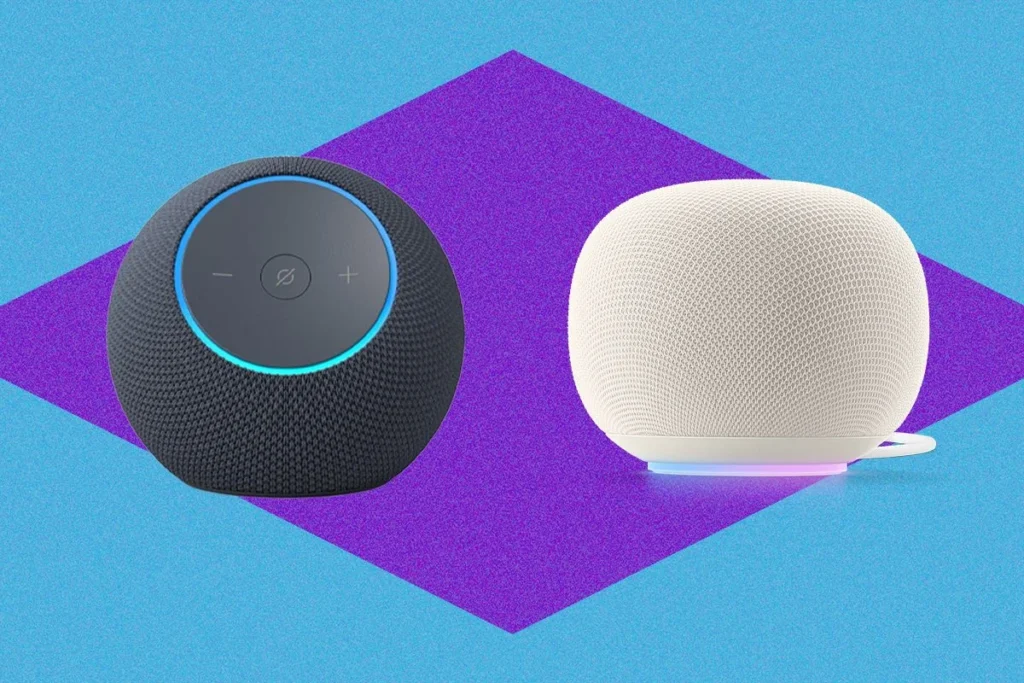
The smart speaker market has matured from a novelty into a household utility, yet the landscape has rarely been as complex—or as expensive—as it is today. For the better part of a decade, consumers have been funneled into three distinct silos: Amazon, Google, and Apple. While the promise of a "smart home" remains the primary draw, the integration of advanced generative AI models has fundamentally changed how these devices function, what they cost, and how they handle your personal data.
After testing nearly every smart speaker released in the last decade, it is clear that choosing the right device is no longer just about sound quality or aesthetics. It is a decision about which ecosystem you are willing to commit to, and how much you are prepared to pay for the privilege of a voice-activated AI assistant.
The Evolution of the Smart Speaker: A Brief Chronology
The journey began in 2014 with the launch of the original Amazon Echo. What started as a simple Bluetooth speaker with a cloud-connected microphone quickly exploded into a product category defined by rapid iteration. Amazon, in particular, adopted a strategy of saturation, releasing multiple new models annually.
For years, Google and Apple played a more reserved game, focusing on premium audio and tighter integration with their respective mobile operating systems. However, the paradigm shifted in 2025 and 2026. The integration of "Alexa+" and "Gemini for Home" represents the most significant leap in smart speaker technology since their inception. These are no longer just command-line interfaces for your music; they are conversational agents designed to act as central nervous systems for the modern home.
The Big Three: Ecosystems and Hardware
Best for Google Users: The 2026 Google Home Speaker
Google’s latest entry, the 2026 Google Home Speaker ($100), is a masterclass in synthesis. It borrows the compact, rounded aesthetic of the Apple HomePod Mini while retaining the intuitive tap controls and vibrant colorways of the older Nest Mini. Most importantly, it is built from the ground up for Gemini.

Gemini represents a departure from the "Google Assistant" of old. It is impressively human, capable of maintaining context across long, winding conversations. While it occasionally suffers from a tendency to be long-winded, its ability to manage complex scheduling tasks and distinguish between artist preferences for song covers makes it the most "intelligent" assistant currently on the market.
Best for Amazon Users: The Echo Dot Max
Amazon continues to dominate the market share, largely due to the sheer variety of its hardware. The Echo Dot Max ($120), launched in late 2025, is the current pinnacle of the Echo line. It manages to pack impressive, room-filling sound into a chassis that fits in the palm of your hand.
Crucially, the Dot Max features a built-in smart-home hub. If you are already entrenched in the Amazon Prime ecosystem, the device’s access to Alexa+—the company’s generative AI-powered assistant—is a significant upgrade. However, as discussed later, the pricing strategy for this access is a point of contention for many consumers.
Best for Apple Users: The HomePod Mini
Apple’s approach remains the most restrictive. The HomePod Mini ($129) is the only viable entry point for those fully committed to the Apple HomeKit ecosystem. While its sound quality is modest compared to some of its rivals, it serves as an excellent, stable hub for Apple-compatible smart home devices. It is simple, reliable, and aesthetically pleasing, though it lacks the conversational depth provided by the newer AI assistants from Google and Amazon.
Supporting Data: The Cost of Intelligence
The landscape has been significantly disrupted by recent pricing strategies. In late August 2026, Amazon implemented a series of price hikes across its hardware catalog. The Echo Dot Max rose to $120, while the standard fifth-generation Echo Dot saw its price jump from $50 to $80.

These increases appear to be a strategic move to push users toward recurring subscriptions. For instance, while Alexa+ is "free" for Prime members, non-members face a $20 monthly fee. This model is clearly designed to incentivize Prime enrollment. Conversely, Google has shifted its focus to the "Google Home Premium" subscription model, with tiers ranging from $10 to $20 per month, bundling advanced camera storage and AI capabilities like Gemini Live.
Official Responses and Industry Context
When asked about the recent price increases, Amazon declined to comment to WIRED directly, though a spokesperson told CNET that the hikes were a response to the rising costs of memory and storage components. Industry analysts, however, suggest that these companies are attempting to normalize the cost of "AI-ready" hardware.
The shift is also reflected in how these devices handle data. Amazon, in particular, has moved away from "local processing" for voice commands. As of early 2026, all voice recordings are sent to the cloud to facilitate the heavy processing required for Alexa+. This change has sparked a fresh wave of privacy concerns, especially given that the option to opt out of cloud-based voice processing has been removed.
Implications for the Consumer
Privacy and the "Always Listening" Concern
The transition to cloud-reliant AI models carries significant privacy implications. While manufacturers maintain that these devices only listen for a "wake word," the necessity of sending all data to the cloud for processing means that our domestic interactions are becoming increasingly digitized and stored on corporate servers. For many, this is a trade-off for convenience; for others, it represents an unacceptable encroachment on personal privacy.
The Problem of Planned Obsolescence
One of the most pressing issues is the lifespan of these devices. While the UK passed legislation in 2024 requiring manufacturers to be more transparent about software update lifespans, the US market remains largely unregulated in this regard. The fear that a $300 smart display will become a "brick" in three years due to dropped software support is a major barrier for many potential buyers.

Navigating the "Smart" Clutter
A persistent issue with smart displays, particularly those from Amazon, is the prevalence of on-screen advertisements. While Google’s Nest Hub interface remains relatively clean, Amazon’s Echo Show series often feels like an extension of the Amazon storefront. Navigating these settings to disable "Home Content" and "Sponsored Content" is a chore that many users find frustrating.
Strategic Recommendations for the Buyer
If you are looking to invest in a smart speaker today, consider these three pillars:
- Ecosystem Compatibility: If you are an Android user, the Google Home Speaker is the obvious choice. If you are an iPhone user, the HomePod Mini is the only way to ensure native integration. If you are an Amazon Prime subscriber, the Echo Dot Max is the most feature-rich option, provided you accept the company’s aggressive upsell tactics.
- Audio vs. Utility: If you prioritize sound quality, the Amazon Echo Studio remains the best-sounding Alexa speaker. If you prioritize AI-driven task management, the Google Home Speaker with Gemini is currently unrivaled.
- The "Sale" Strategy: Given the recent price hikes, avoid buying at full retail price. Both Amazon and Google run frequent, deep-discount events. In the case of the Echo Dot, waiting for a sale is now essential, as the new "base" price is significantly higher than the traditional street price of previous generations.
Conclusion
The smart speaker has evolved into a sophisticated, AI-driven assistant that offers unprecedented levels of convenience at the cost of increased dependency on corporate ecosystems. While the technical capabilities of these devices are higher than ever, the barrier to entry has risen alongside them.
Whether you choose the conversational prowess of Google’s Gemini, the deep integration of Amazon’s Alexa+, or the curated, closed-garden experience of Apple’s Siri, the fundamental requirement for the consumer remains the same: remain vigilant about your privacy settings, understand the subscription costs involved, and choose the platform that best aligns with the digital life you have already built. The era of the "smart" home is here, but it is an era that demands a more informed and cautious consumer.