The TCL Tab A1 Plus: A New Benchmark for the Budget Android Tablet Market
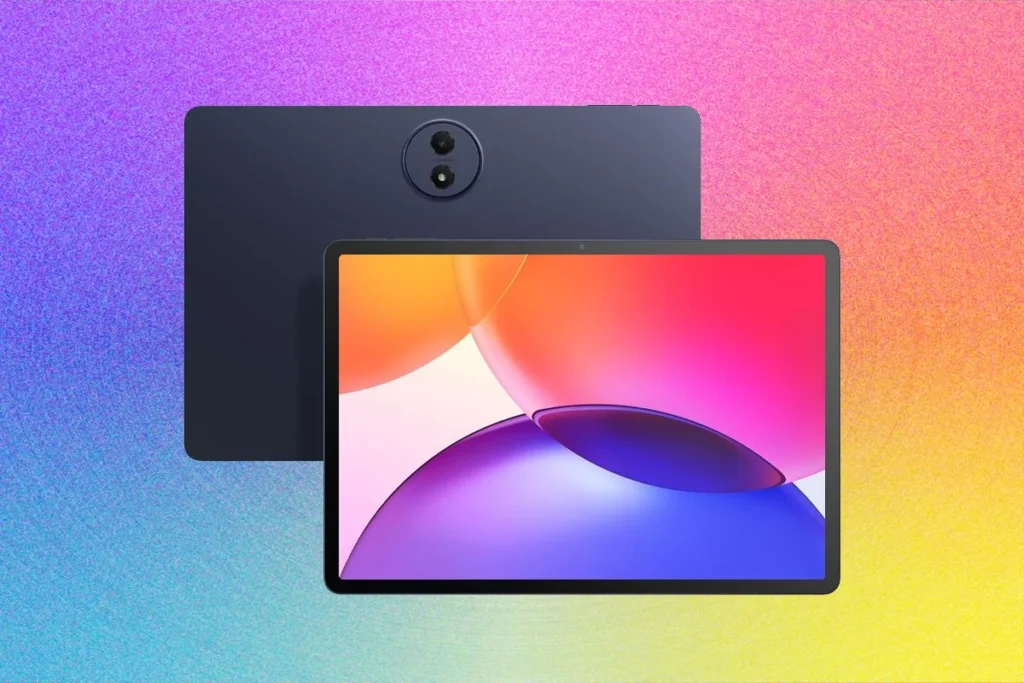
In an era where flagship tablets command prices that rival high-end laptops, the mid-range and budget segments have become the true battleground for consumer loyalty. TCL, a company long celebrated for its display technology and accessible consumer electronics, has entered the fray with the Tab A1 Plus. Positioning itself as a direct challenger to established giants like Samsung and Lenovo, the A1 Plus promises a premium visual experience without the prohibitive cost.
This review explores whether TCL’s latest offering can sustain the weight of its ambitious feature set, from its AI-driven productivity tools to its refined multitasking capabilities, and ultimately, whether it stands as the new king of the budget Android hill.
Main Facts: Performance Meets Pragmatism
At its core, the TCL Tab A1 Plus is designed for the multitasking professional and the casual media consumer alike. It does not attempt to compete with the silicon-heavy performance of an iPad Pro or a Galaxy Tab S9 Ultra. Instead, it offers a balanced hardware profile that prioritizes utility.
The standout feature of the device is undoubtedly its display. While many competitors in the sub-$300 category are still clinging to standard 60Hz panels and 1080p resolutions, the A1 Plus boasts a sharp 2.5K display coupled with a 120Hz refresh rate. This combination provides a fluidity in navigation and media playback that makes the device feel significantly more expensive than it is.
Key Features at a Glance:
- Productivity Suite: Features the "Magic Hub" sidebar for seamless content clipping and organization.
- Display: High-resolution 2.5K panel with a smooth 120Hz refresh rate.
- Versatility: Supports both "Extend" and "Mirror" modes, allowing the tablet to function as a secondary monitor for PC and Mac setups.
- AI Integration: On-device AI tools, including Gemini, Writing Assist, and Smart Translator, providing privacy-focused assistance without the need for cloud connectivity.
- Battery Performance: All-day longevity under heavy load with a fast-charging architecture that hits 100% in under three hours.
Chronology: The Evolution of TCL’s Tablet Strategy
TCL’s journey into the tablet space has been one of iterative refinement. Early iterations of TCL tablets were largely relegated to the "barebones" category, often suffering from lackluster software optimization and dim screens.
The transition began roughly 18 months ago when the company shifted its focus toward integrating its proprietary display technology—which powers their highly successful TV lineup—into its mobile hardware. The Tab A1 Plus represents the culmination of this strategy. By taking the "Magic Hub" feature, previously seen in their smartphone lineup, and scaling it for a larger form factor, TCL has acknowledged that tablet users prioritize workflow efficiency as much as hardware specs.
The recent launch of the A1 Plus follows a period of market contraction in the Android tablet space, where consumers have grown weary of "disposable" tablets that slow down after six months of use. TCL’s current roadmap appears to be focused on longevity, evidenced by their increased attention to battery management and physical build quality.
Supporting Data: Testing the Limits
To understand the real-world value of the A1 Plus, we must look beyond the spec sheet.
Multitasking Efficiency
The "Magic Hub" is more than a gimmick. In testing, the side-drawer functionality proved highly effective when paired with the tablet’s split-screen view. For users who frequently move text or images between web browsers and note-taking apps, the Hub eliminates the "copy-paste-switch" cycle that plagues Android multitasking. It serves as a temporary clipboard buffer, significantly reducing the cognitive load of cross-app workflows.
The Display Advantage
When compared to the Lenovo Idea Tab Plus, the visual discrepancy is immediately apparent. While the Lenovo model also features a high-resolution display, the TCL’s 120Hz refresh rate makes scrolling through long articles or social media feeds feel buttery smooth. Furthermore, the color accuracy on the A1 Plus is superior, with deeper blacks and higher peak brightness, making it a better candidate for outdoor use or bright office environments.
Battery and Power Management
In our testing, which included a mix of high-intensity browsing, music streaming, and prolonged video playback, the device consistently lasted through a full workday. Even when subjected to heavy streaming—such as watching baseball games—the battery depletion remained linear and predictable. The standby mode is equally impressive; the device can sit for several days without significant battery drain, a common pain point for entry-level Android devices.
Official Responses and AI Implementation
TCL has been transparent about its approach to AI, specifically the decision to keep tools like the "Smart Translator" and "Writing Assist" on-device. In a statement regarding their software philosophy, a spokesperson for TCL noted:
"Our priority with the A1 Plus was to provide powerful productivity tools that respect user privacy. By running these AI features locally, we ensure that sensitive text and translation data do not leave the device, providing a safer and faster experience for our users."
While these features are not as robust as cloud-based solutions—such as those integrated into more expensive tablets with constant internet access—they are perfectly adequate for basic drafting and translation tasks. This "privacy-first" approach is a significant selling point for corporate users and students who operate in environments where data security is a priority.
Implications: The Market Landscape
The release of the Tab A1 Plus forces a recalibration of what consumers should expect from a "budget" tablet.
Competitive Positioning
- Versus Lenovo: While Lenovo offers a longer support lifecycle for Android updates, the TCL Tab A1 Plus wins on pure display quality and tactile experience.
- Versus Samsung: The Samsung Tab 11, long considered the standard-bearer for entry-level Android tablets, is now objectively inferior in terms of raw resolution. Unless a user is deeply invested in the Samsung ecosystem (DeX, ecosystem connectivity), the A1 Plus offers a more modern display for less money.
- Versus the iPad: For users who are strictly looking for an entry-level device, the A1 Plus is the closest Android alternative to the base-model iPad. It offers a similar "workhorse" capability at a price point that makes it more accessible to students and first-time tablet buyers.
Why You Should Buy It
The TCL Tab A1 Plus is the ideal device for the user who wants premium features without the "brand tax" of a flagship device. It is a tool for students, casual professionals, and media enthusiasts who value a high-quality screen and stable performance.
However, prospective buyers should be aware of the trade-offs. The A1 Plus will not replace a high-end PC for intensive creative work like video editing or complex 3D rendering. Furthermore, while the on-device AI is useful, power users who rely on sophisticated, cloud-based LLMs may find the toolset slightly limited compared to the integrated ecosystems of Apple or high-end Samsung devices.
Ultimately, the A1 Plus is a triumph of balance. It does not try to be everything to everyone; instead, it provides a refined, efficient, and visually stunning experience that sets a new high-water mark for the budget Android tablet category. If you are in the market for a device that offers reliability, a superior display, and smart multitasking features at a reasonable price, the TCL Tab A1 Plus is currently the most compelling option available.