The Ultimate Guide to Batch-Prep Chipotle Chicken: Mastering Your Freezer Staples
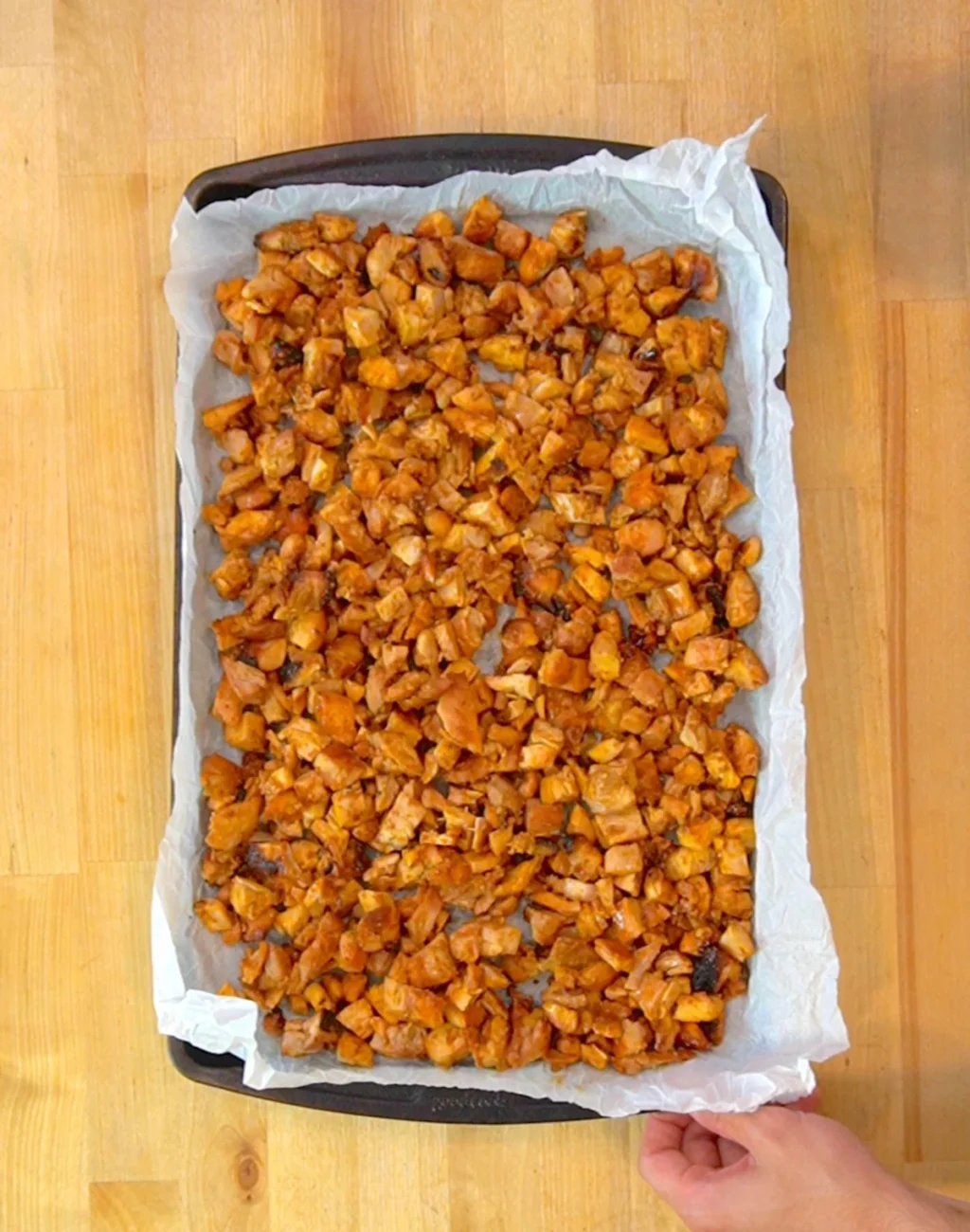
In the fast-paced world of modern living, the ability to maintain a healthy, consistent diet often falls victim to the constraints of time. Meal prepping has emerged not merely as a fitness trend, but as a critical logistical solution for professionals and families alike who seek to balance nutrition with efficiency. Among the most versatile staples in any meal-prep arsenal is the Chipotle Chicken—a high-protein, flavor-forward solution designed to serve as the anchor for healthy burrito bowls all week long.
Main Facts: The Power of Strategic Batch Cooking
The Chipotle Chicken recipe is engineered specifically for "Snack City"—a concept popularized by efficiency-minded home cooks who utilize the freezer as a tool for success rather than a graveyard for leftovers. By dedicating a single afternoon to the preparation of this dish, home cooks can secure ten high-protein, nutrient-dense meals that maintain their texture and flavor profile through the freezing and reheating process.
With a calorie count of just 309 per serving, this recipe is a masterclass in macronutrient management. Each serving provides a robust 44 grams of protein, while keeping carbohydrates at a negligible 3.4 grams and healthy fats at 13 grams. This makes it an ideal candidate for those following ketogenic, low-carb, or high-protein dietary protocols.
The efficacy of this dish lies in its simplicity. By utilizing high-quality chicken and a potent chipotle-based marinade, the flavor penetrates deep into the protein, ensuring that even after a stint in the freezer, the meat remains succulent and flavorful when reheated for a quick lunch or dinner.
Chronology: The Lifecycle of the Perfect Prep
Achieving the ideal batch-prepped Chipotle Chicken requires a disciplined approach to time management. While the total "active" labor is minimal, the flavor profile is built over the course of nearly four hours.
Phase 1: The Marination (3 Hours)
The foundation of this dish is the marinade. The acidity of the ingredients, combined with the heat of the chipotle peppers, acts as a tenderizing agent. Allowing the chicken to sit for a full three hours is not a suggestion—it is a requirement for the depth of flavor that defines this recipe. During this time, the proteins undergo a chemical transformation, absorbing the smoky, spicy notes of the chipotle.
Phase 2: Active Preparation (10 Minutes)
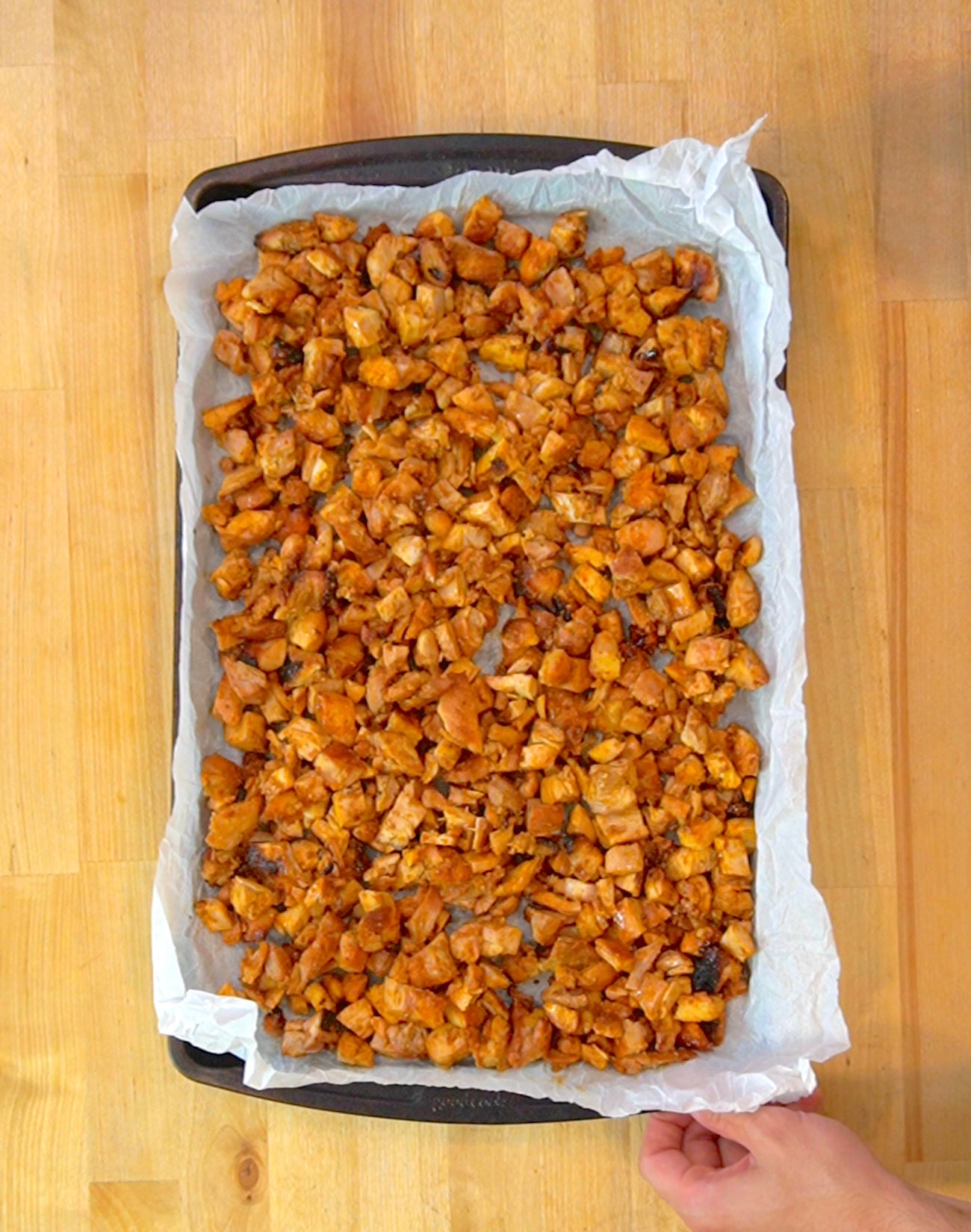
Once the marination is complete, the active prep time is remarkably short. This involves searing or roasting the chicken to ensure a Maillard reaction—the browning process that locks in moisture and creates a complex crust. Because the recipe is designed for 10 servings, it is essential to use a large surface area, such as a full-sized sheet pan, to prevent overcrowding and steaming, which can negatively impact texture.
Phase 3: The Cooking Process (30 Minutes)
The cooking phase is where the "Snack City" efficiency comes to life. Whether using an oven or a high-heat stovetop method, the chicken should be cooked until it reaches an internal temperature of 165°F. Precise cooking ensures that the chicken does not dry out during the subsequent reheating phase.
Phase 4: Cooling and Storage
The final step is the most critical for freezer longevity. The chicken must be allowed to cool to room temperature before being portioned into airtight containers. Sealing hot food causes condensation, which creates ice crystals during the freezing process—the primary culprit behind freezer burn.
Supporting Data: Macronutrient Breakdown and Nutritional Efficiency
For the data-driven eater, the Chipotle Chicken offers a clear window into how one can control their caloric intake without sacrificing culinary enjoyment. The following data highlights why this recipe has become a staple for athletes and time-conscious professionals:
- Total Servings: 10
- Calories per Serving: 309 kcal
- Protein: 44g (Essential for muscle repair and satiety)
- Carbohydrates: 3.4g (Minimal impact on glycemic response)
- Fats: 13g (Includes essential fatty acids from marinade oils)
- Fiber: 1.28g
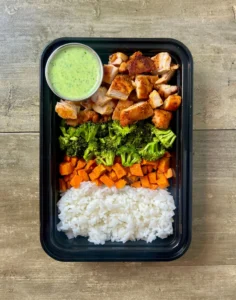
The nutritional profile suggests that this recipe is best paired with complex carbohydrates—such as quinoa, brown rice, or black beans—and a variety of fibrous vegetables to create a complete, balanced burrito bowl. Because the chicken itself is low in carbohydrates, the user has the flexibility to adjust their total bowl intake based on their specific daily energy requirements.
Official Perspectives: The Philosophy of "Snack City"
The term "Snack City," as used by proponents of this specific preparation method, refers to the psychological and practical benefit of having a fully stocked freezer. Experts in the field of nutritional science often point to the "decision fatigue" that occurs at the end of a long workday. When a high-protein, pre-cooked meal is readily available, the likelihood of ordering high-calorie, processed takeout drops significantly.
Professional chefs and nutritionists emphasize that the secret to this recipe’s success is the use of authentic chipotle peppers in adobo. Unlike artificial powders, the adobo sauce provides a complex base of vinegar, garlic, and tomato, which acts as a natural preservative and flavor enhancer. When the chicken is vacuum-sealed or stored in high-quality freezer-safe containers, the chemical stability of the marinade protects the meat from the harsh environment of a home freezer for up to three months.
Implications for the Modern Lifestyle
The implications of adopting this batch-prep method extend beyond the kitchen. The democratization of nutrition—the ability for anyone to cook restaurant-quality, macro-friendly food at home—is a significant shift in how we approach preventative health.
Economic Efficiency
Purchasing chicken in bulk and preparing it in one 40-minute window significantly reduces the per-meal cost. When compared to the average cost of a commercial fast-casual burrito bowl, which can range from $12 to $18, the home-prepped version costs a fraction of the price.
Dietary Consistency
The most significant barrier to any health goal is inconsistency. By removing the need to shop, chop, and cook every single night, the Chipotle Chicken method creates a "fail-safe" environment. Even on the busiest days, a 3-minute microwave reheat provides a meal that aligns with long-term fitness goals.
Environmental Impact
Batch prepping is inherently more sustainable. It encourages the use of reusable glass containers, reduces food waste by ensuring every ounce of purchased protein is utilized, and cuts down on the single-use plastic packaging associated with takeout containers and meal delivery services.
Conclusion: Elevating Your Culinary Routine
The Chipotle Chicken for Burrito Bowls is more than just a recipe; it is a tactical tool for modern survival. By mastering the 10-minute prep and the 30-minute cook time, you are investing in your future health and financial well-being. Whether you are training for a competition, managing a demanding career, or simply trying to provide better meals for your family, the principles of batch prep remain the same: prepare with intention, store with care, and eat with confidence.
As you look toward your next kitchen session, remember that the goal is not perfection, but progress. Start with these ten servings, experiment with your favorite bowl toppings—perhaps some fresh lime, cilantro, or a dollop of Greek yogurt as a sour cream substitute—and watch how your "Snack City" freezer stash transforms your daily routine. The path to a healthier life is often found in the most simple, well-executed habits.