The Ultimate Guide to Chipotle-Style Fajita Vegetables: Mastering the Art of Batch Prep
In the fast-paced world of modern meal preparation, the quest for efficiency often comes at the expense of flavor. Home cooks frequently struggle to replicate the vibrant, charred, and perfectly seasoned vegetables found at popular fast-casual chains like Chipotle. However, the secret to achieving that restaurant-quality experience at home lies not in complex culinary techniques, but in the strategic application of batch preparation. By mastering a simple, freezer-friendly fajita vegetable recipe, you can ensure that your weekly meal prep is both nutritionally balanced and consistently delicious.
This guide explores the mechanics of preparing these signature vegetables, the nutritional implications of incorporating them into your diet, and the long-term benefits of maintaining a "Snack City"—a dedicated freezer stash—for your daily burrito bowls.
Main Facts: The Anatomy of the Perfect Fajita Mix
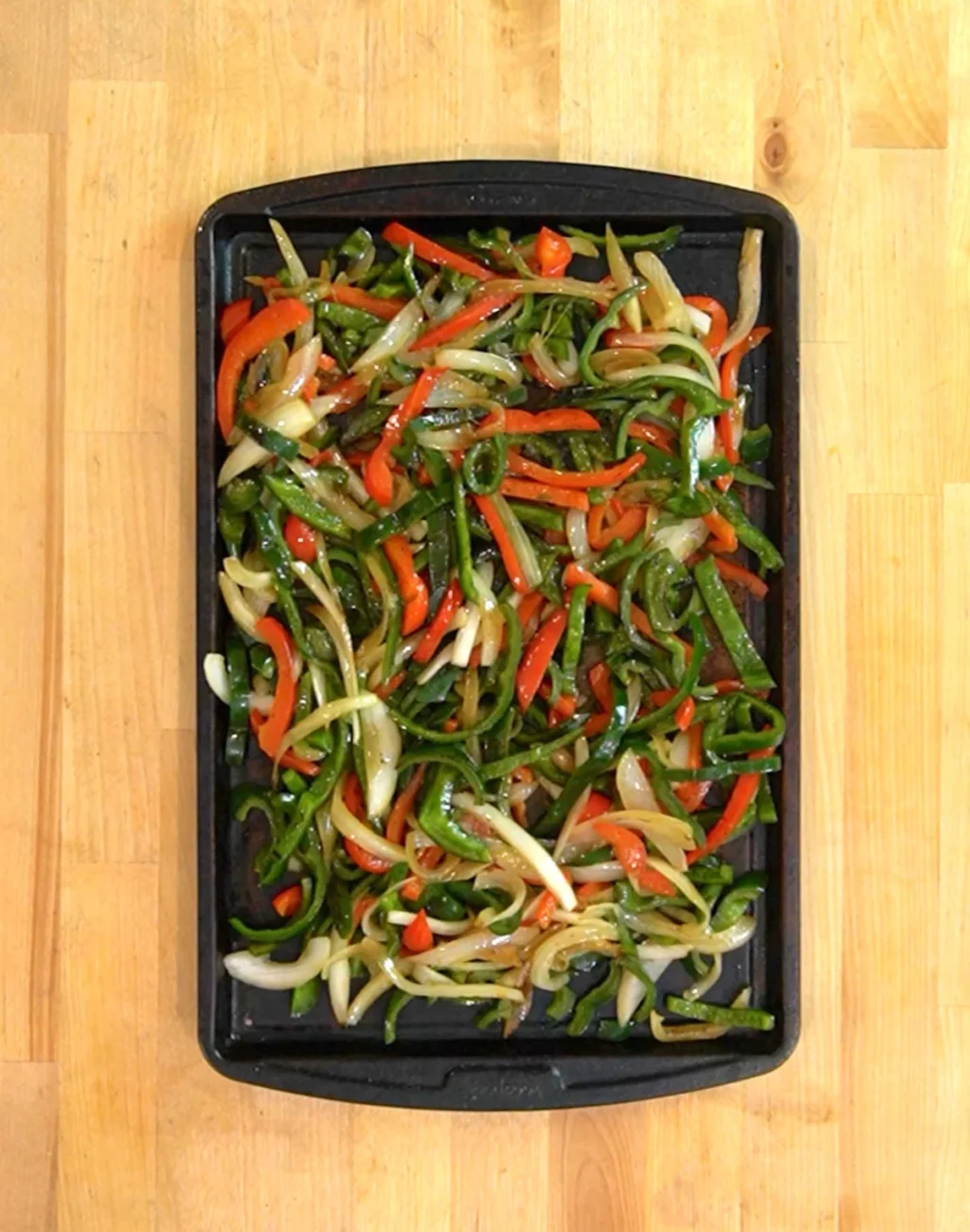
The hallmark of a great fajita vegetable blend is the balance between texture and seasoning. Whether you are aiming for a quick lunch or a robust dinner, the fundamental components remain consistent: bell peppers and onions.
The Ingredients
To replicate the Chipotle-style flavor profile, the focus must be on high-quality produce. Use a mix of red, green, and yellow bell peppers to provide a spectrum of sweetness and color. The onions—typically red or yellow—provide the savory foundation that caramelizes under high heat. When seasoned with a blend of salt, pepper, and a touch of oregano (the standard seasoning profile for this style of dish), the vegetables undergo a transformation that elevates them from mere side dishes to the star of the plate.
The Nutritional Profile
For those tracking their macronutrients, this recipe is a masterclass in low-calorie density. Each serving, designed to be part of a larger 10-serving batch, contains approximately 59 calories. The breakdown is exceptionally clean:
- Carbohydrates: 6.5g
- Protein: 1g
- Fat: 3.2g
- Fiber: 1.9g
Because these vegetables are naturally gluten-free, vegan, and vegetarian, they serve as a versatile base for almost any dietary requirement.
Chronology: From Raw Produce to Freezer-Ready Gold
Achieving the perfect texture requires a systematic approach to cooking. The entire process, from chopping board to freezer, takes approximately 20 minutes.
1. The Prep Phase (5 Minutes)
Consistency is key. Aim to slice your peppers and onions into uniform, thin strips. Uniformity ensures that the vegetables cook at the same rate, preventing one part of the batch from becoming mushy while the other remains raw.
2. The Searing Phase (15 Minutes)
Use a large skillet or a commercial-grade flat-top griddle if available. The goal is a "hard sear." Preheat your pan with a small amount of oil to a high temperature. Add the vegetables in batches if necessary to avoid crowding the pan; crowding will cause the vegetables to steam in their own juices rather than caramelize. You are looking for a slight char on the edges—the "Maillard reaction"—which provides that signature smoky flavor.
3. The Cooling and Storage Phase
Once cooked, allow the vegetables to cool completely at room temperature. Placing hot food directly into a freezer bag can lead to condensation, which creates ice crystals and ruins the texture upon reheating. Once cool, portion the vegetables into airtight containers or freezer-safe bags, removing as much air as possible to prevent freezer burn.
Supporting Data: Why Batch Prep is a Productivity Multiplier
The concept of "Snack City" is rooted in the psychology of habit formation. When healthy options are readily available, the likelihood of adhering to a nutritional plan increases exponentially.
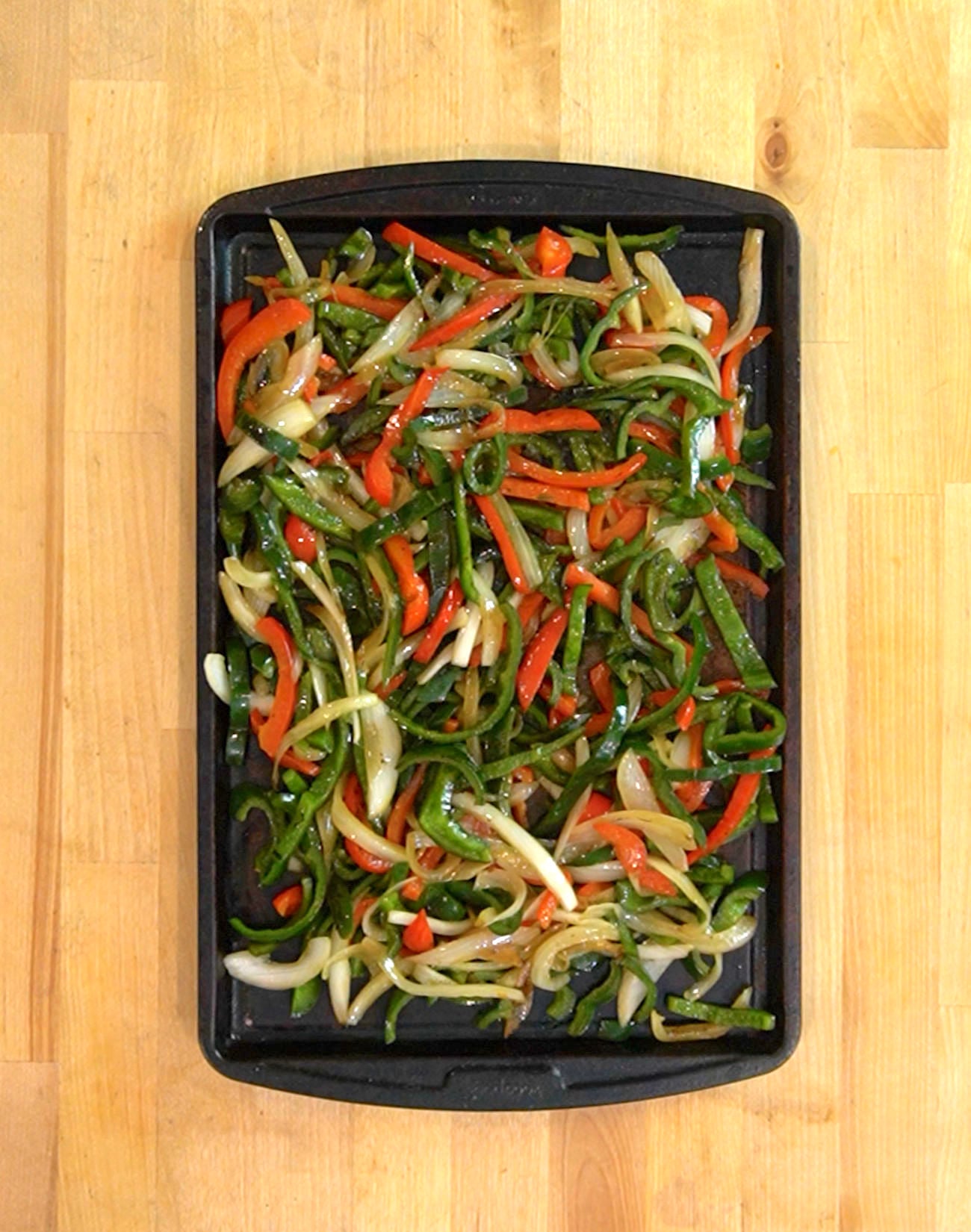
According to meal preparation experts, the "barrier to entry" for healthy eating is often the time required for cleanup and cooking. By spending 20 minutes once a week to produce 10 servings of fajita vegetables, you effectively remove the excuse of "not having time to cook" for the next ten meals.
The Economics of Home Cooking
Beyond the time savings, the financial implications are significant. Purchasing bulk bell peppers and onions is considerably cheaper than the markup on prepared vegetable sides at fast-casual restaurants. Furthermore, because these vegetables freeze exceptionally well, food waste is minimized. You are only consuming what you need, when you need it, rather than letting produce wither in the refrigerator crisper drawer.
Implications: Integrating Fajita Veggies into Your Lifestyle
The implications of adopting this batch-prep method extend beyond mere convenience; they impact long-term metabolic health and dietary consistency.
Simplifying the Burrito Bowl
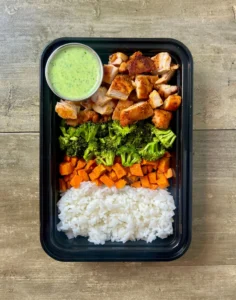
The most common application for these vegetables is the burrito bowl. By having a pre-portioned bag of seasoned fajita vegetables in the freezer, you have the "anchor" of a meal ready to go. Simply add a protein source (such as grilled chicken, tofu, or lean beef), a carbohydrate (like cilantro-lime rice or quinoa), and a healthy fat (such as guacamole or Greek yogurt-based sour cream). This combination provides a complete meal that mirrors the quality of a restaurant order for a fraction of the cost and calorie count.
Customization and Scaling
The data provided for this recipe assumes a 10-serving yield. However, the beauty of this method lies in its scalability. If you are prepping for a family or a longer period, simply multiply the ingredients. Note, however, that when scaling up, you must account for the surface area of your cooking surface. Cooking in smaller, managed batches is always preferable to a massive, unevenly cooked single batch.
Addressing Common Questions: Optimization and Storage
How do I prevent the vegetables from getting watery?
The "wateriness" is usually a result of under-cooking or overcrowding. Ensure your pan is hot enough before the vegetables hit the surface. If you notice too much liquid, turn up the heat and continue to sauté until the moisture evaporates.
How long do these stay good in the freezer?
While these vegetables are safe to consume for several months when properly stored in a deep freezer, they are best enjoyed within 30 days for optimal texture and flavor retention.
Can I add other vegetables to this mix?
Certainly. While peppers and onions are the classic Chipotle standard, you can easily incorporate sliced zucchini, mushrooms, or even thin strips of poblano peppers for added depth and complexity. Just ensure that the additional vegetables have similar cooking times to the base components.
What if I want to adjust the serving size?
The nutritional table provided in the recipe is a guideline based on the 10-serving total. If you choose to split the batch differently, you can easily recalculate your macros by dividing the total nutrient content of the batch by your desired number of portions. For example, if you prefer five "double-size" servings, simply double the calorie and macronutrient counts per serving.
Conclusion: The Path to Sustainable Nutrition
The Chipotle-style fajita vegetable recipe is more than just a simple side dish; it is a fundamental tool for anyone looking to optimize their time and health. By investing a mere 20 minutes into the preparation process, you eliminate the daily friction that often leads to unhealthy dietary choices.
Whether you are a busy professional, a fitness enthusiast, or simply someone looking to streamline your kitchen routine, the "Snack City" approach offers a scalable, affordable, and delicious solution. As with all cooking, the final product is only as good as the technique applied. Focus on the sear, prioritize the quality of your produce, and embrace the consistency of batch preparation. Your future self—and your future lunches—will thank you.