The Ultimate Guide to Sheet Pan Teriyaki Chicken: Mastering the Art of Balanced Meal Prep
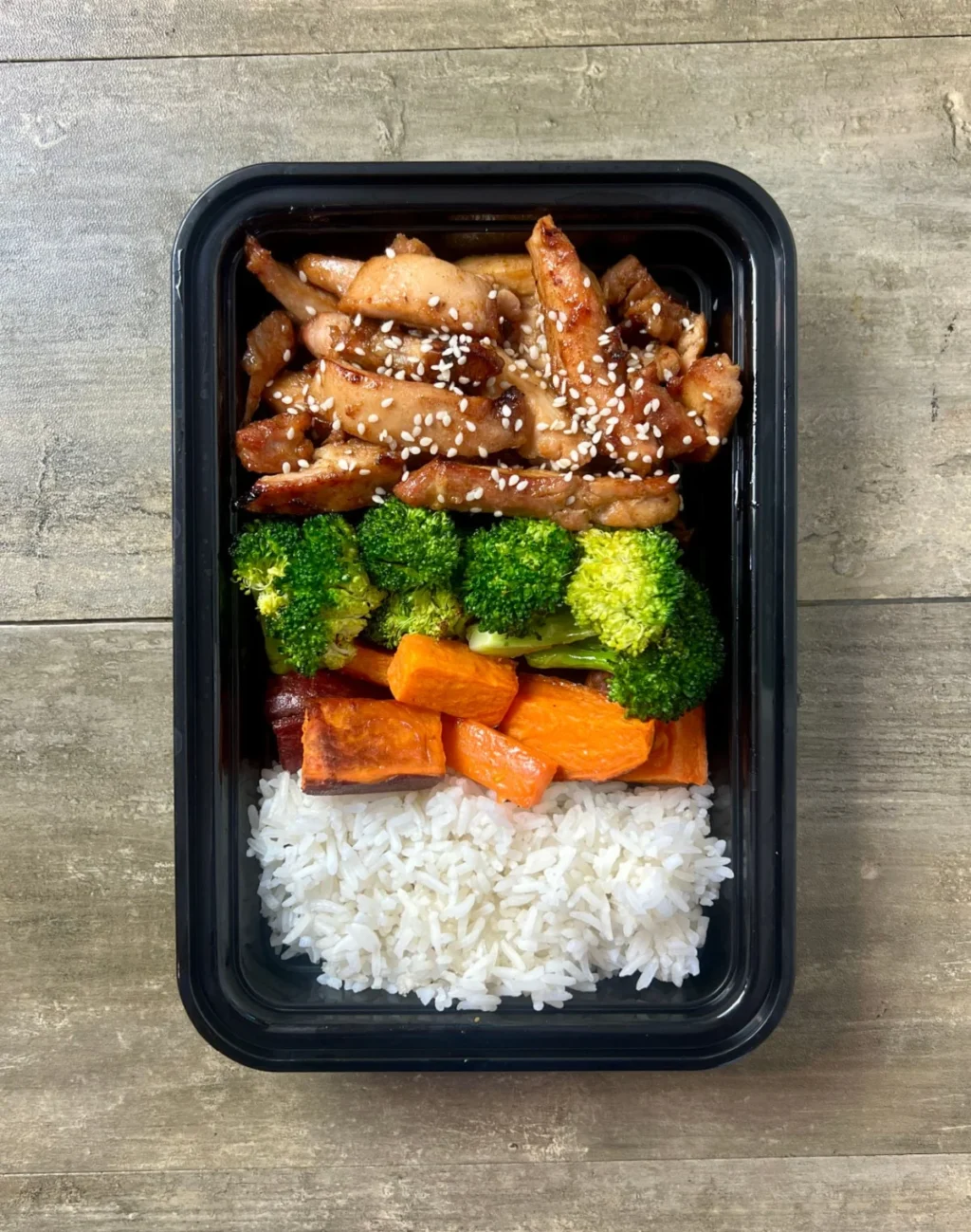
In the fast-paced landscape of modern nutrition, the quest for a meal that satisfies the palate while adhering to strict dietary macros can feel like an elusive pursuit. However, the emergence of "Sheet Pan Teriyaki Chicken and Vegetables" as a culinary staple represents a significant shift in how we approach weekly meal preparation. This dish is not merely a recipe; it is a masterclass in efficiency, combining the savory depth of Japanese-inspired glazes with the nutritional density of lean protein, fiber-rich root vegetables, and complex carbohydrates.
As health-conscious individuals increasingly seek to avoid the pitfalls of processed convenience foods, this Sheet Pan Teriyaki Chicken provides a robust, scientifically balanced alternative. With a prep time of 20 minutes and a total kitchen turnaround of one hour, it addresses the primary barrier to healthy eating: the time commitment.
Main Facts: The Anatomy of a Perfect Prep Meal
The core appeal of this dish lies in its structural simplicity. By utilizing a high-heat roasting method followed by a broiler finish, the recipe achieves a caramelized, restaurant-quality texture that is often lost in standard slow-cooker or stovetop preparations.
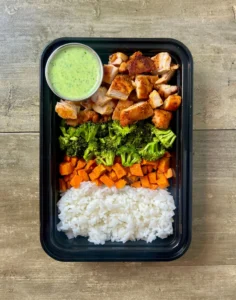
Each serving—designed for a five-meal weekly rotation—delivers approximately 550 calories. The macronutrient profile is meticulously balanced for performance and satiety: 62g of carbohydrates for sustained energy, 44g of muscle-repairing protein, and 14g of healthy fats. By incorporating sweet potatoes and broccoli, the meal also provides a significant boost of dietary fiber (nearly 5g per serving), which is essential for digestive health and blood sugar regulation.
The "sheet pan" methodology is inherently democratic; it allows for simultaneous cooking of disparate ingredients, ensuring that the chicken thighs remain succulent while the vegetables reach an optimal, slightly charred state of tenderness.
Chronology: The Evolution of the One-Pan Method
The rise of the sheet pan meal can be traced back to the broader "minimalist cooking" movement of the early 2020s. Culinary experts observed a growing fatigue among home cooks regarding the "cleanup burden" associated with complex meal prep.
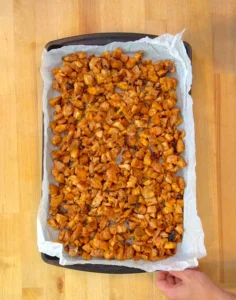
- The Preparation Phase (0-20 Minutes): The process begins with the careful selection and chopping of ingredients. Sweet potatoes are cubed to a uniform size to ensure even cooking, while the broccoli is trimmed into florets. The chicken thighs—chosen for their moisture retention compared to breast meat—are seasoned and prepared for the marinade.
- The Roasting Phase (20-50 Minutes): The ingredients are distributed across the sheet pan. The oven is set to a moderate-to-high temperature to allow the internal temperature of the protein to rise steadily while the sugars in the sweet potatoes begin to caramelize.
- The Broiler Finish (50-60 Minutes): The final ten minutes are the most critical. By introducing a direct heat source from the broiler, the teriyaki glaze is forced to reduce and adhere to the chicken, creating that signature "sticky" texture that defines classic Japanese teriyaki.
Supporting Data: Macronutrients and Nutritional Strategy
In professional nutritional science, consistency is the bedrock of habit formation. For those utilizing this recipe as part of a structured diet, the data is highly predictable.
- Protein (44g): Primarily sourced from chicken thighs, this protein content is sufficient to support muscle protein synthesis, particularly for those engaged in resistance training.
- Carbohydrates (62g): The inclusion of rice alongside sweet potatoes creates a two-tiered carbohydrate absorption profile. The rice provides immediate glycogen replenishment, while the fiber in the sweet potatoes ensures a slower, more sustained release of glucose.
- Fats (14g): By limiting added oils and relying on the natural fats present in the chicken thighs, the recipe keeps caloric density manageable without sacrificing flavor.
This balance is particularly effective for individuals looking to maintain weight while fueling active lifestyles. Unlike high-fat or high-sugar convenience meals, this profile prevents the "afternoon slump" typically associated with glucose spikes and crashes.
Official Perspectives: The Role of Meal Prep in Public Health
Nutritionists and lifestyle coaches have increasingly endorsed the "prep once, eat often" philosophy. The primary challenge in public health regarding nutrition is not a lack of knowledge, but a lack of accessibility.
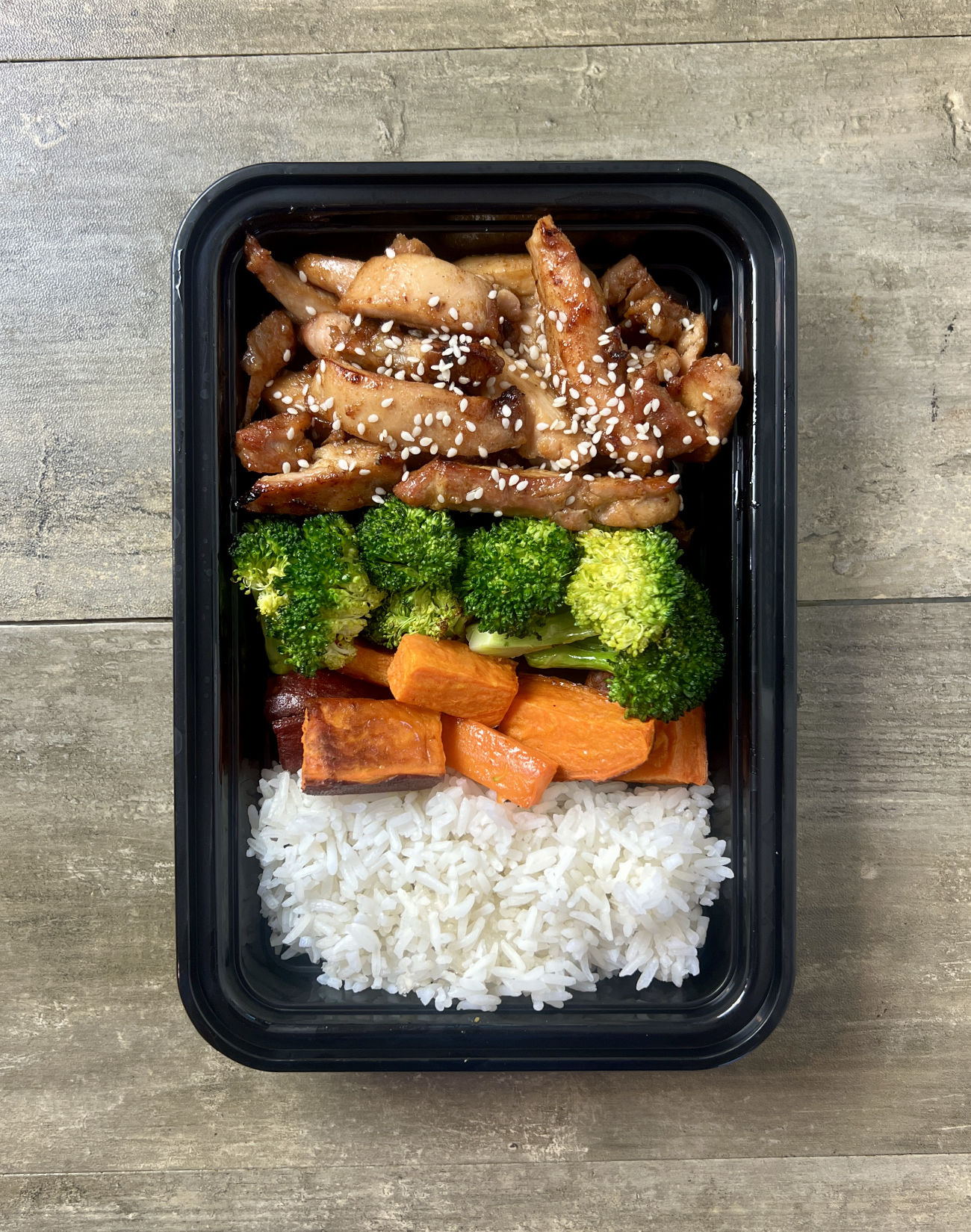
"When a meal is already prepared, packaged in a container, and waiting in the refrigerator, the friction of decision-making is removed," says one industry expert. "The Sheet Pan Teriyaki Chicken is successful because it is sensory-forward. It smells like takeout, tastes like comfort food, and yet serves the biological needs of a high-functioning individual."
Furthermore, by moving toward home-cooked versions of classic sauces, home cooks are able to control the sodium content and the quality of sweeteners—often replacing high-fructose corn syrup with healthier alternatives like honey or coconut aminos.
Implications: Changing the Culture of the "Lunch Hour"
The implications of adopting a meal-prep-first mindset extend beyond the kitchen. The adoption of this specific recipe signals a shift in the corporate lunch culture. As workers return to offices or manage hybrid environments, the reliance on delivery apps is being challenged by the "portable meal."
Economic Impact:
Calculations suggest that transitioning from purchasing daily lunches to a sheet-pan-based prep schedule can save an individual upwards of $3,000 to $5,000 annually. This capital reallocation provides significant financial breathing room, which, when coupled with the physical health benefits, creates a strong incentive for long-term adherence.
Environmental Impact:
Beyond the personal benefits, the reduction in single-use plastics—common in takeaway packaging—cannot be overstated. By using reusable, high-quality meal prep containers, the average person can reduce their personal waste output by several pounds per month.
Conclusion: A Blueprint for Consistency
The Sheet Pan Teriyaki Chicken is more than a recipe; it is a strategic tool for self-care. In an era where our time is our most valuable currency, the ability to produce a meal that is both nutritionally superior and emotionally satisfying in under an hour is a distinct advantage.
Whether you are an athlete looking for consistent recovery fuel, a busy parent managing a household, or a professional aiming to optimize your workday performance, this dish offers a reliable, repeatable, and delicious solution. As the culinary world continues to move toward efficiency, the humble sheet pan remains the most effective, accessible, and versatile instrument in the modern kitchen.
By mastering the timing, temperature, and ingredients outlined in this guide, you are not just making dinner; you are investing in a sustainable habit that prioritizes your health, your wallet, and your time. It is time to embrace the simplicity of the sheet pan and reclaim the lunch hour, one container at a time.