Unpacking the Plate: The Unsettling Influence on Nutrition Science and the True Power of Plant-Based Proteins
Main Facts: Longevity, Nuts, and the Shadow of Industry Influence
The age-old quest for a longer, healthier life often leads us to our plates. A persistent question in nutritional science asks: Do people who eat nuts live longer simply because they replace animal proteins with plant-based alternatives? The answer, it turns out, is more complex than a simple substitution, intricately tied to the integrity of the scientific research itself. Recent scrutiny has peeled back layers of what appears to be industry influence, raising serious questions about the impartiality of some of the most respected journals in the field and the very recommendations that shape public health.
At the heart of this debate is The American Journal of Clinical Nutrition (AJCN), often lauded as "the highest-ranked peer-reviewed scientific journal in nutrition and dietetics." Such a lofty claim would ideally imply an unwavering commitment to unbiased science. However, a deeper look reveals a concerning landscape: the journal is published by the American Society of Nutrition, whose "sustaining partners" conspicuously include powerful industry giants such as The Sugar Association, major soda companies, and dominant players in the meat, dairy, and egg industries. This corporate entanglement immediately casts a shadow of potential conflict of interest over its publications, a concern that has been amplified by specific research findings appearing within its pages.
One particularly striking example cited by critics is an article claiming that eating red meat "does not negatively influence cardiovascular disease risk factors." This assertion, published in a journal whose sustaining partners include the National Cattlemen’s Beef Association, ignited a firestorm of controversy and led prominent nutrition experts to question the methodologies and conclusions drawn. The implications are profound: if the very sources meant to guide our understanding of healthy eating are compromised by commercial interests, how can the public make informed decisions about their diets and health? This article delves into these critical issues, examining the flawed science, the powerful alternatives, and the broader ramifications for public trust and dietary guidelines.
Chronology: A Timeline of Dubious Research and Scientific Reclamation
The timeline of this unfolding narrative begins not with a specific date, but with the long-standing practice of industry sponsorship in scientific research, a practice that has grown increasingly pervasive across various fields, including nutrition. While financial support is often necessary for large-scale studies, the nature of the sponsors – particularly those with vested commercial interests in the outcomes – has become a major point of contention.
The specific sequence of events highlighted in this discussion centers on:
-
The Publication of Controversial Findings (circa 2016): The American Journal of Clinical Nutrition (AJCN) published a meta-analysis claiming that red meat consumption "does not negatively influence cardiovascular disease risk factors." This study, despite its publication in a highly-ranked journal, immediately raised red flags for independent researchers given the journal’s industry ties. The precise date of the red meat article is November 2016 (PubMed ID: 27881394).
-
The Critical Response (circa 2017): In response to the questionable methodology of the red meat meta-analysis, two highly respected figures in nutrition science, Drs. Neal Barnard and Walter Willett, published a scathing editorial in the same journal titled "The Misuse of Meta-analysis in Nutrition Research." Their critique, published in October 2017 (PubMed ID: 28975260), directly challenged the study’s conclusions by exposing its fundamental methodological flaw, primarily encapsulated by their pointed question: "Compared with what?" This swift academic response underscored the deep concern within the scientific community regarding the integrity of such publications.
-
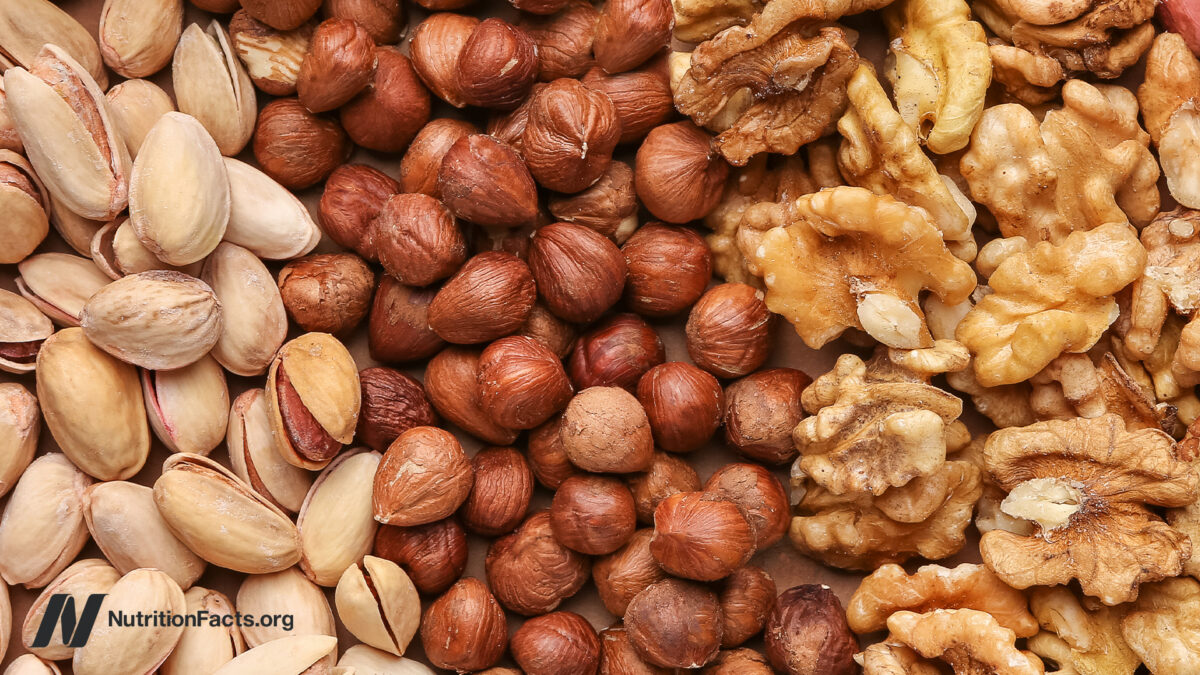
Unveiling the "Fatal Flaw": Barnard and Willett’s editorial meticulously dissected the meta-analysis, revealing that nearly 90% of the 39 trials on LDL cholesterol selected by the original authors did not compare red meat to a truly healthy control. Instead, they merely swapped one type of meat for another, predominantly comparing red meat to white meat (chicken or fish). This revelation was crucial, as it demonstrated how the study was designed to obscure any potential negative effects of red meat by comparing it to alternatives that are also known to have detrimental impacts on cardiovascular health.
-
Reinforcing the Plant-Based Advantage: Concurrent and subsequent research continued to affirm the superior health outcomes associated with plant-based proteins. Studies demonstrated that replacing animal-based meats with plant-based alternatives significantly lowered cholesterol levels. Furthermore, research began to show that, independent of saturated fat content, all forms of animal meat (red, white, and fish) led to higher LDL cholesterol compared to non-meat protein sources like soy, nuts, and legumes. This body of evidence serves to counteract the misleading narratives propagated by industry-influenced research.
-
Highlighting the Unquestionable Benefits of Nuts: Against this backdrop of scientific contention, the robust and consistent benefits of nut consumption have emerged as a beacon of clarity. Studies, many independent of industry funding, have repeatedly shown a strong association between regular nut intake and reduced mortality, decreased risk of heart disease, and overall improved health outcomes, irrespective of an individual’s existing dietary patterns (vegetarian or non-vegetarian). This consistent data provides a stark contrast to the equivocal or misleading findings seen in some industry-backed research.
This chronological unfolding illustrates a critical battle for scientific truth in nutrition, where independent researchers strive to correct the record against what they perceive as deliberate obfuscation influenced by powerful commercial interests.
Supporting Data: Deconstructing the "Twinkie Test" and Affirming Plant Power
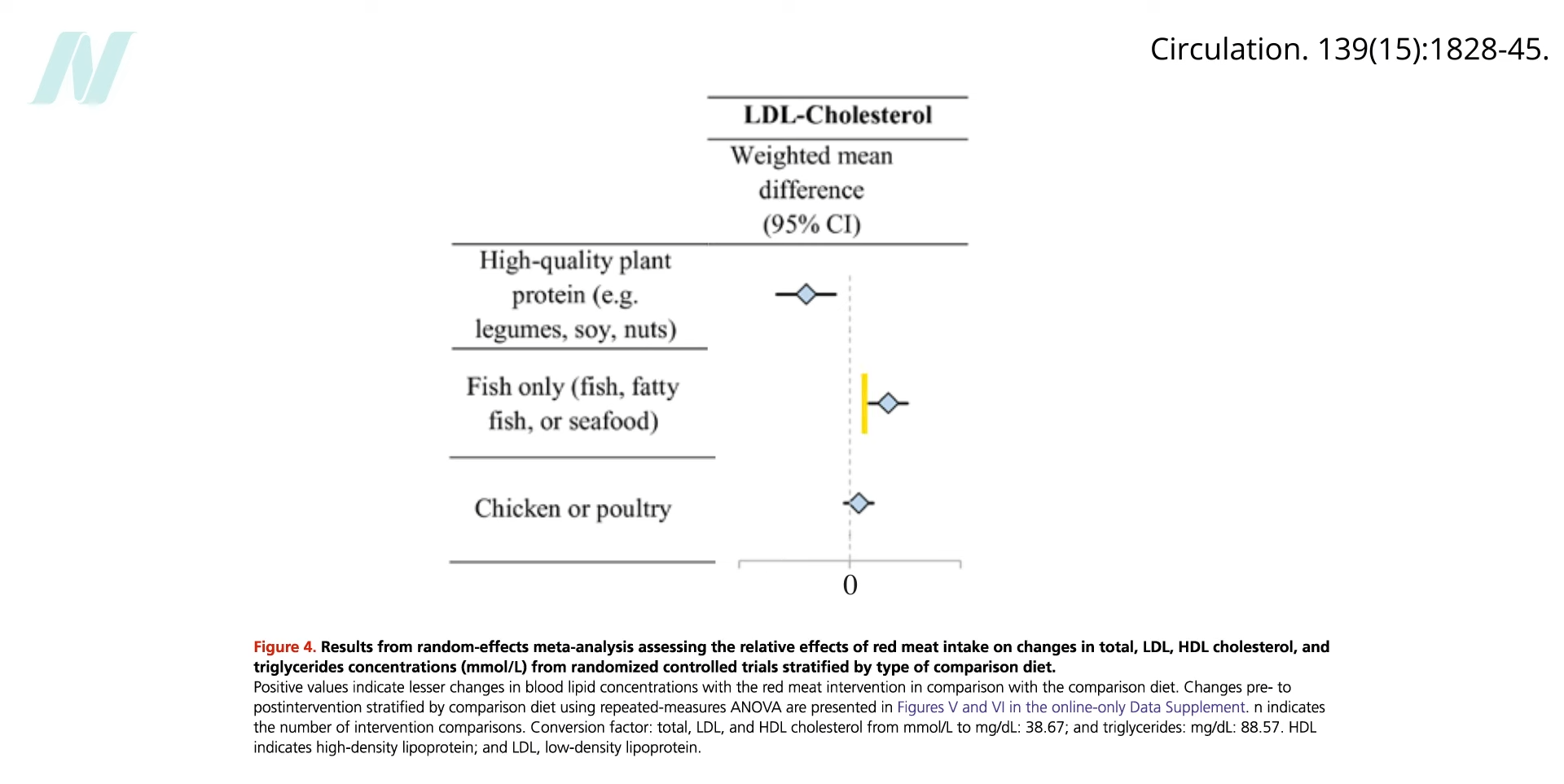
The detailed examination of the red meat meta-analysis reveals a fundamental flaw in its design and interpretation. The researchers behind the controversial study primarily utilized control diets consisting of chicken or fish. This choice, as Drs. Barnard and Willett astutely pointed out, is akin to a "Twinkie versus Ding Dong" test. The core issue lies in the fact that, when it comes to cholesterol levels, the impact of consuming beef is largely comparable to that of fish or poultry. Therefore, if a study compares red meat to white meat or fish and finds "no significant difference," it doesn’t exonerate red meat; rather, it indicates that the comparator foods are similarly problematic from a cardiovascular health perspective.
Imagine a pharmaceutical company attempting to prove its new drug is effective by testing it against a placebo known to be toxic. If the new drug performs only marginally better than the toxic placebo, it doesn’t make the new drug good; it just means the comparison was designed to mislead. This analogy perfectly captures the critique leveled against the red meat meta-analysis. By swapping red meat for white meat, the study design effectively masked any potential negative health impacts of red meat, preventing a meaningful comparison against truly healthy dietary patterns. The researchers, in essence, created a scenario where a high-cholesterol diet was compared to another high-cholesterol diet, predictably yielding results that suggested no relative negative influence.
The consequences of such a methodological sleight of hand are significant. It allows powerful industries to cite "scientific" evidence supporting their products, even when that evidence is built on shaky comparative grounds. This tactic undermines public trust and can lead to misguided dietary advice.
In stark contrast to this flawed approach, independent research provides a clearer picture of dietary impacts:
-
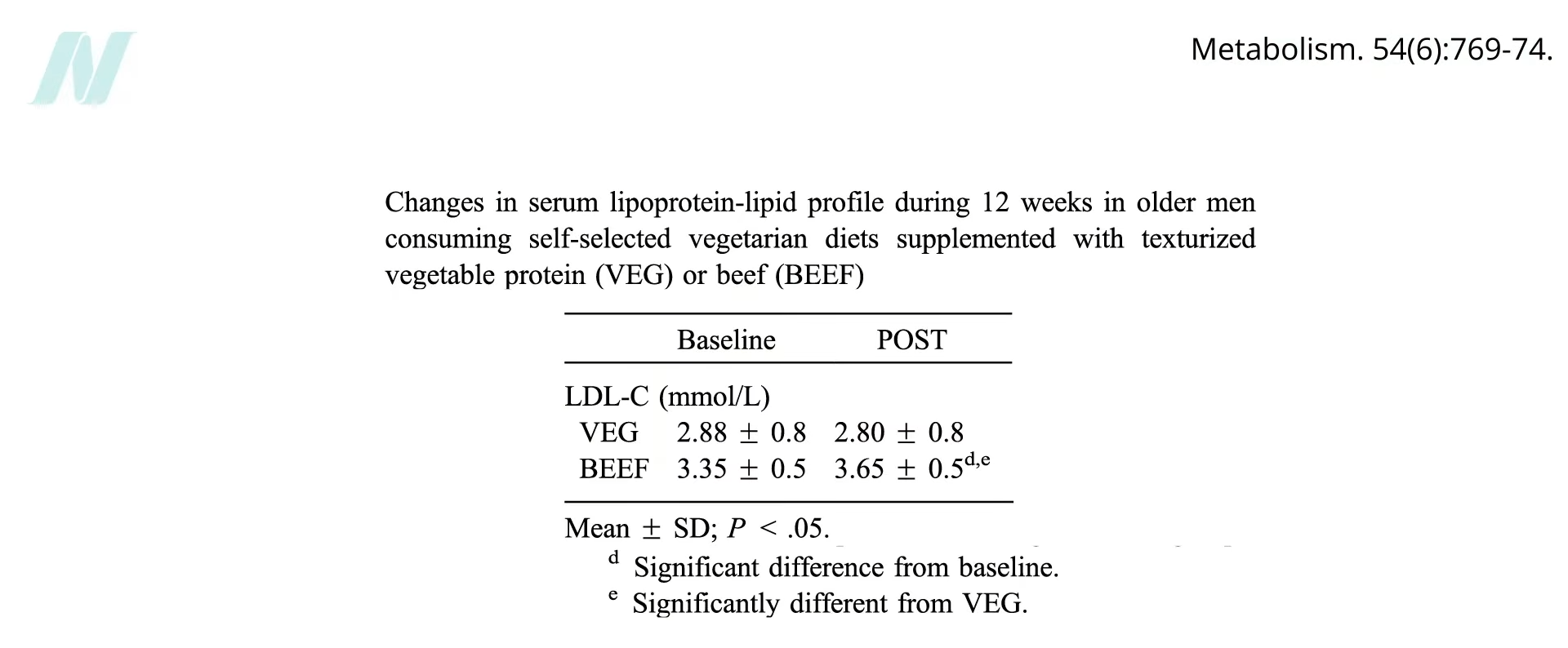
The Power of Plant-Based Swaps: When individuals swap out traditional animal-based meats for plant-based alternatives—such as plant-based sausages, chicken patties, or veggie dogs—the results are demonstrably positive. Studies consistently show a significant reduction in LDL cholesterol levels, a key marker for cardiovascular disease risk. This outcome is not surprising, given that plant-based alternatives typically contain less saturated fat and often more beneficial fiber compared to their animal counterparts.
-
Beyond Saturated Fat: The Intrinsic Value of Plant Proteins: Even when controlling for saturated fat content, the superiority of plant proteins becomes evident. Research indicates that consuming red meat, white meat, or any form of animal meat results in higher LDL cholesterol levels compared to non-meat protein sources. This suggests that the detrimental effects of animal proteins on cholesterol are not solely attributable to saturated fat but may involve other components or metabolic pathways. The scientific consensus is increasingly "keeping with recommendations promoting diets with a high proportion of plant-based food."
-
Hierarchy of Protein Sources: Further studies delineate a hierarchy of protein sources based on their impact on cholesterol. While chicken and turkey are often perceived as healthier than red meat, their impact on LDL cholesterol can be just as detrimental as beef. Fish, surprisingly, may sometimes appear even worse in certain comparisons, particularly when efforts are made to standardize saturated fat content by adding ingredients like butter to other comparators. However, the consistent winners in terms of positive cholesterol profiles are plant protein sources such as soy, nuts, and legumes (including beans, split peas, chickpeas, and lentils). These foods not only provide essential protein but also come packaged with fiber, vitamins, and other beneficial compounds that contribute to overall cardiovascular health.
-
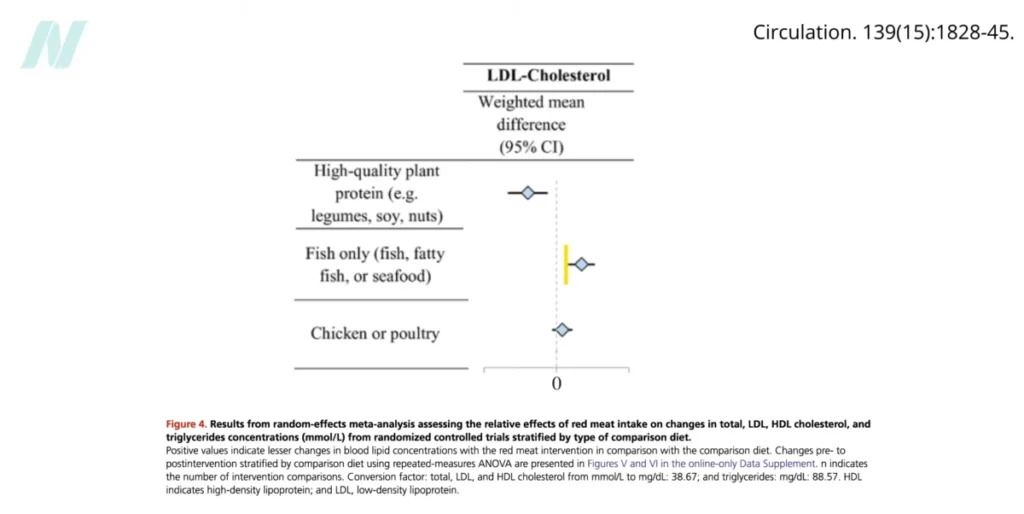
Nuts: A Standalone Health Champion: The specific benefits of nuts are particularly compelling. Replacing even a single serving of lean beef with an equivalent amount of calories from nuts or soybeans has been shown to significantly lower LDL cholesterol. This direct substitution effect is a major contributor to the observed health benefits. Indeed, a single serving of nuts per day is associated with a remarkable 22% reduction in the risk of premature death, leading some experts to suggest that millions of deaths annually could be attributable to inadequate nut intake globally.
Crucially, the health benefits of nuts are not merely a result of replacing "bad" foods with "good" ones in an already poor diet. The drop in heart attacks among frequent nut eaters is just as strong among non-vegetarians as it is among vegetarians. This indicates that nuts offer intrinsic health advantages that extend beyond simply being a healthier alternative to meat. The reduced mortality associated with nut consumption is independent of an individual’s existing health condition; it’s not just "health nuts" eating nuts. In fact, in a comparative analysis of a dozen different food groups, nuts have even surpassed vegetables in some studies when it comes to conferring a lower risk of premature death, underscoring their potent and wide-ranging health protective effects.
Official Responses: The Silence of Industry and the Clarity of Independent Voices
When faced with accusations of scientific manipulation and conflicts of interest, the typical journalistic approach involves seeking "official responses" from the implicated parties. In this particular case, however, a direct, public rebuttal from The American Society of Nutrition, The Sugar Association, soda companies, or the meat, dairy, and egg industries regarding the specific methodological criticisms of the red meat meta-analysis has largely been absent or muted. The original article, a critical piece itself, does not provide any such counter-statements, highlighting a common pattern where industry-funded entities often avoid direct engagement with pointed critiques, preferring to allow their published research to stand.
Instead, the "official response" in this context comes primarily from the independent scientific community. Drs. Neal Barnard and Walter Willett’s editorial, "The Misuse of Meta-analysis in Nutrition Research," serves as the most prominent and authoritative rebuttal to the flawed red meat study. Their article, published in the same journal (AJCN), acted as an internal audit, exposing the methodological weaknesses for the scientific community and the public to see. While not a direct "official response" from the implicated industries, it represents a crucial corrective from respected academic figures.
This situation underscores a broader challenge in modern science: when powerful economic interests intersect with academic publishing, the pursuit of truth can be complicated. The lack of robust counter-arguments or transparent investigations into potential conflicts of interest by the journal or its sustaining partners can be interpreted as either an acknowledgment of the validity of the critique or a strategic silence designed to let the controversy subside.
The "official response" from the broader scientific consensus, however, continues to solidify around the benefits of plant-based diets and the need for rigorous, unbiased research. Organizations like the American Heart Association, the Dietary Guidelines for Americans (while itself subject to industry influence, as discussed in the implications section), and numerous public health bodies increasingly emphasize the importance of plant-based foods, legumes, nuts, and whole grains for optimal health, implicitly countering the narrative that red meat has no negative impact on cardiovascular health. This collective scientific voice, though often slower and less sensational than individual studies, represents the true "official response" of evidence-based nutrition.
Implications: Eroding Trust, Skewed Guidelines, and the Path Forward
The revelations surrounding industry influence on nutrition research and the publication of potentially misleading studies carry far-reaching implications across several critical domains:
-
Erosion of Public Trust in Science: Perhaps the most damaging consequence is the erosion of public trust in scientific institutions and peer-reviewed journals. When the "highest-ranked" journal in a field is perceived to be influenced by commercial interests, it fosters cynicism and makes it difficult for the public to discern reliable health information. This skepticism can lead people to dismiss legitimate scientific findings, making them vulnerable to misinformation and fads. It creates a vacuum where evidence-based recommendations struggle to gain traction against well-funded marketing campaigns.
-
Compromised Dietary Guidelines: The foundational role of nutrition research is to inform public health policy and dietary guidelines. If the underlying research is flawed or biased, the guidelines derived from it will also be compromised. The original article hints at a "corporate playbook behind undermining dietary guidelines," suggesting that industry influence is not merely reactive but proactive in shaping national health recommendations to protect commercial interests. This can lead to dietary advice that is suboptimal, or even detrimental, to public health, perpetuating chronic diseases and increasing healthcare burdens.
-
Misguided Consumer Choices and Health Outcomes: Consumers rely on scientific information to make daily food choices. If they are led to believe that red meat has no negative impact on cardiovascular health, they may continue or increase its consumption, potentially exacerbating risks for heart disease, stroke, and other conditions. Conversely, they might overlook the profound benefits of incorporating more plant-based proteins, nuts, and legumes into their diets. This directly impacts individual health outcomes, contributing to higher rates of preventable illnesses.
-
Challenges for Independent Researchers: The existence of industry-funded research, particularly when published in prestigious journals, creates an uneven playing field. Independent researchers often struggle to secure funding, and their findings, which may contradict industry-friendly narratives, can face greater scrutiny or be overshadowed by heavily promoted, albeit flawed, studies. This can stifle innovation and delay the widespread acceptance of genuinely beneficial dietary practices.
-
Ethical Concerns in Academic Publishing: The situation raises serious ethical questions for academic journals and professional societies. How rigorously are conflicts of interest declared and managed? What responsibility do journals have to investigate and retract studies found to be methodologically unsound, particularly when such flaws are pointed out by reputable experts? There is a pressing need for greater transparency in funding, stricter editorial independence, and more robust mechanisms for post-publication review and correction.
The Path Forward:
Addressing these implications requires a multi-pronged approach:
- Enhanced Transparency: Mandatory and comprehensive disclosure of all funding sources for research, including indirect funding and affiliations of authors and editorial board members, is crucial. Journals must enforce these disclosures rigorously.
- Independent Oversight: Establishing independent bodies or committees to review research funding and potential conflicts of interest could help ensure the integrity of published science.
- Diversification of Research Funding: Increased public funding for nutrition research, free from commercial pressures, is essential to foster unbiased scientific inquiry.
- Critical Media Literacy: Educating the public on how to critically evaluate scientific claims, understand conflicts of interest, and identify reliable sources of health information is vital.
- Advocacy for Robust Dietary Guidelines: Public health advocates and independent scientists must continue to push for dietary guidelines that are solely based on the totality of independent, high-quality evidence, free from industry lobbying.
The journey towards clearer, unbiased nutritional guidance is ongoing. While the shadows of industry influence can obscure the path, the consistent light of independent science continues to affirm the profound health benefits of plant-based diets and the undeniable power of foods like nuts to extend and enrich human life. Understanding the forces at play is the first step toward reclaiming the integrity of nutrition science for the benefit of all.