Mastering the Art of Viral Food Photography: Professional Insights and Growth Opportunities
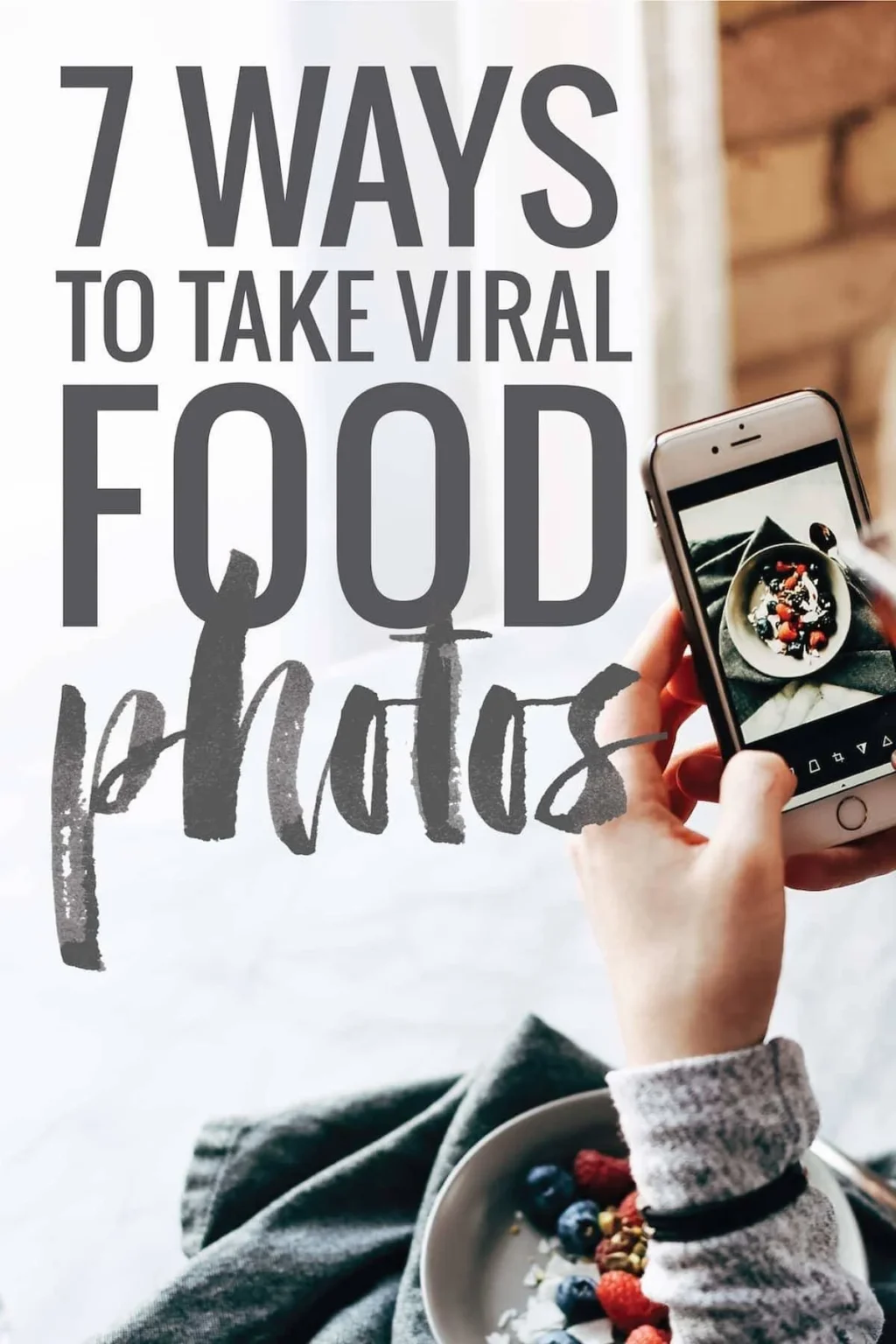
In the hyper-competitive landscape of digital content creation, the difference between a static image and a viral sensation often comes down to the subtle intersection of artistry, technical precision, and strategic storytelling. As platforms like Instagram and Pinterest continue to prioritize high-quality visual stimuli, food creators are finding that the "look" of their content is just as vital as the recipe itself. To bridge the gap between amateur snapshots and professional, high-performing imagery, industry leaders are turning to immersive educational models to help creators refine their craft.
Main Facts: The Evolution of Food Media
Food photography has transcended its origins as a niche culinary skill to become a cornerstone of modern digital marketing. For food bloggers, chefs, and content creators, the ability to produce "viral" imagery is no longer just about aesthetics—it is a measurable driver of engagement, traffic, and monetization.
The core challenge for most creators lies in translating the tactile, sensory experience of food into a two-dimensional format. Achieving this requires a deep understanding of lighting, composition, and styling. The industry is currently seeing a significant shift toward "intentional photography"—a methodology that prioritizes purposeful styling over accidental snapshots. By focusing on specific techniques such as monochromatic color palettes, strategic angles, and the "action" of food, creators can significantly boost their audience interaction metrics.
Chronology of Development: From Kitchen to Studio
The trajectory of food photography education has mirrored the growth of the creator economy. In the early days of blogging, photography was often an afterthought. However, as the digital space became saturated, the quality threshold for "shareable" content rose exponentially.
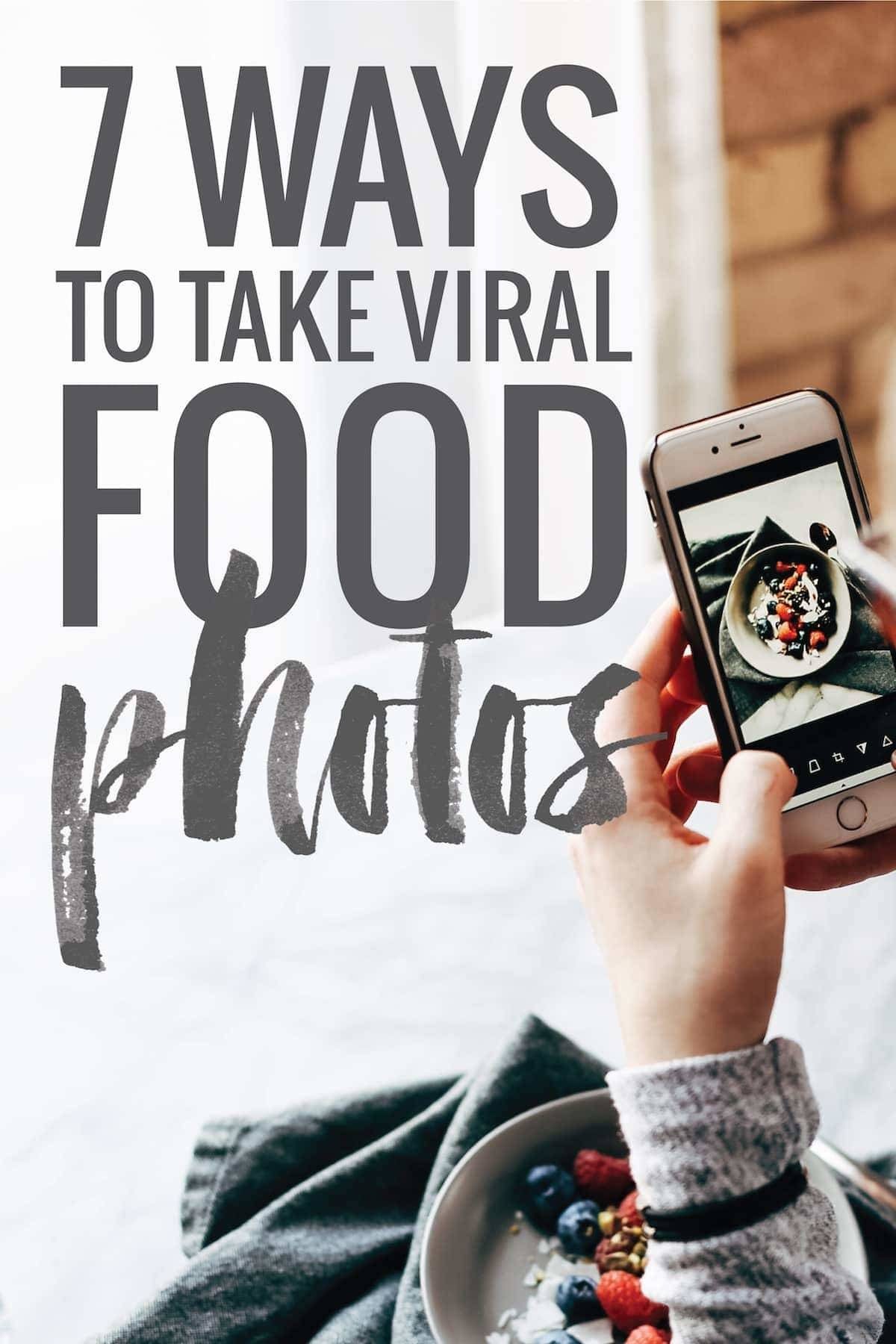
- The Early Adopter Phase: Creators relied on natural light and home kitchens, often struggling with inconsistencies in results.
- The Refinement Era: As platforms like Instagram emerged, creators began to study the "grid" aesthetic, moving toward cohesive, branded visual identities.
- The Professionalization Phase: We are currently in an era where specialized, hands-on workshops have become the gold standard for skill acquisition. These programs provide the technical environment—complete with professional lighting, diverse props, and expert mentorship—that allows for rapid skill progression.
Supporting Data: The Impact of Professional Training
The quantitative benefits of investing in professional photography skills are clear. A recent case study involving participants of the Pinch of Yum food photography workshops highlights the tangible impact of structured learning.
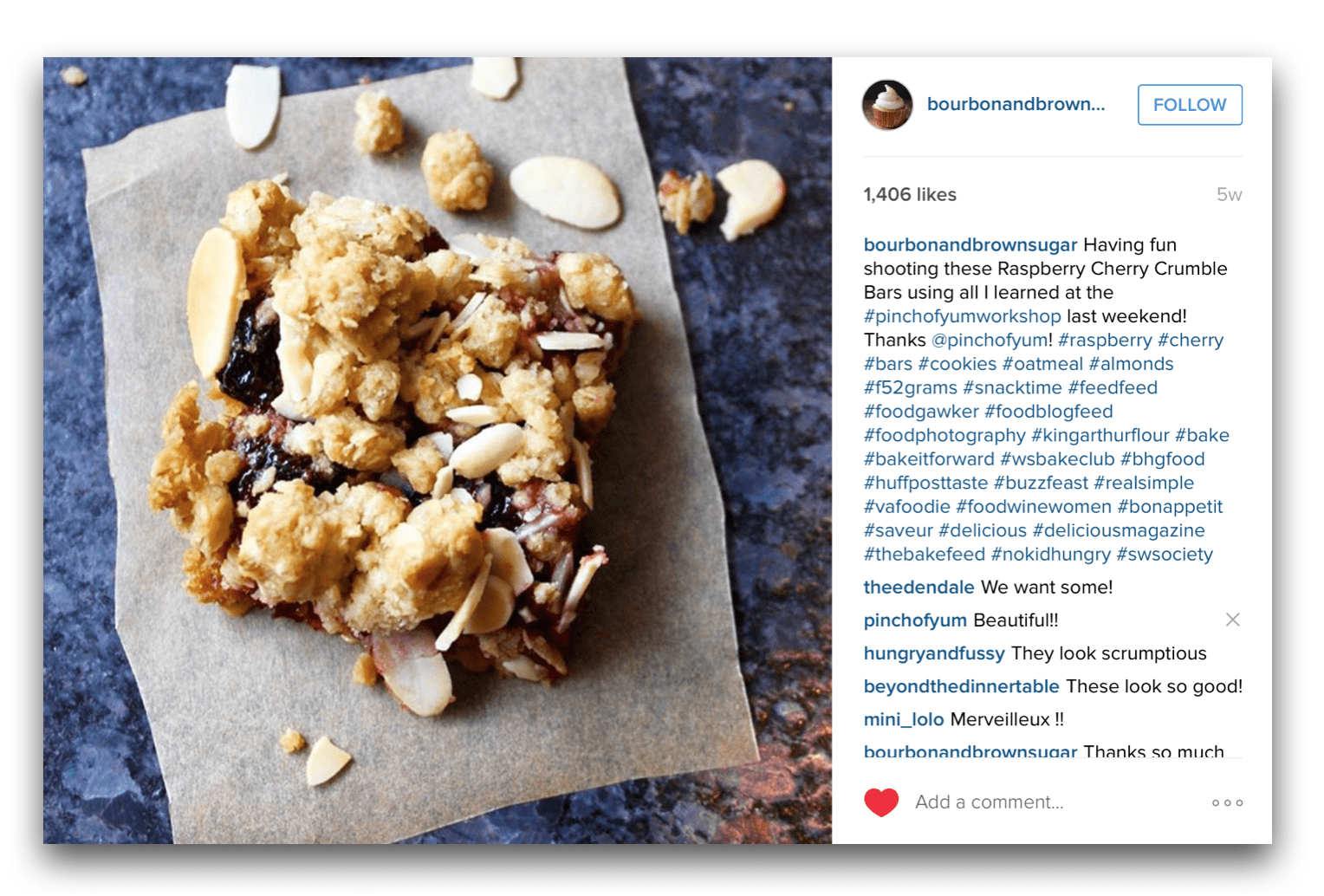
One attendee, a creator from Virginia, reported a massive shift in her audience engagement shortly after completing a two-day intensive workshop. Prior to the training, her posts typically saw modest engagement. Within days of returning home and applying the new styling and technical techniques, she posted an image that garnered nearly 1,400 likes—an increase of approximately 1,100 interactions compared to her historical average.
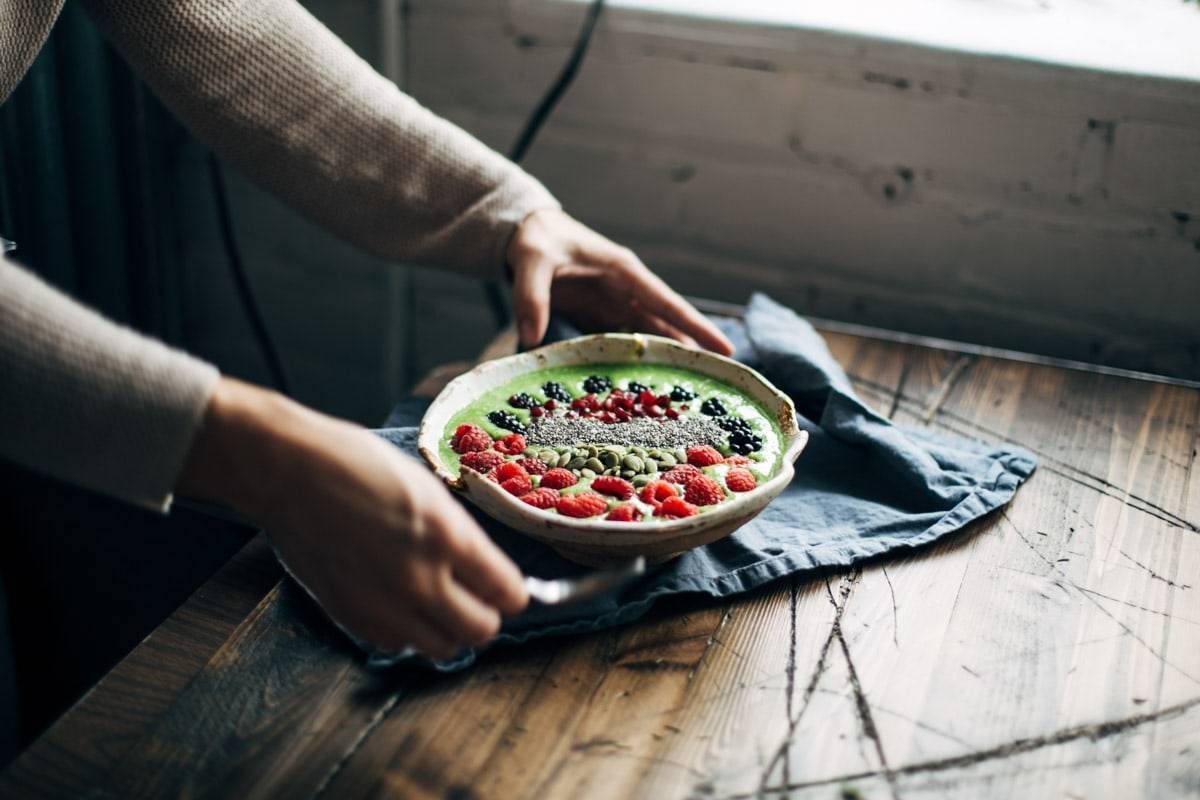
This data suggests that the "viral" potential of a photo is not merely a matter of luck, but a replicable result of mastering:
- Manual Camera Control: Moving away from automatic settings to capture precise light and depth.
- Styling Principles: Understanding how to fill a frame without creating clutter.
- Workflow Efficiency: Implementing editing shortcuts that allow for high-volume, high-quality output.
Official Perspectives: The Philosophy of Teaching
The pedagogical approach to food photography is shifting toward a "Teach, Model, and Guided Practice" framework. Industry experts emphasize that the goal is not to force a singular style onto every student, but rather to facilitate a learning experience that unlocks the creator’s "zone of genius."
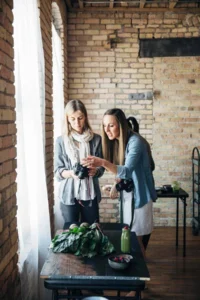
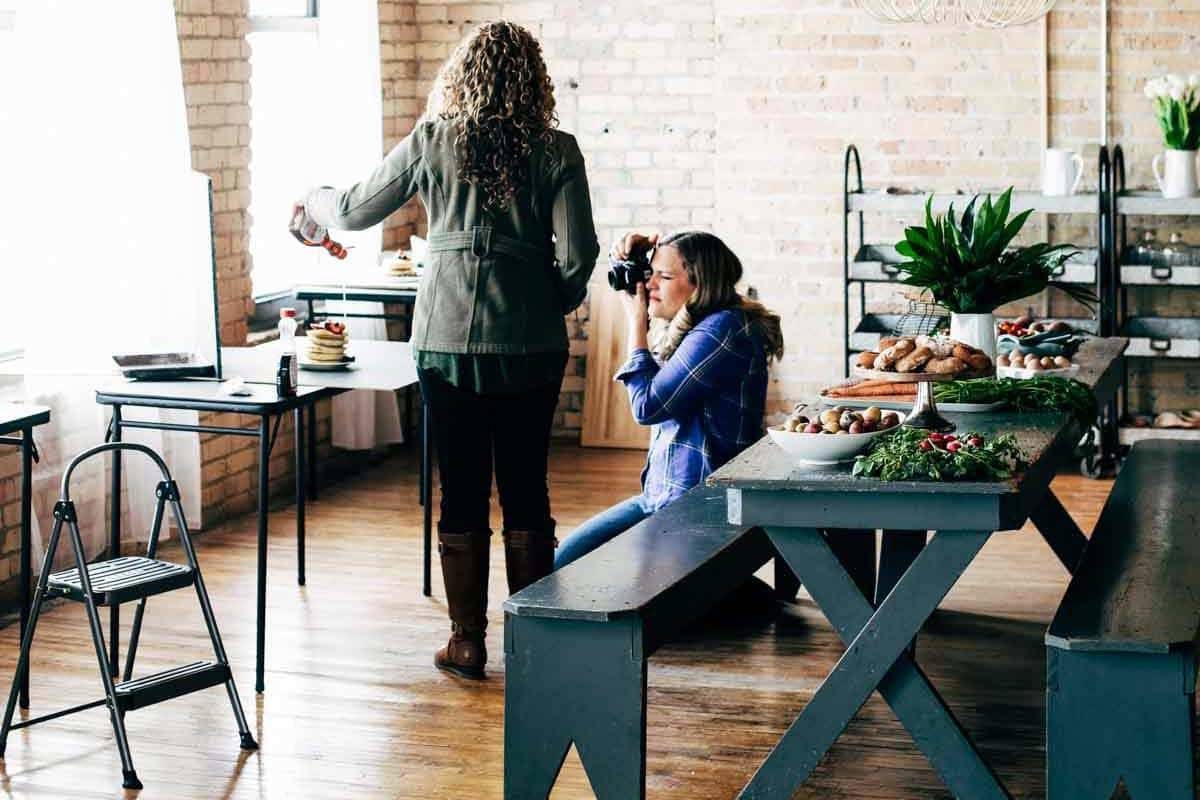
"My goal is to take a process that is often viewed as intimidating and artistic and make it accessible and implementable," notes the leadership team behind the Pinch of Yum workshops. By providing a dedicated space—specifically, studios equipped with multiple natural light sources—creators are given the room to experiment without the limitations of a standard home kitchen. This controlled environment acts as an incubator, where trial and error can occur safely, leading to faster mastery of complex concepts like food texture, composition, and color balance.
The 7 Pillars of Viral Food Photography
To achieve consistent performance across social channels, experts recommend focusing on seven fundamental pillars:
1. Master the Angles
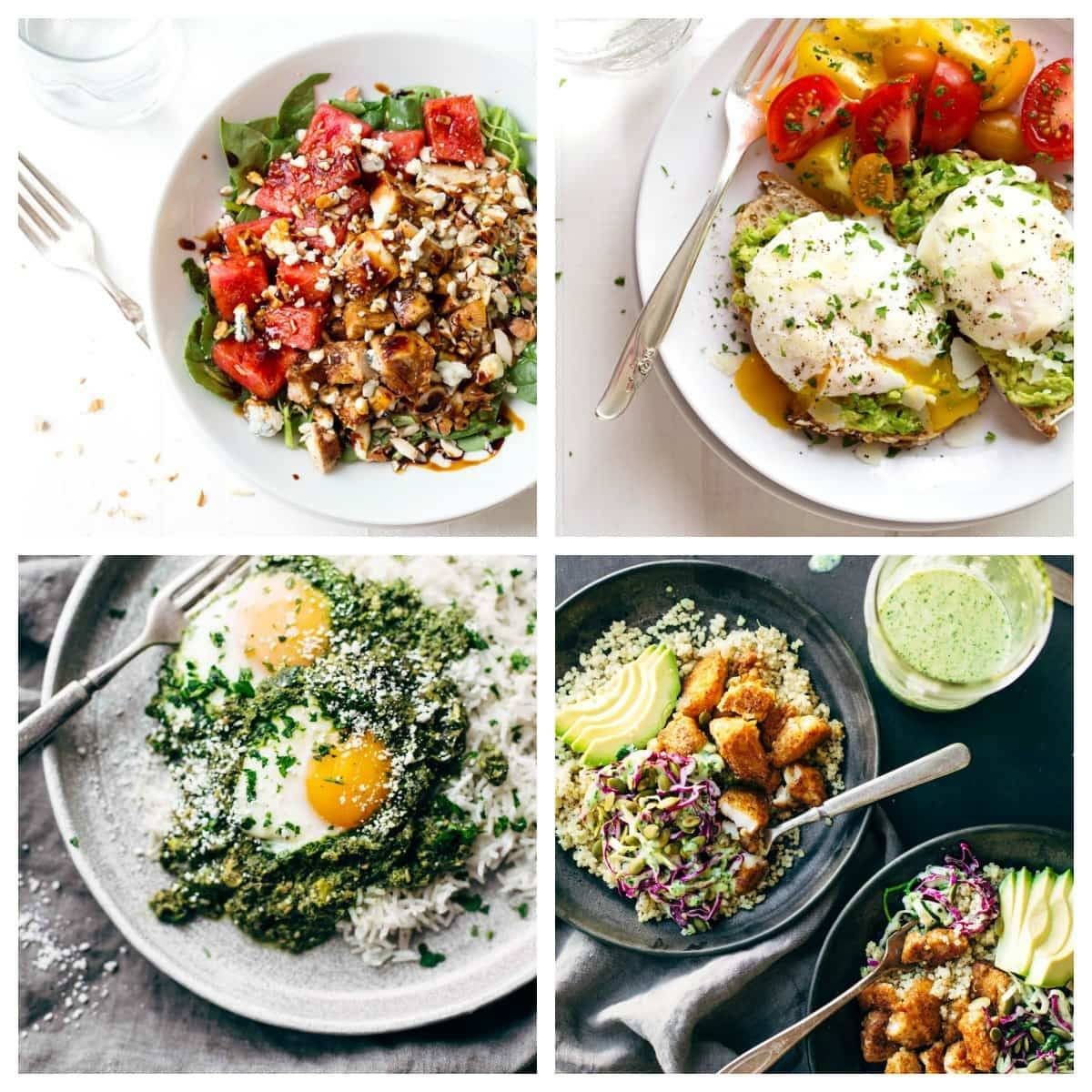
The two most compelling angles for social media are the "overhead" (top-down) and the "straight-on." Overhead shots excel for complex, colorful dishes like smoothie bowls or salads, while straight-on shots maximize the height and structure of items like stacked burgers or layered cakes.
2. Prioritize Matte Finishes
Shiny, reflective surfaces can create unwanted highlights and capture unintended reflections of the photographer. Utilizing matte-finish ceramics and dishware ensures that the focus remains entirely on the food.

3. Leverage Monochromatic Color Schemes
By matching the plate to the background (e.g., a white plate on a white surface), the creator forces the viewer’s eye directly to the food, minimizing visual noise and allowing the colors of the dish to pop.
4. Focus on the "Action"
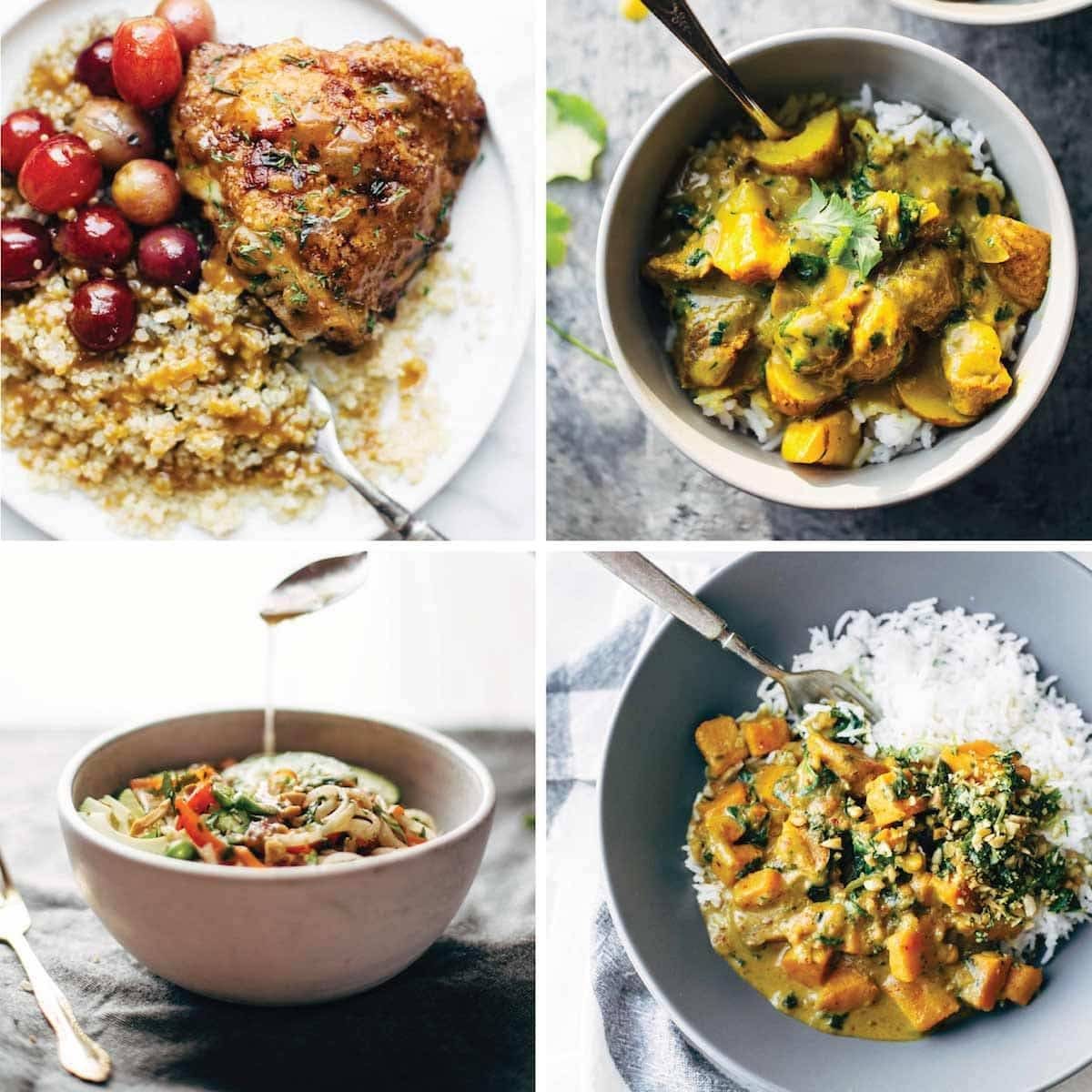
Food should look like it is "in the moment." Techniques like drizzling sauces, sprinkling herbs, or capturing the perfect fork-twist create a sense of movement and freshness that is inherently more engaging than static plates.
5. Cultivate Compelling Subjects
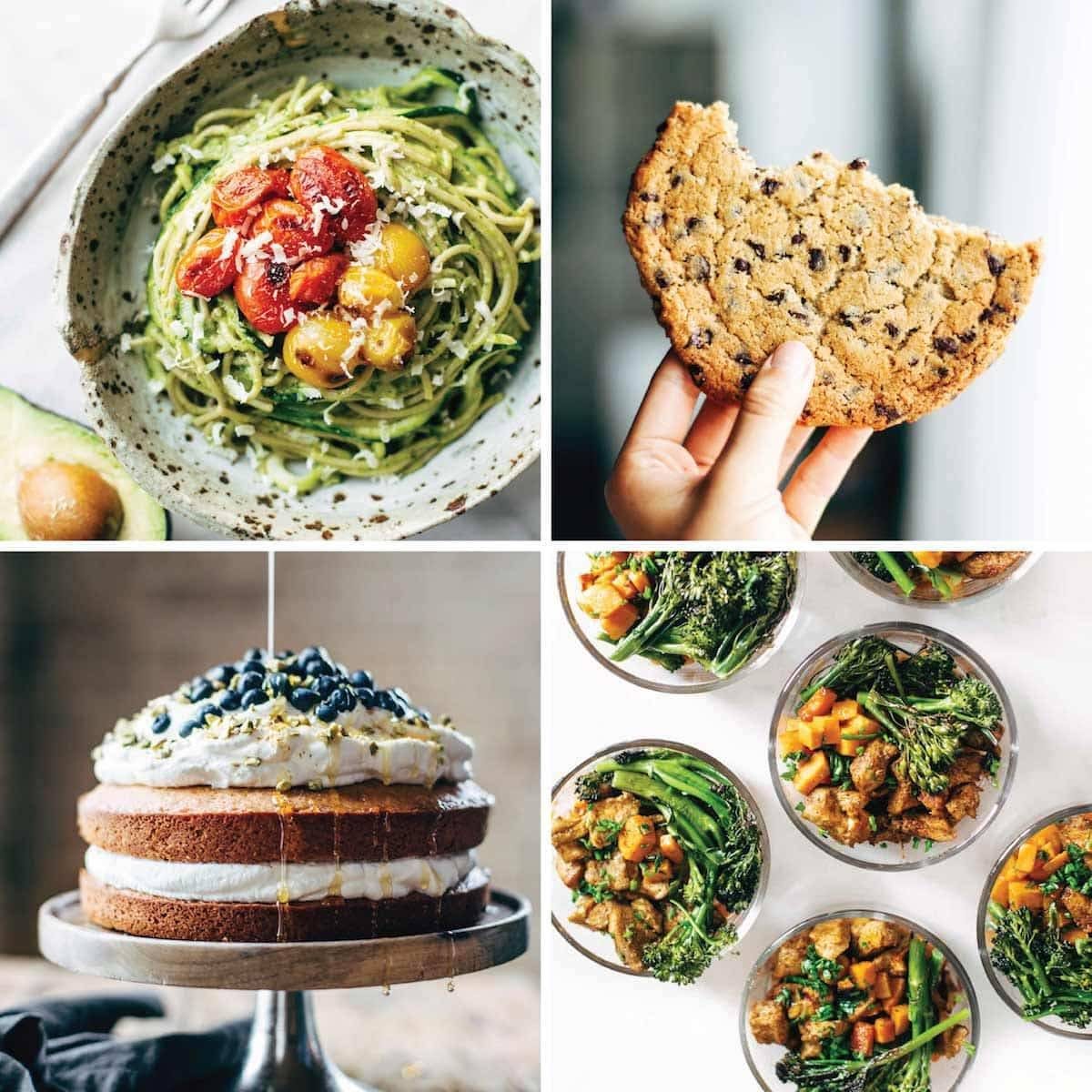
A single slice of plain bread is rarely "viral." By adding "wow-factors"—such as a glaze, a specific garnish, or stacking elements to create volume—the creator transforms a basic subject into a visually arresting one.
6. Establish a Signature Look
While trends come and go, consistency builds an audience. Developing a recognizable "look" helps followers identify your content instantly, which builds brand loyalty and simplifies the creative workflow.
7. Continuous Study and Practice
The final, most critical step is the cycle of study and execution. By analyzing the work of admired photographers and then immediately practicing those techniques, creators can refine their unique style and stay ahead of evolving trends.
Implications for the Future of Content Creation
The implications for those who master these skills are significant. In an attention-based economy, high-quality imagery acts as a barrier to entry, separating professional creators from the casual hobbyist. As more creators invest in formal training and professional-grade practices, the standard for digital food content will continue to rise.
For those looking to accelerate their growth, current opportunities include immersive workshops and continued education platforms like Food Blogger Pro, which provide the long-term support necessary to navigate the complexities of the industry. With registration for intensive workshops currently underway—often with limited capacity to ensure personalized feedback—the window for professional growth is narrow but highly rewarding for those prepared to commit to the craft.
Ultimately, viral success is the byproduct of discipline, education, and the courage to treat one’s creative output with the same seriousness as a professional business venture. By mastering the technicalities of the lens, creators can ensure that their work doesn’t just reach an audience—it captures them.