Thriving in the Drought: Master Water-Wise Gardening with Expert Kim Toscano
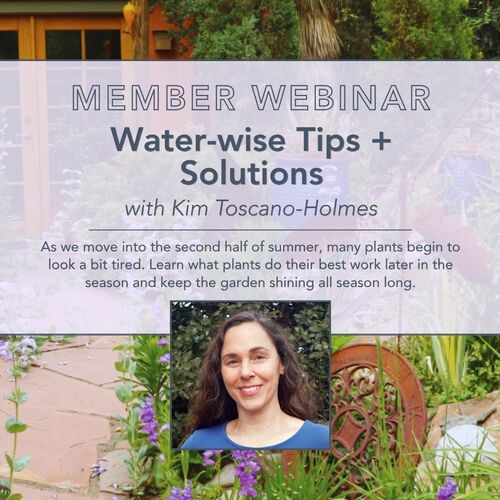
As global climate patterns shift, gardeners are finding that the traditional "green thumb" is increasingly reliant on a more precious resource: water. With summers growing hotter, precipitation becoming more erratic, and municipal water restrictions becoming a standard feature of the landscape, the way we cultivate our gardens must evolve. To address this urgent need, horticulturist and designer Kim Toscano will lead a comprehensive live webinar, "Water-Wise Gardening: Tips and Solutions," on August 21, 2026, at 10:00 a.m. EDT.
The Imperative of Sustainable Landscapes
Gardening with water conservation in mind is no longer a niche preference for environmentalists; it is a fundamental requirement for anyone looking to maintain a resilient landscape. The upcoming webinar aims to transform the way participants view their backyard ecosystems. Toscano will guide attendees through the essential pillars of water-wise gardening: strategic plant selection, soil health optimization, efficient irrigation techniques, and design philosophies that capture and retain moisture.
Whether you are battling strict local watering ordinances or simply seeking to reduce your ecological footprint and labor hours, this session offers actionable strategies designed to deliver immediate results.
Chronology of a Changing Climate
The need for water-wise practices is underscored by a decade of shifting agricultural and horticultural data.
- 2016–2020: Increased reports of localized heatwaves and prolonged "flash droughts" begin to impact home gardens across the United States.
- 2021–2023: Municipalities across the Western and Midwestern United States implement permanent or seasonal tiered watering restrictions.
- 2024–2025: A surge in interest for xeriscaping and native plant gardening signals a shift in consumer demand toward climate-adapted species.
- August 21, 2026: The scheduled date for the Water-Wise Gardening webinar, designed to synthesize these years of data into a cohesive, practical manual for the modern gardener.
Supporting Data: Why Every Drop Matters
The science of water management in the garden is multifaceted. Efficient landscaping relies on the intersection of soil biology, plant physiology, and landscape architecture.
The Role of Soil Organic Matter
According to environmental research, increasing the soil’s organic matter by just 1% can increase its water-holding capacity by up to 20,000 gallons per acre. During the webinar, Toscano will explore how to amend garden beds with compost and mulch to create a "sponge" effect, reducing the need for supplemental irrigation and preventing the rapid evaporation caused by high summer temperatures.
Plant Selection and Evapotranspiration
Different plants have vastly different water requirements. By prioritizing plants with low evapotranspiration rates—the process by which water is transferred from the land to the atmosphere—gardeners can effectively "drought-proof" their beds. The session will highlight:
- Native vs. Non-native: Why local flora are evolutionary masters of their specific climate.
- Grouping by Need: The "hydro-zoning" concept, where plants with similar water requirements are grouped together to maximize efficiency.
- Deep-Rooting Strategies: How specific plant selections can tap into deeper water tables, making them more resilient during dry spells.
Official Perspective: The Holistic Approach
Kim Toscano, the presenter for the August 21 event, brings a multidisciplinary background to the topic. Formally trained in horticulture, environmental science, and entomology, Toscano’s philosophy moves beyond the mere aesthetics of a garden.

"The modern garden must function as an ecosystem," says Toscano. "When we think about water, we have to think about the soil, the beneficial insects that live there, and the design that keeps moisture on-site rather than letting it run off into the storm drain."
Her approach emphasizes "holistic education." Rather than offering a quick fix, she encourages gardeners to view their land as an extension of the local environment. By reducing the reliance on artificial irrigation, gardeners are not just saving water; they are fostering greater biodiversity and creating more robust, long-lasting landscapes.
Implications: The Future of the Residential Landscape
The transition to water-wise gardening has profound implications for both the individual homeowner and the wider environment.
Economic Implications
Water usage contributes significantly to residential utility costs. By implementing efficient irrigation and planting strategies, homeowners can see a marked reduction in their monthly bills. Furthermore, water-wise gardens often require less chemical intervention, as healthy, adapted plants are inherently more resistant to pests and disease, further lowering maintenance costs.
Environmental Stewardship
Residential landscapes represent a massive portion of the managed land in urban and suburban areas. By shifting these spaces toward water-wise models, we create a network of "micro-habitats" that support pollinators and improve local air and water quality. Reducing the demand on municipal water supplies also alleviates the strain on local infrastructure, particularly during peak summer demand.
Preparing Your Toolkit: Essential Gear
As part of the Fine Gardening commitment to practical, hands-on learning, the upcoming webinar also highlights the importance of using the right tools for the job. Effective water management often requires better soil maintenance and pruning, which can be achieved through specific, high-quality equipment.
Recommended Tools for Sustainable Gardening
- Razor-Back Potato/Refuse Hook: Essential for turning compost and managing soil aeration. Good soil structure is the foundation of water retention; by effectively aerating and amending the soil, you allow moisture to penetrate deeper rather than sitting on the surface.
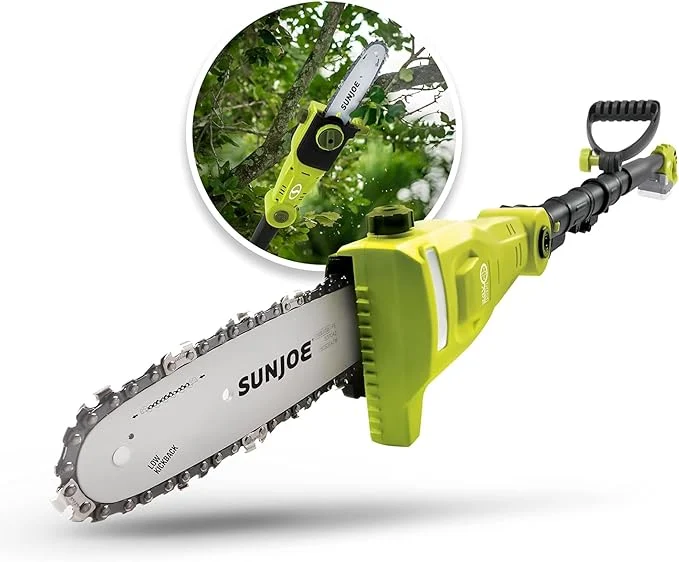
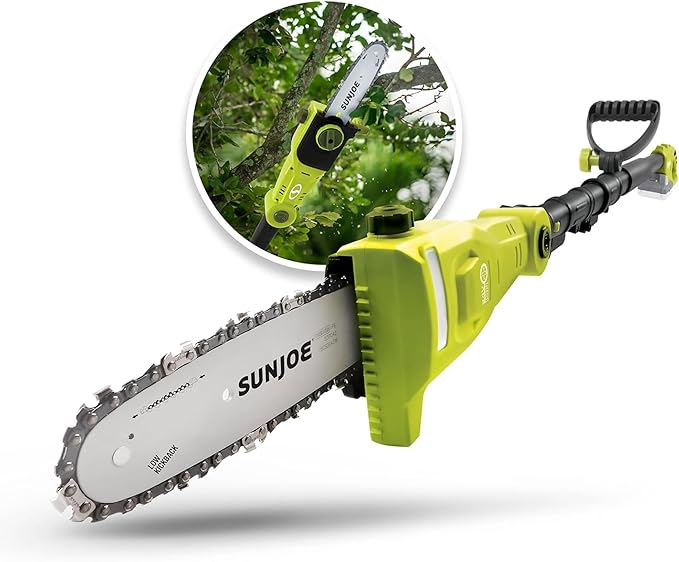
- Sun Joe Cordless Telescoping Pole Chain Saw: Maintenance is key to plant health. A plant that is improperly pruned may lose more water through transpiration than necessary. This tool allows for precise maintenance of canopy structures, ensuring plants are healthy and not overstressed.
- Long Handle EZ-Digger: A versatile implement that serves as a spade, trowel, and cultivator. Its design allows for precise soil work around root zones without disturbing the vital mycorrhizal networks that help plants absorb water more efficiently.
Note: Fine Gardening receives a commission for items purchased through these links. These tools are recommended to assist you in building a landscape that is both beautiful and resilient.
Join the Conversation
The webinar is more than a lecture; it is an invitation to engage with a community of like-minded gardeners facing the same challenges. The session will conclude with a live Q&A, allowing participants to ask specific questions about their own garden layouts, regional challenges, and specific soil conditions.
Webinar Details:
- Topic: Water-Wise Gardening: Tips and Solutions
- Date: August 21, 2026
- Time: 10:00 a.m. EDT
- Registration: Click here to register for the live event
By attending this webinar, you are taking a critical step toward future-proofing your garden. Whether you are dealing with a record-breaking heatwave or simply looking to improve the long-term sustainability of your landscape, the techniques discussed by Kim Toscano will provide the roadmap you need.
In a world where climate uncertainty is the new normal, knowledge is your most valuable tool. Learn how to design a garden that doesn’t just survive the heat, but thrives in spite of it. Register today to secure your spot.