The Science and Economics of the Five-Minute Emulsion: Why Scratch-Made Garlic Aioli Rules the Modern Kitchen
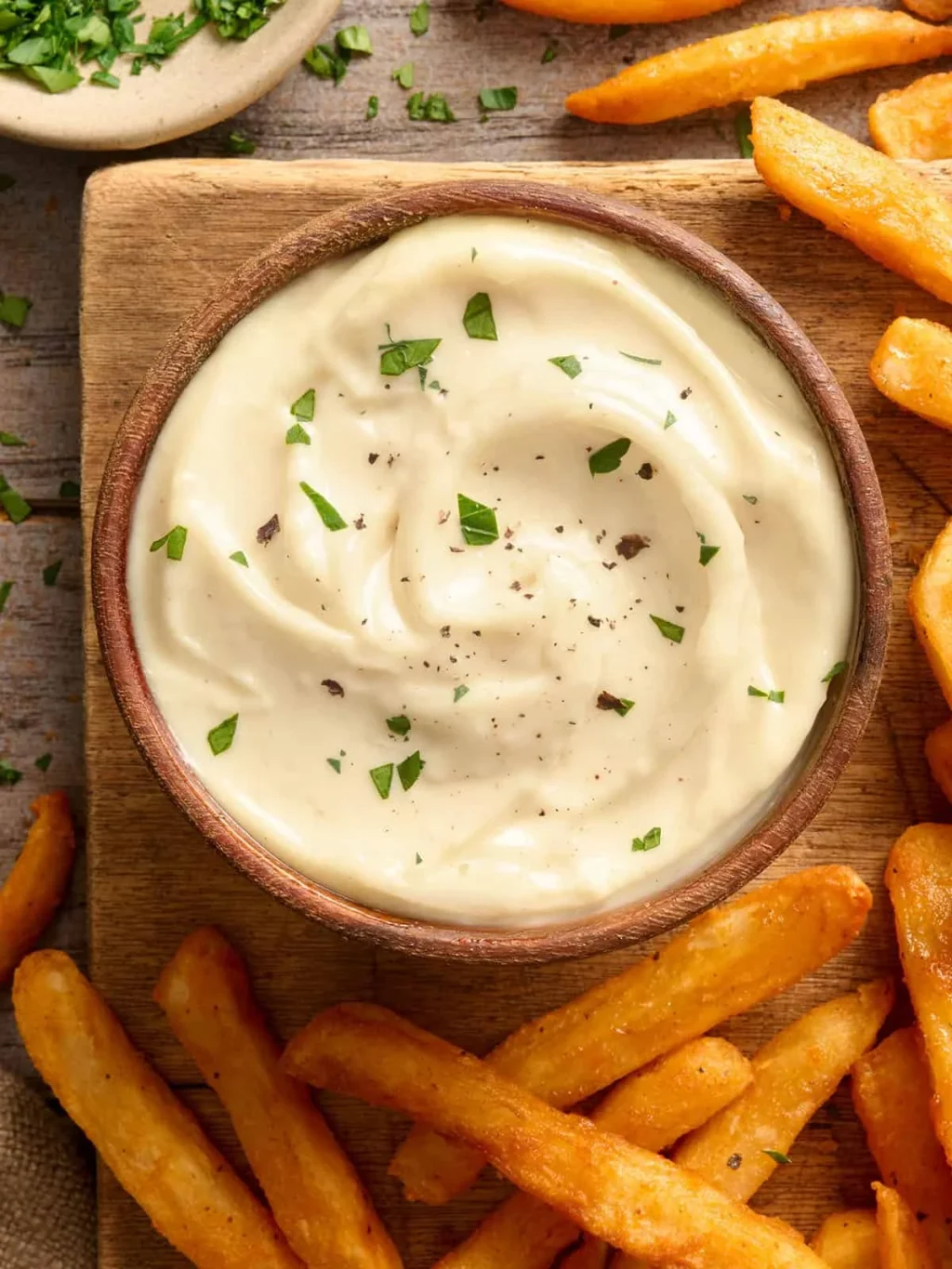
In an era dominated by convenience foods and escalating grocery bills, a quiet revolution is taking place in home kitchens. Driven by a desire for culinary authenticity and economic efficiency, home cooks are increasingly eschewing store-bought, preservative-laden condiments in favor of scratch-made alternatives. At the forefront of this movement is a classic Mediterranean staple: garlic aioli.
Far from the simplified shortcut of garlic stirred into commercial mayonnaise, a true scratch-made aioli is a triumph of culinary science—an emulsion of raw egg, oil, garlic, and acid that transforms basic pantry staples into a luxurious, velvety sauce. Developed and tested in the Nashville Test Kitchen by culinary professional and recipe developer Jennie Alley, a new food-processor-based garlic aioli recipe demonstrates that gourmet-quality sauces can be achieved at home in just five minutes for a fraction of the cost of retail equivalents.
Main Facts: Demystifying the True Emulsion
To understand the appeal of homemade garlic aioli, one must first distinguish it from its commercial imitators. Many store-bought "aiolis" are simply standard mayonnaise formulations repackaged with garlic flavoring and sold at a premium. In contrast, authentic homemade aioli is built from the ground up, utilizing a food processor to rapidly emulsify fresh ingredients.
The Core Ingredients and Cost Breakdown
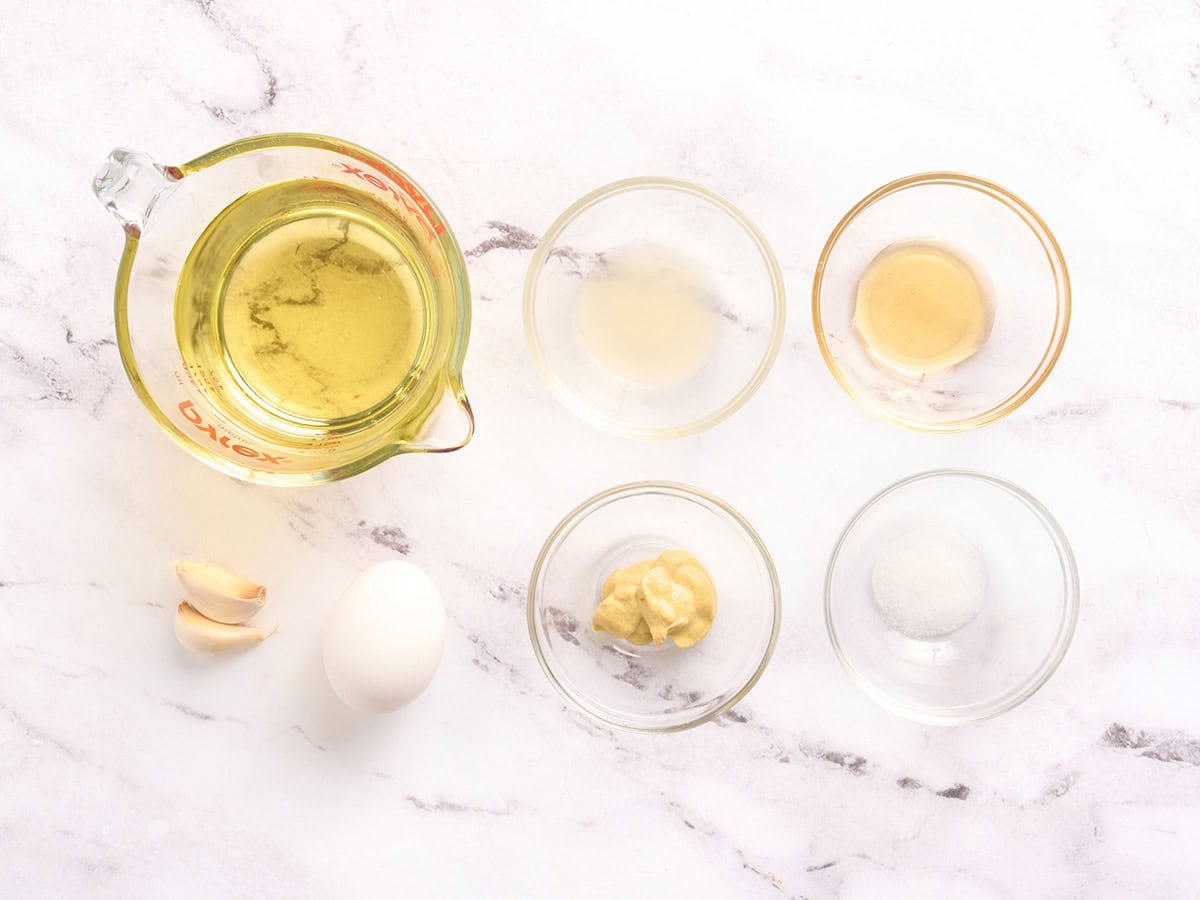
The recipe developed by Alley leverages basic, cost-effective pantry items to achieve a complex flavor profile:
- The Base: One room-temperature egg (ideally pasteurized) and one cup of neutral oil (such as vegetable, canola, or avocado oil).
- The Aromatics and Stabilizers: Two fresh garlic cloves and two teaspoons of Dijon mustard.
- The Brighteners: One teaspoon of fresh lemon juice, one teaspoon of honey, and a quarter-teaspoon of salt.
The financial metrics of this preparation are remarkably compelling. The total cost to produce a full batch (approximately 16 servings) is just $1.06, translating to a mere $0.07 per tablespoon serving. When contrasted with premium artisanal store-bought aiolis, which routinely retail for $4.50 to $7.00 per jar, the homemade version represents a cost savings of up to 85%.
Nutritional and Culinary Profile
From a dietary perspective, a one-tablespoon serving of this homemade aioli delivers:
- Calories: 127 kcal
- Fat: 14g (representing 22% of the recommended daily value)
- Sodium: 48 mg (2% of the daily value)
- Carbohydrates: 1g
- Protein: 0.4g
By utilizing a neutral oil rather than extra virgin olive oil, the recipe avoids the bitterness that often occurs when olive oil is subjected to the high-shear forces of food processor blades. The addition of a touch of honey balances the sharp pungency of raw garlic and the savory tang of Dijon mustard, resulting in a balanced, versatile condiment.
Chronology: From Mediterranean Mortar to High-Speed Food Processor
The journey of aioli from ancient culinary tradition to modern convenience spans centuries of food history and minutes of precise mechanical execution.
Historical Evolution
The origins of aioli are deeply rooted in the northwestern Mediterranean region, specifically spanning the coasts of eastern Spain (Catalonia and Valencia) and southeastern France (Provence).
- Ancient Origins: The term aioli is a linguistic compound derived from the Catalan all-i-olli and the Provençal alhòli, literally translating to "garlic and oil." Historically, the sauce was prepared using only two ingredients: fresh garlic cloves crushed in a wooden or stone mortar, with olive oil slowly incorporated drop by drop until a thick, paste-like emulsion formed.
- The Integration of Egg: Over centuries, as the sauce migrated across borders, culinary practitioners introduced egg yolks to the mixture. The egg acted as a powerful stabilizer, making the emulsion significantly less temperamental and yielding a lighter, creamier texture akin to mayonnaise. This evolution sparked a long-standing culinary debate, with purists maintaining that true aioli must contain only garlic and oil, while modern gastronomy widely accepts egg-stabilized variations.
- The Digital Era and High-Speed Appliances: In the late 20th and early 21st centuries, the widespread adoption of the home food processor and immersion blender revolutionized the preparation. What once required 20 minutes of vigorous manual labor with a mortar and pestle can now be executed mechanically in under five minutes.
Step-by-Step Culinary Execution
The modern mechanical preparation of garlic aioli follows a strict chronological sequence to ensure molecular stability:
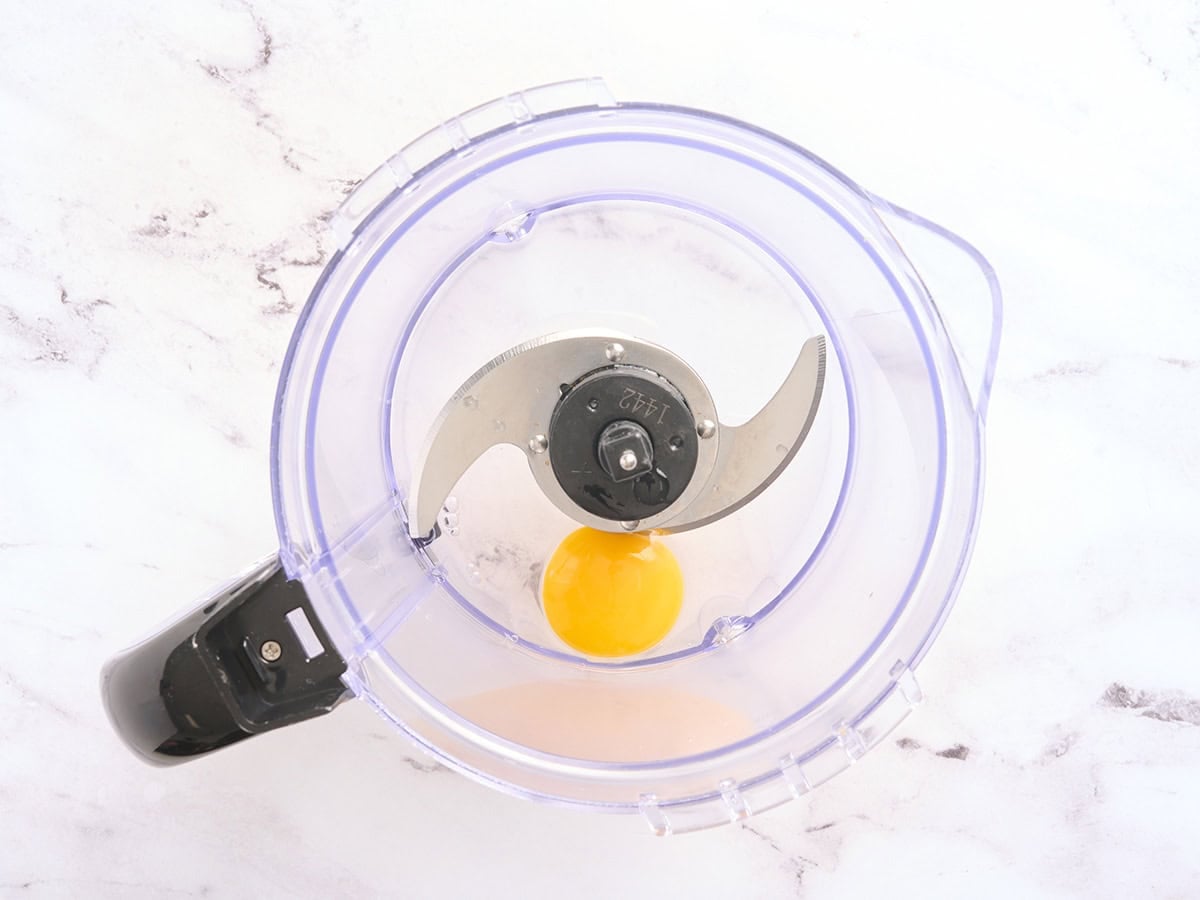
[Step 1: Prep & Blend Egg] -> [Step 2: Add Garlic & Mustard] -> [Step 3: Slow-Drizzle Oil] -> [Step 4: Balance with Acid & Sweetener]- Phase 1: Egg Aeration (0–20 Seconds): The room-temperature egg is placed in the food processor and blended until the yolk and white are fully integrated, presenting a smooth, slightly foamy appearance.
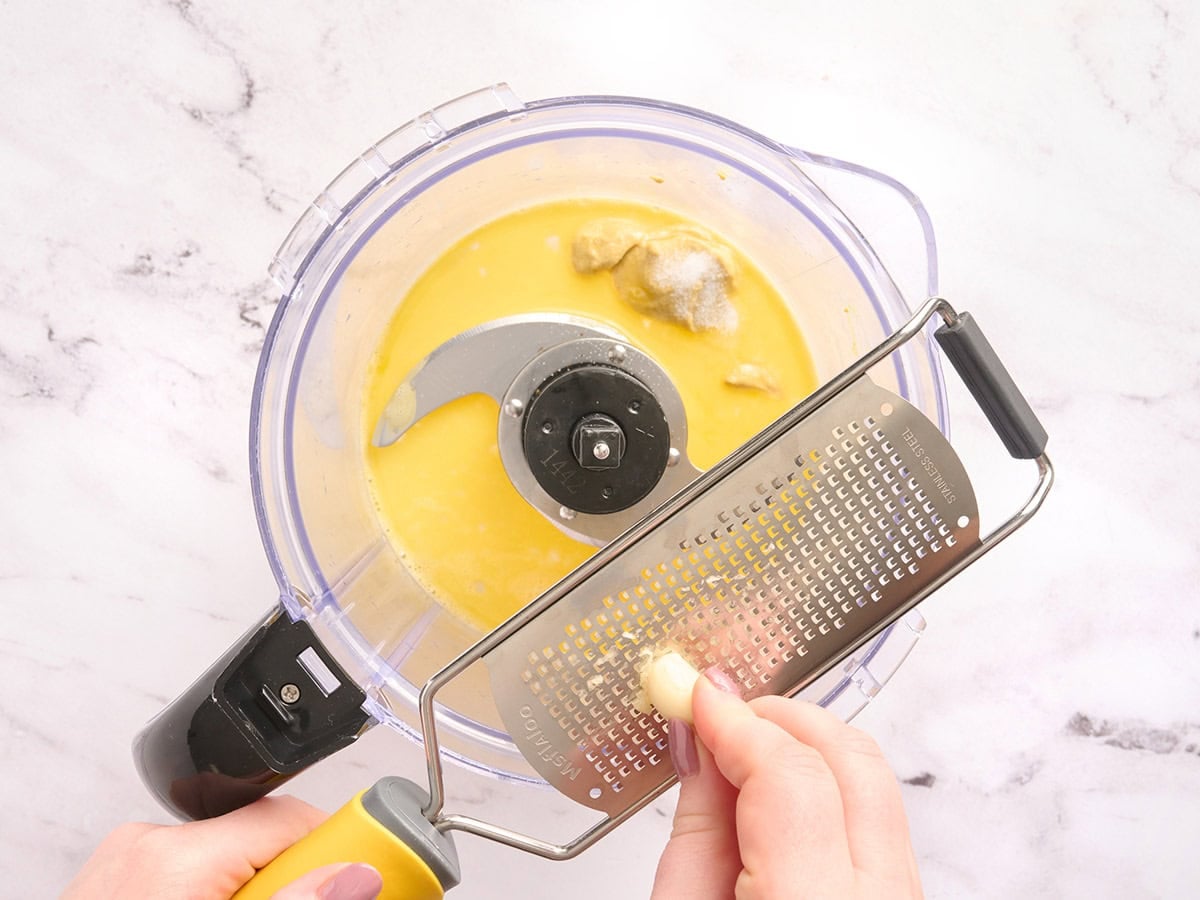
- Phase 2: Stabilizer Integration (20–50 Seconds): Dijon mustard, salt, and freshly grated garlic are added. Grating the garlic directly into the bowl ensures uniform distribution without leaving unblended fragments.
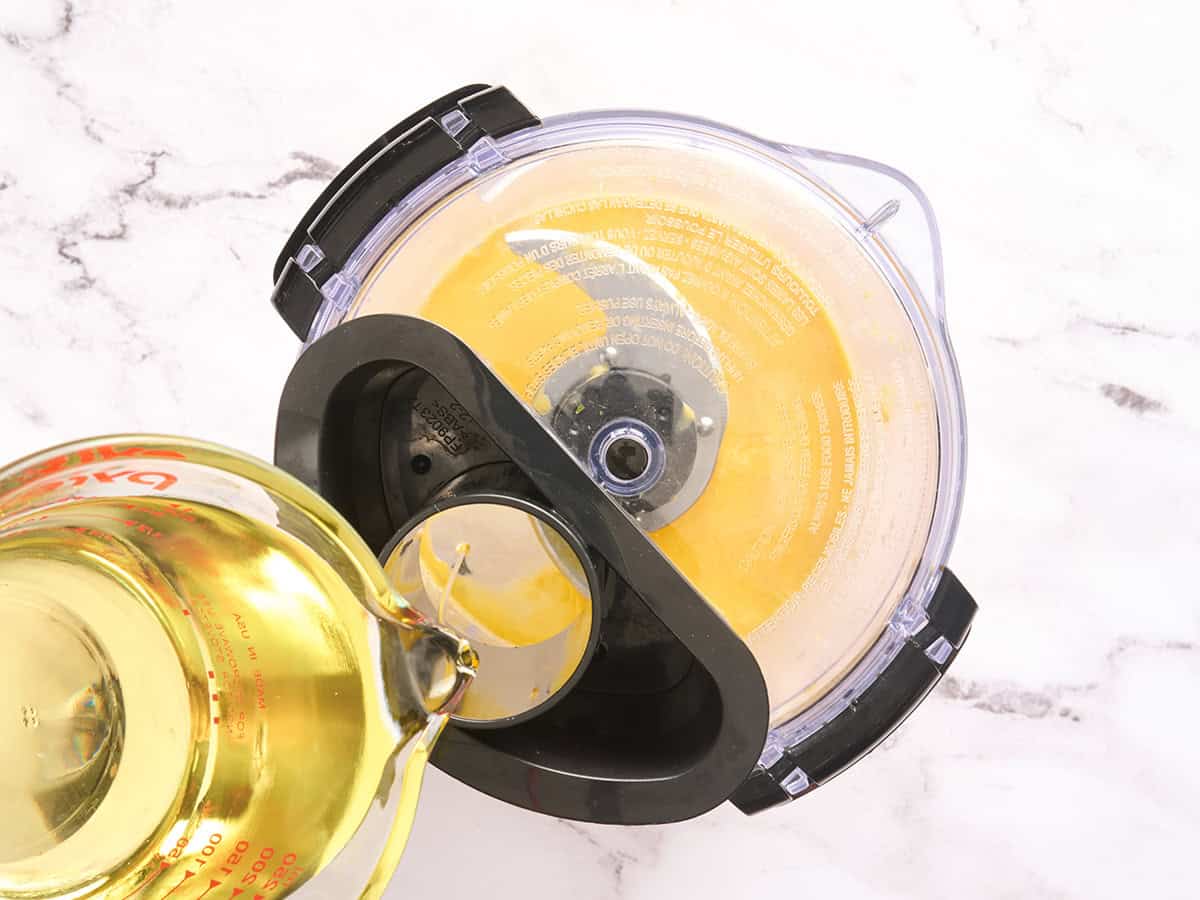
- Phase 3: The Emulsion Drizzle (50–200 Seconds): With the motor running continuously, the neutral oil is introduced in an incredibly slow, thin, steady stream. This is the most critical phase; rushing the oil delivery will prevent the emulsion from forming.
- Phase 4: Flavor Balancing (200–300 Seconds): Once the mixture has transformed into a pale, thick, and glossy cream, lemon juice and honey are incorporated. The sauce is then transferred to an airtight container and refrigerated for at least 30 minutes to allow the garlic flavors to bloom.
Supporting Data: The Physics of Emulsification and Economic Realities
To appreciate why this recipe works, and why it represents such high value, one must examine the underlying physical chemistry of emulsions alongside modern retail economic data.
The Chemistry of Emulsion
An emulsion is a mixture of two liquids that are normally immiscible (unmixable), such as oil and water. In garlic aioli, the oil represents the "dispersed phase," while the water-based liquids (egg white, lemon juice, mustard) represent the "continuous phase."
+-------------------------------------------------------------------------+
|                          THE EMULSIFICATION PROCESS                     |
|                                                                         |
|   [Hydrophobic Tail] ---> Attaches to Oil Droplets                      |
|   [Hydrophilic Head] ---> Attaches to Water Base                        |
|                                                                         |
|       Oil Droplet  <-- [Tail]--Lecithin--[Head] --> Water Base          |
|                                                                         |
|   Result: A stable, microscopic suspension of oil in water.             |
+-------------------------------------------------------------------------+
Without an emulsifier, the oil droplets would quickly coalesce and separate from the water. Egg yolks contain a powerful natural emulsifier called lecithin, a phospholipid. Lecithin molecules possess a dual nature: a hydrophilic (water-loving) head and a hydrophobic (water-fearing, oil-loving) tail.
When the food processor spins, it shears the oil into billions of microscopic droplets. The lecithin molecules align themselves at the boundary between the oil and water, inserting their hydrophobic tails into the oil droplets while keeping their hydrophilic heads in the water. This physical barrier prevents the oil droplets from merging, creating a stable, thick suspension.
Why Extra Virgin Olive Oil Can Fail in a Food Processor
While extra virgin olive oil (EVOO) is traditional, high-speed food processor blades can ruin its flavor. EVOO contains bitter polyphenols (specifically secoiridoids) that are normally bound up in molecular complexes. The intense mechanical shearing of a food processor breaks these complexes apart, releasing the bitter compounds and making the resulting aioli unpalatably bitter. Neutral oils like canola or avocado oil do not contain these compounds, ensuring a smooth, clean flavor profile.
Official Responses and Food Safety Guidelines
Because homemade aioli relies on raw ingredients, food safety organizations have established clear guidelines regarding its preparation, storage, and consumption.
USDA Recommendations on Raw Eggs
The United States Department of Agriculture (USDA) and the Food and Drug Administration (FDA) caution against the consumption of raw or undercooked eggs due to the potential risk of Salmonella enteritidis contamination. To mitigate this risk, the USDA advises:
- Utilize Pasteurized Eggs: For uncooked preparations like aioli, Caesar dressing, and eggnog, consumers should purchase pasteurized shell eggs. These eggs have been gently heated to a temperature that destroys bacteria without cooking the egg proteins.
- Maintain Cold Storage: Raw egg emulsions must be kept continuously refrigerated at or below 40°F (4°C).
The Hazard of Raw Garlic in Oil
A critical, often overlooked food safety hazard is the relationship between raw garlic, oil, and botulism. Clostridium botulinum is an anaerobic bacterium commonly found in soil. When raw garlic (which grows in soil) is submerged in oil (an oxygen-free environment) and kept at room temperature, it creates the ideal conditions for the production of deadly botulinum toxins.
To address this, the USDA and CDC enforce strict temperature controls:
- The Two-Hour Rule: Homemade garlic-in-oil mixtures should never be left at room temperature for more than two hours. In ambient temperatures exceeding 90°F (32°C), this window shrinks to one hour.
- Four-Day Shelf Life: According to USDA guidance, homemade egg and garlic emulsions must be consumed or discarded within four days of preparation, even when stored in a pristine, airtight refrigerated environment. Freezing is not recommended, as the freezing and thawing process breaks the delicate emulsion, causing the sauce to separate into an oily, grainy liquid.
Implications: The Macroeconomics of DIY Condiments
The popularity of high-quality, low-cost recipes like Jennie Alley’s garlic aioli highlights a broader shift in consumer behavior. As food price inflation continues to squeeze household budgets, consumers are reassessing where they allocate their food dollars.
+-------------------------------------------------------------------------+
|                  COST COMPARISON: AIOLI (16 SERVINGS)                   |
|                                                                         |
|   Homemade (Budget Bytes Recipe)  | $1.06                               |
|   Store-Bought Artisanal Brand     | $5.50                               |
|                                                                         |
|   Savings: $4.44 per batch (Approx. 80% reduction in cost)              |
+-------------------------------------------------------------------------+
The "Premiumization" of Condiments
In recent years, the grocery industry has capitalized on the "premiumization" of everyday items. Specialty condiments—once reserved for high-end delicatessens—now occupy prominent shelf space in mainstream supermarkets. By marketing these products with terms like "truffle," "artisanal," and "aioli," brands justify prices that are often 400% higher than standard mayonnaise.
When home cooks realize they can produce a superior, fresher version of these luxury condiments in five minutes for just over a dollar, the value proposition of specialty commercial sauces collapses. This realization fosters culinary self-reliance, encouraging consumers to master fundamental culinary techniques rather than relying on processed, pre-packaged goods.
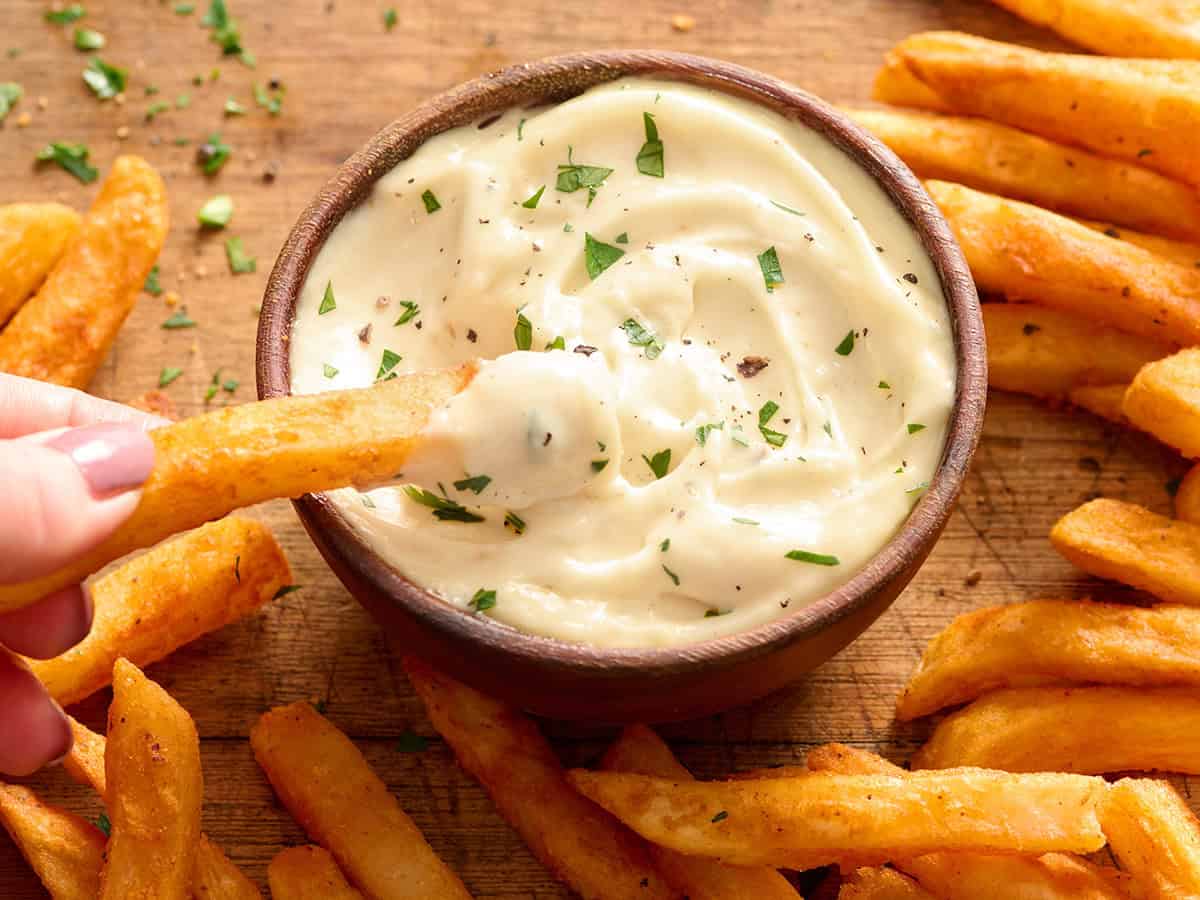
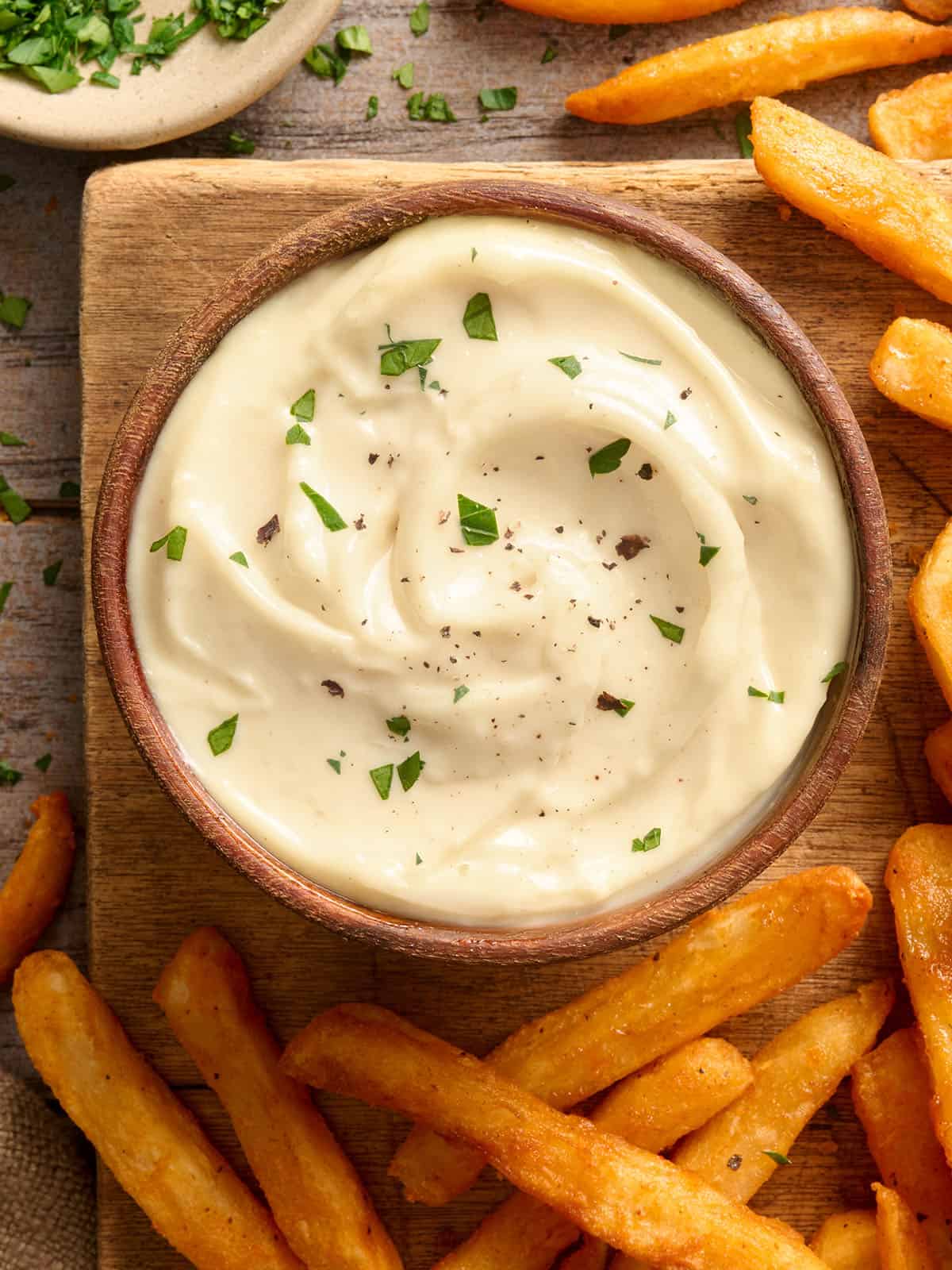
Ultimately, the humble garlic aioli is more than just a delicious dip for french fries or a spread for artisanal burgers. It is a practical demonstration of how a basic understanding of culinary science and kitchen economics can democratize gourmet flavors, proving that exceptional food does not require an exceptional budget.