The Future of the Hydrangea: Beyond the Mophead
Hydrangeas have long held a position of prestige in the American garden. From the dramatic, cloud-like mopheads that grace the pages of design magazines to the subtle, architectural elegance of the lacecap, these shrubs are arguably the most recognizable staples of the domestic landscape. However, as gardening trends shift toward ecological responsibility, climate resilience, and aesthetic innovation, the hydrangea is undergoing a profound transformation. What does the future hold for this genus, and how are professional breeders navigating the tension between commercial appeal and environmental stewardship?
The Evolution of the Genus: A Chronology of Change
The history of the hydrangea in Western horticulture is one of selection and adaptation. For decades, the nursery industry focused heavily on the Hydrangea macrophylla—the bigleaf hydrangea. The goal was consistency: large, showy blooms that could endure shipping and thrive in a variety of pots.
In the late 20th century, the industry shifted toward "dwarf" varieties. Breeders sought to minimize the size of the plants to accommodate the shrinking footprint of the suburban yard and the logistical needs of big-box retailers, who favored plants that could fit easily onto standard nursery carts. While this successfully brought the hydrangea to a wider audience, it also led to a period of homogenization, where many plants lost their unique character in favor of "lumpy," compact forms.
Today, we are entering a new, more adventurous chapter. The current trend is moving away from simple size reduction and toward radical hybridization. Breeders are now looking outside the traditional species pool, mining the genetic diversity of obscure or formerly neglected relatives. This shift marks a departure from the "cookie-cutter" nursery model of the 1990s and 2000s, signaling a return to horticultural exploration.
The New Frontier: Radical Hybridization
The most exciting development in the hydrangea world is the work being done by visionary nurserymen and plant breeders who are crossing the genus with previously underutilized, genetically distinct groups.
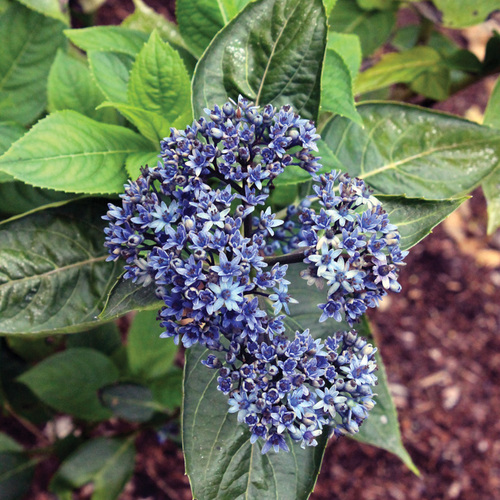
The goal is to push the boundaries of what a hydrangea can be. For example, successful crosses between Hydrangea species and the former Dichroa genus have resulted in ×Didrangea, a novelty that offers a fresh look and different cultural requirements. Similarly, Ed Bowen of Issima Nursery in Rhode Island has made significant strides in hybridizing hydrangeas with the former Platycrater species. These efforts are not merely for aesthetic novelty; they are intended to build vigor, disease resistance, and environmental tolerance into the plant’s genetic makeup.
This shift toward "intergeneric" hybridization is the vanguard of modern plant breeding. By introducing genes from less common species, breeders can unlock traits that have been lost or suppressed through centuries of focusing only on flower size and color.
The Push for Commercial Appeal vs. Ecological Value
As we look toward the next decade, the industry faces a critical crossroads. Commercial pressure remains high; consumers want plants that are fragrant, repeat-blooming, and capable of displaying a broad, unprecedented spectrum of colors.
However, a vocal contingent of horticulturists and environmentalists—led by experts like Daniel J. Hinkley—is sounding a note of caution. The current popularity of mophead hydrangeas presents a distinct problem: their showy, sterile flowers are essentially "botanical junk food." While they look impressive in a garden border, they offer zero nectar or pollen for the pollinators that are essential for a healthy ecosystem.
The Case for the Lacecap
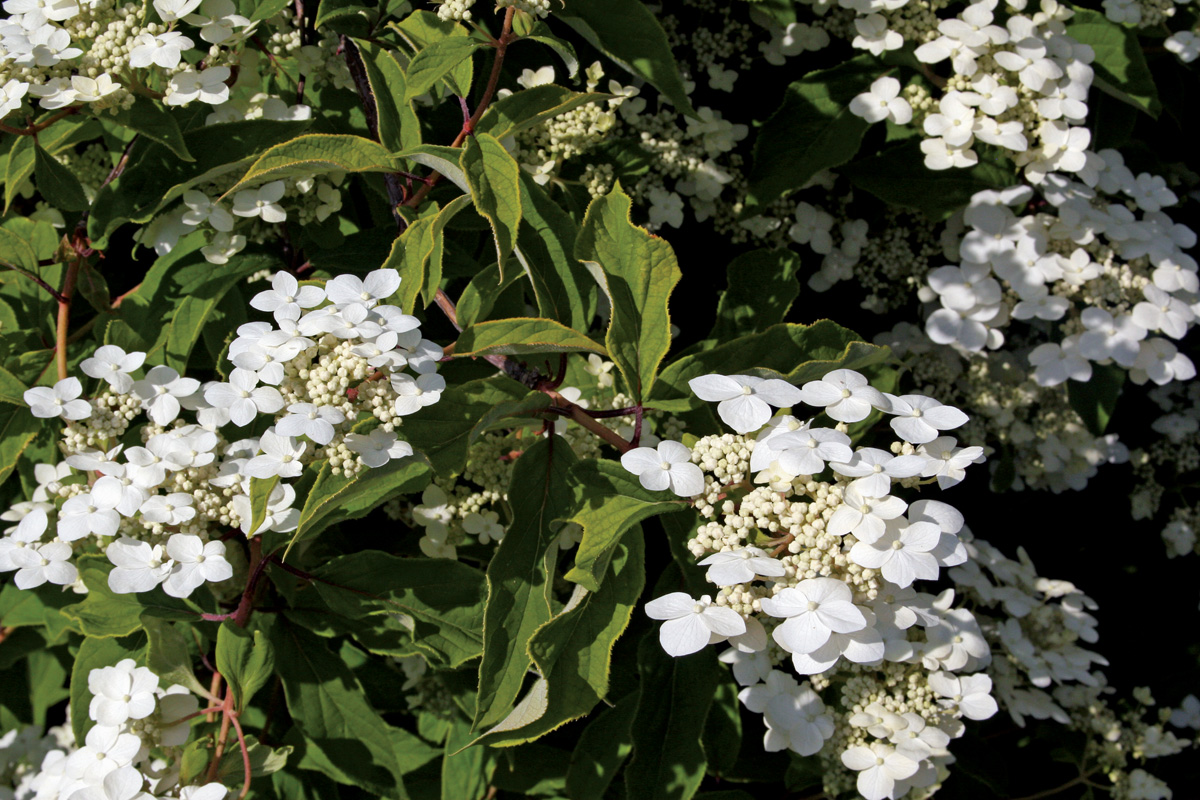
In contrast, the lacecap hydrangea is a powerhouse of biodiversity. Its structure, which features a ring of showy, sterile florets surrounding a center of fertile, nectar-rich flowers, acts as a magnet for bees, butterflies, and beneficial insects. As gardeners become increasingly aware of the "pollinator crisis," there is a growing movement to prioritize lacecap varieties over their mophead counterparts.
The professional consensus is that even when comparing native hydrangeas to introduced species, the lacecap form remains superior for ecological health. The challenge for the future is to convince the mass market that a "messier," more naturalistic bloom is not just aesthetically pleasing, but a functional necessity for a sustainable landscape.
Supporting Data: Why Biodiversity Matters
The data on pollinator decline is stark. Habitat loss and the proliferation of sterile plant cultivars have significantly reduced the food supply for native insects. According to entomological studies, gardens that utilize high-nectar-producing plants can act as vital "refugia" in urban and suburban landscapes.
When breeders prioritize fragrance and nectar production in their new hybrids, they are doing more than just pleasing the senses; they are creating a bridge between ornamental horticulture and conservation. The goal for future breeders is to integrate these "pollinator-friendly" traits into the plants that consumers are already buying. If a plant can be both a stunning focal point and a vital ecological service provider, the barrier to entry for the average gardener to support local biodiversity drops significantly.
Official Perspectives: The Role of the Plant Explorer
Industry leaders like Daniel J. Hinkley emphasize that the evolution of the hydrangea should be guided by curiosity rather than just profit margins. Hinkley’s work, famously chronicled in his book Windcliff: A Story of People, Plants, and Gardens, highlights the importance of keeping the "wild" in our gardens.
The professional response to the demand for new plants is increasingly focused on "resilient breeding." This means developing plants that do not require excessive fertilization, chemical pesticides, or supplemental watering. By selecting for stronger root systems and better heat tolerance, breeders are working to ensure that the hydrangeas of the future are not just beautiful, but also capable of thriving in a changing climate.
Implications for the Modern Gardener
What does this mean for the person shopping at a local nursery this spring? The implications are three-fold:
- Seek out diversity: When selecting hydrangeas, look for varieties that have been bred for more than just flower size. Research the background of the plant—does it offer nectar? Is it a hybrid of a species that provides unique structural or environmental benefits?
- Prioritize the lacecap: If you are looking to support local insect populations, prioritize lacecap varieties. They provide the same structural beauty as the mophead but with significantly higher ecological utility.
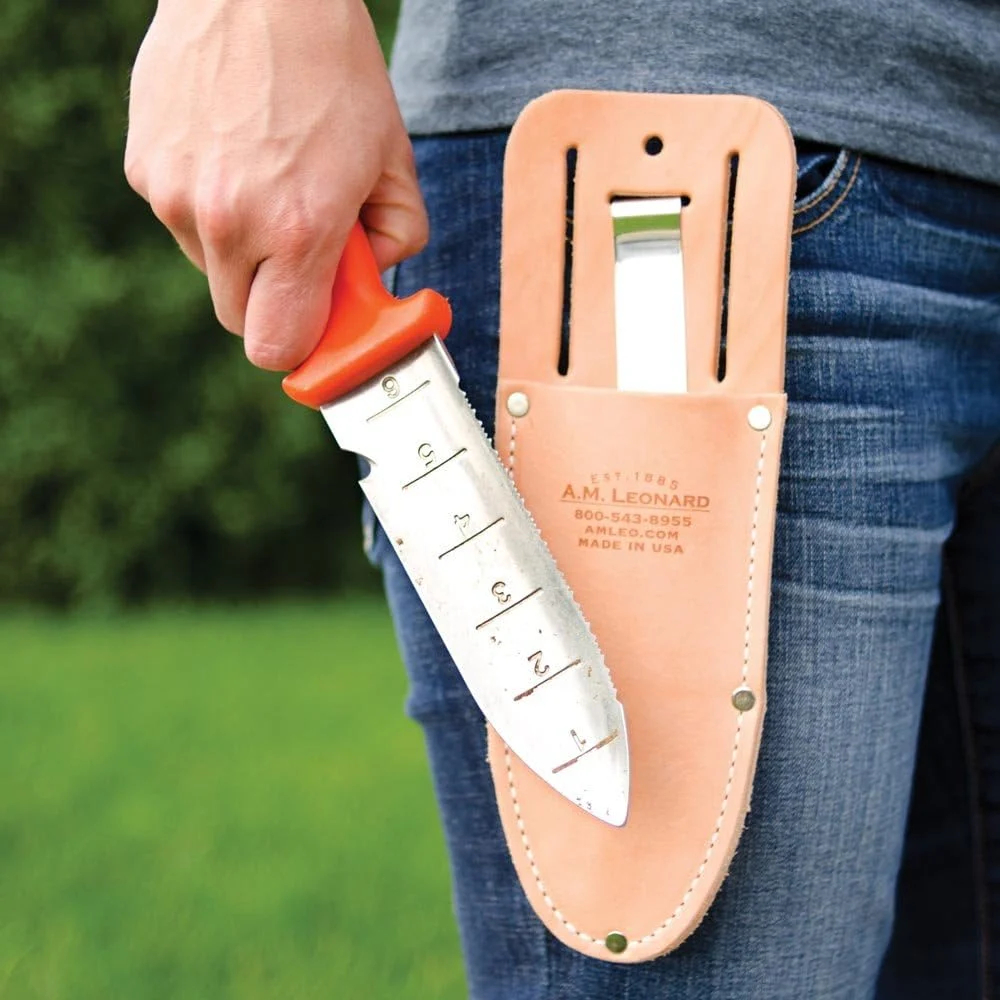
- Invest in quality tools: As the landscape evolves to include more diverse plant types, maintaining the health of your garden becomes paramount. Proper pruning, soil maintenance, and the use of high-quality tools—such as a durable soil knife for planting and maintenance—will ensure that your investment in these new, unique hybrids pays off for years to come.
Conclusion: A Balanced Future
The future of the hydrangea is bright, but it is not without its challenges. The industry is currently in a tug-of-war between the desire for easy, compact, showy flowers and the need for biologically functional, resilient plants.
If the current trend of sophisticated hybridization continues, we can expect to see a new generation of hydrangeas that are more fragrant, more diverse in form, and better adapted to the challenges of modern gardening. However, it is incumbent upon both the breeders and the gardeners to ensure that in our quest for beauty, we do not sacrifice the fundamental role that plants play in our natural world. By choosing varieties that support pollinators and avoiding the lure of purely ornamental, sterile cultivars, gardeners can play an active role in shaping the future of this iconic plant.
The hydrangea is no longer just a static decoration for the front porch; it is a dynamic, evolving participant in the health of our gardens. As we move forward, the most successful gardeners will be those who embrace this complexity, valuing the intersection of artistic expression and environmental stewardship. The next chapter of the hydrangea story is waiting to be written in our own soil—let us ensure it is a story of growth, diversity, and life.